
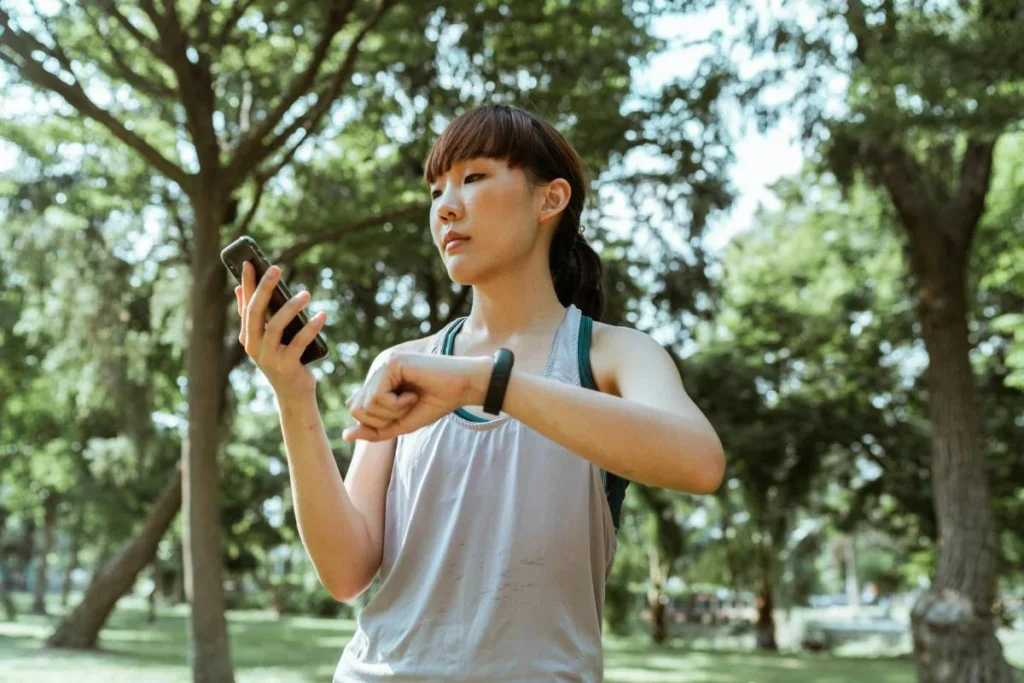
In our ChoZan’s 2026 consumer trends report, one of the clearest shifts in consumer behavior is the rise of personalized wellness. Health is becoming something people track, manage, and improve through data, routines, and earlier action.
Consumers are counting steps, logging moods, adjusting sleep, and paying closer attention to biomarkers, diagnostics, and daily habits.
That shift matters because it changes what people expect from products and services. Generic promises feel weak in a category tied to personal outcomes. People want tools, guidance, and routines that help them understand their own bodies and make smarter decisions earlier.
In China, that mindset is turning health into a more active consumer category, with daily behavior now carrying far more weight than occasional care.
Targeted Wellness: Data-Driven Proactive Health Care
The starting point is a new mindset. Many consumers no longer see health as something to think about only when a problem appears. They see it as a part of ordinary life that deserves regular attention.
Measurable Health Changes the Standard
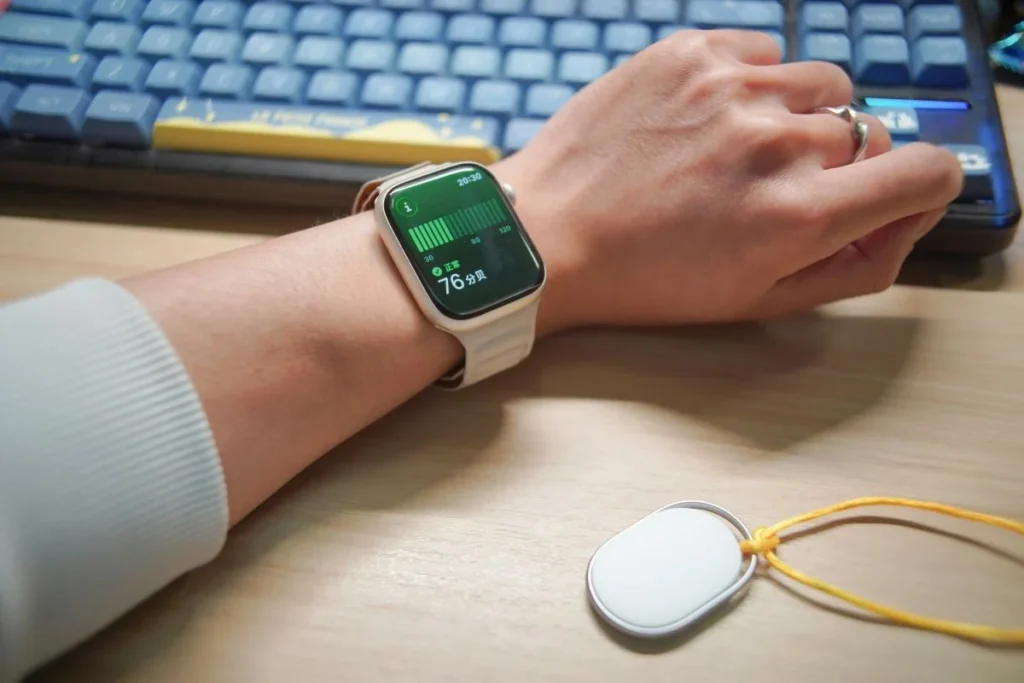
The appeal of measurable health is simple. It gives people proof. Sleep quality, recovery scores, body composition, food logs, and stress signals all help turn health into something visible. That visibility creates a stronger sense of control.
This also changes what people value. Consumers respond more strongly to products and services linked to trackable outcomes. They want to know what a routine is doing for them. They want clearer evidence that a choice is helping energy, focus, sleep, or long-term well-being.
The Body Is Becoming a Project With Goals
This behavior fits China’s wider digital culture. People are already comfortable using platforms, data, and feedback loops to improve daily life. Wellness now fits that same logic. The result is a more disciplined form of self-care, shaped by observation, adjustment, and everyday optimization.
Health Tracking Has Become Part of Ordinary Life
Once people want more visibility into health, the next step is practical. They need tools that keep that visibility alive every day. That is why health tracking is becoming so central.
Wearable Health Technology Puts Health Data on the Wrist and Finger
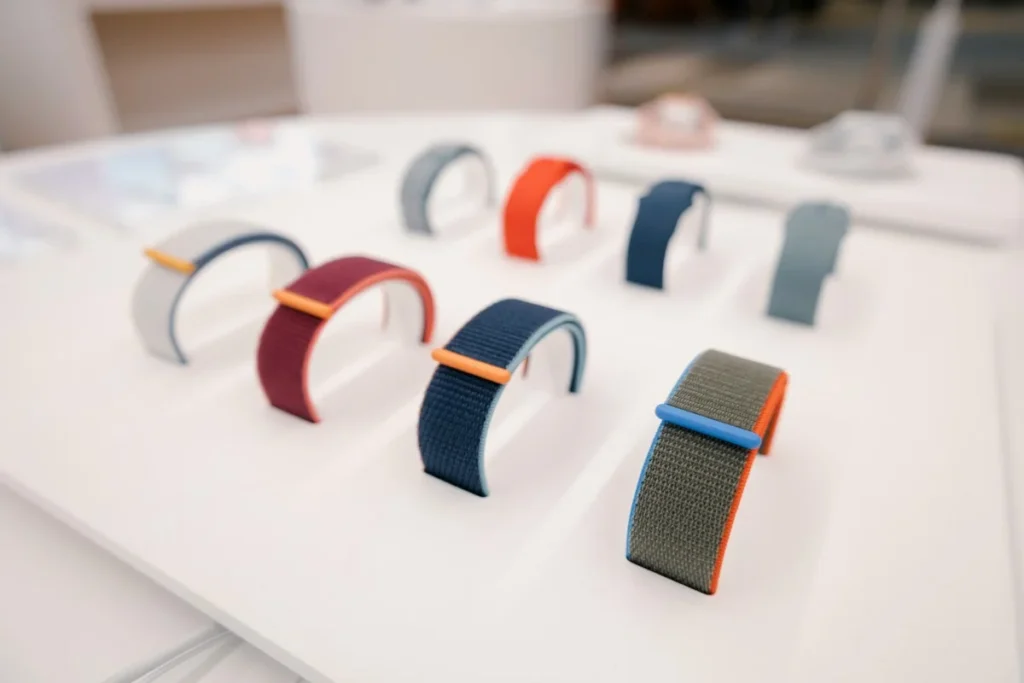
Wearables, health apps, AI-led services, DNA-based diet tools, and microbiome kits are expanding the ways Chinese consumers monitor their bodies in daily life. Sleep, diet, movement, and recovery feel easier to read, so they become easier to improve.
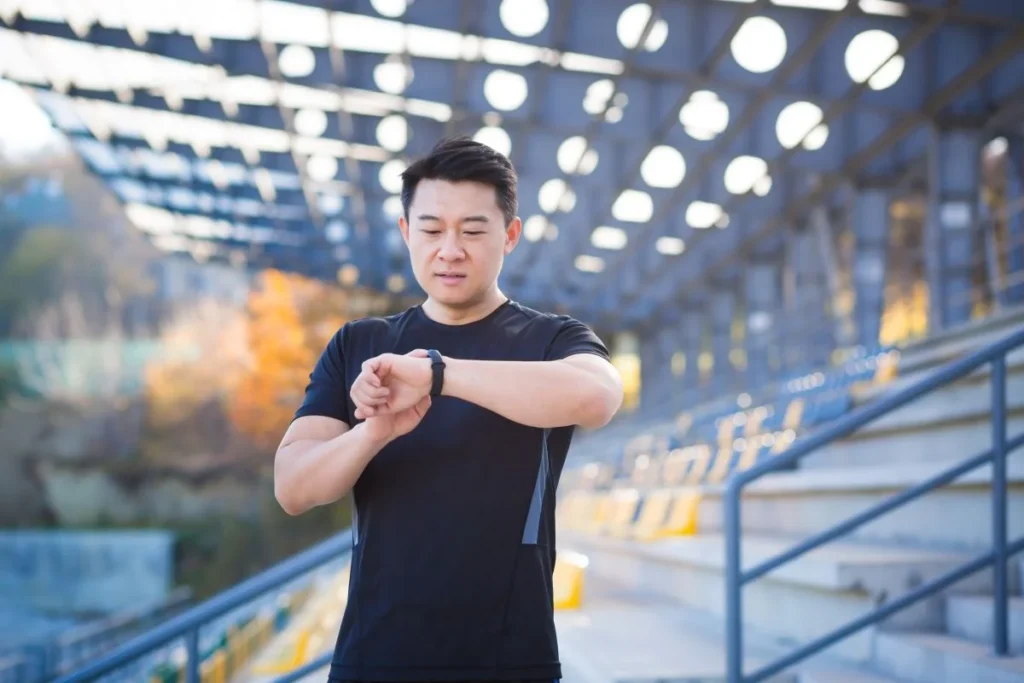
This is where wearable health technology gains real commercial power. Wearable devices such as smart watches, smart bands, and smart rings fit naturally into busy urban routines. They support continuous monitoring and make health data feel practical, immediate, and useful.
Data Only Matters When It Helps People Decide
Consumers do not want endless numbers. They want a practical interpretation. Strong wellness offers help people move from raw data to better decisions. That could mean going to bed earlier, changing a meal pattern, easing off intense exercise, or booking a screening.
That is why health tracking works best when it sits inside a larger system of guidance. Devices alone are not enough. People want context, recommendations, and a feeling that the information is helping them move in the right direction.
A Personal Wellness Plan Now Feels More Useful Than Generic Advice
Once consumers start tracking themselves more closely, generic wellness messaging starts to lose power. People want support that reflects their own routines, sensitivities, and goals.
Personalization Is Becoming the Real Expectation
A strong personal wellness plan gives consumers something they can actually follow. It feels specific. It may include food choices, sleep targets, supplement routines, fitness adjustments, or check-up timing. The format matters less than the logic. People want guidance that reflects their own signals.
That is why a personal health and wellness plan now feels more compelling than broad lifestyle advice. Consumers are looking for tailored support that fits daily life and delivers visible progress.
Prevention Is Moving Into the Mainstream
Chinese consumers, particularly younger ones, are acting earlier. The pandemic reinforced a simple lesson. Waiting until something becomes serious feels risky and outdated. Preventive screening, nootropics, functional drinks, low GI staples, herbal teas, and routine mental health practices all sit inside this broader shift.
This is where proactive wellness becomes a serious market force. It reflects a practical desire to reduce risk, maintain performance, and protect long-term well-being. Consumers are not only buying products. They are building personalized plans that support an earlier response to health needs.
Wellness Now Signals Identity, Discipline, and Belonging
Wellness in China also carries social meaning. It has become part of how people describe themselves and how they present daily life to others.
Healthy living now works as an identity marker and a form of social currency. Running mileage, gym visits, and healthy recipes are common social content. Boutique studios and gyms also function as social spaces, not only workout venues.
That matters because it gives wellness culture more staying power. Once a habit becomes visible, social reinforcement gets stronger. People feel part of something bigger than a private routine.
Communities Deepen Commitment
This social layer also helps explain the rise of wellness ecosystems. Consumers increasingly move through connected spaces that include content, devices, communities, physical venues, and branded habit systems.
The strongest offers do more than sell a single product. They create an environment that supports repetition and commitment.
Brands That Want a Place in Personalized Wellness Need to Earn It
This category has become more attractive. It has also become harder. Health is a high-trust domain, and Chinese consumers are known for scrutiny.
Vague Claims Will Struggle in This Market
Brands need a clearer role in daily life. Better sleep, improved recovery, stronger focus, stress relief, or healthier routines are all more convincing than broad promises. The closer a brand gets to a visible use case, the easier it becomes for consumers to understand its value.
Diagnostics, personalization tools, analyzers, nutrition quizzes, adjustable plans, and tailored product options can strengthen relevance when they lead to useful action.
Trust Decides Who Stays in the Routine
Trust is the final filter. Consumers want accuracy, transparency on data use, and credible validation in a category tied to health. They also want support that feels practical. A useful recommendation carries more weight than a polished slogan.
The brands most likely to win will be the ones that help people measure, understand, and improve their own well-being over time.
In China, personalized wellness is becoming a daily operating system. Brands that fit naturally into that system will have a much stronger chance of becoming part of consumers’ long-term routines.
What Does Measurable Health Mean for Your Brand in China
As wellness becomes more personal, data-led, and prevention-focused, brands face a tougher question. How do you build relevance in a category where consumers expect guidance, proof, and trust?
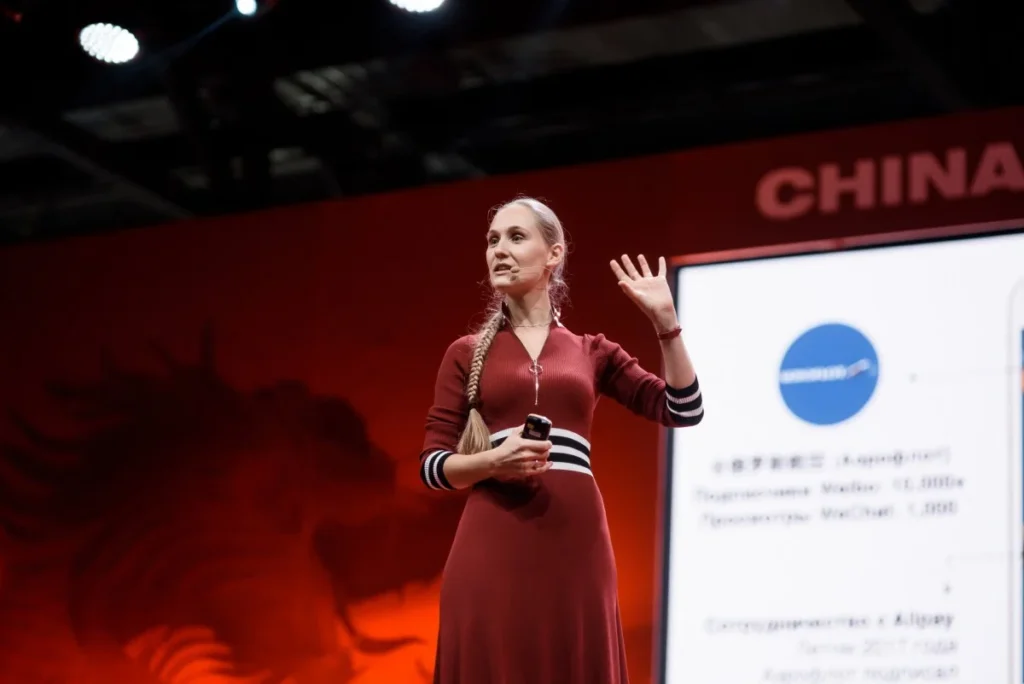
Ashley Dudarenok works with global teams to translate China’s health and wellness shifts into sharper market strategy, stronger consumer understanding, and more credible brand action.
She helps brands see how changing expectations around everyday health, personalization, and trust are reshaping product positioning and consumer engagement in China.
Invite Ashley Dudarenok to speak on the next phase of wellness, retail, and consumer behavior in China. Her sessions give teams a clearer view of where consumer health demand is moving and what that means for brand growth.
Common Questions About Health Tracking and Preventive Wellness in China
Below are the key questions people ask when they want to understand how Chinese consumers are using data, devices, and routines to manage health more actively.
What Is Personalized Wellness in China?
Personalized wellness in China means using personal data, routines, and tailored advice to manage health daily. It reflects a stronger demand for measurable progress and practical prevention.
Why Is Personalized Wellness Growing So Quickly Among Chinese Consumers?
Personalized wellness is growing because Chinese consumers want more control over sleep, energy, diet, and stress. Data, apps, and diagnostics make health feel more personal and actionable.
How Is Health Tracking Changing Daily Health Behavior in China?
Health tracking is changing daily behavior by turning hidden signals into visible feedback. People can adjust sleep, movement, food, and recovery earlier because progress feels easier to understand.
What Does a Personal Wellness Plan Look Like for Consumers in China?
A personal wellness plan often includes sleep goals, food choices, supplements, exercise, and checkups tailored to individual needs. It works best when routines feel realistic and measurable.
Why Is Wearable Health Technology Becoming Part of Everyday Life in China?
Wearable health technology fits daily life because it offers simple access to sleep, activity, and recovery data. That steady feedback helps people make small health decisions with more confidence.
What Is Driving the Rise of Proactive Wellness in China?
The rise of proactive wellness comes from stronger prevention habits, wider access to health data, and higher health awareness. Many consumers now prefer earlier action over a delayed response.
What Role Do Diagnostics Play in a Personal Health and Wellness Plan?
Diagnostics give a personal health and wellness plan more precision. They help consumers understand body signals, spot potential issues earlier, and choose support that feels more relevant.
How Does an Early Detection Mindset Shape Wellness Spending in China?
An early detection mindset pushes spending toward screenings, supplements, healthier food, and recovery tools. Consumers feel more comfortable paying for prevention when daily health feels easier to monitor.
How Are Wellness Ecosystems Changing the Way Brands Engage Health-Conscious Consumers?
Wellness ecosystems are changing engagement by linking products, content, devices, services, and communities. Brands can build deeper trust when support feels connected, useful, and consistent across touchpoints.