Trending in China

Explore what’s trending in China’s consumer market, AI, ecommerce, retail innovation, and digital ecosystem through expert insights and keynotes.

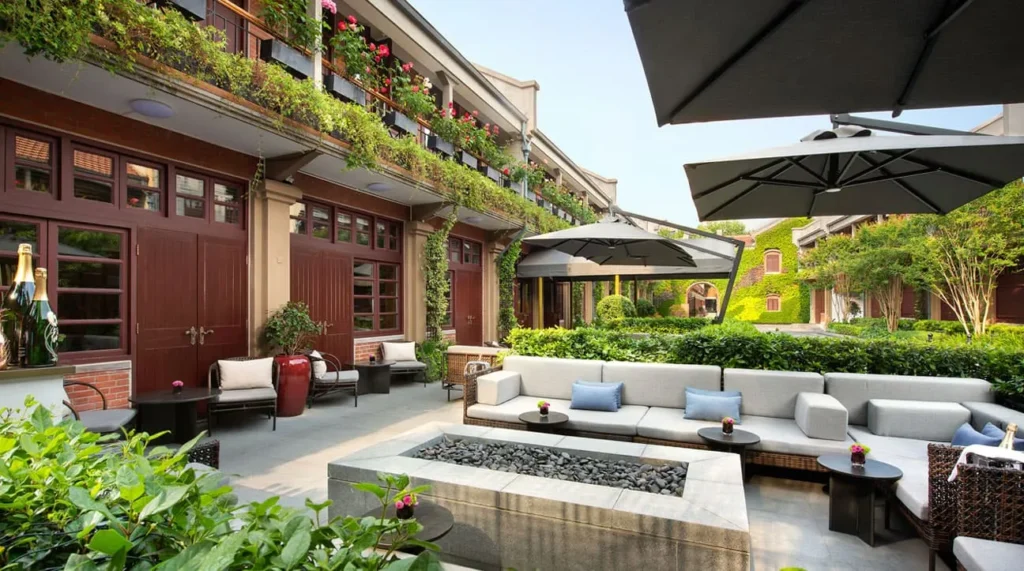
Courtyard terrace surrounded by shikumen buildings

Capella Shanghai: How Shikumen Heritage Shapes Luxury Hospitality

Capella Shanghai is a 55-villa luxury hotel at 480 West Jianguo Road in Xuhui. Its defining appeal combines shikumen lane-house architecture, private living spaces, cultural experiences and French dining.  The property offers a useful case in place-based branding. Shanghai heritage determines how guests stay, what staff help them discover and how the hotel connects with […]

Capella Shanghai: How Shikumen Heritage Shapes Luxury Hospitality Read More »
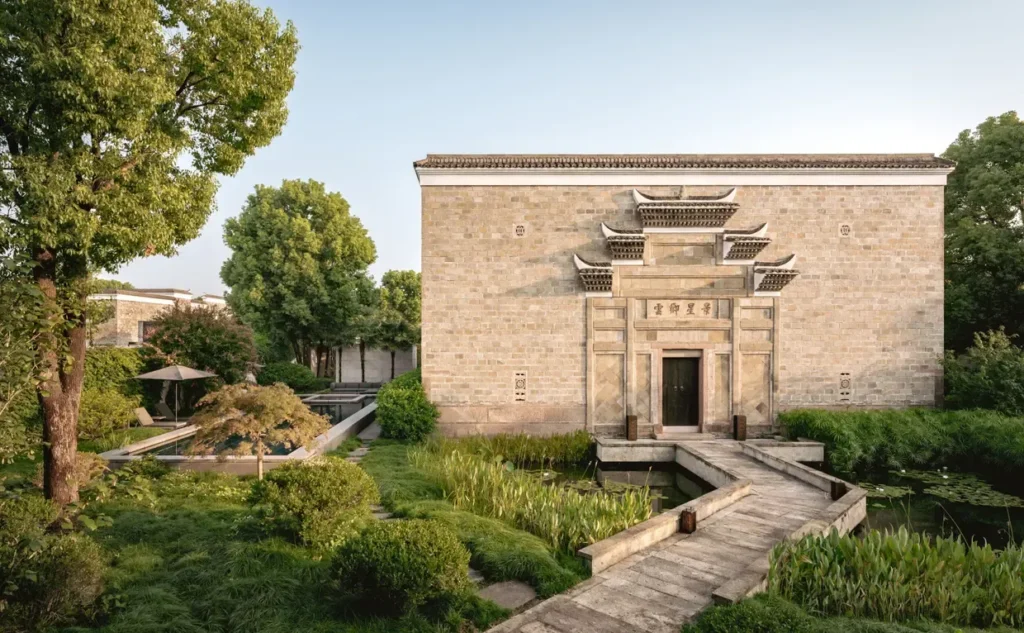
Historic Jiangxi house surrounded by landscaped gardens

Amanyangyun: How Heritage Preservation Became a Luxury Experience in Shanghai

Amanyangyun, known in Chinese as 养云安缦, is an Aman resort in Shanghai’s Minhang district. Its defining features are historic houses and camphor trees relocated from Jiangxi, alongside contemporary accommodation and Chinese cultural experiences. For someone choosing an Aman hotel in Shanghai, the appeal lies in spending time within that preserved environment. The commercial interest is

Amanyangyun: How Heritage Preservation Became a Luxury Experience in Shanghai Read More »

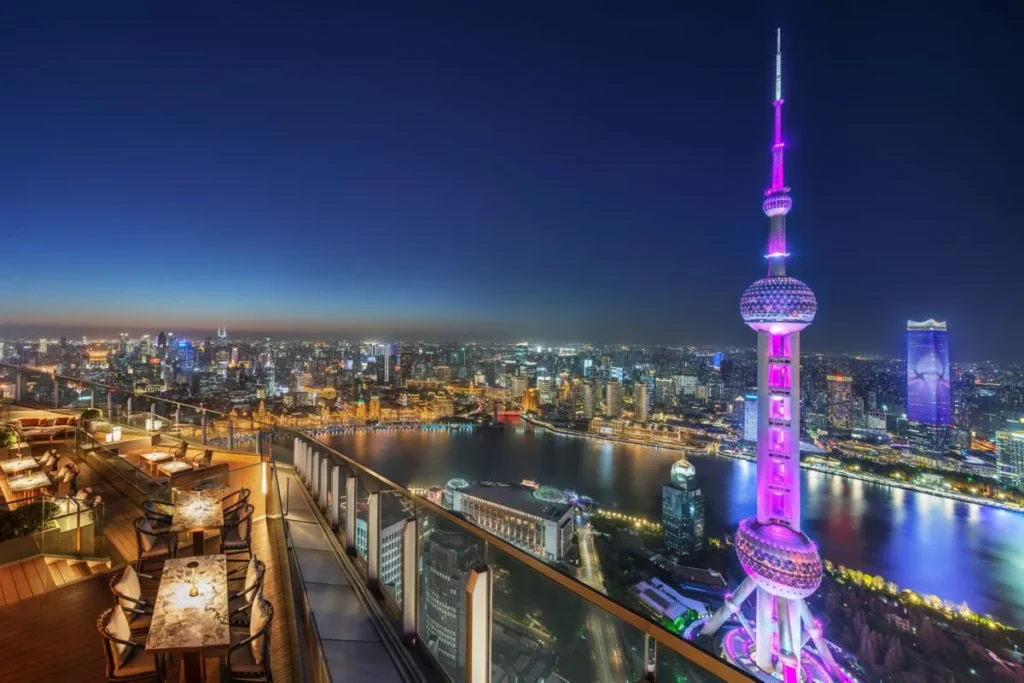
Flair rooftop overlooking Oriental Pearl Tower at night

The Ritz Carlton Shanghai Pudong: How Vertical Luxury Competes in Lujiazui

The Ritz Carlton Shanghai Pudong is a luxury hotel in Shanghai IFC, at 8 Century Avenue in Lujiazui. Its upper-floor setting, Art Deco interiors and destination restaurants make it a distinctive base for a Shanghai stay. Its commercial appeal comes from how those experiences fit together. Guests can combine accommodation, a private meeting, dinner and

The Ritz Carlton Shanghai Pudong: How Vertical Luxury Competes in Lujiazui Read More »

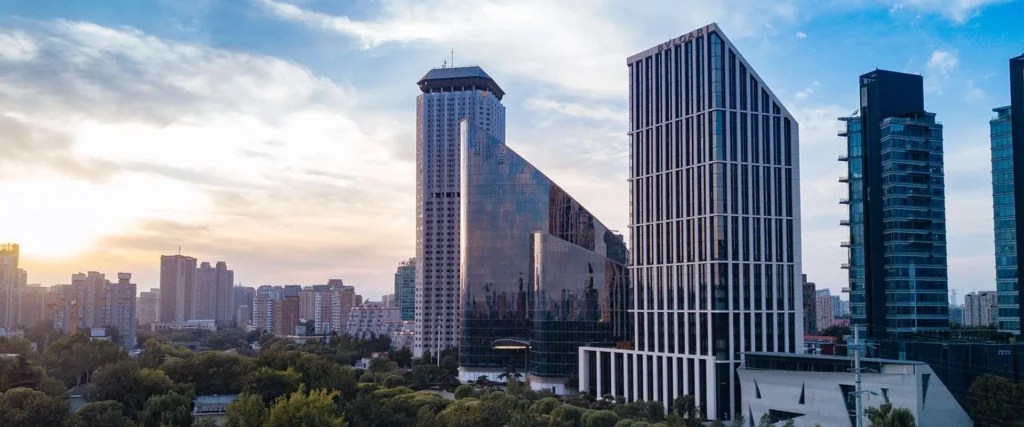
Exterior view of Bulgari Hotel Beijing

Bulgari Hotel Beijing: Bvlgari’s Luxury Brand Extension

Bulgari Hotel Beijing brings Italian design, destination dining and attentive service to a riverside setting in Beijing’s Chaoyang district. Officially styled Bvlgari Hotel Beijing, and known in Chinese as 北京宝格丽酒店, the property has 119 rooms and suites within Genesis Beijing. Its appeal combines access to the capital with space to spend an unhurried afternoon inside

Bulgari Hotel Beijing: Bvlgari’s Luxury Brand Extension Read More »

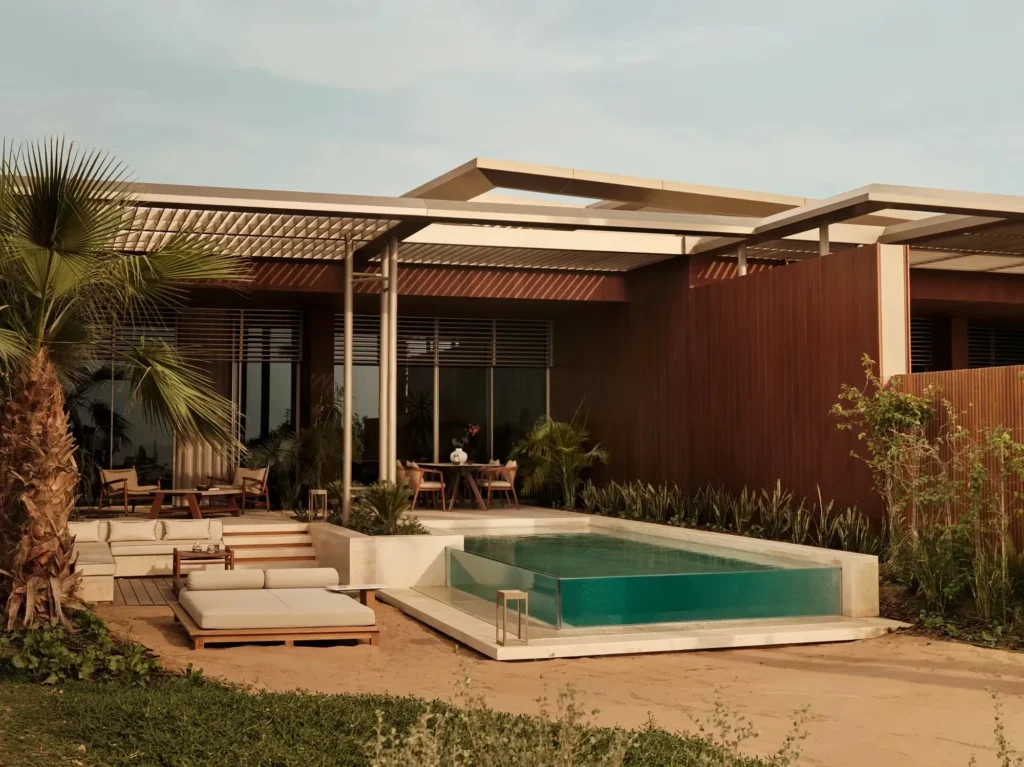
Private luxury villa with outdoor swimming pool

Rosewood Beijing: How Local Culture Became a Luxury Brand Advantage

Rosewood Beijing opened in 2014 as the brand’s first property in China. More than a decade later, it remains one of the clearest examples of how a luxury hotel can use local culture as a commercial strategy rather than a decorative layer.  The property sits in Chaoyang District, across from the CCTV Headquarters, and holds

Rosewood Beijing: How Local Culture Became a Luxury Brand Advantage Read More »

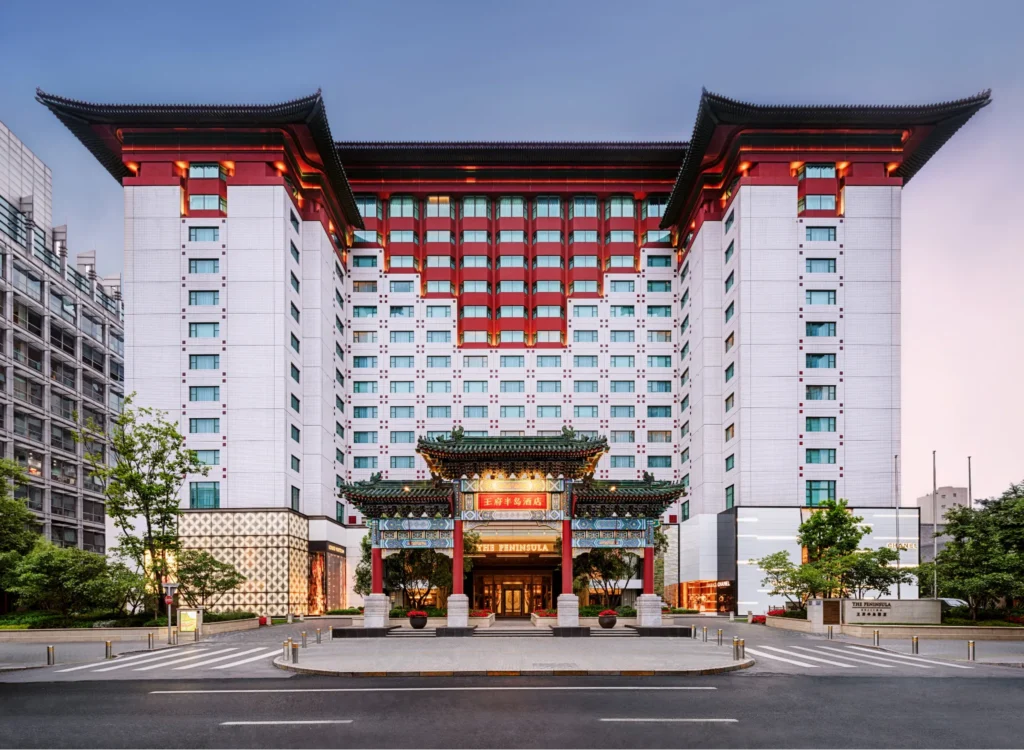
Exterior of The Peninsula Beijing in Wangfujing

The Peninsula Beijing: How Heritage, Craft and Technology Shape Luxury in China

The Peninsula Beijing brings together three ideas: a spacious, residential style of stay, direct access to Beijing’s cultural life, and technology that makes daily service easier to manage. At its Wangfujing address, Chinese art and craft appear in the hotel itself and in activities that take guests into the city.  The result matters beyond attractive

The Peninsula Beijing: How Heritage, Craft and Technology Shape Luxury in China Read More »

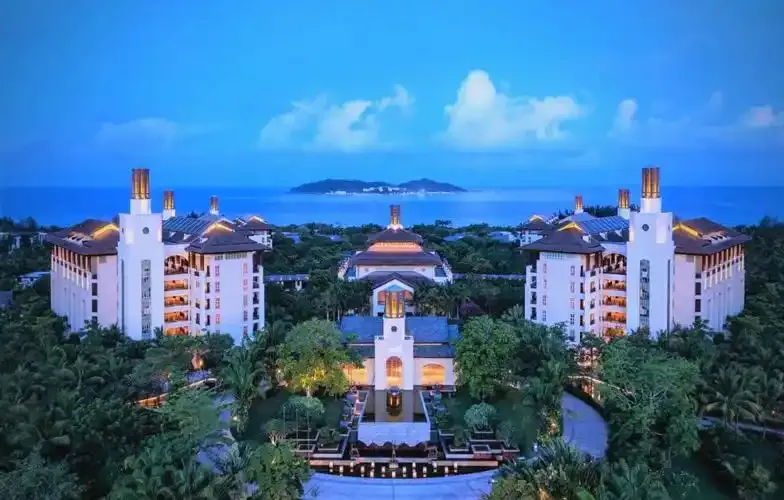
Luxury hotel resort overlooking the sea in China

Luxury Hotels in China: 20 Properties Redefining High-End Hospitality

Luxury hotels in China offer several distinct stays: courtyard residences, city towers, garden retreats, mountain resorts, and coastal escapes. These 20 mainland properties merit comparison for how their accommodation, experiences, and services match a trip’s purpose. The difference extends beyond interiors. Separate bedrooms can improve a family stay; regional experiences can justify time at a

Luxury Hotels in China: 20 Properties Redefining High-End Hospitality Read More »

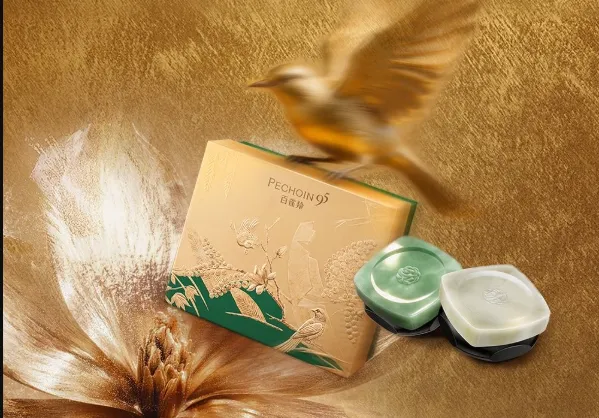
Pechoin 95 skincare gift set

Pechoin: How a Century-Old Chinese Skincare Brand Made Itself Relevant Again

Pechoin made itself relevant again through a coordinated reset: it turned heritage into a usable product asset, reformulated familiar lines around efficacy, invested in research credibility, and rebuilt discovery around China’s social-commerce system. Attractive packaging helped, but it was not the full mechanism.  The deeper change connected cultural identity to formulas, price tiers, livestreaming, and

Pechoin: How a Century-Old Chinese Skincare Brand Made Itself Relevant Again Read More »

CHANDO retail store signage

CHANDO: How Science, Scale and Local Consumer Insight Built a Chinese Skincare Giant

CHANDO became a major Chinese beauty brand by building a coordinated business around affordable skincare. Himalayan ingredients gave it a recognizable identity. Proprietary research, large-scale production, digital commerce, and extensive offline distribution helped turn that identity into a mass-market business. Its growth shows how a domestic brand can translate local consumer knowledge into products, price

CHANDO: How Science, Scale and Local Consumer Insight Built a Chinese Skincare Giant Read More »

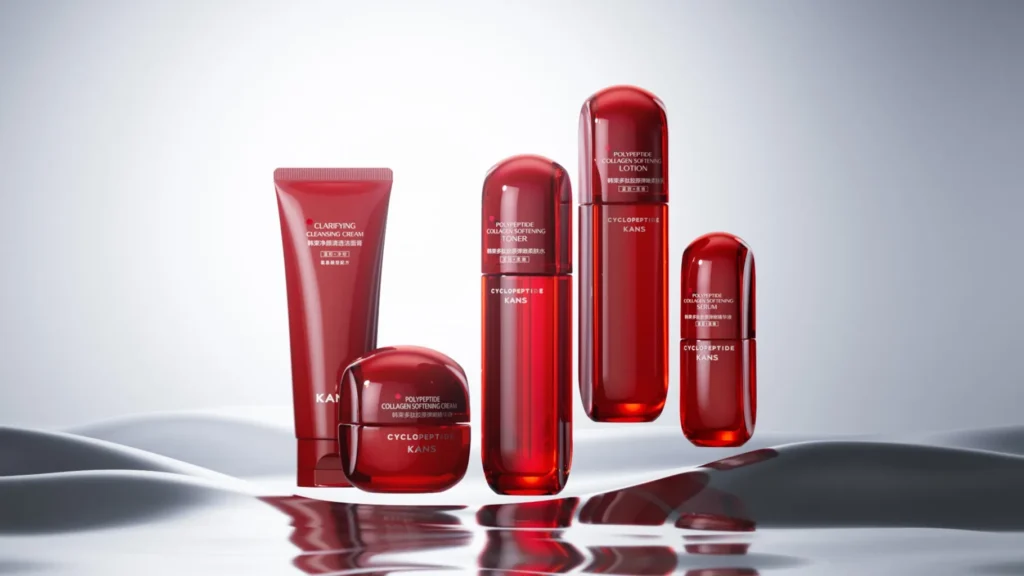
KANS red peptide skincare range with toner, serum, lotion, cream, and cleanser

KANS: How Douyin and Anti-Aging Science Built a Chinese Skincare Giant

KANS became a major Chinese skincare brand through a tightly connected system: Douyin created discovery and conversion, the Red Waistline concentrated demand, and peptide research gave the brand a more defensible anti-aging story.  Attractive red packaging helped recognition, but it does not explain the scale. The deeper advantage came from connecting short-form entertainment, livestream sales,

KANS: How Douyin and Anti-Aging Science Built a Chinese Skincare Giant Read More »