

China enters 2026 with a consumer market shaped by caution, selectivity, and a sharper sense of purpose. Households are saving more, thinking harder about big-ticket purchases, and weighing each category with greater discipline.
Yet demand still has energy. Spending continues in the areas that feel useful, emotionally rewarding, socially meaningful, or culturally resonant. According to the National Bureau of Statistics (NBS) of China, in 2025, final consumption expenditure accounted for 52% of China’s economic growth, up 5 percentage points from the previous year, which helps explain why demand has not disappeared so much as concentrated in categories people can more clearly justify.
According to a recent report by ChoZan on consumer trends in China, the country has entered a new consumption era marked by cautious optimism, shifting priorities, and structural changes in how people buy and what they value.
That shift matters far beyond one market. China remains a live testing ground for AI adoption, digital commerce, trust formation, experience-led retail, and culturally charged consumption.
Consumers are deeply informed, highly networked, and quick to reward brands that bring proof, relevance, and clarity to the table. For leaders trying to read the next phase of demand, few markets offer signals this rich.
Trend 1: AI in Daily Life: Making Shopping & Routines Smoother

AI now shapes everyday decisions in China with far more intimacy than most brands realize.
AI Assistants and Routine Optimization
AI now sits inside daily life in a visible way. Chinese consumers use AI to search, plan trips, compare options, summarize information, organize routines, and manage practical tasks across the day.
According to China Internet Network Information Center (CNNIC), by the end of 2025, China had 602 million generative AI users, with a 42.8% adoption rate, up 25.2 percentage points year on year.
Smart speakers, car systems, and phone-based assistants now act as always-on helpers. This means consumers increasingly expect services that reduce effort before making a final decision.
AI in Retail, Content, and Service
Retail has absorbed this logic quickly. Recommendation engines, predictive commerce, smarter customer service, and AI-powered content distribution are already shaping how products are discovered and sold.
Virtual brand figures and digital influencers have also become more common in livestreaming, demonstrations, and branded interaction. In China, AI is no longer a back-office story. It is part of the customer experience layer.
AI as a Lifestyle Layer
The deeper shift is cultural. AI now functions as a coach, tutor, planner, and creative partner for many users. Fitness apps track form, language tools support conversation practice, and creative tools help users experiment with images, music, and ideas.
For younger consumers, AI fluency also carries status. It signals that a person is current, capable, and comfortable with fast-moving change.
Trend 2: Less but Better: Pay Only For High Quality Goods
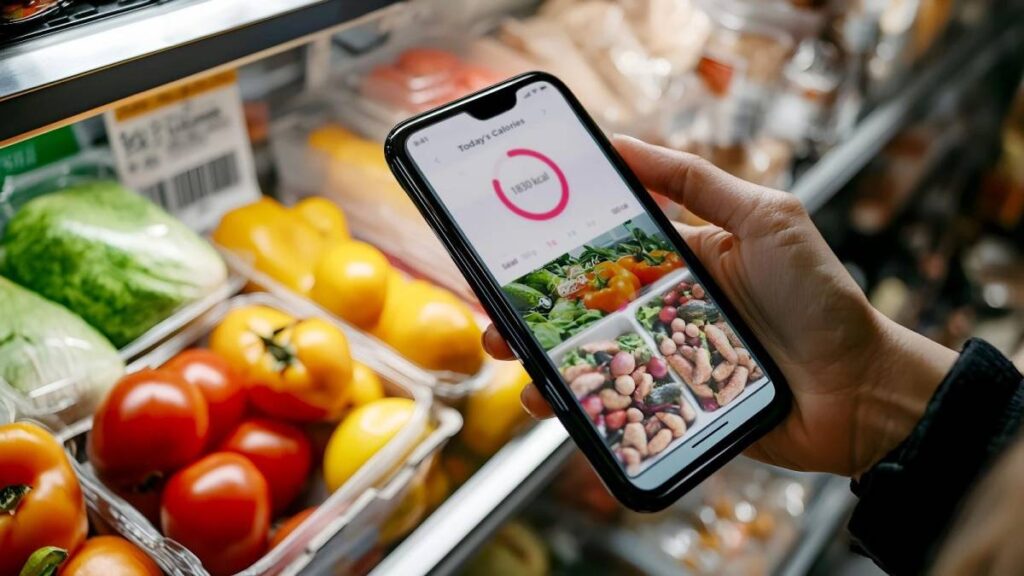
Chinese consumers still upgrade, yet they now demand a clearer return on every premium.
Smart Upgrading
Chinese consumers still want to improve their lives, yet the upgrade now has to feel precise. Shoppers buy fewer items and hold on to products for longer, then step up when the improvement is clear in performance, safety, durability, or design.
In fashion, that can mean a smaller wardrobe with stronger pieces. In tech, it can mean waiting for a real jump in battery life, camera quality, or function.
Durability, Trust, and Proof
The premium story has changed as well. A higher price has to be backed by visible evidence.
Consumers look for peer reviews, testing reports, ingredient disclosure, material transparency, side-by-side comparisons, and proof that a product will last. When that proof feels weak, many shoppers shift toward a mid-range alternative without hesitation.
The New Shape of Premium Demand
This is one of the clearest China consumer trends because it cuts across almost every category. Premium brands still win when they can defend their price through:
- Craftsmanship
- Function
- Reliability
- Honest claims
Value channels also benefit from this mood, which helps explain the growth of warehouse clubs, discount chains, and other formats that promise branded quality at a better price.
Trend 3: Rational + Emotional Spending: Balancing Utility & Joy
Spending in China now follows a more disciplined logic, though emotion still protects the categories people care about most.
Discipline in Everyday Spending
Chinese households are not simply spending less. They are reallocating. Routine expenses face tighter scrutiny, and low-meaning purchases lose protection fast.
Consumers lean harder on groceries, home cooking, discount formats, membership retail, and practical choices that stretch each yuan further.
The mental calculation is simple. Save on the things that do not matter, then keep room for the things that keep life moving.
Protected Emotional Spending
At the same time, budgets remain open for experiences and categories that feel emotionally necessary. Travel, concerts, learning, wellness, self-improvement, and meaningful leisure still attract spending because they offer relief, motivation, memory, or personal progress.
This is why the market can look cautious and energetic at once. Logic governs the basics. Emotion protects selected categories.
According to the National Bureau of Statistics (NBS) of China, in 2025, China recorded 6.52 billion domestic trips, up 16.2%, while domestic tourist expenditure reached 6.3003 trillion yuan (approximately $915.7 billion USD), up 9.5%.
Micro Joys Still Matter
Small indulgences also keep their place. Bubble tea, desserts, collectibles, stationery, home décor, and other low-ticket items carry more weight than their prices suggest. They help consumers manage stress, mark the week, and create little moments of lift.
Among the strongest Chinese consumer trends, this one explains why brands in the grey middle now face the greatest pressure. A product needs to feel like a smart buy or a meaningful pleasure.
Trend 4: Practical Green Purchasing: Eco-Friendly & No Waste
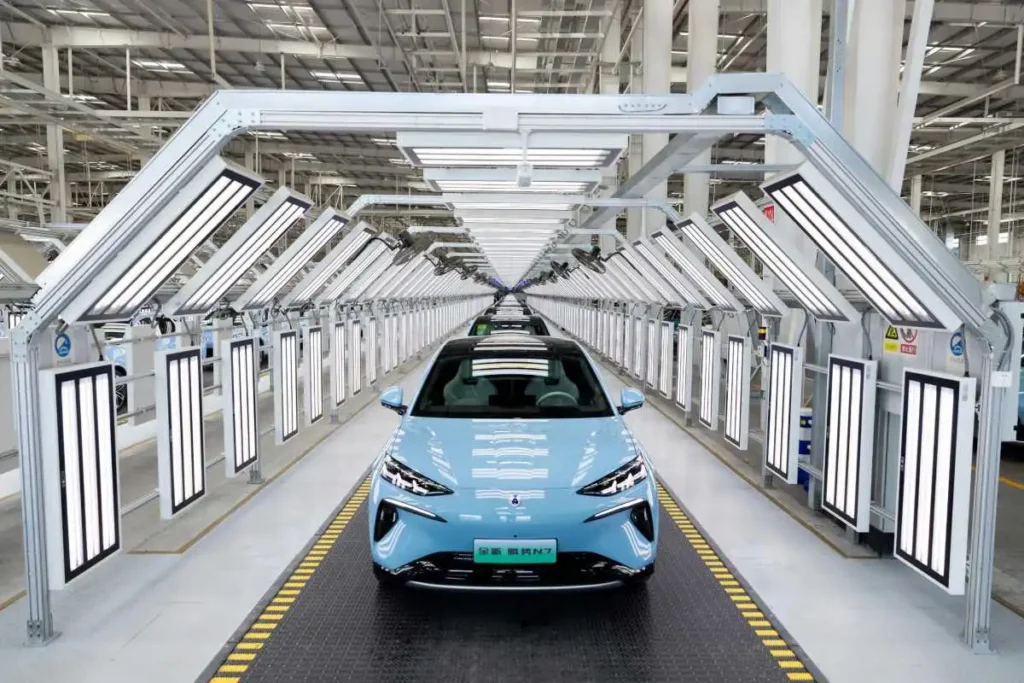
Sustainability now enters the purchase decision through usefulness, cost logic, and everyday practicality.
Sustainability as a Buying Filter
Green consumption in China now sits closer to daily decision-making. Many consumers, with younger cohorts at the front, treat sustainability as a real purchase filter. Yet the motivation is practical as much as ethical.
Lower waste, safer ingredients, reduced energy use, and long-term value all matter. The idea of responsible living has become more tangible and more routine.
Green Pragmatism
The strongest signal here is green pragmatism. Consumers choose greener options when performance is solid, total cost makes sense, and claims are backed by proof.
According to the commerce ministry spokesperson He Yongqian, in 2025, China’s consumer-goods trade-in programs benefited 366 million purchases and drove 2.61 trillion yuan (approximately $363.1 billion USD) in product sales. Purchases of top-tier energy-efficient or water-efficient home appliances rose 20% year on year.
Electric vehicles illustrate this clearly. Adoption accelerated because the product became more useful, more accessible, and easier to live with. That same logic now shapes appliances, packaging, sourcing, and household goods.
In 2025, new energy vehicle sales grew 17.6%, and by year-end, six out of every 10 passenger vehicles sold in China were NEVs.
Circular Models Gain Ground
Trade-in models, refill systems, near-expiry channels, and other circular formats align well with this mindset. They allow consumers to save money, reduce waste, and feel competent at the same time.
One of the most revealing China retail trends now is the way environmental value and economic value increasingly travel together. In this market, sustainability works best when it strengthens the value proposition instead of sitting apart from it.
Trend 5: Targeted Wellness: Data-Driven Proactive Health Care
Health has moved closer to daily management, with consumers treating wellness as something to track, refine, and improve.
Health as Data and Routine
Chinese consumers are turning wellness into a structured part of daily life. They track sleep, steps, food, moods, recovery, and performance through devices, apps, and AI-supported tools.
The body is treated with more intention, and progress is monitored with more detail. Health no longer sits in the realm of vague aspiration. It now lives closer to management, adjustment, and feedback.
A Preventive Mindset
Recent years have strengthened a clear preventive instinct. Younger consumers invest earlier in supplements, screenings, functional food, healthier staples, and mental recovery practices because waiting for a problem feels less acceptable than before.
This shift changes how wellness is purchased. People want help staying well, not only fixing what has already gone wrong.
Wellness as Identity and Community
Wellness also carries visible social meaning. Running logs, gym visits, healthy routines, and better daily habits now operate as forms of identity expression. Communities, challenges, and shared progress make this category more social than before.
In the context of broader retail trends in China, targeted wellness stands out because it blends technology, self-improvement, community, and trust into one fast-growing space.
Trend 6: Value Packaging & Micro Rituals: Boost Daily Consumption Taste
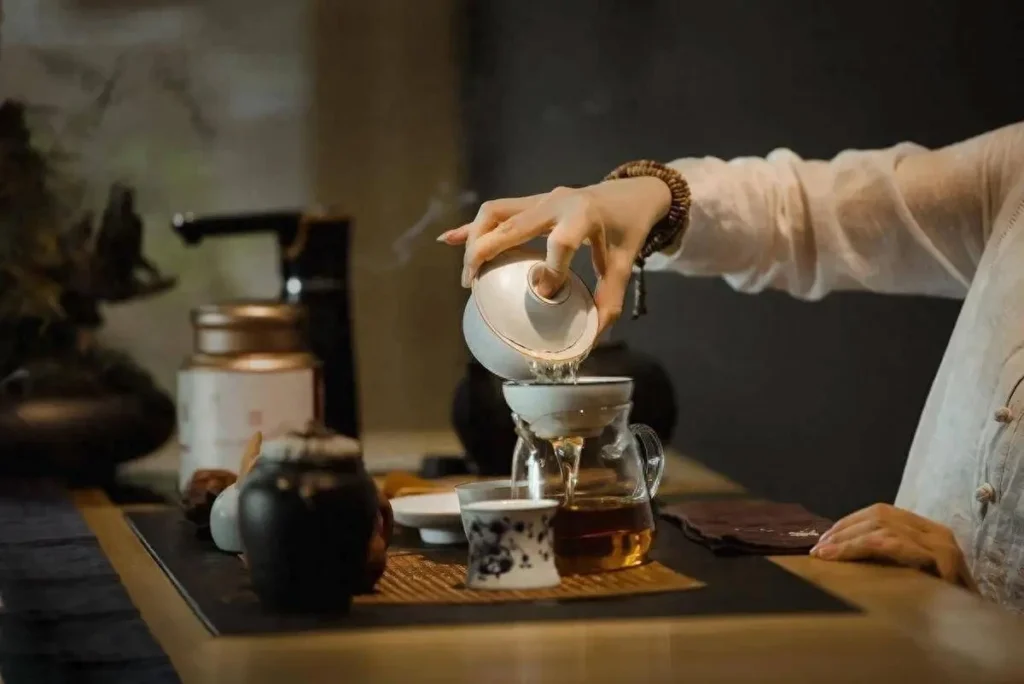
Small purchases carry greater weight when they add comfort, beauty, or rhythm to everyday life.
Mini Rituals in Everyday Life
Many Chinese consumers, particularly younger urban buyers, use small rituals to add texture and control to their ordinary lives.
A hand-poured coffee, a carefully plated breakfast, a skincare routine, or a quiet evening ritual can create emotional grounding without major spending. These acts feel modest on the surface, yet they answer a deeper need for rhythm, comfort, and personal atmosphere.
Packaging as Emotional Value
Presentation has become part of the product. Packaging can now drive desire when it feels beautiful, reusable, collectible, or worth sharing.
Tea bottles, mooncake boxes, cosmetic compacts, and other visually rich objects gain traction because they extend value beyond function. In this environment, unboxing, display, and photography all influence demand.
Small Luxuries With Staying Power
This matters because low-ticket items can carry high emotional value. A dessert, a fragrance mini, a decorative object, or a seasonal gift set can become the highlight of someone’s week when it feels thoughtful and elevated.
Across current consumer trends in China, this is one of the clearest reminders that small purchases often carry strategic importance far beyond their price.
Trend 7: Ice & Snow Economy: All Year Round Boom

China’s ice and snow economy is best understood as a category expansion story with real commercial depth.
A Category Moving Into the Mainstream
Ice and snow consumption has moved far beyond its former position as a seasonal niche. It now reaches families, casual beginners, younger, lifestyle-driven consumers, indoor venue visitors, and travelers seeking richer domestic leisure options.
Wider access, stronger infrastructure, and more varied entry points have helped turn this space into a broader consumer market with national relevance.
A Full Consumption Chain Is Taking Shape
What makes this trend commercially important is the growth of the full ecosystem around it. Demand now extends across gear, rentals, training, hospitality, food and drink, photography, travel services, and local destination offers.
The category is also gaining strength through regional development, better facilities, and more layered tourism formats. Ice and snow consumption now reflects how new leisure demand in China can grow into a scalable system rather than remain a narrow interest.
What Brands Should Learn
The strongest opportunity lies in ecosystem participation. Brands can create value through beginner-friendly offers, family packages, smart equipment, digital guidance, local partnerships, and destination-based experiences that combine convenience with stronger emotional appeal.
A ski-and-spa package, a simplified rental flow, or a culturally distinctive local program fits this trend because the market now rewards category building, easier access, and more complete leisure journeys.
Trend 8: Insiderism: Trust Reviews Not Ads
Chinese consumers increasingly buy with the mindset of informed insiders rather than passive audiences.
Consumers Think Like Insiders
Chinese consumers increasingly act like category insiders. They research ingredients, product origin, specifications, performance data, and side-by-side comparisons before buying.
In many categories, the customer arrives informed and ready to challenge weak claims. That changes the balance of power between brand messaging and consumer judgment.
Communities Beat Broad Influence
Trust now travels through KOCs, enthusiast communities, niche forums, WeChat groups, and detailed content on platforms such as:
- RedNote
- Bilibili
- Douban
Consumers want long-form explanations, transparent comparison, and practical evidence. In beauty, tech, parenting, and hobby-driven sectors, education has become more persuasive than glossy promotion.
Transparency Becomes a Core Capability
This pushes brands toward a different operating model. Product pages need substance. Customer service needs technical fluency. Brand teams need the confidence to publish test data, answer hard questions, and treat knowledgeable consumers as serious participants.
Among current Chinese consumer trends, insiderism may be among the most important, as it shapes how trust is built across almost every category.
Trend 9: Soul-Nomads: Prioritize Experiences & Healing
Experience-led spending remains resilient because many consumers now treat emotional recovery as a valid reason to spend.
Emotional Recovery Has Become a Spending Priority
Chinese consumers are prioritizing larger experiences because they help them reset, recover, and cope with pressure. The logic here is emotional rather than purely recreational.
Travel, live events, immersive spaces, and healing-oriented activities are often treated as necessary forms of release in a demanding environment. That changes the way spending is justified. Relief now carries real value.
Healing Consumption Goes Beyond Travel
Travel matters, though it is only one part of the pattern. Consumers also spend on concerts, workshops, pottery, painting, yoga, tea sessions, journaling, and other experiences that create calm, reflection, or emotional lift.
These choices are defended because they help people feel better and regain balance. In a tighter spending environment, that emotional payoff can matter as much as practical utility.
What Brands Should Learn
The commercial lesson is clear. Brands win when they build experiences around meaning, release, calm, and memory rather than just surface entertainment.
A venue, retreat, program, or event does not need a heavy status narrative to succeed. It needs to feel restorative, human, and worth protecting in a more selective budget. That is what gives this trend its strength across multiple categories.
Trend 10: Deep Trust Era: Loyal to a Few Reliable Long-Term Picks
In a slower market, loyalty gravitates toward a smaller group of brands that have earned long-term trust.
Loyalty Narrows Around a Small Set
In a slower and more uncertain climate, consumers narrow their choices to a limited set of brands they trust deeply. Once a brand enters that set, loyalty can be strong and durable.
Moderate premiums remain possible, yet only when performance stays steady and the relationship feels safe. This is a market where trust compounds over time.
Trust Extends Beyond Product
Trust now includes more than quality alone. Consumers read values, service behavior, data handling, customer response, and brand conduct as part of the same relationship.
A single mistake can break confidence if it signals carelessness, opacity, or disrespect. Repeated proof matters more than novelty in this environment.
Private Domain Trust Systems
Brands are responding by building private domain ecosystems through mini programs, apps, WeChat groups, membership tiers, direct access, and richer first-party relationships.
These spaces allow better service, more relevant content, and deeper community ties. In practical terms, trust becomes an operating system rather than a slogan.
Trend 11: OMO Blend: Immersive Contextual Consumption
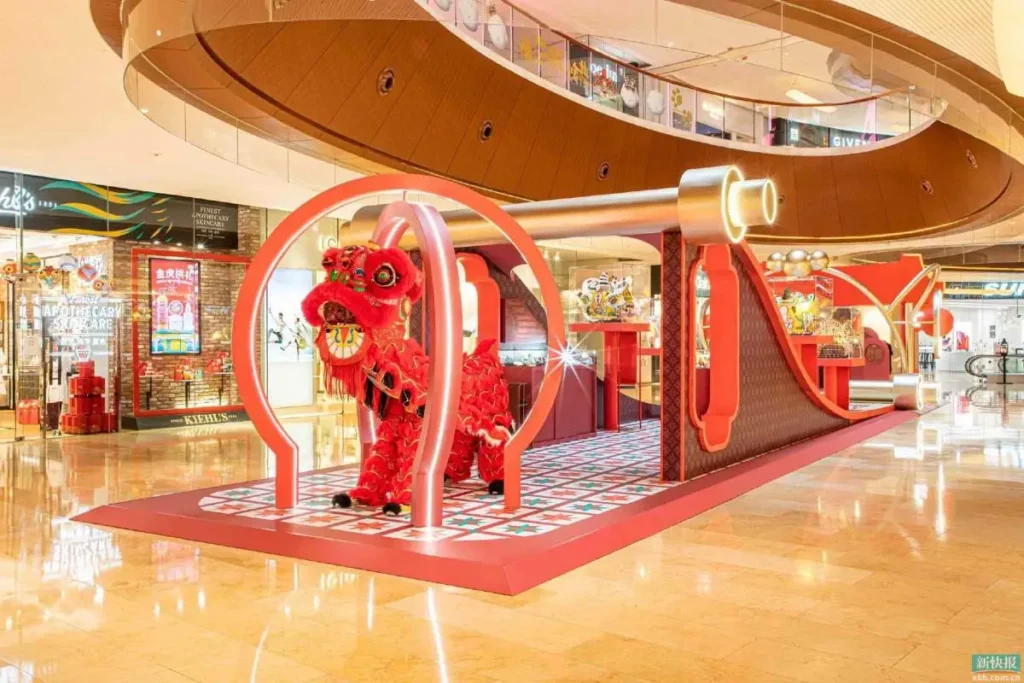
China’s retail journey now depends less on channel integration alone and more on emotional continuity across touchpoints.
From Scenes to Emotional Journeys
Chinese retail has moved beyond simple online and offline coordination. The goal now is a coherent emotional journey across content, store, service, and follow-up.
According to NBS China, in 2025, China’s online retail sales reached 15.9722 trillion yuan (approximately $2.22 trillion USD), up 8.6% year on year. Online retail sales of physical goods reached 13.0923 trillion yuan (approximately $1.82 trillion USD), accounting for 26.1% of total consumer goods retail sales.
Convenience still matters, yet the stronger ambition is to make people feel understood, connected, and part of a fuller brand story.
Sensory and Immersive Retail
That shift explains the rise of more immersive spaces and touchpoints. Events, workshops, lounges, classes, demonstrations, and richer store environments all deepen the relationship between mood and commerce. Physical space now works as content, memory, and participation all at once.
Continuity Across Touchpoints
The strongest OMO (online-merge-offline) systems do not stop at the store door. They carry the relationship forward through mini programs, social communities, respectful follow-up, and useful digital content.
China still offers some of the clearest examples of how OMO can strengthen emotion, loyalty, and repeat purchase through continuity rather than fragmentation.
Trend 12: Guochao 3.0: Focus on Ich+ Regional Traits
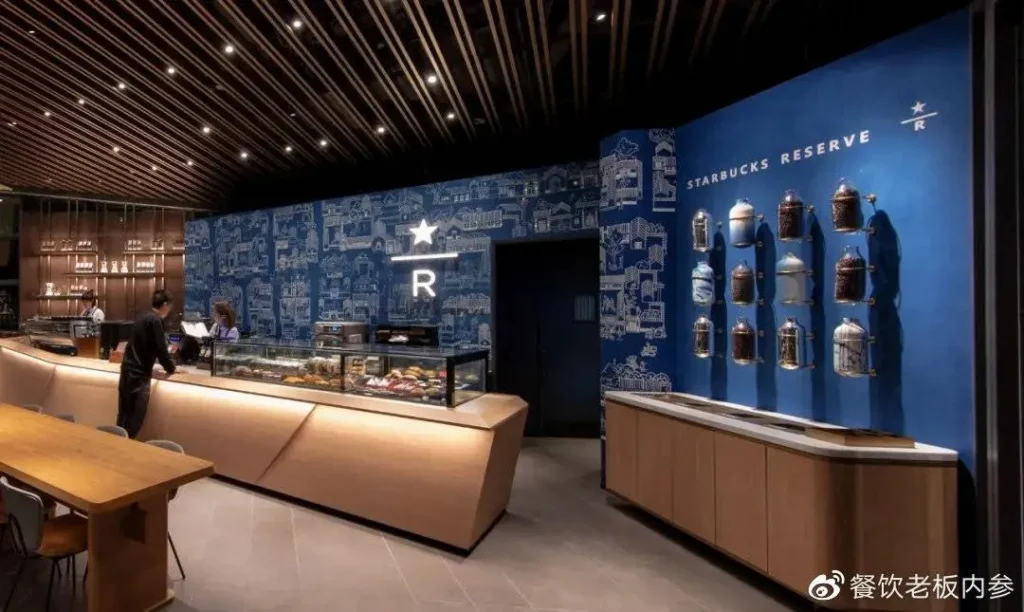
Cultural confidence now shows up in sharper, more layered forms of consumption rooted in local meaning and modern expression.
Cultural Confidence With More Depth
Guochao has moved into a more mature phase. Consumers now want products that express heritage, region, and identity with greater depth and better design.
The appeal no longer rests on national symbolism alone. It rests on stronger storytelling, more specific local reference points, and better execution.
Heritage, Region, and Modern Expression
Regional ingredients, city identity, museum connections, intangible cultural heritage, and craft traditions all add power when they are handled with care.
A Yunnan ingredient, a Miao silver craft reference, or a city-specific cultural code can create a richer connection when the product quality supports the story. Consumers want old and new to meet in a credible way.
What Winning Looks Like
The strongest brands treat Chinese culture as a living collaborator. They work with artisans, museums, heritage institutions, regional stories, and time-honored brands in ways that feel sustained rather than decorative.
That is why Guochao 3.0 matters so much. It shows that cultural meaning has become a serious source of differentiation, trust, and demand.
What These Consumer Trends in China Mean for Brands
These shifts point to a market that still wants progress, pleasure, and aspiration, yet demands better reasons for every purchase. Chinese consumers reward proof, usefulness, emotional value, design quality, and cultural intelligence. They are harder to persuade than before, though they remain willing to spend when a brand speaks clearly to how they now live.
For global brands, the message is practical. Win trust through substance. Make technology feel helpful. Give consumers emotional return, not empty storytelling. Respect the power of community review. Build continuity across channels. Treat culture with depth and care.
For leaders tracking consumer trends in China, the larger lesson is simple. China still shows where modern demand is heading, and it does so with unusual speed and clarity.
Want to Turn China Consumer Shifts Into a Smarter Growth Strategy?

If your team is trying to make sense of consumer trends in China, Ashley Dudarenok can help you turn fast-moving signals into clear strategic action.
As the founder of ChoZan and one of the world’s most trusted experts on China innovation and digital transformation, Ashley helps leadership teams understand how changing consumer behavior, retail ecosystems, AI adoption, and cultural shifts are reshaping growth.
Her keynotes and advisory sessions translate complex market change into practical direction for brand strategy, customer experience, product positioning, and go-to-market planning.
Book a session with Ashley to see how China’s next wave of demand can inform your next move.
FAQs About Latest Chinese Consumer Trends
Below are some of the most common questions our clients ask while researching consumer trends:
What are the biggest consumer trends in China in 2026?
The biggest consumer trends in China include selective spending, AI-mediated discovery, targeted wellness, green pragmatism, deeper trust, and stronger cultural confidence across everyday consumption.
How are Chinese consumer trends changing brand strategy?
Chinese consumer trends now reward proof, clarity, and relevance. Brands need sharper positioning, stronger trust building, and offers that deliver practical value plus emotional return.
What does cautious transformation mean in China?
Cautious transformation means consumers are more careful, not disengaged. They cut low-meaning purchases, protect important categories, and spend more deliberately across retail, wellness, and experiences.
Why are consumers in China buying less but better?
Many consumers now prefer fewer purchases with clearer value. This shift reflects value discipline, longer decision cycles, and stronger demand for durability, function, and trust.
How is AI changing consumer behavior in China?
AI-mediated discovery is reshaping consumer behavior through smarter search, recommendations, planning, and service. People now expect faster decisions and more responsive retail journeys.
What is proof-based purchasing in China?
Proof-based purchasing means consumers want evidence before paying more. Reviews, ingredients, testing, transparency, and peer validation now shape how brands earn consideration and trust.
What is green pragmatism in Chinese consumer trends?
Green pragmatism means sustainable choices must also feel useful and economical. Consumers support lower waste, refill systems, and efficient products when performance and value stay strong.
What is insiderism in Chinese consumer behavior?
In Chinese consumer behavior, insiderism means people buy like informed category experts. They study details, follow niche communities, and trust knowledgeable peers more than broad advertising.
Are China’s consumer spending trends from 2025 still relevant in 2026?
China consumer spending trends 2025 still matter as context, though 2026 shows stronger selectivity. The core shift is disciplined spending paired with softer consumer confidence.
How does emotional value influence purchasing decisions in China?
Emotional value influences purchasing because consumers still defend what feels meaningful. Travel, wellness, small treats, and restorative experiences survive scrutiny when they improve daily life.
How are demand shifts changing China’s retail trends?
Demand shifts are changing China’s retail trends by moving growth toward wellness, travel, beauty, smart retail, and culture-led consumption instead of broad, undifferentiated spending.