

In ChoZan’s latest report, Top 12 China Consumer Trends in 2026, one shift stands out with unusual clarity: Chinese consumers are no longer impressed by upgrading for its own sake. They still want products that improve everyday life, but they are far more disciplined about what deserves a premium.
Across fashion, tech, home, and everyday categories, the question is no longer whether something looks more premium. It is whether it is demonstrably better.
That is why quality over quantity has become such a defining force in China. Consumers are buying fewer things, holding on to products for longer, and trading up only when the case is easy to defend through durability, safety, design integrity, or visible performance gains.
In this market, premium is still alive, but it has to be earned.
Less but Better: Pay Only for High Quality Goods
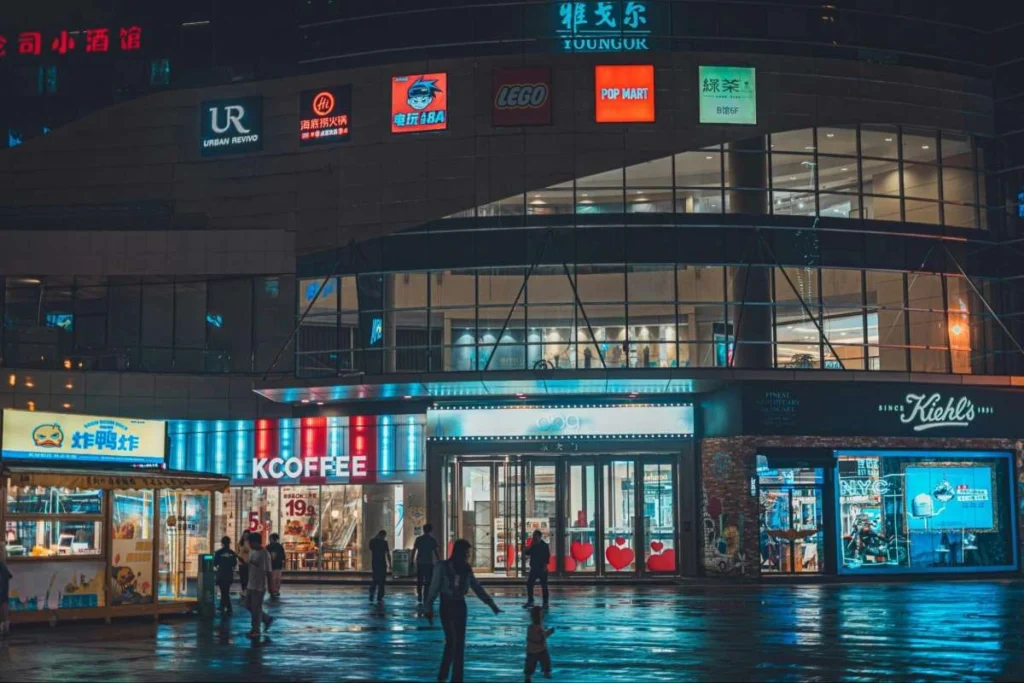
What matters here is the shift in mindset. People are not giving up on improvement. They are becoming far more deliberate about what deserves a place in their lives.
Smart Upgrading Has Replaced Upgrade Fever
For years, many categories benefited from fast replacement and constant novelty. That logic is losing strength. Chinese shoppers are moving away from automatic upgrading and toward targeted improvement. They are thinking harder about what they already own, what still works, and what would genuinely make daily life better.
Quality Over Quantity Now Means Purchase Justification
The real quality over quantity meaning in China is not moral simplicity or minimalism for its own sake. It is a purchase justification. Consumers want a clear answer to a simple question: why does this item deserve more of my money than the alternative?
That mindset creates room for selective premiumization. People still trade up, though they do so more selectively. They are willing to spend on material quality, design integrity, safety, and performance reassurance when those qualities can be felt in everyday use.
At the same time, price sensitivity remains very real. When the improvement is vague, many shoppers step back to a mid-range option that feels safer and more sensible.
Premium Claims Only Work When Proof Is Visible
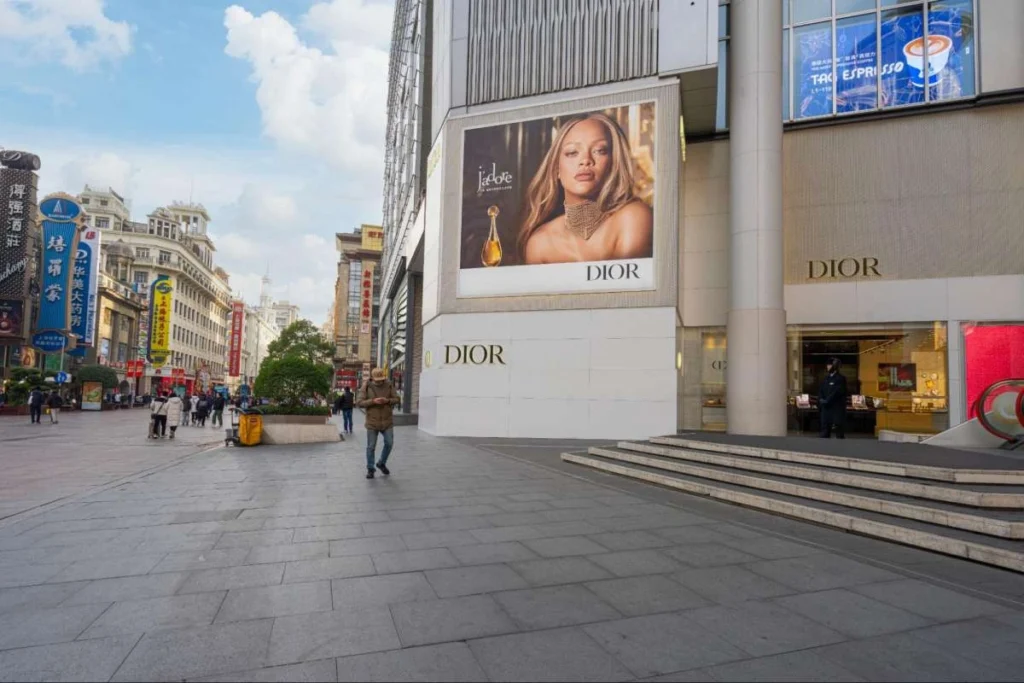
The brands that win in this environment are the ones that remove doubt. Premium positioning alone is no longer enough. Consumers want evidence.
Durability and Reliability Make Higher Prices Easier to Accept
One reason quality better than quantity resonates so strongly in China is that durable products spread the cost over time. A better appliance, a better chair, a better coat, or a better skincare formula can feel more economical than a cheaper option that disappoints quickly.
That is why durability has become such an important purchase trigger. Consumers are increasingly focused on products that feel built to last and perform consistently.
This is not only about saving money. It is also about reducing regret. In a cautious spending climate, nobody wants to pay twice for the same need.
Trust Signals Shape Perceived Value
Trust has become part of the product itself. Reviews, testing reports, certifications, ingredient disclosure, material disclosure, and honest claims all help people judge if a premium is credible.
In other words, perceived value is no longer created by image alone. It is created by trust signals that help consumers believe the product will deliver.
This is a major shift for brands that once relied on aura, broad messaging, or prestige cues.
Chinese shoppers now research deeply and compare carefully. A premium product needs support from product proof, not just polished storytelling. That is why transparency matters so much. The more informed the shopper becomes, the more visible proof needs to be.
Visible Superiority Is What Unlocks Extra Spend
The strongest brands in this market do not merely say they are better. They show it. Side-by-side comparisons, clear specifications, testing data, before and after demonstrations, and strong after-sales logic all help a consumer see why the higher price exists.
Visible superiority matters because it shortens the mental distance between price and benefit. It turns a premium from an abstract claim into something concrete. Once that happens, a higher price can feel justified. When it does not happen, the premium feels fragile.
The Search for Value Is Reshaping Categories Across China
This shift is already showing up in real category behavior, which is why the lesson matters well beyond one product segment.
Fashion Is Moving Toward Smarter Curation

In fashion, consumers are becoming more selective about what they add to their wardrobes. The appeal of constant accumulation is weaker than it once was.
Instead, people are looking for pieces with stronger quality, more versatility, and longer relevance. Material quality and design integrity matter more when shoppers want fewer mistakes and more confidence in each purchase.
Tech Upgrades Must Feel Meaningfully Better
In tech and durable goods, longer replacement cycles are becoming normal. Consumers still love innovation, though they are less willing to pay for marginal improvements.
A new device needs to offer a clear leap in usefulness, performance, or experience. Incremental change no longer carries the same persuasive power.
This is an important signal for brands. Innovation still matters, yet the market now rewards meaningful innovation over constant refresh. The product story has to make the gain obvious, practical, and easy to explain.
Better Value Channels Are Gaining Ground
Outlets, warehouse clubs, membership clubs, off-price retailers, and discount chains are gaining ground in China. That does not mean consumers are simply chasing lower prices. It means they are looking for branded, higher-quality products that offer stronger value for money.
This is a crucial distinction. Chinese consumers are not moving from quality to quantity over quality. They are searching for quality with stronger price logic. The growth of these formats reflects disciplined demand, not a loss of standards.
Brands Must Earn the Right to Charge More
The strategic takeaway is simple. Brands cannot assume their premium. They have to earn it in product, communication, and range architecture.
Build Quality That People Can Feel in Daily Life
The strongest response starts with the product itself. Better materials, stronger construction, safer ingredients, more thoughtful design, and better performance in real use are what make a premium believable. A consumer should be able to feel the difference without needing a brand manifesto to explain it.
Make Proof Easy to See
Once the product is strong, the next job is clarity. Shoppers need help seeing why one offer outperforms another. Third-party tests, transparent detail pages, side-by-side comparisons, expert validation, and real user evidence all reduce friction. They turn trust into action.
Remove the Grey Middle
Many brands now sit in a vulnerable space where they are neither the clearest value option nor the clearest premium option. That middle is getting harder to defend.
In a value-for-value era, each step in a product range has to feel distinct. Consumers need to understand why the entry tier is smart, why the mid tier is worthwhile, and why the premium tier deserves extra spend.
Quality over quantity will keep shaping Chinese consumer demand because it matches the mood of the market. People still want better lives, better products, and better experiences. They are simply asking for stronger reasons before they pay more.
For brands, that is a challenge, though it is also a major opportunity. The companies that combine real quality with visible proof will keep the right to charge more in China.
Work With Ashley Dudarenok to Win in China’s Quality Over Quantity Market

Chinese consumers still pay more when the upgrade is clear, credible, and easy to justify. In a market shaped by quality over quantity, brands need sharper product proof, stronger trust signals, and a clearer value story at every price tier.
Ashley Dudarenok helps leadership teams understand how Chinese consumers evaluate high-quality goods, where selective premiumization is still working, and what brands must do to earn the right to charge more.
Book Ashley for a keynote session to turn changing consumer expectations into a stronger product, retail, and growth strategy.
FAQs About China’s Less but Better Consumer Shift
Below are key questions that help explain how China’s less but better mindset is reshaping premium demand, product expectations, and brand strategy.
Why Are Chinese Consumers Choosing Quality Over Quantity in 2026?
Because households are more selective. Chinese consumers still want better products, but they now demand stronger trust signals and clearer value for money before trading up.
Why Do Chinese Shoppers Pay More for High Quality Goods Only When There Is Proof?
Because higher prices need justification. Chinese shoppers pay more for high-quality goods when performance, materials, safety, or design advantages are easy to see and trust.
How Do Trust Signals Influence Perceived Value in China?
Strong trust signals raise perceived value by reducing doubt. When consumers see transparency, reviews, and evidence, they feel more confident that a higher price is deserved.
Why Are Durability and Material Quality Becoming More Important in China?
Because durability and material quality lower regret over time. Consumers want products that last longer, perform consistently, and make every purchase feel easier to justify.
Is Quality Better Than Quantity the New Rule for Chinese Consumer Demand?
In many categories, yes. Quality over quantity now reflects a more disciplined mindset where Chinese consumers prefer fewer mistakes, clearer benefits, and smarter long-term spending.
Are Chinese Consumers Becoming More Focused on Value for Money Than Premium Image?
Yes, though premium still matters. Value for money now carries more weight than image alone, so brands must prove why a premium genuinely improves daily life.
What Is Selective Premiumization in China?
Selective premiumization means consumers trade up only in products that show obvious superiority. They still spend more, but only where the upgrade feels useful and defensible.
Why Do Consumers Choose a Mid-Range Option When Premium Brands Lack Proof?
They choose the safer option when claims feel weak. Without proof, a premium looks risky, so the mid-range option feels more sensible and easier to defend.
How Is Quality Over Quantity Affecting Fashion and Tech Purchases in China?
In fashion and tech, quality over quantity means smaller wardrobes and longer device cycles. Shoppers upgrade less often and expect stronger quality, versatility, and performance reassurance.