
Chinese skincare has moved decisively beyond the “affordable alternative” label. In 2025, domestic Chinese skincare brands dominate Tmall’s top 10 beauty rankings, with several surpassing international competitors in both revenue and consumer trust.
The shift reflects systematic investment in dermatological research, biotechnology, and ingredient transparency—not merely packaging upgrades. Here are the 20 brands defining this transformation, organized by their core strength.
Why Chinese Skincare is Entering a More Serious Phase
Reuters reported in November 2025 that domestic brands were taking a larger share of China’s $75 billion beauty and personal care market. L’Oréal’s investments in CHANDO and LAN validate strategic interest in local capabilities, though investment does not prove product superiority.
The NMPA’s 2025 reform supports ingredient innovation and dedicated pathways for new efficacy claims within a safety and quality framework. Science can become a stronger commercial asset, but brands still need defensible testing and accurate claims.
Four models frame the 20 brands below. Scale leaders turn anti-aging or brightening into product systems. Dermatological labels focus on sensitive skin and barrier repair. Biotech firms commercialize collagen, hyaluronic acid, and other actives. Botanical brands seek proprietary value in Chinese plants and facial oils.
Selection favors a distinct specialty, current operating evidence, commercial relevance, and a defensible research or ingredient model. “Best” therefore means strategically significant within C-Beauty, not universally superior. Finished-formula suitability and performance still require product-level review.
Scaled Efficacy and Mass-Market Leaders
1. PROYA
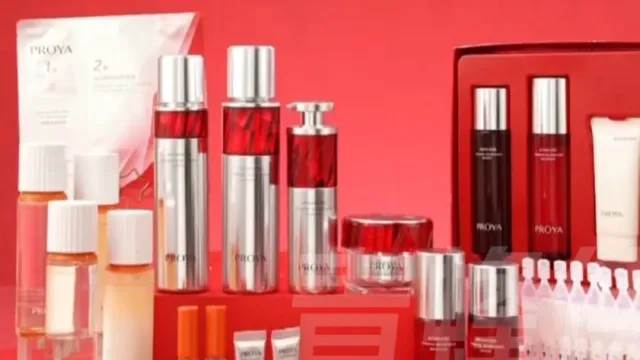
PROYA has executed China’s most aggressive cosmetics R&D expansion, establishing the PROYA European Innovation Center in Paris (2024) and a Shanghai research hub focused on peptide delivery systems.
The brand’s 2025 “CycloPeptide” technology achieves 12-hour time-release of anti-aging actives. PROYA’s market cap surpassed RMB 50 billion ($7.39 billion) in Q1 2025, reflecting investor confidence in its science-first strategy.
PROYA’s 2025 sustainability report describes R&D across Hangzhou, Shanghai, and Europe, plus self-developed botanical materials. Its advantage is the ability to turn research into broad anti-aging platforms at national scale.
2. KANS
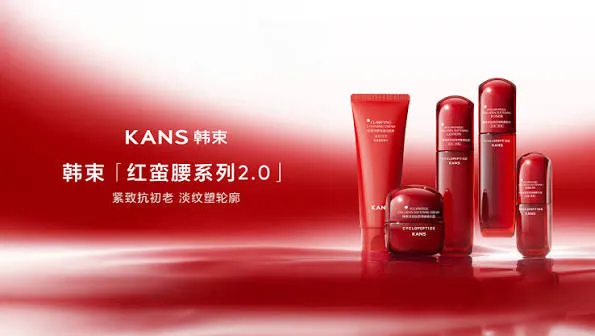
KANS represents the convergence of pharmaceutical-grade manufacturing and skincare efficacy. The brand operates a GMP-certified facility producing best Chinese skin care products with active pharmaceutical ingredients.
Its 2025 product pipeline emphasizes peptide-based anti-aging formulations with stability data exceeding 36 months—a rarity in domestic Chinese skin care brands.
Parent Chicmax reported 2025 revenue of RMB7.36 billion ($1.09 billion), up 31.6 percent, evidence that a precise functional message can support mass scale.
3. CHANDO
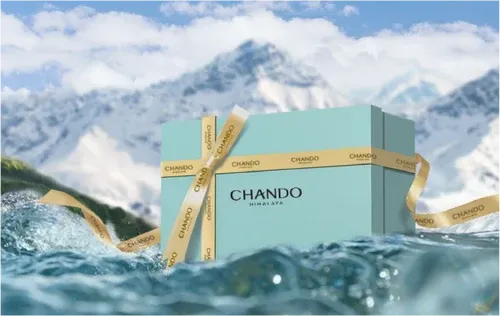
CHANDO sources Himalayan botanical actives through its high-altitude cultivation program in Tibet. The brand’s 2025 “Ice Complex” technology preserves thermolabile compounds from alpine plants, including Rhodiola rosea and Saussurea involucrata.
CHANDO operates the highest-altitude skincare R&D center globally (4,500 meters), giving it unique access to extremophile plant actives unavailable to competitors.
L’Oréal paid RMB442 million ($65.3 million) for 6.67 percent in 2025, placing clear value on CHANDO’s distribution and local product-development speed.
4. Pechoin
China’s oldest continuously operating skincare brand (founded 1931), Pechoin modernized its heritage formulation with cold-process extraction of 18 Chinese medicinal herbs.
The brand’s 2025 “Century Formula” series preserves the original 1930s base formula while adding modern preservation systems. Pechoin maintains leadership in mass-market Chinese skin care with distribution across 40,000+ retail points.
5. Marubi
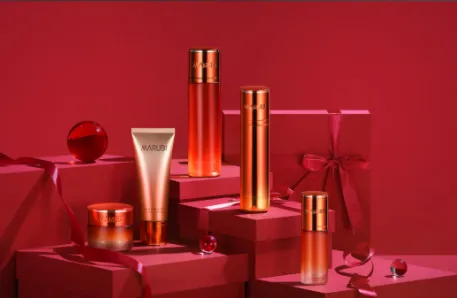
Marubi specializes in eye-area skincare, with 2025 “Elastin-3” technology targeting orbital fat prolapse through triple-patented peptide sequences.
The brand holds 37 active patents on peptide synthesis and delivery. Marubi’s partnership with Japan’s Nippon Fine Chemical enables precision peptide manufacturing at 99.7% purity—the highest of any China skincare brand.
Dermatological and Barrier-Repair Specialists
6. Winona
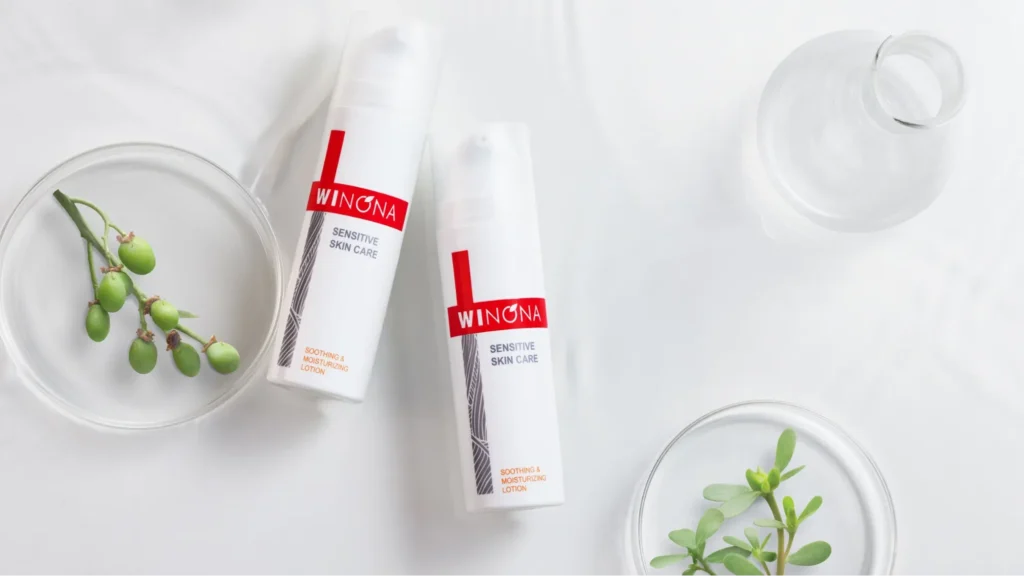
Winona leads Chinese skincare products for sensitive skin with clinical validation from 63 hospitals and over 300 dermatologists. The brand’s 2025 focus centers on barrier repair through Yunnan botanical extracts, particularly Poria cocos and Dianthus superbus.
Winona’s parent company, Botanee Bioengineering, reported 2024 revenue exceeding RMB 5.5 billion ($812 million), with international expansion accelerating across Southeast Asia and Europe through pharmacy channel partnerships.
7. Dr.Yu
Developed in collaboration with Shanghai Jiao Tong University’s School of Medicine, Dr. Yu pioneered the “skin barrier self-repair” concept in Chinese skincare products. The brand’s 2025 PSM (Physiological Skin Matrix) technology uses biomimetic lipid complexes that mimic healthy skin composition.
Dr. Yu maintains clinical documentation across 10+ dermatology centers, positioning itself as the pharmacy-preferred option for eczema and atopic dermatitis management.
8. Comfy
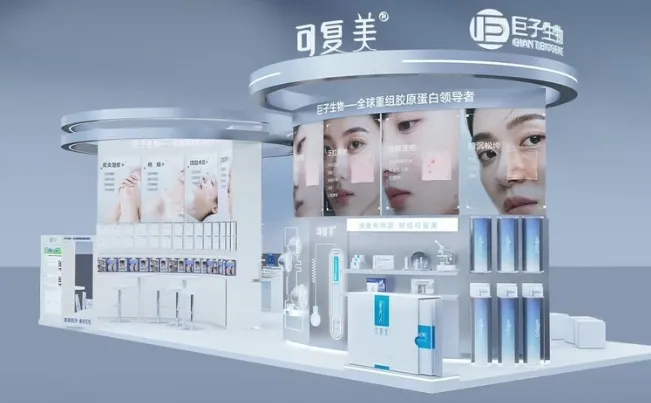
Comfy extends from medical dressings into five functional skincare series. Its 2025 Collagen Stick 2.0 uses proprietary recombinant type IV collagen and carries a trial report from West China Hospital’s Cosmetic Evaluation Center.
9. Collgene
Collgene applies recombinant collagen to anti-aging. First-half 2025 revenue reached RMB502.7 million, up 26.9 percent after a mask upgrade, showing how one biotech platform can support distinct sister brands.
10. Xiangxiang
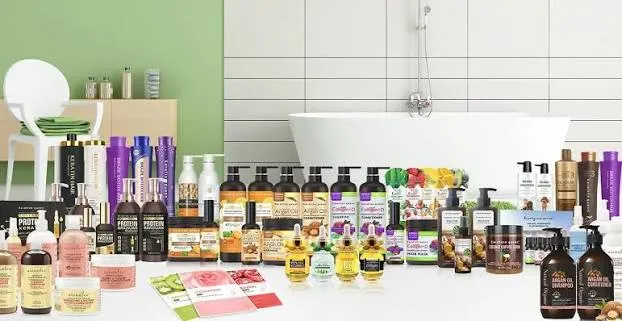
Xiangxiang democratizes Chinese skincare with formulation transparency previously limited to premium brands. Its 2025 “Full Disclosure” policy publishes raw material sources, batch-level purity certificates, and stability test data for every product.
The approach has attracted ingredient-savvy consumers willing to pay premium pricing for third-party verified formulations.
Active-Ingredient and Biotechnology Challengers
11. HBN
HBN pioneered “visible efficacy” in Chinese skincare brands by standardizing active ingredient percentages on product packaging. The brand’s 2025 A醇 (retinol) products use a proprietary encapsulation system that maintains stability at 3x the industry standard for temperature variation.
It built its name around retinol-led anti-aging. It presented three studies at the 2025 IFSCC Congress, including AI-led research on skin-aging patterns. Academic visibility helps, though product-level evidence still matters.
HBN’s ingredient transparency policy—publishing full ingredient percentages and clinical study summaries—has forced larger competitors to adopt similar disclosure practices.
12. HomeFacialPro
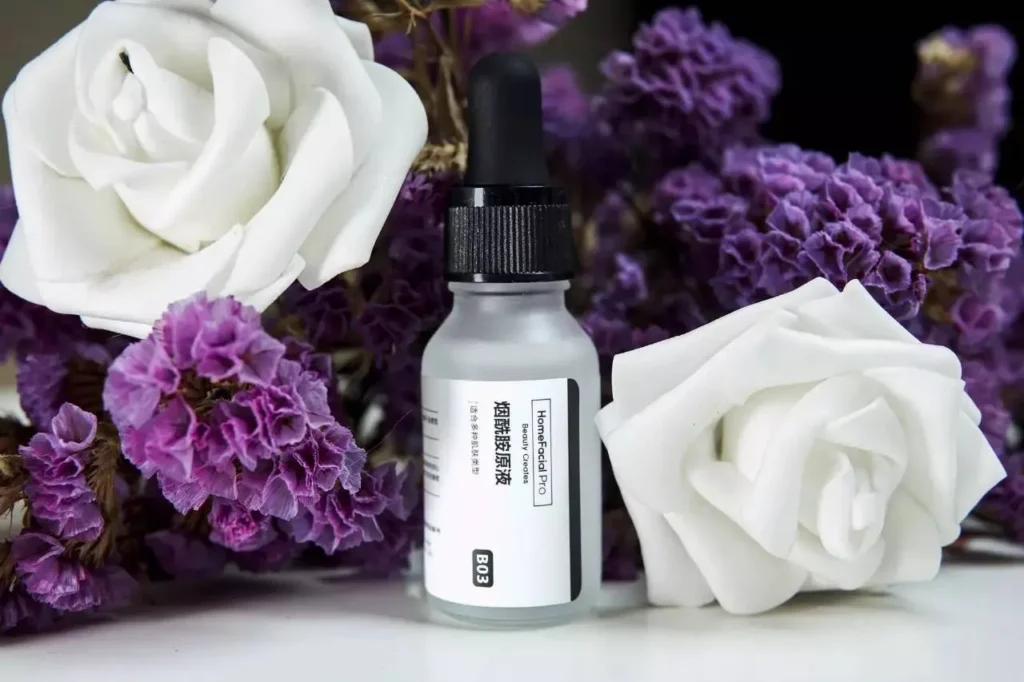
HFP introduced the “simple ingredient, high concentration” model to Chinese e-commerce, competing directly with The Ordinary. The brand’s 2025 “Serial Dilution” line offers 15 formulations of individual actives (niacinamide, tranexamic acid, vitamin C) at pharmaceutical-grade purity.
HFP’s Tmall flagship reports average repurchase rates exceeding 45%, indicating strong functional loyalty among educated consumers. It expanded its acid range in 2025 and discloses laboratories for efficacy evaluation, molecular biology, protein analysis, and stability testing.
13. Biohyalux
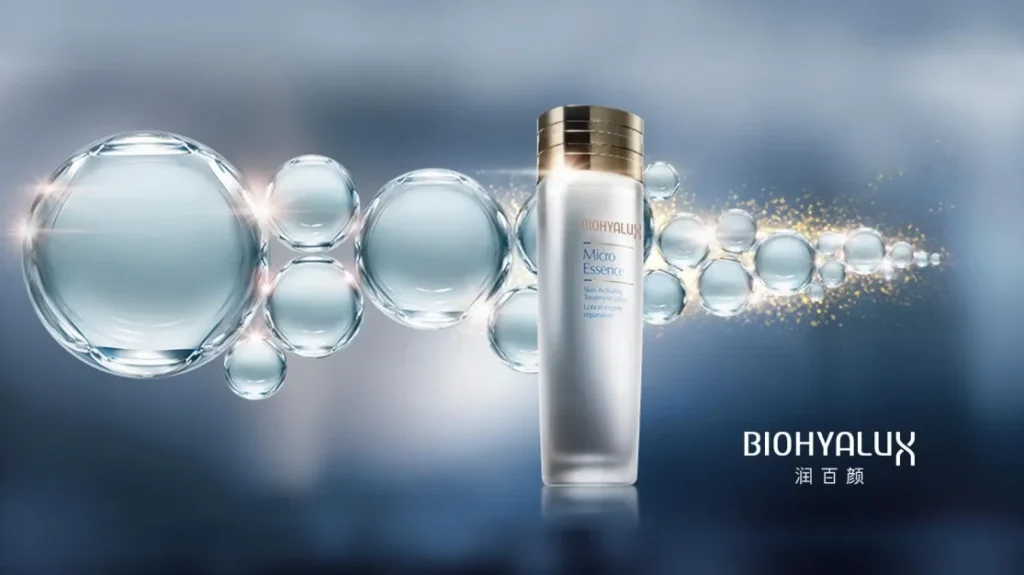
As a subsidiary of Bloomage Biotechnology, the world’s largest hyaluronic acid producer, BIOHYALUX supplies raw materials to half the global skincare industry. The brand’s 2025 “Molecular Size Precision” technology delivers hyaluronic acid at five molecular weights for layered skin penetration.
BIOHYALUX leads the medical aesthetics post-procedure recovery segment among top Chinese skincare brands, with formulations used in 4,000+ Chinese dermatology clinics.
14. UNISKIN
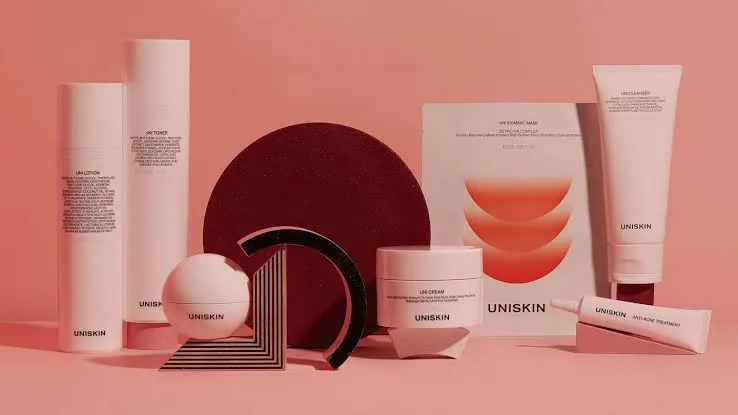
UNISKIN is doctor-founded and frames anti-aging through integrative dermatology. Distribution across Tmall, Douyin, Xiaohongshu, Sephora, Lane Crawford, and a Shanghai clinic connects science content with premium retail and services.
15. Guyu, or Grain Rain
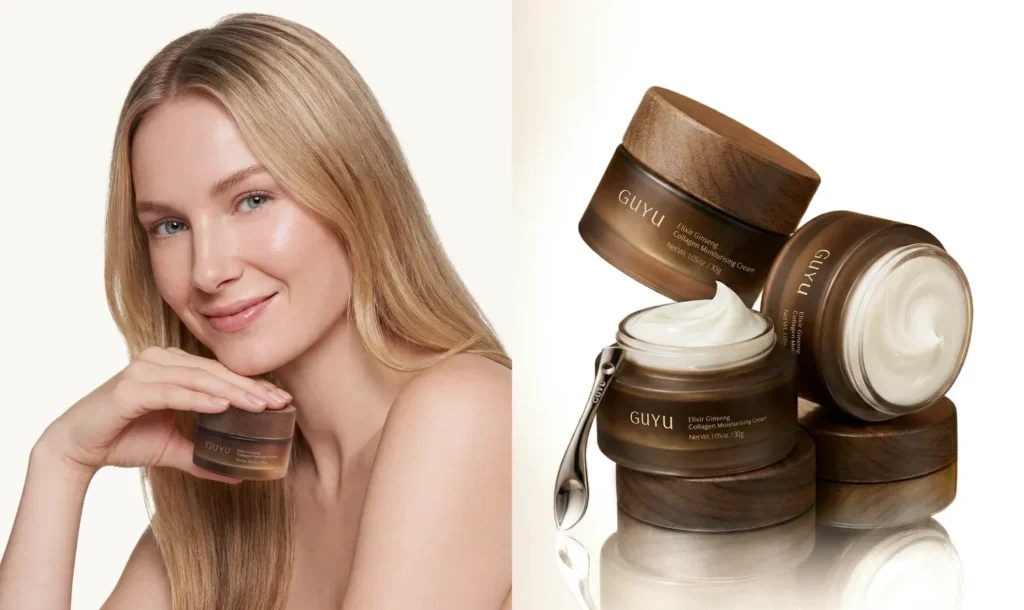
Guyu specializes in white tea fermentation technology, with a 2025 patent for “Aged White Tea Ferment” that yields EGCG (epigallocatechin gallate) concentrations 4x higher than standard green tea extracts.
The brand’s ingredient research collaborates with Fujian Agriculture and Forestry University’s Tea Science department, bridging agriculture and cosmetics R&D.
Botanical, Facial-Oil, and Heritage Specialists
16. Herborist
Herborist commercializes Traditional Chinese Medicine (TCM) ingredients through modern extraction technology. The brand’s 2025 “INCI-TCM” standard maps ancient formulas to INCI (International Nomenclature of Cosmetic Ingredients) nomenclature, enabling global regulatory compliance.
Key ingredients include Paeonia lactiflora (white peony) for brightening and Panax ginseng for anti-aging.
17. Lin Qingxuan, or Forest Cabin
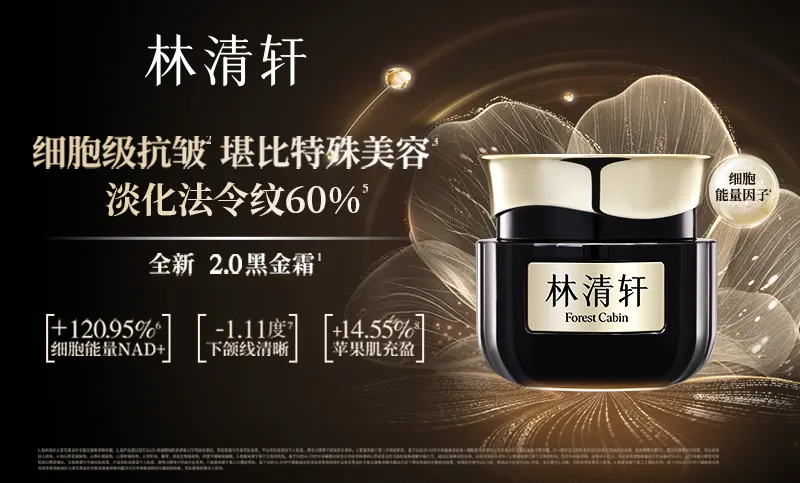
Lin Qingxuan built its premium positioning around Chinese camellia oil, sourcing from 4,000-year-old camellia trees in China’s Jiangxi Province. The brand’s 2025 “Camellia Cellular Repair” complex uses pressurized extraction to preserve oleic acid and polyphenols at concentrations 2x higher than conventional cold-pressing.
Its hero oil supplied 45.5% of first-half 2025 revenue and carried an 86.2% gross margin, showing both pricing power and concentration risk.
The brand operates 400+ standalone stores across tier-1 Chinese cities and competes with La Mer in the RMB 800+ price bracket.
18. LAN
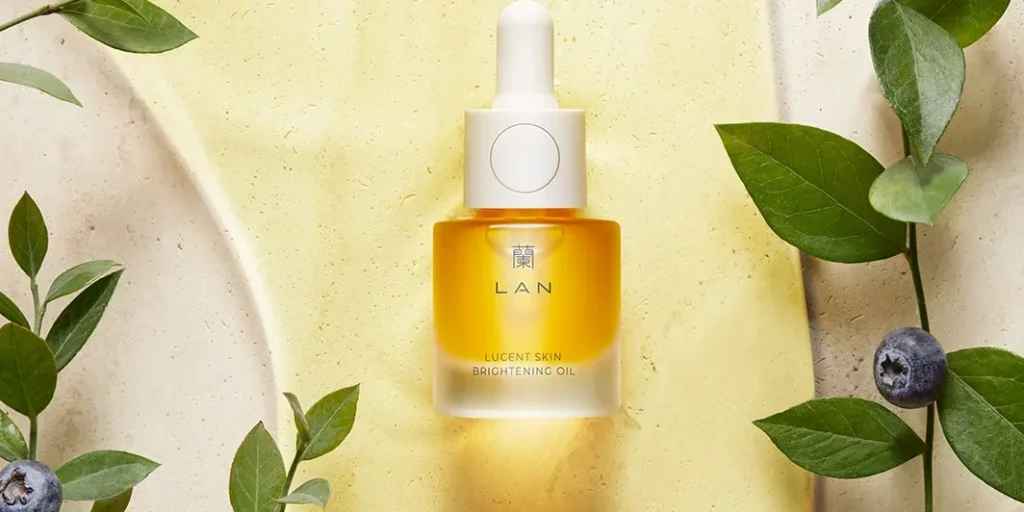
LAN centers oil-based skincare and natural ingredients. L’Oréal acquired a minority stake in November 2025, signaling multinational interest in facial oil and a lower-risk route into local C-Beauty development.
19. Inoherb
Inoherb combines TCM philosophy with ISO-certified botanical extraction. The brand’s 2025 “Wild Harvest Traceability” program tracks 22 botanical ingredients from harvest to finished product using blockchain verification.
It organizes care around rhodiola, camellia, willow bark, and gentian for dullness, aging, oiliness, and sensitivity. It converts Chinese botanical knowledge into concern-specific systems.
Inoherb’s academic partnerships include the Chinese Academy of Sciences’ Institute of Botany, validating ingredient efficacy through standardized testing protocols.
20. Zhuben
Zhuben specializes in emulsification technology for cleansing oils, with a 2025 patent for “Micro-Emulsion Cleansing” achieving 99.8% makeup removal while preserving skin barrier function.
The brand’s formulas exclude PEG surfactants and use plant-derived emulsifiers from 11 botanical sources. Zhuben’s Douyin (TikTok China) beauty sales exceeded RMB 300 million in 2024, driven by technical demonstration content alone.
Beijing News reported product removals in June 2025 and raised questions about filings, ingredients, and promotional claims.
How to Choose Among Chinese Skincare Products
Shortlist the best Chinese skincare products by skin concern, evidence, and access. A search for the best Chinese skincare products should test four points:
- What exact concern does the formula address?
- What type of evidence supports the claim?
- Can you verify the company, filing, batch, seller, and ingredient list?
- Does the formula fit your routine and tolerance?
Xiaohongshu or Douyin can reveal interest and usage patterns. Social proof cannot replace registration, formulation review, or medical advice for persistent skin problems.
Strategic Takeaway
The strongest Chinese skincare signal comes from systems, rather than one ingredient or platform. Durable brands will convert research into repeatable products, limit dependence on one hero SKU, and carry credible evidence across Xiaohongshu, Douyin, Tmall, and physical retail.
C-Beauty now offers a benchmark for combining local ingredient IP, rapid consumer feedback, precise category ownership, and culturally relevant branding. Attention starts the cycle. Trust, repeat purchase, margin, and responsible global expansion determine its value.
Apply China’s Beauty Lessons with Ashley Dudarenok
The next wave of Chinese skin care shows how consumer behavior, cultural branding, product science, and platform feedback now work as one commercial system.
Ashley Dudarenok helps teams interpret these signals through China market intelligence, advisory, executive education, keynotes, workshops, and learning expeditions.
Book a consultation to examine what C-Beauty’s trust models and global ambitions mean for your brand.
FAQs
1. What is Chinese skin care?
Chinese skin care covers skincare brands and products developed in China. Current C-Beauty spans dermatological formulas, biotech actives, botanical traditions, mass-market routines, and premium oils, with brands competing on evidence, ingredients, value, and cultural relevance.
2. What are good Chinese skincare brands for sensitive skin?
Winona and Dr.Yu specialize in sensitive-skin and barrier-repair care, while newpage focuses on younger skin. Product suitability still depends on the formula, your condition, and professional advice for persistent redness, itching, or dermatitis.
3. Are Chinese skincare products safe?
Safety depends on the individual formula, manufacturing controls, storage, and seller authenticity, rather than the brand’s country of origin. Check the ingredient list, Chinese registration or filing information, expiry details, and patch-test instructions before use.
4. Where can I buy authentic Chinese skin care products?
Use official brand stores on Tmall, JD, Douyin, or verified overseas retailers named by the brand. Match the seller, batch code, packaging, and return policy against official channels, since marketplace availability does not prove authorization.
5. How is C-Beauty different from K-Beauty?
C-Beauty is defined by Chinese brands, consumer needs, retail systems, and research resources. Its current strengths include sensitive-skin care, recombinant collagen, hyaluronic acid, Chinese botanicals, and rapid social-commerce testing. K-Beauty developed through a different national ecosystem.
6. Which ingredients are common in Chinese skincare?
Common territories include hyaluronic acid, peptides, ceramides, retinoids, recombinant collagen, camellia oil, licorice-derived brightening actives, rhodiola, and gentian. Presence alone proves little, so compare concentration disclosure, testing method, delivery system, and complete formula.
7. Are the best Chinese skincare products expensive?
No. Price reflects positioning, packaging, channel costs, ingredients, and margin as much as performance. Affordable functional brands and premium facial-oil labels can both be credible, but evidence quality and formula suitability matter more than price.
8. Do Chinese skincare brands use Traditional Chinese Medicine ingredients?
Some brands use botanicals associated with Chinese herbal traditions, while others rely mainly on global actives or biotechnology. A cultural ingredient story does not establish efficacy; look for standardized extracts, safety data, formula testing, and claim support.
9. How can I verify China skin care products before purchase?
Start with the brand’s official store or website, then check the manufacturer, filing or registration details, ingredient list, batch code, and customer-service contact. Avoid listings that hide the responsible company, product label, or complete INCI.
10. Are Chinese skin care brands expanding outside China?
Some are, but progress varies by brand and market. Overseas growth can come through cross-border commerce, local retailers, distributors, investment, or acquisitions. International availability does not confirm broad market success, so assess each country separately.