
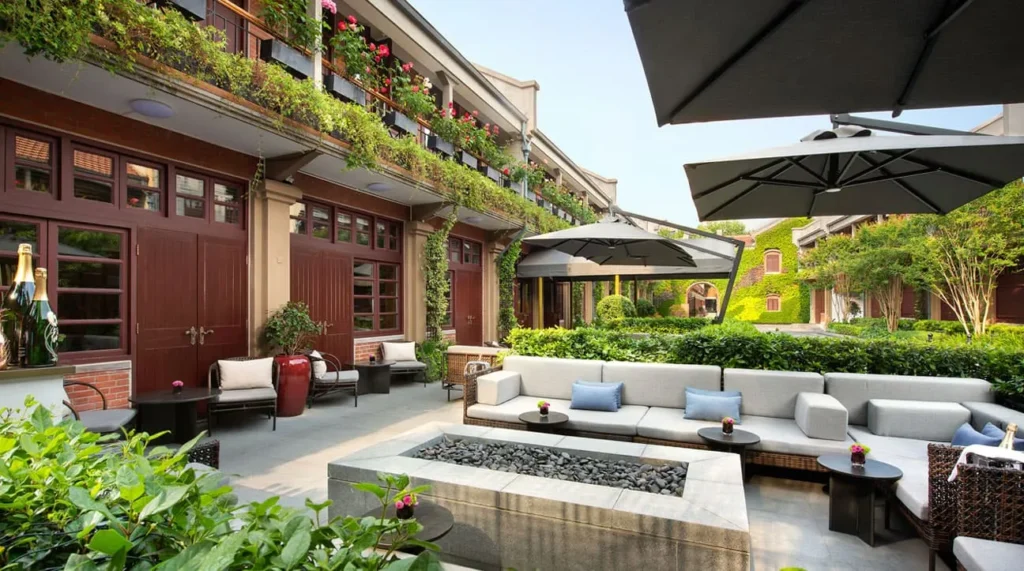
Capella Shanghai is a 55-villa luxury hotel at 480 West Jianguo Road in Xuhui. Its defining appeal combines shikumen lane-house architecture, private living spaces, cultural experiences and French dining.
The property offers a useful case in place-based branding. Shanghai heritage determines how guests stay, what staff help them discover and how the hotel connects with its neighborhood. Accommodation, dining and longer-stay residences give the same historic estate several commercial uses.
What Makes Capella Shanghai Distinctive?
Luxury Design at Domestic Scale
Capella traces the villas to the 1930s. Their architecture anchors the stay in Shanghai’s residential history.
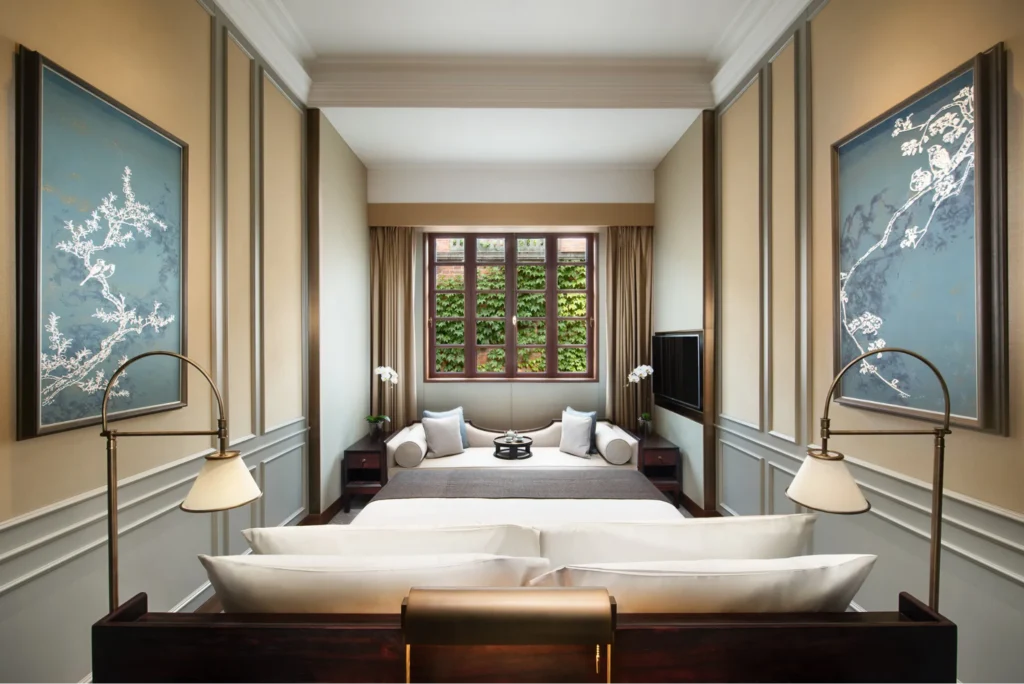
The hotel describes one- to three-bedroom villas starting at 111 square meters. Private courtyards, parlors and entertainment rooms divide the accommodation into spaces for different activities. Guests can receive visitors or relax separately from the bedroom.
Jaya Ibrahim and his team combined Chinese design references with French-inspired furnishings. Outside, brickwork and horse-head gables retain the visual identity of Shanghai’s shikumen architecture. Inside, the domestic layout makes privacy a physical feature of the stay.
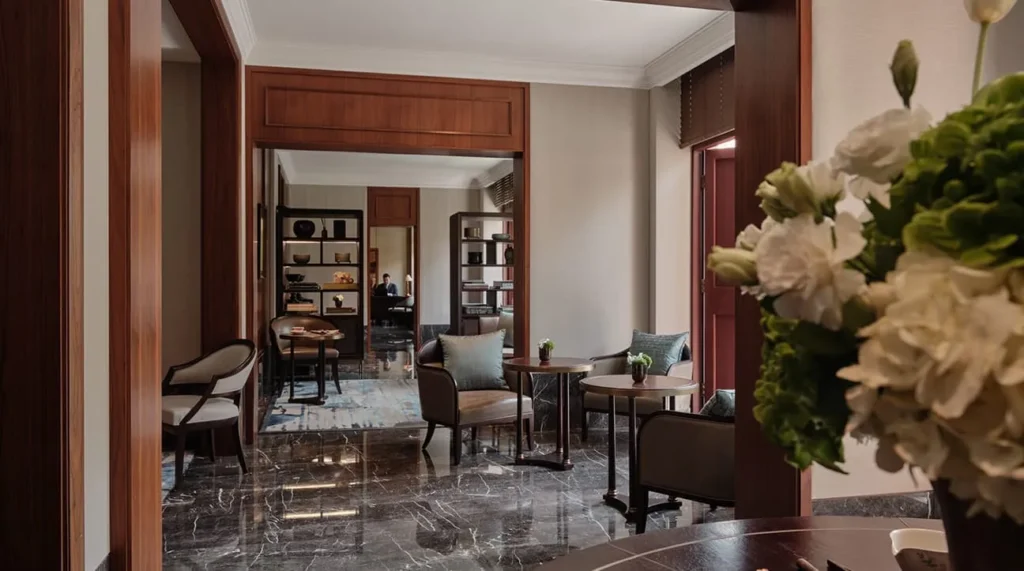
The Living Room adds a shared space reserved for hotel guests, with Chinese and European books, tea and refreshments. This gives the villa format a useful social dimension: guests can choose company while keeping their own accommodation separate.
The preservation story also requires precision. Xufang Group’s project description records repair and reconstruction, reuse of original materials, and retention of lane patterns and facades. This is adaptive reuse with substantial intervention. The present hotel reflects both inherited architecture and decisions about contemporary comfort.
Local Culture Becomes a Service
The hotel’s Capella Culturists arrange neighborhood explorations and recommend Shanghai food and cultural experiences. Their role gives guests access to local knowledge through a named service team.
The current experience program includes morning reading, the Shikumen Soirée, Chinese tea, Shanghainese snacks and workshops in neighborhood boutiques. These activities give cultural preservation a practical place in the itinerary.
The commercial interpretation is straightforward: guests need help choosing and arranging meaningful local experiences. Staff turn a broad promise of cultural immersion into specific activities, with the hotel handling coordination.
French Dining Has a Shanghai Connection
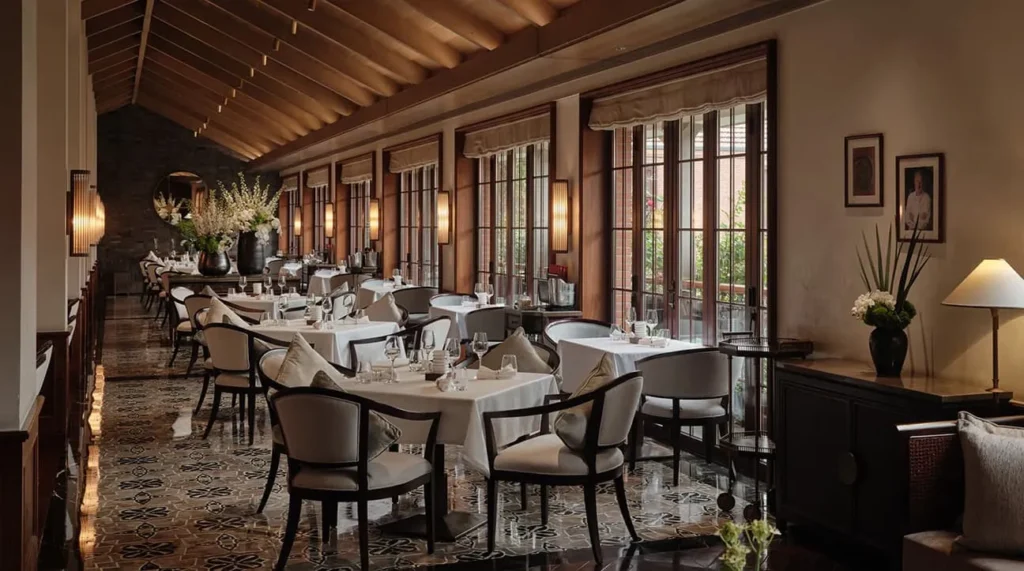
Le Comptoir de Pierre Gagnaire extends the property’s French references into food. MICHELIN’s assessment highlights French cooking that incorporates Chinese produce, including Fujian sea bream.
The hotel’s dining portfolio also includes La Boulangerie, Le Bar and La Terrace. A restaurant meal, pastry stop and drink offer different occasions to encounter the property. That creates a broader customer proposition than an overnight reservation alone.
The awards describe separate achievements. Le Comptoir holds one MICHELIN star, while Capella Shanghai, Jian Ye Li retained two MICHELIN Keys in the 2026 selection after first receiving two Keys in 2025. Restaurant recognition assesses dining; Keys assess the hotel experience.
The Business Behind Capella Shanghai Jian Ye Li
Capella Hotel Group identifies itself as a wholly owned subsidiary of Pontiac Land. That disclosure establishes the hospitality group’s ownership. The local development relationship concerns the Shanghai property.
The estate combines hotel villas, 40 serviced residences and street-facing commercial space. The residences accept rentals from 30 days, giving the brand a role in extended stays. The hotel also lists approximately 140 square meters of meeting space, with catering from its signature restaurant.
These uses serve different timeframes and purposes. A short leisure stay, temporary home and private meeting can share the estate’s setting and hospitality services. This is the business logic behind the mix; public sources reviewed do not establish its profitability or revenue split.
The property also appears in The Leading Hotels of the World’s collection, providing a reservation channel alongside the hotel’s own website. Distribution adds another relationship to the development and management structure.
What the Property Reveals About Luxury Demand in China
In a March 2025 SpaChina interview, the hotel’s general manager identified couples, families, business travelers and culture enthusiasts among its customers. He described privacy as important and said Culturists begin learning guests’ interests from the reservation stage.
His account explains the service choices. Separate living spaces can suit guests who value personal space. Advance conversations allow staff to plan around food, art or neighborhood interests. Families need activities that engage children alongside accommodation that works for adults.
For businesses studying Chinese luxury consumers, the useful lesson concerns specificity. A broad label such as “luxury traveler” conceals different requirements for time, space and assistance. These observations describe one operator’s customer segment in China; they cannot establish preferences across the whole market.
Capella Jian Ye Li’s appeal rests on how closely its service can fit those individual requirements. Personalization requires staff knowledge and preparation, with clear responsibility for the guest’s plans.
Its Role in Shanghai’s Visitor Economy

The hotel’s economic connections become clearest at the neighborhood level. Paid accommodation, dining, and events keep a heritage estate in continued commercial use. Cultural partnerships create additional reasons to explore the surrounding district.
In May 2025, Shanghai’s government reported a temporary exhibition, “Searching for Tushanwan,” in the hotel’s library. It connected the property with Tushanwan’s wood-carving and cultural history. A 2026 Xuhui Culture and Tourism Bureau account confirms that the 2025 collaboration included exhibitions, videos and two cultural walking routes.
The mechanism matters: cultural institutions supply interpretation, while the hotel provides another setting through which visitors encounter it. An exhibition can become the starting point for a neighborhood visit.
The wider estate also accommodates retail activity. An October 2025 report from Jiefang Daily documented a street-facing Shuangmei beauty-brand pop-up at Jian Ye Li during the Fuxing Arts Festival.
That was an estate-level retail initiative. Together, these examples show how hospitality, culture and shopping can connect locally. The reports do not quantify additional hotel bookings, visitor spending or employment attributable to those activities.
The hotel also reported that inbound guests accounted for about one-third of its guests in the first half of 2025, up 51% year on year, according to its marketing communications director quoted by Shanghai media.”
Hospitality also connects with skills development. In July 2026, Shanghai Business School named the hotel among eight locations used for students’ rotating kitchen training. This gives future hospitality workers a setting in which to connect classroom learning with professional kitchen practice.
Jian Ye Li Shanghai: Who the Stay Suits

The property suits a visit centered on Xuhui’s historic streets, private accommodation, and time for dining or cultural activities. Its location keeps guests in the neighborhood, with a different itinerary than a waterfront stay.
The main practical trade-off is the villa layout. Forbes Travel Guide notes stairs between floors. Guests with mobility needs should ask about the exact bedroom and bathroom layout, step-free routes, and available assistance before selecting a villa.
The Lesson for Other Businesses
The transferable lesson is to make local identity useful throughout the customer experience. Architecture creates the setting; staff and partners make it accessible through activities and service.
This approach needs a credible connection to place, capable cultural partners and enough staff time to deliver individualized plans. A business can apply the principle when its location or history answers a real customer need. The quality of everyday delivery determines how convincingly that connection works.
Explore China’s Customer Experience With Ashley Dudarenok

Capella Shanghai raises a practical question: how can local culture shape a customer experience that people value? Ashley Dudarenok’s speaking topics cover Chinese consumers, customer journeys and the future of retail.
Contact Ashley’s team to discuss a tailored keynote exploring the implications for your business.
Frequently Asked Questions
What Is the Official Website for Capella Shanghai?
The official hotel page sits on capellahotels.com. It links to accommodation, dining and reservation services. Use the contact details published there to confirm a booking or verify an offer received through another website.
What Are the Check-In and Check-Out Times?
The MICHELIN booking page lists check-in at 3 p.m. and check-out at noon. Ask the hotel directly about early arrival or late departure, and confirm any charge or availability condition before relying on an exception.
Does the Hotel Have a Swimming Pool?
The official factsheet lists a vitality pool within Auriga Spa. Ask the spa about pool dimensions, access conditions and suitability for your plans, particularly if lap swimming or children’s swimming is important to your stay.
Are Vegetarian Meals Available?
Le Comptoir de Pierre Gagnaire publishes a vegetarian menu. Tell the restaurant about allergies, vegan requirements or other restrictions before reserving, so the team can confirm suitable dishes and any preparation limitations for your visit.
What Is the Restaurant’s Dress Code?
Le Comptoir de Pierre Gagnaire specifies smart casual. If you are arranging a celebration or attending a special dining event, check the booking confirmation for any additional instructions before deciding what to wear.
Does the Family Package Include Children’s Breakfast?
The Family Moments offer includes breakfast for two adults and up to two children under 12. Its published validity ends December 30, 2026, and reservations are nonrefundable and noncancellable. Confirm the selected rate before paying.
Can Guests Arrange a Professional Photo Shoot?
According to the Leading Hotels listing, professional equipment and commercial photography in public areas require permission. Contact the property before arranging photographers, clothing changes or equipment, and obtain approval for your proposed locations and schedule.
How Many Visitors Can a Villa Accommodate?
The published policy limits combined guests and visitors to four in a Shikumen Villa, six in a Two Bedroom Deluxe Villa and eight in a Three Bedroom Grand Villa. Confirm arrangements before inviting additional visitors.
Can a Villa Serve as a Bridal Preparation Room?
The hotel prohibits using rooms for pre-wedding purposes, according to its Leading Hotels listing. Couples should explain their proposed activities directly to the events team and obtain clear approval before arranging preparations or related photography.
Does the Hotel Participate in GHA DISCOVERY?
Yes, the property has an official GHA DISCOVERY listing. Before reserving, confirm that your chosen rate and booking channel qualify for the benefits you expect, including recognition of your membership and any applicable rewards.