
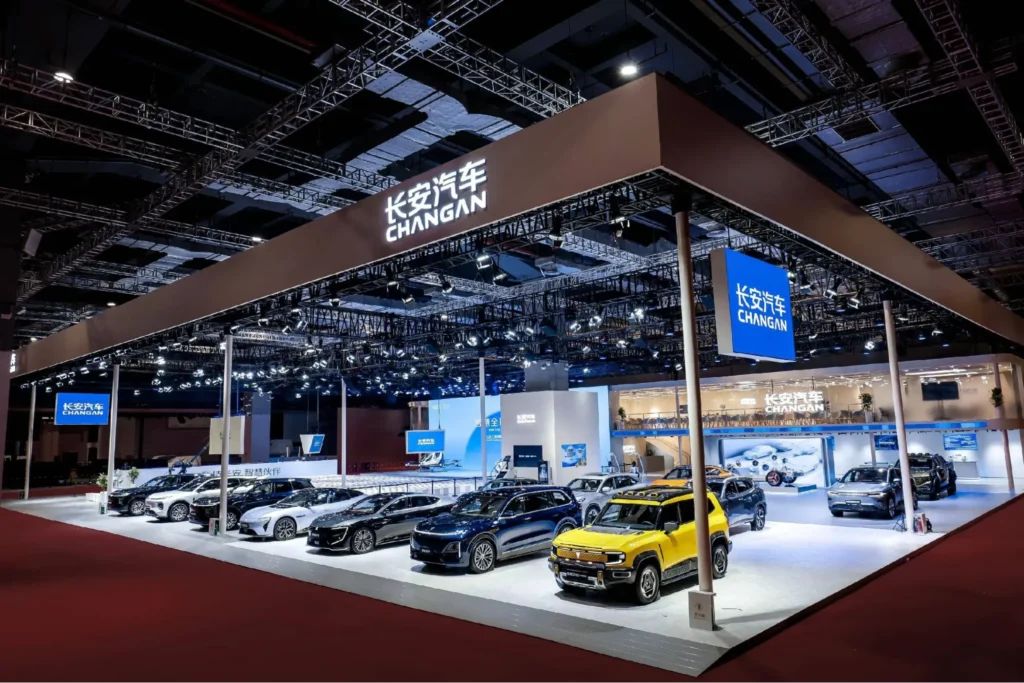
China’s auto industry crossed a threshold in 2025. The country exported 7.098 million vehicles, up 21.1% year on year, holding its position as the world’s largest automobile exporter for the third consecutive year. New energy vehicle exports reached 2.615 million units, doubling from 2024. For global business leaders, the significance extends beyond volume.
Chinese car brands are now shifting from product exports to local manufacturing, technology licensing, and deep market integration. The strategic question is no longer whether to engage with China’s automotive ecosystem, but how to position within it.
This article examines the export surge, the leading Chinese automakers, the technology driving their advantage, and the practical implications for global strategy teams.
Chinese Car Brands List: The Companies Behind the Badges
A showroom badge and its parent company can represent different businesses. This selected list maps major names without presenting a universal quality ranking.
| Company or group | Brands to recognize | Useful distinction |
| BYD | BYD, Denza, Fang Cheng Bao, Yangwang | Several brands span mainstream and premium vehicle segments. |
| Geely Auto | Geely, Zeekr, Lynk & Co | Its reported sales scope differs from the wider Geely Holding group. |
| Chery Group | Chery, Exeed, Jetour, iCAR; Omoda and Jaecoo overseas | Group totals differ from those of listed Chery Automobile. |
| SAIC Motor | MG, Roewe, IM, Maxus | The group combines its own brands with international joint ventures. |
| Great Wall Motor | Haval, Wey, Tank, Ora, Poer | Separate product families sit behind the GWM umbrella. |
| Changan | Changan, Deepal, Avatr | The brand family sits within a state-controlled automotive group. |
| NIO Inc. | NIO, Onvo, Firefly | Three brands address premium, family, and smaller-car segments. |
| XPeng | XPeng | It develops vehicles with Volkswagen. |
| Leapmotor | Leapmotor | Its international joint venture has a different ownership structure from the automaker. |
| Li Auto | Li Auto | Its range centers on family vehicles. |
| Xiaomi | Xiaomi Auto | The vehicle business belongs to a broader consumer-technology company. |
Ownership requires care. China Changan Automobile Group became a central state-owned enterprise in July 2025. Such structures differ from private automakers and their publicly traded subsidiaries.
When comparing Chinese car companies, identify the entity responsible for development, distribution, and customer obligations. Shared ownership alone does not establish identical engineering, service coverage, or financial performance.
How Large Is the Chinese Automotive Industry?
China’s automotive industry recorded 34.4 million vehicle sales in 2025, according to CAAM figures published through the Ministry of Commerce.
From January to April 2026, exports reached 3.13 million units, up 61.5% year on year. Monthly exports exceeded 1 million units for the first time in June 2026, reaching 1.037 million vehicles.
By September 2026, China’s vehicle exports had reached 8.205 million units for the first nine months of the year, an increase of 65.8% year on year. New energy vehicle exports reached 4.006 million units, up 127.9%. In just nine months, total vehicle exports had already surpassed the country’s full-year 2025 record.
Belt and Road Initiative countries have become the largest destination for these exports. In the first half of 2026, China exported 3.381 million complete vehicles to Belt and Road Initiative markets, up 48.1% year on year.
Separately, exports of automobiles and automotive-related products to these markets reached $83.67 billion, accounting for 57.5% of China’s total automotive-product export value.
Latin America, Southeast Asia, and the Middle East are significant destinations for Chinese vehicle exports. Europe is also a major market, alongside Russia, Central Asia, and Africa.
What Sets Major Chinese Automakers Apart?
Major Chinese automakers pursue different competitive strategies, from battery integration and diversified powertrains to export-led growth and international technology partnerships. Understanding this matters for partnership decisions and competitive analysis.
BYD: Battery Technology Meets Charging Infrastructure
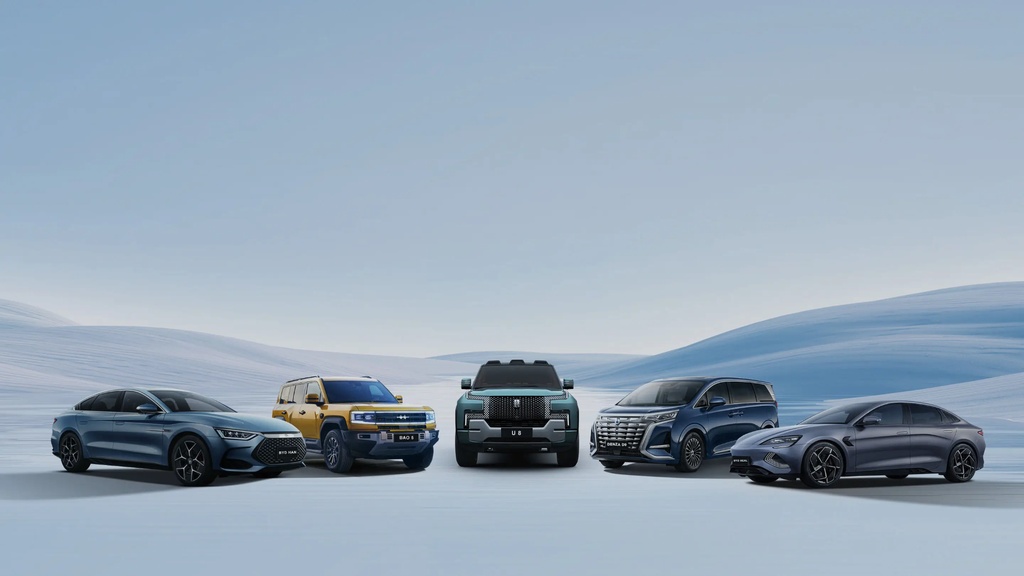
BYD sold approximately 2.26 million battery electric vehicles in 2025, surpassing Tesla’s 1.63 million deliveries to become the world’s largest EV manufacturer.
Its March 2026 battery announcement illustrates how competition extends beyond vehicle specifications. The company introduced its second-generation Blade Battery and FLASH Charging technology.
BYD stated charging times of five minutes from 10% to 70% and nine minutes from 10% to 97%. These are manufacturer claims for the announced system, not a promise for every BYD vehicle or public charger.
BYD’s global production footprint has expanded beyond exports. BYD has established vehicle production operations in Uzbekistan, Thailand, Brazil, and Cambodia, while it has been developing a passenger-car factory in Hungary.
The Brazil plant, built on a former Ford site, began operations in 2025. This localization strategy addresses tariff exposure while building regional supply chains.
The commercial question is how widely compatible cars and charging sites become available. A faster-charging vehicle offers less practical advantage where the required infrastructure is absent. Battery development and charging deployment need to be evaluated together.
Geely: Scale Across Multiple Powertrains

Geely Auto reported 3.02 million vehicle sales in 2025, including 1,687,767 NEVs. Its portfolio combines electrification with substantial demand for combustion-engine vehicles.
That mix matters when assessing Chinese auto manufacturers abroad. A company can adapt its powertrain offering to charging access, customer budgets, and local demand. Its domestic electric-vehicle strategy does not automatically describe its export strategy.
Geely also reported that its Indonesian plant began mass production of the EX5 and EX5 EM-i in 2025. That provides a concrete example of overseas manufacturing alongside exports.
Chery: An Export Business Hidden Behind Multiple Names
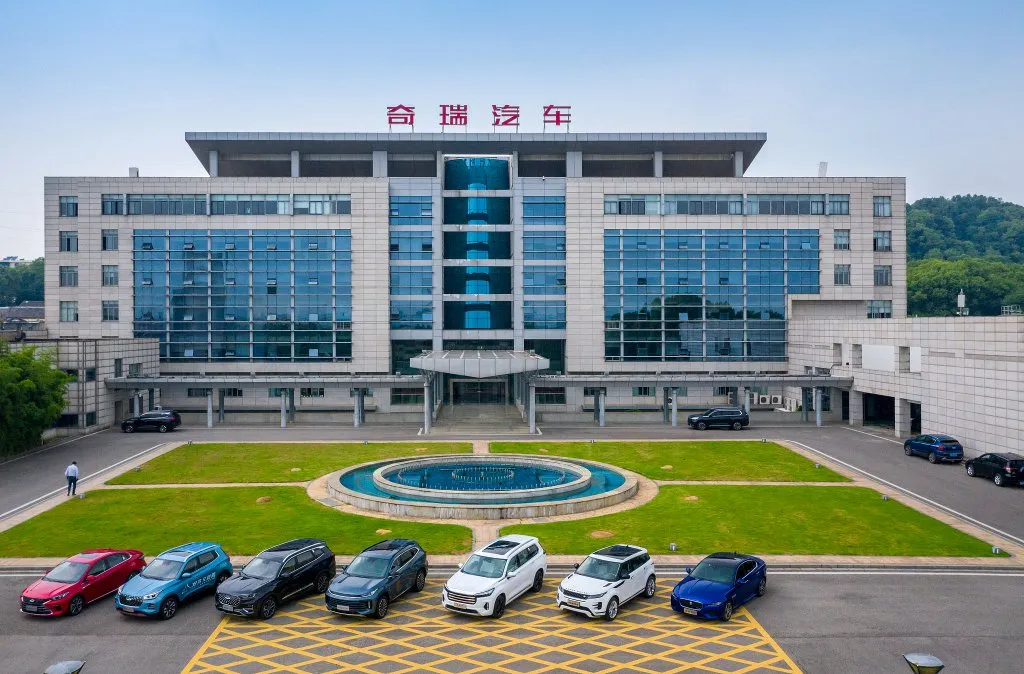
Chery Group reported 2.806 million sales and 1.344 million exports in 2025. Exports represented about 48% of group sales, based on those disclosed figures.
Its original Chinese release also separates group sales from listed Chery Automobile’s 2,631,381 vehicles. That distinction changes comparisons with competitors and prevents an inflated company-level total.
Chery’s brands create another research challenge. A market scan limited to the Chery badge misses Omoda, Jaecoo, and Jetour. Competitive analysis needs to connect local brands to their parent group.
XPeng: Technology Can Travel Under Another Brand
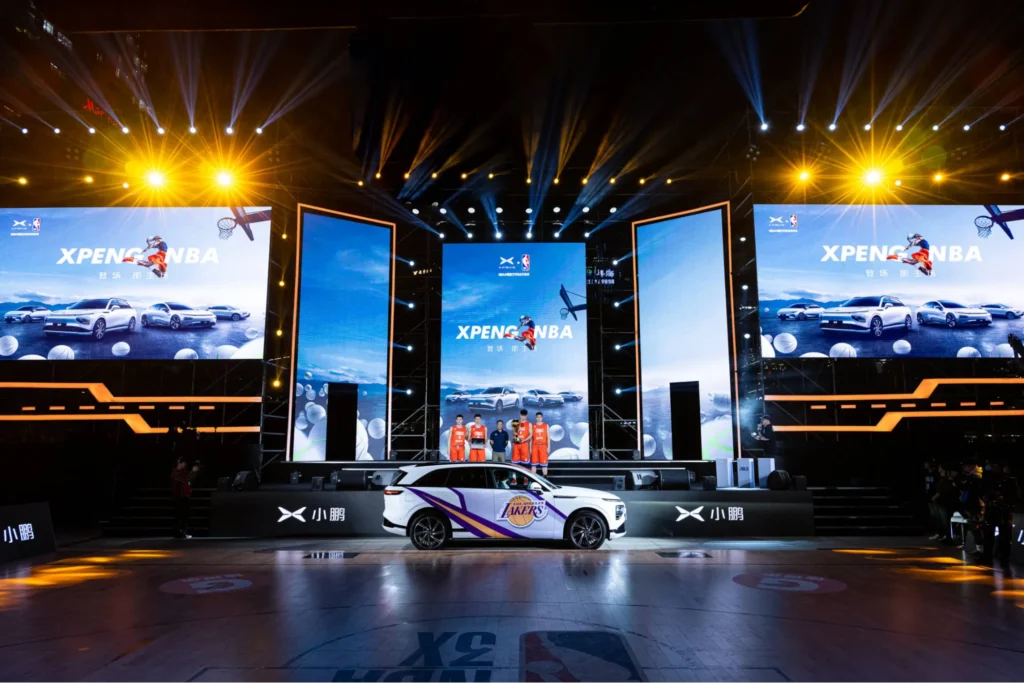
Volkswagen announced that its jointly developed ID.UNYX 08 entered series production in March 2026. Volkswagen said the XPeng collaboration reached production maturity in 24 months.
This provides concrete evidence of China’s role as an automotive technology hub. International manufacturers can access local development expertise through partnerships, while retaining their own brand and product requirements.
The vehicle includes Level 2 driver assistance. That description matters: assisted driving still requires driver supervision. Claims about intelligent vehicles should specify the system’s actual operating limits, and avoid implying unrestricted autonomous driving.
State-Owned Automakers: Scale and Industrial Policy
SAIC Motor, FAW Group, Dongfeng Motor, and Changan Automobile operate with different mandates. SAIC’s MG and BYD are among the leading Chinese-owned car brands in Europe. MG led sales among Chinese brands in 2025, while BYD has continued to expand its European presence in 2026.
Changan began production at its first overseas NEV factory in Thailand in May 2025, with an annual capacity of 100,000 vehicles planned to double to 200,000 units. These companies balance commercial objectives with alignment to China’s industrial policy priorities.
How Chinese Car Makers Expand Beyond Exports
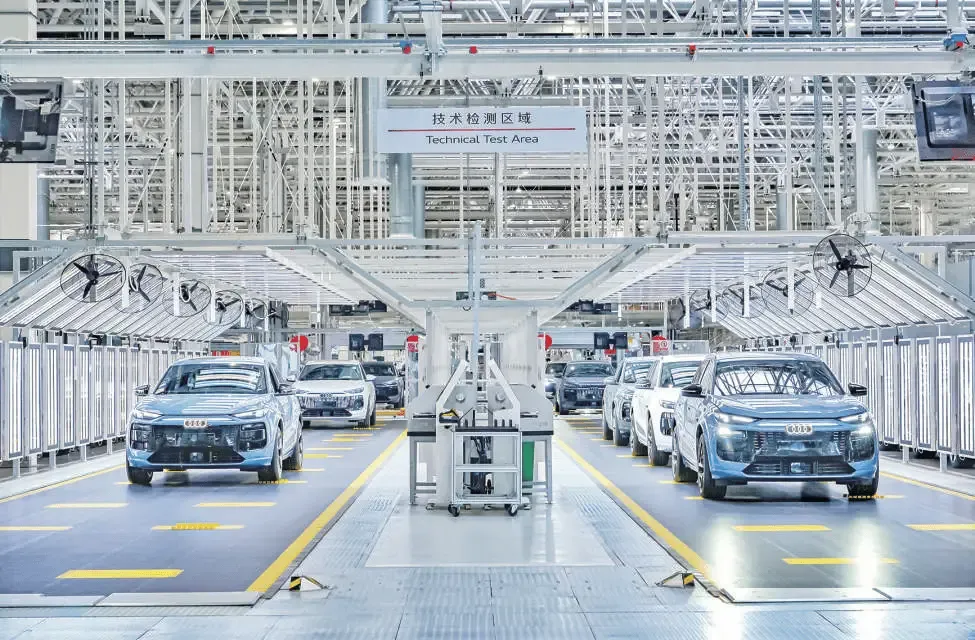
The May 2026 Stellantis and Leapmotor partnership update shows how global expansion can combine complementary assets.
Stellantis described Leapmotor International as a 51% Stellantis and 49% Leapmotor joint venture with rights outside Greater China. That does not mean Stellantis owns 51% of Leapmotor itself.
The companies also outlined potential production and purchasing initiatives in Spain. These were announced intentions, which should remain distinct from confirmed operating capacity.
For Chinese car makers, a local partner can contribute distribution, servicing, and manufacturing access. The partner gains access to products and components. The strategic question becomes which responsibilities, customer relationships, and economic benefits each side retains.
Tariffs and Market Access Depend on the Vehicle
A badge alone cannot explain trade exposure. In February 2026, the European Commission accepted a price undertaking for the China-made Cupra Tavascan.
The arrangement exempted that model from countervailing duties under specified conditions, including a minimum import price, volume limits, and investment commitments. This was a model-specific decision, not a blanket removal of duties.
The example shows why country of production, powertrain, exporter, and approved arrangements belong in market-access analysis. A European brand can face China-related trade measures because of where it manufactures its vehicle.
Trade conditions continued to evolve in October 2026, when the EU and China reached an agreement concerning restrictions on Chinese hybrid vehicle imports. The reported arrangements would introduce annual import quotas, adding another consideration to manufacturers’ European market-access strategies.
What Global Businesses Can Learn From Chinese Car Manufacturers
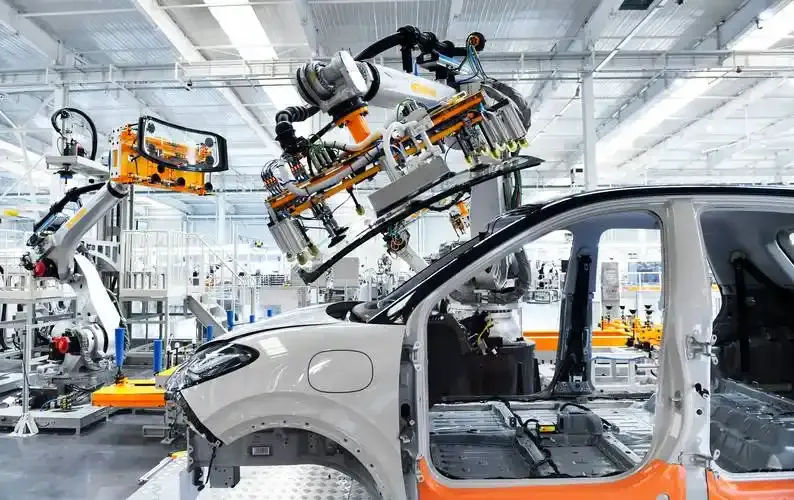
The strongest lesson concerns how capabilities fit together. Batteries need charging infrastructure. Vehicle development needs production discipline. Overseas launches need distributors, repair capacity, and market access.
A useful assessment of Chinese car manufacturers follows three tests:
- Identify the capability: Separate demonstrated production technology from presentations and targets.
- Check the economics: Examine margins, partner responsibilities, and local operating costs alongside volume.
- Confirm local delivery: Establish which models, features, and services customers can actually obtain.
China offers documented opportunities for technical collaboration and commercial learning. The value comes from studying specific companies and operating systems closely, with the same scrutiny applied to established international competitors.
Understand What China’s Automotive Shift Means for Your Business

China’s automotive sector offers a close look at how Chinese companies compete through technology, manufacturing speed, new business models, and international expansion. For global leaders, studying these developments can reveal useful lessons that extend well beyond the auto industry.
Ashley Dudarenok helps executives and organizations understand the business, consumer, technology, and innovation shifts taking place across China. Through Ashley’s insights and ChoZan’s research and advisory work, leadership teams can examine these changes in context and assess what matters for their strategy.
Explore more China business insights from Ashley Dudarenok and ChoZan, or book a consultation to discuss the developments most relevant to your organization.
FAQs About Chinese Car Brands
1. What are the best Chinese car brands for a first-time buyer?
Start with models sold through an authorized local distributor. Compare independent safety results, insurance quotes, servicing access, and a test drive. The right choice depends on your budget, driving needs, and the exact vehicle specification.
2. Are Chinese cars reliable over the long term?
Evaluate reliability at model level. Ask for evidence covering the same generation and powertrain, plus local repair experience. A strong crash-test result or a long warranty alone cannot establish long-term reliability or predict repair frequency.
3. How can I check the safety of a Chinese car?
Search an independent testing organization’s database for the exact model and assessment year. Read category scores and equipment notes alongside the star rating. Confirm that the tested safety equipment matches the version sold in your country.
4. What should I check in a Chinese electric-car battery warranty?
Read the time and mileage limits, minimum battery-capacity guarantee, exclusions, and transfer rules. Confirm who handles claims locally and ask how battery health is measured. Keep servicing records and written confirmation of the applicable terms.
5. Can I import a Chinese-market car privately?
Check your country’s approval and registration requirements before paying a deposit. Verify charging compatibility, insurance, warranty eligibility, language settings, and connected services. A vehicle available in China may require changes or lack official local after-sales coverage.
6. Will a Chinese electric car work with local chargers?
Check the exact vehicle’s connector, supported charging standards, and local charger compatibility. Ask the seller to demonstrate charging before purchase. Confirm AC and DC capabilities separately, including any adapter requirements and restrictions in the vehicle documentation.
7. How should I compare advertised driving ranges?
Compare figures measured under the same test procedure, such as WLTP. Keep electric-only range separate from a hybrid’s combined range. Then assess independent tests relevant to your weather, highway speeds, passenger load, and regular journeys.
8. How can I identify unfamiliar Chinese car logos?
Photograph the badge and check the manufacturer’s official local website or owner’s manual. Confirm the model name too. Similar-looking badges and changing export names can cause confusion, so verify the vehicle identification number before ordering parts.
9. What affects the resale value of a Chinese car?
Check local used-car listings, trade-in offers, and lease residual estimates for the specific model. Compare age, mileage, condition, and remaining warranty. A national brand reputation cannot replace evidence from the market where you will sell.
10. Which connected features should I test before buying?
Test phone pairing, navigation, voice controls, app access, and account setup in the delivery market. Request written details about subscriptions and software updates. Confirm which functions continue working if mobile connectivity or the app becomes unavailable.