
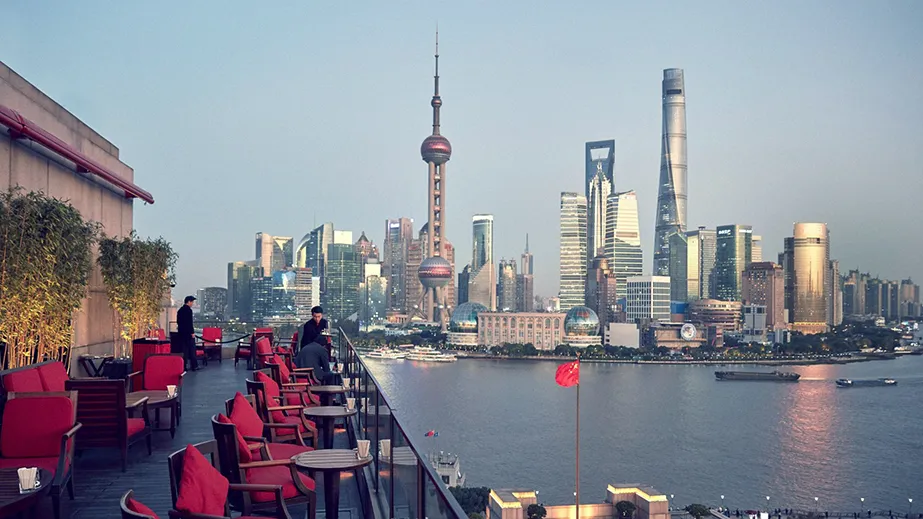
The Peninsula Shanghai, known in Chinese as 上海半岛酒店, is a luxury hotel at 32 Zhongshan Dong Yi Road in Shanghai, China, with 235 rooms and suites. Its appeal combines Art Deco interiors, destination dining, and a Bund setting facing modern Pudong. The MICHELIN hotel profile highlights how its historic styling sits within a modern building.
That combination makes the property a strong case study in Shanghai luxury hospitality. Shanghai supplies the cultural references; Peninsula turns them into experiences guests can book, consume, and take home. The business spans accommodation, dining, retail, and residences, with each activity offering a different reason to visit.
How The Peninsula Shanghai Makes Heritage Tangible
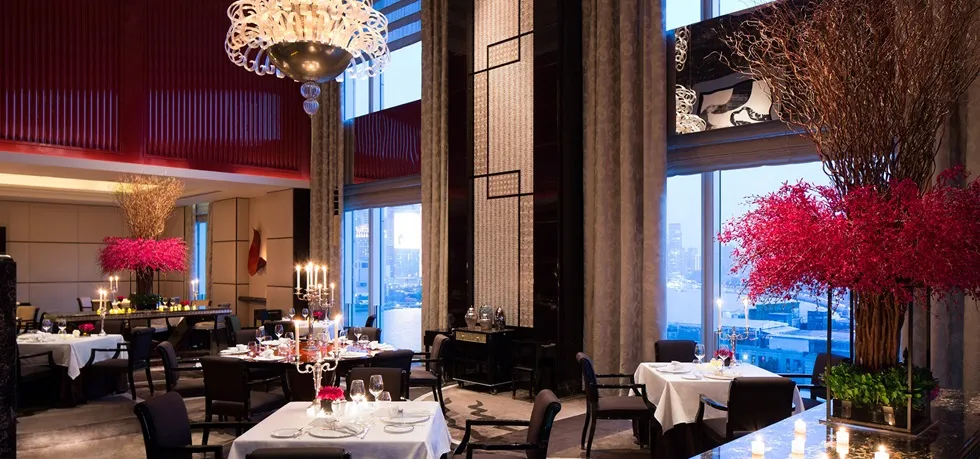
A Modern Hotel With a Historical Vocabulary
The hotel’s current overview confirms it opened in 2009. Its period appearance comes from deliberate design. Celadon tones, marble, and Art Deco detailing link the building visually to the Bund’s older architecture.
One unusually specific example is its working antique-style elevator. The hotel says Schindler replicated a 1930s lift held in a Brussels museum, with modifications for the property. It travels between the basement and second floor. Guests encounter this historical reference as they move through the hotel.
This heritage branding serves a practical purpose: the setting gives the hotel a recognizable identity, while contemporary construction provides modern comfort. Familiar architectural references make the hotel’s connection to Shanghai visible throughout the stay.
Room Choice Changes the Experience
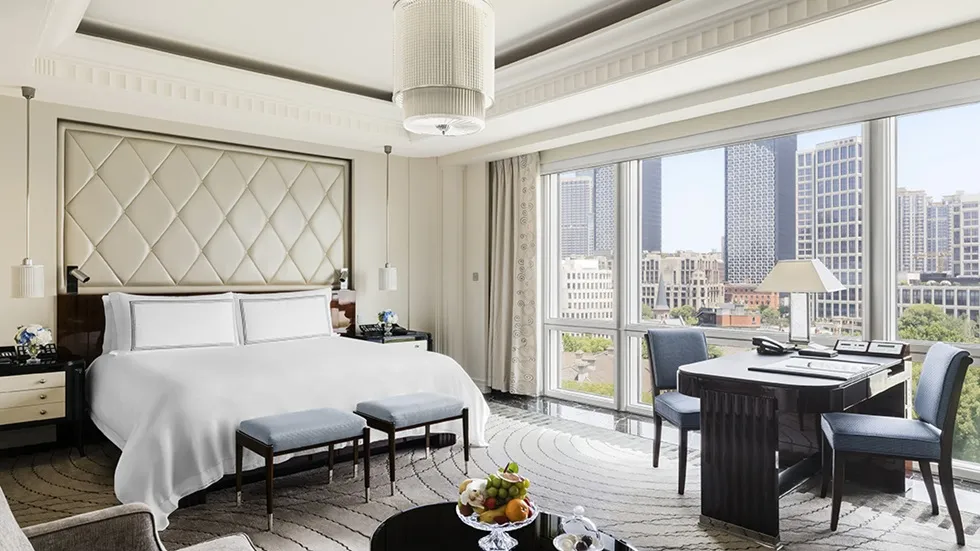
The Deluxe Room specification lists 54 to 59 square meters, city views, and a separate walk-in closet. The same official room selection distinguishes garden-facing accommodation from Deluxe River Rooms overlooking the Huangpu and Pudong skyline.
For anyone choosing a Peninsula hotel in Shanghai, that distinction matters. The address does not guarantee a river view from every room. Both categories offer comparable space and Peninsula services, but their views differ. Deluxe Rooms overlook the city, while Deluxe River Rooms face the Huangpu River and Pudong skyline.
The property suits a city stay centered on waterfront walks, dining, and time within the hotel. Travelers with appointments elsewhere should compare the address against each day’s itinerary. A central location can still involve substantial cross-city travel.
Restaurant reservations and outdoor terrace access also need separate confirmation, since a room booking doesn’t cover every part of the visit.
Dining Creates Reasons to Visit Without Staying Overnight
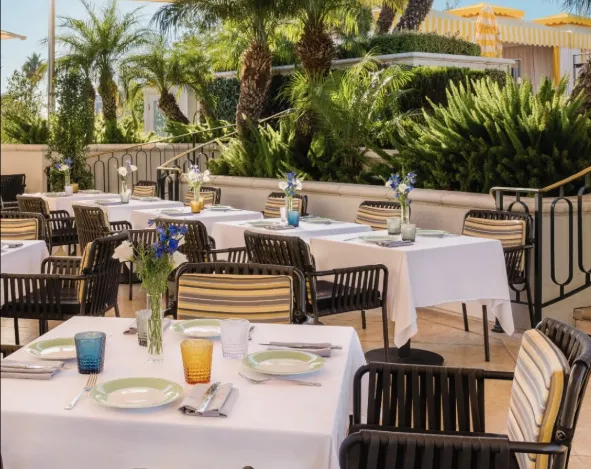
Yi Long Court translates the historical theme into the atmosphere of a prosperous Shanghai residence. Its cuisine is Cantonese, so its Shanghai-inspired interiors should not imply a Shanghainese menu.
The hotel’s April 2026 announcement confirms one Michelin star and Executive Chinese Chef Jacky Zhang’s interpretation of traditional preparations.
Sir Elly’s offers Northern Italian cuisine, while its rooftop terrace provides a separate setting for evening drinks. The 2026 guest directory distinguishes the restaurant, bar and terrace rather than treating them as one venue.
The Lobby adds afternoon tea to the mix. Forbes Travel Guide’s professional assessment highlights its scones, clotted cream, and live music, and rates the hotel Five-Star. That hotel rating and Yi Long Court’s Michelin star recognize different things.
Commercially, these venues create several entry points into the brand. A local diner can experience its food and service without booking a room. Each venue caters to a different occasion, from a Cantonese lunch to a rooftop drink.
The Business Behind the Hotel
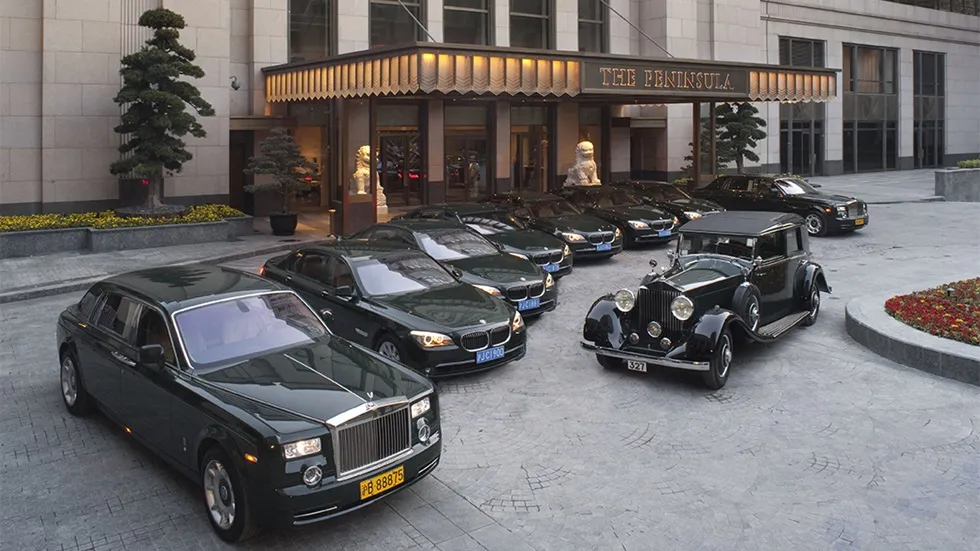
The Peninsula is the hospitality brand of The Hongkong and Shanghai Hotels, Limited, or HSH. Its 2026 interim filing confirms a 50% interest in the Shanghai complex through The Peninsula Shanghai Waitan Hotel Company Limited. The complex includes the hotel, retail arcade and adjoining Peninsula Residences apartment tower.
That structure puts accommodation, shopping and residential property within one development. Their commercial functions differ: rooms sell temporary stays, the arcade hosts retail tenants, and residences operate as a separate property business. Their shared address creates opportunities for customers to combine activities, although public evidence does not quantify those cross-purchases.
HSH described Shanghai’s first-half 2026 performance as strong, with individual travelers and a more international guest mix contributing. Its Greater China hotels recorded a 29% rise in revenue per available room compared with the first half of 2025. That regional figure covers several properties and cannot serve as Shanghai’s individual result.
Chinese Luxury Consumers Still Need a Clear Reason to Spend
The property’s recent experience argues for precision about Chinese demand. HSH’s first-half 2025 disclosure described greater price sensitivity among domestic consumers and weaker food-and-beverage spending in Shanghai. It also credited the Shanghai Auto Show with bringing significant group business to the hotel.
Customers therefore cannot be reduced to a single appetite for luxury. Leisure stays, business groups and local dining occasions bring different spending decisions. The hotel has to make the purpose of each purchase clear.
Its 2026 Mid-Autumn mooncake campaign provides a concrete example. Yi Long Court’s culinary team created the products, and the hotel offered online purchases through its official WeChat mini-program.
During the July 6 to 20 advance-order period, single orders of selected varieties qualified for experience vouchers: at least 30 boxes earned afternoon tea for two, while at least 100 earned a one-night Deluxe River Room stay.
Here, the hotel extends its culinary identity into a culturally relevant gift. The digital channel handles the purchase, while the vouchers connect retail spending to physical hospitality experiences. The promotion documents that connection; it does not establish redemption rates, additional bookings or profitability.
Service Design Gives Luxury a Practical Use
Peninsula Time addresses the mismatch between flight schedules and conventional hotel arrival times. Under terms updated in May 2026, eligible guests can request arrival from 6 a.m. and departure until 10 p.m., subject to availability and operational conditions.
The benefit applies to direct reservations and Peninsula travel-agent partners. Online travel agency and group bookings do not qualify. Guests must provide intended times at least 24 hours ahead, and blackout dates apply.
This service design makes the booking channel part of the value proposition. Early arrival can make room access valuable even when two offers appear similar in price. Guests should obtain confirmation before arranging their itinerary around the benefit.
The Hotel’s Place in Shanghai’s Visitor Economy
Shanghai recorded 9.36 million inbound tourist visits in 2025, up 39.58% from the previous year. The city’s tourism authority identified accommodation, dining and retail as major categories of inbound spending. The hotel’s mixed-use model operates across those categories, but citywide growth cannot establish its individual economic contribution.
Its connections reach beyond its premises. A December 2025 city guide published by Peninsula recommends independent providers of architecture, heritage and food tours. Such recommendations point to local services; the hotel does not disclose resulting bookings or supplier income.
A November 2025 Chinese-language announcement also pledged US$5 from each festive afternoon-tea set to Make-A-Wish Foundation Shanghai. That provides a documented community connection, although the release does not state the campaign’s final donation total.
The transferable lesson is specific. A brand can connect a destination’s identity to several customer occasions when its spaces, products, and service rules make those connections credible. The Bund supplies this hotel’s context. Another business needs its own context, operational capability and evidence of demand before adopting the same approach.
Apply the Customer Experience Lesson With Ashley Dudarenok

The Peninsula Shanghai shows how a brand can connect place, service and digital purchasing around real customer occasions. Ashley Dudarenok’s customer experience keynotes examine Chinese consumer behavior and customer journeys. My team tailors speaking engagements to an event’s audience and objectives, making these themes relevant to your brand experience.
Frequently Asked Questions
Is the Hotel Close to a Metro Station?
Yes, Nanjing East Road is the nearby metro option. The Ctrip listing estimates a 700-meter walk, about 10 minutes. Allow extra time with luggage and check the station exit before starting your route.
Can Solo Travelers Dine at Yi Long Court?
Yes, Yi Long Court offers a dim sum lunch set for solo diners, according to MICHELIN’s restaurant assessment. Contact the restaurant directly to confirm the current menu, available seating, and any dietary requirements before visiting.
Can Children Visit Every Restaurant and Bar?
No, age restrictions vary by venue. The 2026 directory excludes children under three from Sir Elly’s Restaurant and minors from its bar and terrace. Families should choose their dining venue before planning the evening.
Does the Hotel Offer Babysitting?
Yes, Forbes Travel Guide lists babysitting services among the hotel’s amenities. Ask the concierge about availability, notice requirements, fees, and arrangements for your child’s age. Confirm the service before making plans that depend on childcare.
Does the Hotel Have an Indoor Swimming Pool?
Yes, the hotel has a heated indoor pool. Its guest directory lists daily access from 6 a.m. to 10 p.m. Confirm current arrangements with the hotel if swimming is a priority during your visit.
Are Accessible Rooms Available?
Yes, the hotel directory confirms rooms for guests with additional access needs, subject to availability. Discuss your required bathroom features, mobility equipment, and transfer arrangements with reservations, then request written confirmation for the specific room.
Is Smoking Allowed at The Peninsula Shanghai?
No, the hotel prohibits smoking indoors, including guest rooms, restaurants, and public areas. Its guest directory also specifies a room cleaning charge for violations. Ask staff about permitted outdoor locations before smoking.
Can Guests Request Connecting Rooms?
Yes, the official Deluxe Room page lists connecting-room options. Contact reservations with your party size and preferred room categories. Request confirmation of the connection itself before paying, since neighboring rooms do not necessarily connect internally.
Are Airport Transfers Available for a Shanghai Peninsula Stay?
Yes, the hotel’s official overview lists chauffeured vehicles and airport greeting on request. Confirm the vehicle, passenger capacity, luggage allowance, meeting point, and total charge with reservations. A transfer requires its own confirmed arrangements.
What Should a Room Quote Include?
A useful quote should specify stay dates, room category, view, taxes, service charges and cancellation conditions. Ask about breakfast and booking-channel benefits separately. Check Peninsula Time eligibility if your arrival or departure schedule requires flexibility.