

China’s consumers have become far more deliberate with money. Households are weighing purchases carefully, cutting back on low-meaning spend, and protecting the categories that still feel essential.
In ChoZan’s latest China consumer trends report, Soul Nomads captures that shift with real precision. People still want relief, meaning, and moments that help them reset. They are simply choosing those moments with greater intention.
This is why China’s experience economy still has momentum in a cautious market. Consumers are not throwing money at every form of leisure. They are reallocating spend toward experiences that carry emotional value.
A trip, a concert, a workshop, or a slow afternoon in a calming space can feel more necessary than another routine purchase. In today’s market, emotional payoff has become part of value itself.
Soul-Nomads: Prioritize Experiences & Healing
For years, many brands treated experience as a layer of excitement around consumption. That framing feels too shallow for China today. The deeper story is that experiences now help people manage pressure, recharge, and find meaning in a demanding environment.
Chinese consumers are still disciplined in the basics. They compare prices, stretch budgets, and cut what feels generic or low priority. At the same time, they defend spending that gives them relief, memory-making, and a feeling that life still contains something worth looking forward to.
That logic matters because it changes how brands should read demand.
Why Restorative Spending Is Winning
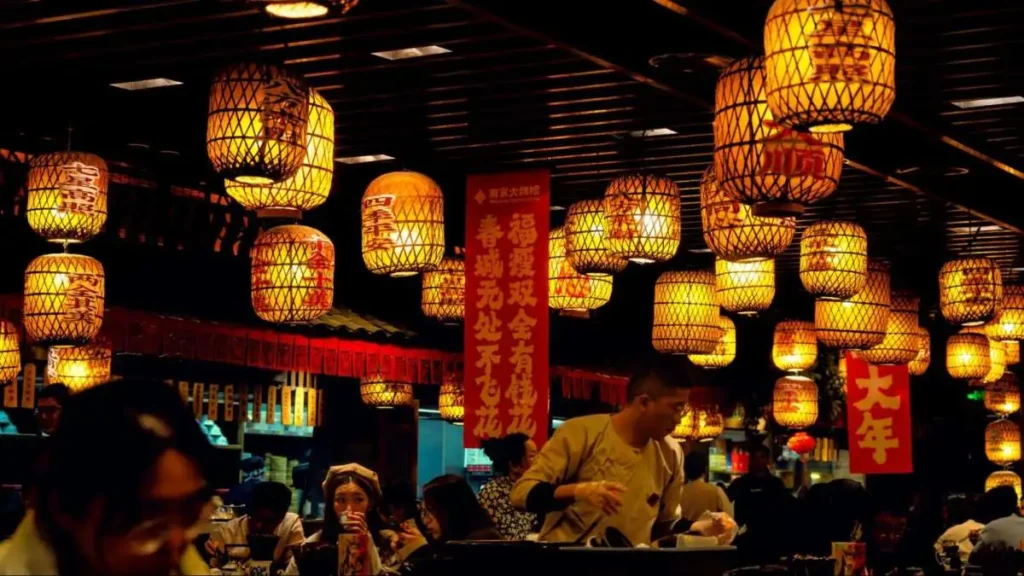
This is not loose spending. It is restorative spending.
In practical terms, the winning offer now sits closer to emotional value than spectacle. People want time well spent. They want meaningful consumption. They want experiences that justify their place in a tighter budget. When an experience feels restorative, grounding, or emotionally rich, consumers are far more willing to preserve room for it.
That also explains why the grey middle is becoming harder to defend. A generic outing, a forgettable activation, or a premium experience with no emotional depth can struggle. Consumers have become sharper editors of their own lives. They are looking for experiences that leave a real imprint.
Travel Has Become a Recovery Budget, Not a Bonus
Travel sits at the heart of this shift. In China, it has become a protected line of spending because many consumers now treat travel as a recovery rather than a luxury extra.
Nearly 45% of people spend RMB 5,000 to RMB 12,000 per trip (USD 733 to USD 1,760, approximately), and domestic travel demand remains huge, with 65.22 billion trips and RMB 6.3 trillion (USD 924.1 billion, approximately) in tourism spending in 2025.
Those numbers matter because they show how strongly consumers still protect experiences that help them reset, even in a more cautious economy.
Why Travel Still Survives Budget Pressure

A lot of this demand overlaps with wellness travel, a broader travel and wellness mindset, and growing interest in wellness tourism. Still, the real driver runs deeper than spa language or polished resort imagery.
People are seeking a slower pace, quieter settings, better sleep, room to think, and a genuine break from daily pressure. A weekend away can feel like emotional maintenance. A short domestic escape can restore more than a string of smaller discretionary purchases.
Consumers Want Psychological Distance, Not Just a Trip
This is why niche destinations, short road trips, and calmer itineraries are resonating. The point is not distance alone. The point is psychological distance from routine. Consumers want settings that let them breathe again. In that sense, travel is becoming part of consumer recovery spending.
For brands in hospitality, tourism, retail, and adjacent sectors, this creates a clear opening. The stronger proposition is built around reset, comfort, and decompression. People are not only buying rooms, routes, or activities. They are buying relief.
Healing Now Extends Beyond Travel

The same emotional logic reaches far beyond trips. China’s consumers are also investing in experiences that bring calm, focus, and release closer to home.
Creative workshops such as pottery and painting, along with tea sessions, journaling, yoga, stretching, and basic meditation, are gaining relevance because they help people release pressure before it builds too far. Even sitting in a park or reading alone in a café without scrolling is being revalued as an intentional act.
Healing Is Moving Closer to Home
This matters because it widens the meaning of healing experiences. Healing does not always look like an expensive retreat. It can be a few hours of quiet concentration. It can be a ritual that softens the week. It can be a space that feels emotionally safe. Consumers are giving more authority to experiences that support mood repair and inner balance.
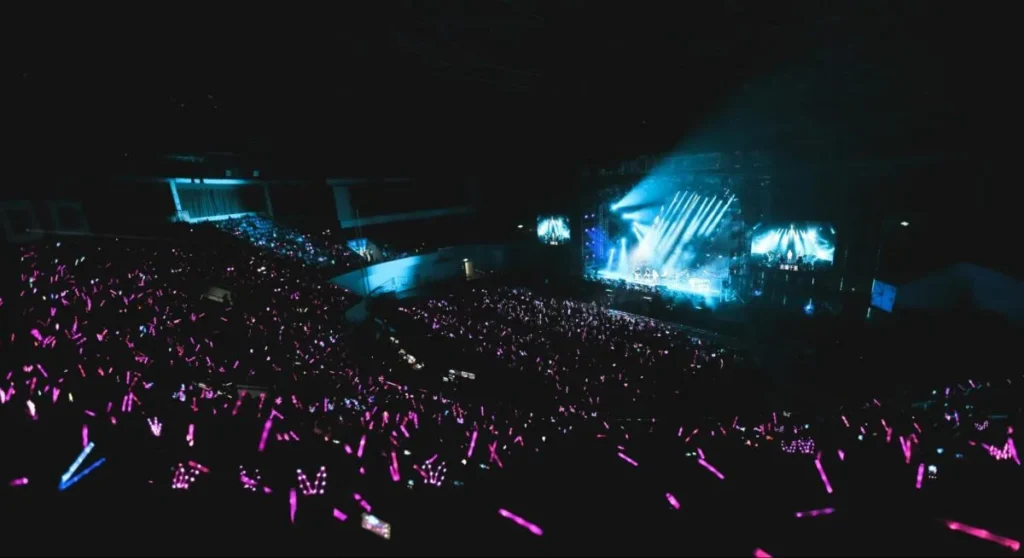
There is also a social side to this shift. Concerts, festivals, theater, and immersive entertainment remain powerful because they create emotional highs and shared memories. Many younger consumers still want big moments. They simply want those moments to feel worth the spend. Relief, connection, and meaning sit much closer to the center of the decision than status alone.
This is one of the most important insights for brand leaders. The category is broader than travel, and the emotional need is broader than fun.
What Brands Should Learn From China’s Experience Economy
Brands need to get much more precise about the outcome they promise. In this environment, experience design works best when it speaks to comfort, release, memory, and renewal. Consumers respond to experiences that carry a clear emotional function. They want to know how this will fit into their lives and why it deserves a budget.
That is why the strongest brands in this space frame their offer around a specific emotional result. A destination can stand for decompression. A studio can stand for calm focus. A live event can stand for shared release. A hospitality brand can stand for deeper rest. The offer becomes stronger when the emotional benefit is easy to grasp and easy to remember.
Design for Memory, Not Just the Moment
Brands should also think more carefully about the setting, rhythm, and aftertaste of the experience. The memory matters almost as much as the moment itself. People want to come away with a story, a feeling, or a sense that their time was well spent. That calls for better pacing, stronger atmosphere, and more thoughtful community design.
Ashley Dudarenok often talks about China as a market where consumer behavior evolves fast, and meaning travels quickly through culture, platforms, and peer conversation. This is a good example.
The brands that will win are the ones that understand emotional value in concrete terms. They will build experiences that help people reset, reconnect, and move through a demanding market with a little more energy and a little more hope.
In that sense, China’s experience economy is becoming more emotionally intelligent. The future belongs to offers that feel restorative, memorable, and deeply relevant to how consumers actually live now.
Turn China’s Experience Economy Into a Practical Strategy

China’s experience economy is changing how consumers decide what deserves their time, money, and attention. Ashley Dudarenok helps leaders understand how emotional value, healing experiences, and recovery-led demand are reshaping growth in China.
Through keynote speeches, executive workshops, and private advisory sessions, Ashley helps brands translate these shifts into sharper positioning, stronger customer experiences, and more relevant strategy.
Book Ashley Dudarenok to explore what China’s new experience economy means for your business.
FAQs About China’s Experience Economy
Below are the most common questions readers ask about China’s experience economy, wellness travel, healing experiences, and the consumer shift toward emotional value.
1. What is the experience economy in China?
China’s experience economy is about spending on moments that deliver emotional value, recovery, and memory. People still spend when an experience feels genuinely meaningful.
2. Why is the experience economy still resilient in China?
The experience economy stays resilient because Chinese consumers cut routine spending first and protect experiences that help them rest, reconnect, and feel their money was well spent.
3. Why is wellness travel in China gaining momentum?
Wellness travel in China is growing because people want a slower pace, better sleep, and a mental reset. Travel now needs to restore energy, not simply fill time.
4. Is health tourism in China part of the same shift?
Yes, health tourism in China sits within the same wider movement toward recovery and self-investment. Consumers increasingly value experiences that support physical and emotional well-being.
5. Why are Chinese consumers prioritizing meaningful experiences?
Chinese consumers are prioritizing meaningful experiences because tighter budgets have made them more selective. They want purchases that create memories, relief, and a stronger sense of purpose.
6. How is travel as recovery changing consumer behavior in China?
Travel as recovery is changing behavior by making short breaks feel emotionally necessary. People now protect travel budgets because recovery has become part of value.
7. What kinds of healing experiences in China are gaining traction?
Healing experiences in China now include pottery, tea sessions, yoga, journaling, calm cafés, and short escapes. Consumers want accessible ways to release pressure and reset.
8. Why do concerts and live events still attract spending in China?
Concerts and live events still attract spending because they deliver shared emotion, memory, and release. Consumers keep room for moments that feel vivid and worth remembering.
9. How can travel brands benefit from consumer recovery spending?
Travel brands can benefit from consumer recovery spending by framing offers around rest, slower pace, comfort, and emotional reset. Recovery is now a strong reason to book.
10. How can brands create more emotional value in experiences?
Brands create more emotional value by designing for how people want to feel. Clear emotional outcomes, thoughtful pacing, and memorable atmosphere all strengthen relevance.