
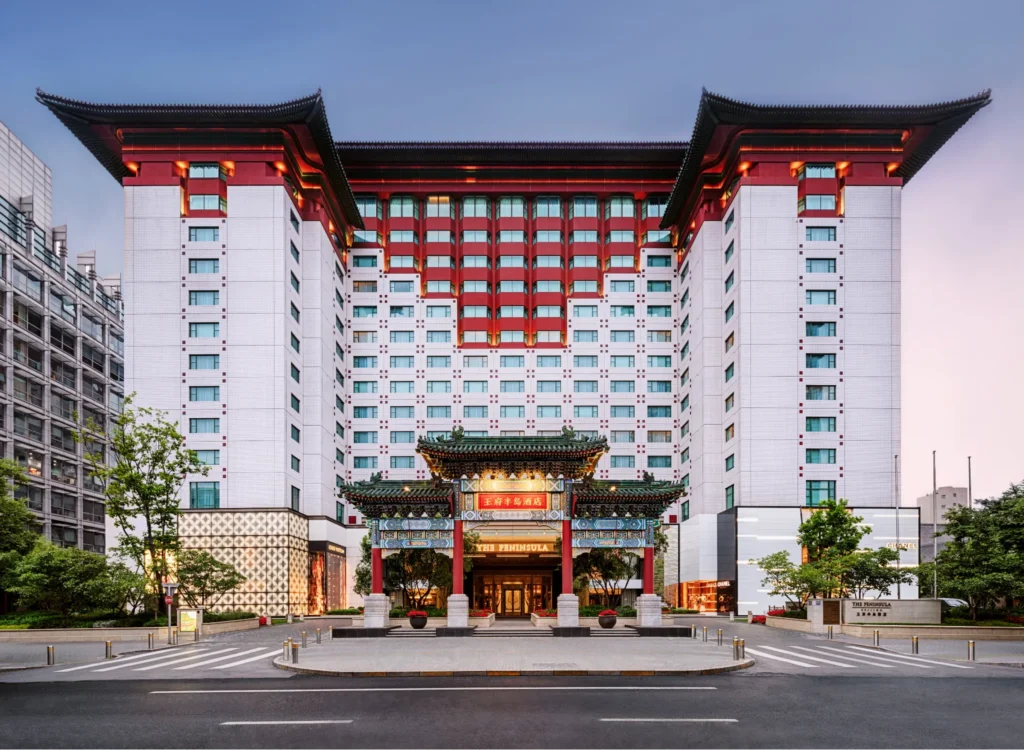
The Peninsula Beijing brings together three ideas: a spacious, residential style of stay, direct access to Beijing’s cultural life, and technology that makes daily service easier to manage. At its Wangfujing address, Chinese art and craft appear in the hotel itself and in activities that take guests into the city.
The result matters beyond attractive interiors. It shows how a luxury hotel can make its location useful to guests while giving them control over their time and space.
What Makes The Peninsula Beijing Distinctive?
The hotel opened in 1989 and sits in Wangfujing, within Beijing’s historic center. It lists 230 suites and more than 800 works of contemporary Chinese art, along with an art gallery and studio.
That matters because heritage hospitality can fall into a predictable trap. A property can reference local architecture, display Chinese motifs, and still give guests little contact with the culture outside the building.
In June 2026, its Peninsula Academy introduced eight immersive excursions ranging from shorter programs to full-day experiences. The program includes the Summer Palace, Tai Chi at the Temple of Heaven, traditional Chinese medicine, contemporary artist studio visits, and other Beijing-focused experiences.
How Chinese Art and Craft Shape The Peninsula Beijing
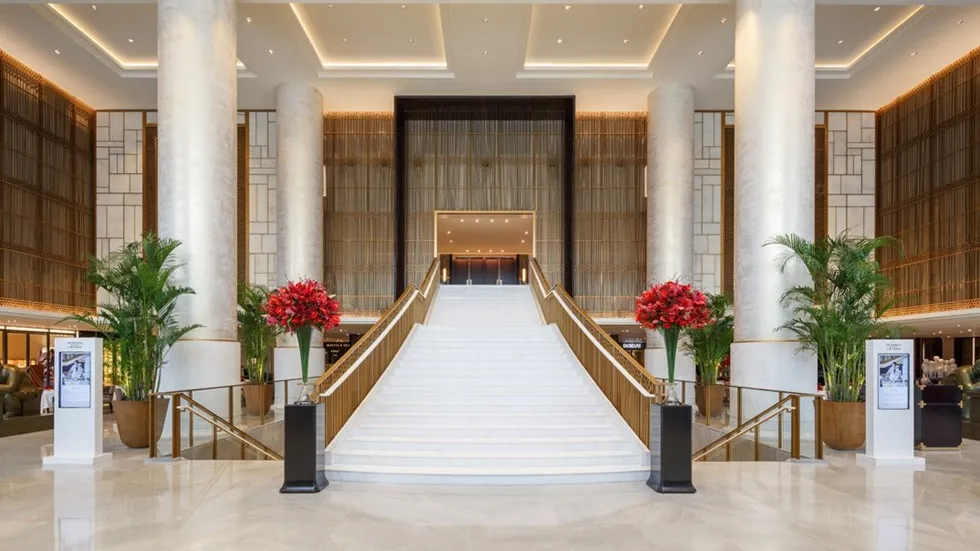
The hotel presents art in public areas and through its gallery. In a June 2026 announcement, it identified works by Chinese artists displayed on site. Two commissioned ink paintings by Qin Feng stand beside the grand staircase.
Works by Wu Qiong appear in the lobby and Jing restaurant. These examples give visitors specific artists and works to encounter, rather than a broad promise of “local culture.”
A 2025 photography exhibition took another approach. The hotel invited Randy and Spencer VanDerStarren to photograph Beijing for Take Your Seat. It displayed the resulting work in its gallery and public spaces, connecting what guests saw inside the property with places across the city. The exhibition was a one-time event, not a permanent feature readers should expect on a future visit.
Craft Becomes More Useful When Guests Can See Its Process
In 2026, the hotel announced a Peninsula Academy visit to a glazed tile kiln. According to its program description, guests can learn how artisans produce the tiles associated with Beijing’s imperial architecture and observe the firing process.
Another Academy activity pairs a local market visit with dumpling making in Huang Ting’s kitchen. Both give guests a way to see materials, methods, and people behind a finished object or meal.
That is the stronger commercial idea behind Chinese craftsmanship here. A decorative reference can establish a mood. Access to a working process gives a guest something more specific to understand and remember. The hotel’s published program supports that interpretation, though it does not establish how many guests participate or what effect the activities have on bookings.
How Technology Supports the Stay
Technology is one of the clearest links between Peninsula heritage and service innovation.
The Peninsula Hotels says its in-room technology is developed in-house and can operate the room environment in 11 languages. The group has maintained its own research and technology function since 1985.
At the Beijing property, the current hotel overview confirms that suites include the group’s latest in-room technology. Forbes Travel Guide currently describes tablets that control climate, blinds, entertainment, and room service, with additional requests available through the same interface.
The key point isn’t the screen itself. Luxury technology succeeds when it reduces small points of friction.
A guest who can change the room temperature, close the curtains, request water, or order food without switching between systems gains greater control over the stay. Multilingual interfaces also matter in an international hotel because the technology reduces dependence on translation for routine actions.
Human service remains central. Technology handles simple transactions so staff can focus on situations that need judgment, discretion, or personal attention.
This division of labor is a stronger model for service innovation than adding technology simply because it looks modern.
What the All-Suite Model Actually Delivers
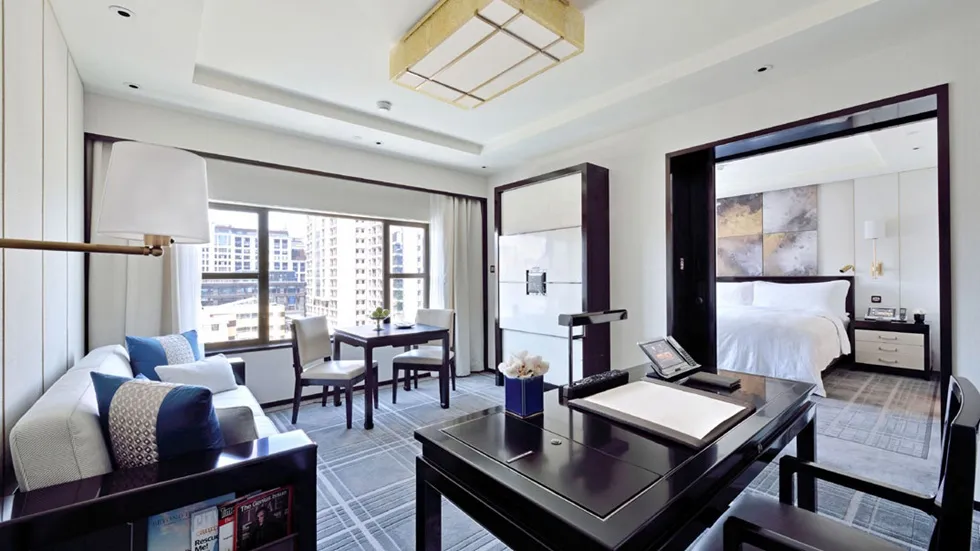
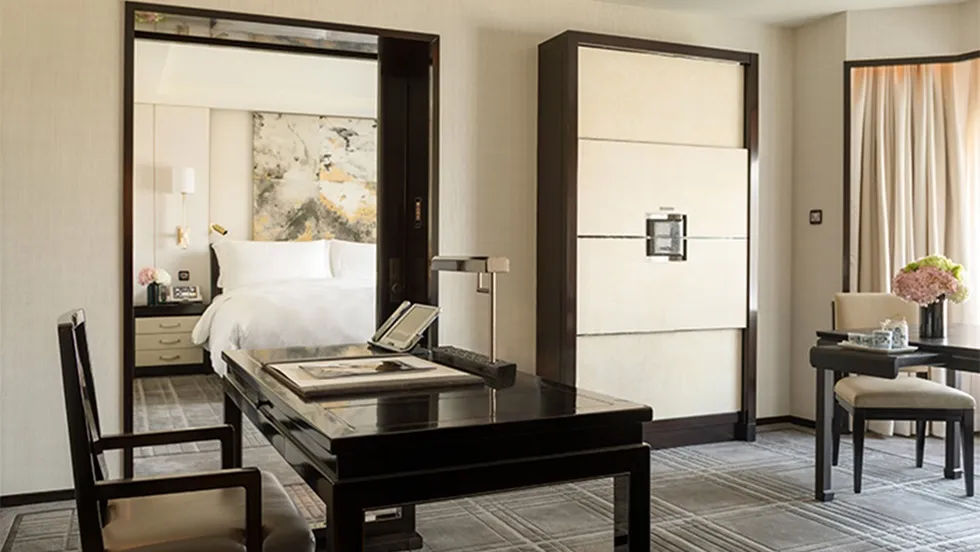
The smallest room is a 65-square-meter suite. Each unit separates the living room, bedroom, bathroom, and walk-in closet, supporting longer stays and family travel without requiring upgrades.
The Wangfujing Suite adds floor-to-ceiling windows and a tatami-style tea area. Suites currently start at 60 square meters. The hotel also offers larger categories including the 110-square-meter Wangfujing Suite and several two-bedroom suites.
The 2017 renovation converted the property from 525 rooms to 230 suites, making suite-style accommodation the hotel’s entry product.
What the Food Offering Adds
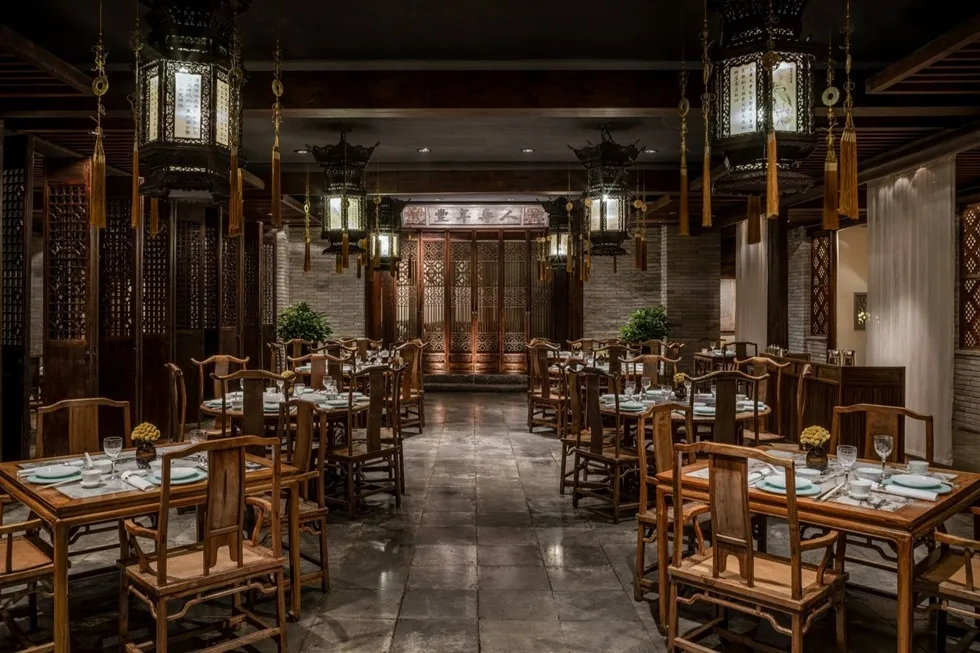
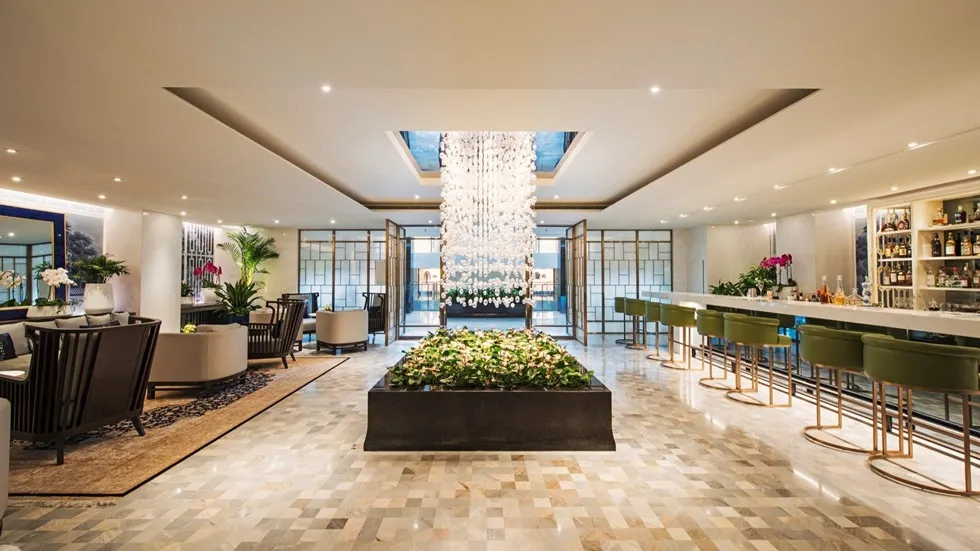
Jing, the hotel’s French restaurant, retained one MICHELIN star in the 2026 Beijing guide, its sixth consecutive year at that level. Huang Ting serves Cantonese cuisine in a courtyard-style setting. Yun Summer Lounge, on the fifteenth floor, reopened in March 2025 with Five Elements cocktails using Chinese liquor bases.
The hotel’s 2025 programming extended beyond food. From June to August, it hosted “Take Your Seat,” a photography exhibition with Canadian photojournalists Randy and Spencer VanDerStarren, displayed across the third-floor gallery and lobby.
In April, a Miffy-themed afternoon tea marked the character’s seventieth anniversary and cost RMB 688 (US$102.62) for two. These initiatives give guests additional cultural and leisure experiences within the hotel.
What The Peninsula Beijing shows about luxury in China
The Peninsula Beijing offers a case study in making a place visible through several parts of a stay. Artists’ works appear where guests gather. Craft activities reveal how things are made. Cultural excursions reach into the city.
Room controls and attentive service help guests use their time comfortably. Each element has a documented role; claims that the combination increases revenue or changes consumer behavior would require evidence the hotel has not published in the sources reviewed.
The strategic takeaway is therefore measured. A hotel can make local identity more convincing when guests can encounter its people, skills, food, and art directly. It can make luxury more useful when room design and technology solve ordinary needs with care.
The 2025 MICHELIN Key and What It Signals
In October 2025, The Peninsula Beijing received One Key in the MICHELIN Key Hotels ratings. The Peninsula Hong Kong and The Peninsula Shanghai earned Two Keys. The Key system, launched in 2024, evaluates hotels on architecture, service, and contribution to local character, not just amenities.
One Key is MICHELIN’s first Key distinction, awarded to hotels it considers to offer a very special stay. The recognition gives the hotel a verified quality signal for international travelers who use the MICHELIN Guide as a filter.
What This Means for the Broader Market
The Peninsula Beijing’s model matters because it treats heritage as an operating principle, not a marketing theme. The 2017 renovation preserved the building’s exterior and cultural references while meeting BREEAM standards and installing technology that reduces guest friction. The 2025 MICHELIN Key and the hotel’s cultural programming reinforce that position.
For hotel operators in China, the lesson is not to copy the all-suite format. Instead, decide what a property can credibly own, then commit to it through capital investment and daily operations.
The Peninsula Beijing chose space, privacy, and cultural continuity. That choice shapes every guest interaction, from check-in to the in-room tablet to the afternoon tea service.
Explore the China market with Ashley Dudarenok

The lessons from The Peninsula Beijing reach well beyond hospitality. Chinese consumer behavior increasingly rewards cultural credibility, relevant experiences, service innovation, and clear value.
Ashley Dudarenok works with teams through China market intelligence, executive education, advisory, keynotes, workshops, and learning expeditions. Her work can help teams examine what a China case offers their own customer experience and global expansion plans.
Book a consultation to discuss the questions most relevant to your business.
FAQs
Where is The Peninsula Beijing located?
The Peninsula Beijing is at 8 Goldfish Lane in Wangfujing, a central Beijing district near the Forbidden City. The address suits visitors who want access to historic sites and shopping. Check travel times for each planned visit before choosing a hotel.
Is The Peninsula Beijing an all-suite hotel?
Yes. The hotel describes itself as an all-suite address, but layouts and features vary across accommodation categories. Review the specific room plan before booking, particularly if you need a distinct work area, extra sleeping space, or room to entertain.
Can people visit the art gallery without staying at the hotel?
Access depends on the exhibition. The hotel stated that its 2025 Take Your Seat exhibition welcomed both hotel guests and the public. That event has ended, so check the terms of the current exhibition before visiting.
What is the Peninsula Academy in Beijing?
It is the hotel’s program of guided cultural experiences. The eight excursions announced in June 2026 cover subjects including art, food, historic sites, and craft. Ask the hotel which activities run during your dates and what each booking includes.
What technology is available in the rooms at The Peninsula Beijing?
Suites include iPad-based controls for lighting, curtains, and temperature. Bedside panels support eleven languages. Grand Premier Suites add multimedia docking stations and an all-in-one printer and scanner.
Can guests meet artists through the hotel?
The Artist Journey announced in 2026 includes visits to participating artists’ studios, where guests can meet creators and view their work. Participation may depend on scheduling. Confirm the artist, location, and format with the hotel when arranging a visit.
Does the hotel offer activities for guests who want to stay on site?
Yes. The hotel offers tea ceremonies, handicraft workshops, gallery access, wellness activities, and on-demand fitness classes as in-house guest experiences. Since activities can change, request the current schedule and ask which require advance reservations.
Is Huang Ting a Beijing cuisine restaurant?
Huang Ting serves Cantonese dishes and dim sum, according to the hotel’s 2025 chef profile. Its courtyard-inspired setting references traditional Beijing homes. Guests seeking a particular regional dish should review the current menu or ask the restaurant directly.
Does The Peninsula Beijing allow flexible arrival and departure times?
The hotel advertises Peninsula Time, which offers arrival as early as 6 a.m. and departure as late as 10 p.m. Confirm eligibility and availability for your reservation directly.
What should families check before booking a suite?
Ask about the exact sleeping layout, connecting room options, and any child services needed. Suite names alone cannot confirm that a room fits a family’s plans. A 2025 review reports that babysitting required advance notice at the time of publication.