
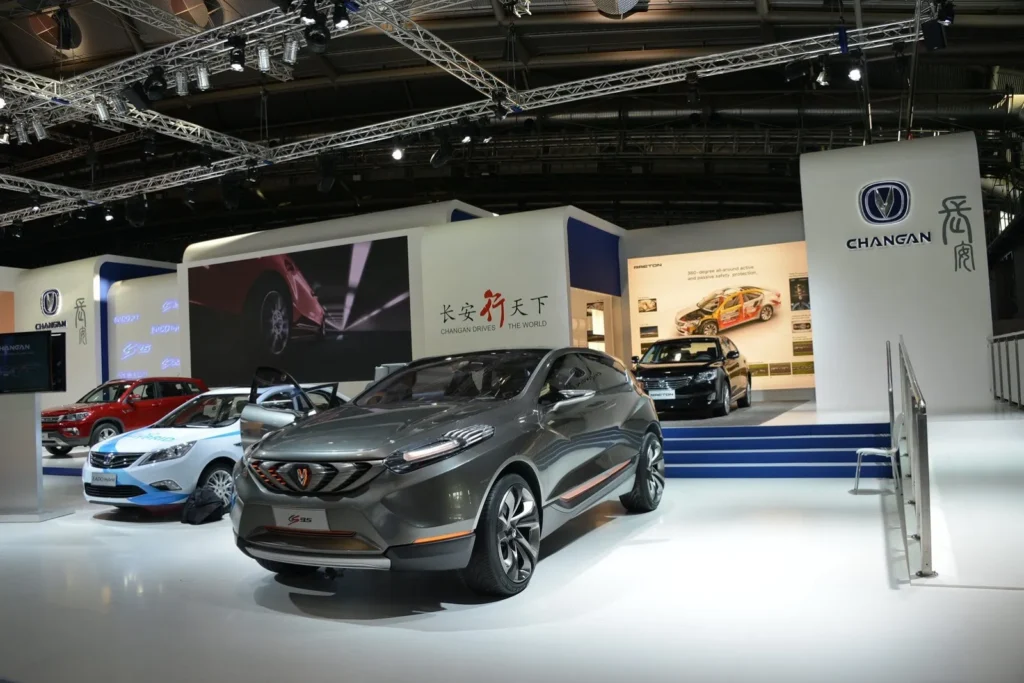
Changan Cars is part of a Chinese automotive group whose portfolio spans conventional vehicles and electrified brands, including Deepal, Avatr, and Qiyuan (known internationally as NEVO). Its transformation combines a larger EV business with overseas production, local engineering, and new distribution networks.
The business matters because it shows how Chinese automotive technology reaches customers abroad. Product development is one part of that process. Factories, software rights, service capacity, and financial discipline determine how well expansion translates into a durable business.
Changan Automobile Sales: What the 2025 EV Growth Actually Shows
The company’s 2025 annual report summary, published in April 2026, reports three distinct measures. The totals span the wider portfolio, including joint venture operations.
| Measure | 2025 volume | Annual growth |
| Total vehicle sales | 2.913 million | 8.5% |
| New energy vehicle sales | More than 1.11 million | 51.1% |
| Overseas sales | 637,000 | 18.9% |
China’s new energy vehicle category includes battery electric vehicles, plug-in hybrids, and fuel-cell vehicles. The NEVs figure therefore should not be presented as sales of fully electric cars alone.
The reported totals put electrified vehicles at roughly 38% of sales. Overseas sales represented about 22%. These are calculated shares, and the categories overlap: an electric vehicle sold abroad belongs to both.
The strategic reading is clear. Electrification changed the sales mix faster than the overall business grew. Overseas demand added a second source of expansion, but these figures do not establish profitability or customer loyalty.
Changan Cars, Deepal, Avatr, and Qiyuan: Understanding the Brand Portfolio
The group operates several brands with different roles. Annual reports and brand descriptions help distinguish them.
| Brand | Role in the portfolio |
| Changan | Established passenger vehicle ranges, including conventional powertrains |
| Qiyuan / NEVO | Electrified sedans, SUVs, and crossover products |
| Deepal | A distinct electrified brand that also appears under the Changan name in overseas markets |
| Avatr | Premium intelligent electric vehicle positioning |
This structure gives the group room to serve different purchase priorities without placing every product under one identity.
The strategic trade-off is complexity. Each additional brand needs its own communication and dealer explanation. The test is how clearly each identity addresses a distinct customer group and earns its share of development and marketing resources.
How the Changan Company Reorganization Changed Its Corporate Structure
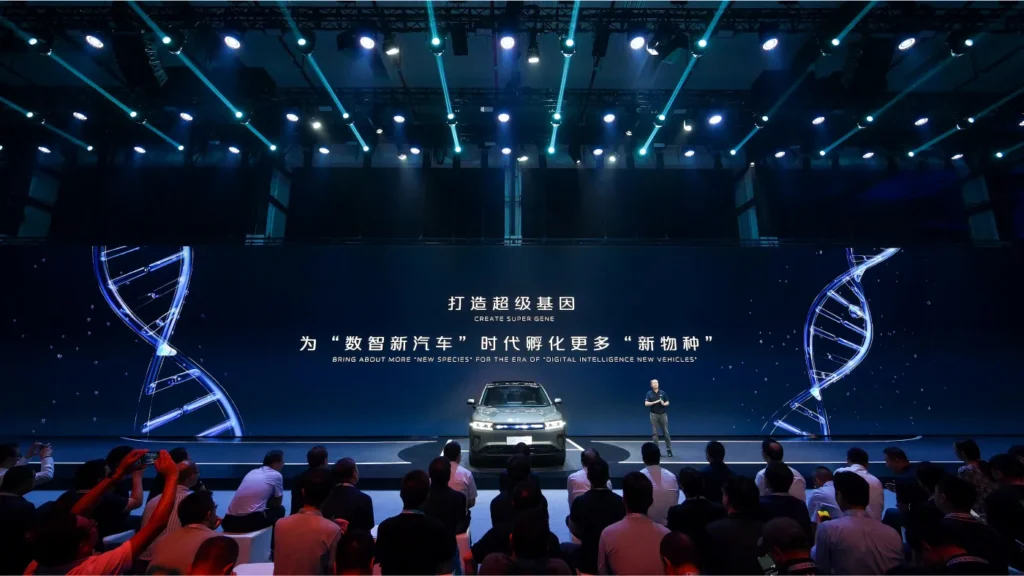
China Changan Automobile Group officially launched on July 29, 2025, as a central state-owned enterprise. The government announcement confirms the inauguration. The announcement describes the integration of vehicle manufacturing, components, and automotive finance.
The new parent and the listed carmaker are different legal entities. Chongqing Changan Automobile remains the Shenzhen-listed operating company, as its 2026 interim report confirms.
The commercial implication is tighter potential coordination across the automotive value chain. A factory investment needs parts, distribution, financing, and service alongside vehicle production. The parent structure brings those activities under a common automotive focus.
This change matters for China’s state-owned automotive groups. Ownership structure can shape resource allocation, while demand and execution still determine commercial results.
Thailand Shows How Overseas Manufacturing Becomes Local Capability
Changan inaugurated its Rayong factory on May 16, 2025. The opening announcement identifies it as the company’s first comprehensive overseas NEV production base and a hub for ASEAN and right-hand-drive markets.
The S05 Connects Chinese Technology With International Production
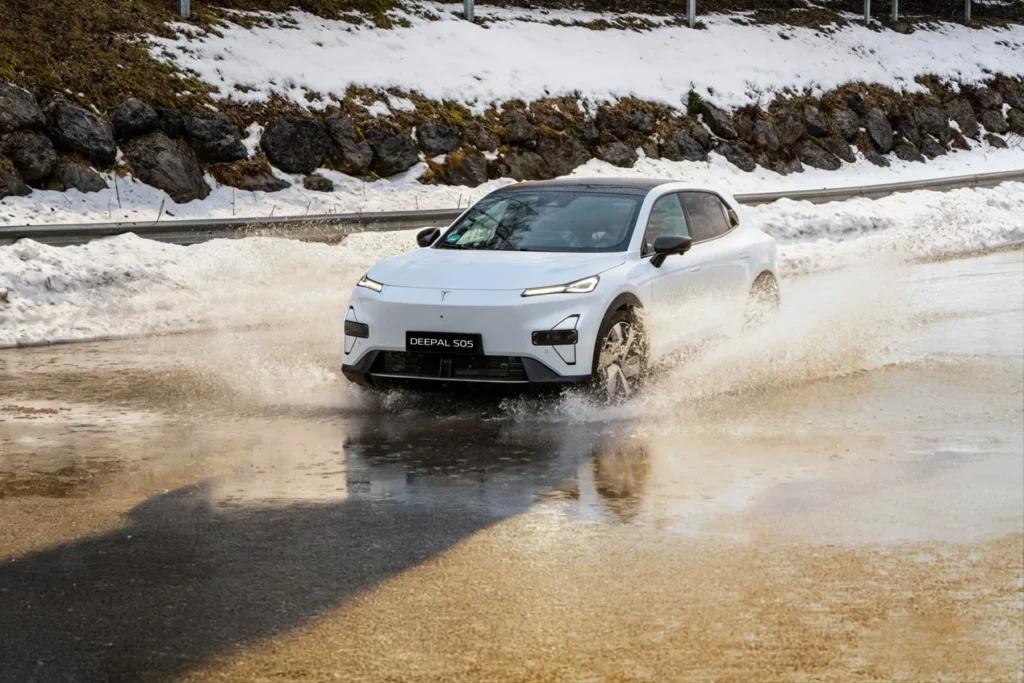
The UK launch of the S05 in February 2026 makes the operating model tangible. Changan says it designed the vehicle in Turin, calibrated it in Birmingham, and produced it in Rayong for Britain. Its launch reports approximately 60% local sourcing at the Thai facility.
This is a useful example of global R&D linked to production. Design, road calibration, and manufacturing sit in different countries around the same product.
A July 2026 company update reported more than 1,900 local jobs, nearly 90% local staffing, and factory exports reaching 18 countries.
The analytical takeaway is that supplier development and local employment form part of the expansion model. Potential partners should assess purchasing decisions, quality responsibility, and technical training alongside planned vehicle volumes.
Europe Makes Localization a Product and Service Challenge
The Changan SUVs entering Europe need a clear route from sale to repair. The distribution structure determines which organization is responsible at each stage of ownership.
Distribution Requires Different Structures Across Markets
Changan Auto reported in January 2026 that it had established a presence in 15 European markets during 2025. That footprint included markets preparing launches; it should not be read as 15 fully mature sales operations.
The company had its own national sales companies in Germany, Britain, and Spain. It used distribution partners in other markets, including Norway, Greece, and Portugal.
Changan’s European expansion advanced further in October 2026, when it introduced the NEVO brand at the Paris Motor Show and presented the Q05, Q06, and A06. The company also reported four European regional parts hubs, with parts availability above 97%, and outlined plans to establish nearly 400 sales and service outlets across 15 countries by the end of 2026. These developments show how Changan is building local sales and after-sales infrastructure alongside its product expansion.
The practical test is operational: compare repair capacity, parts availability, and complaint handling country by country. A central product strategy needs local accountability after the sale.
Smart Vehicles: What SDA Pilot and L3 Approval Actually Establish
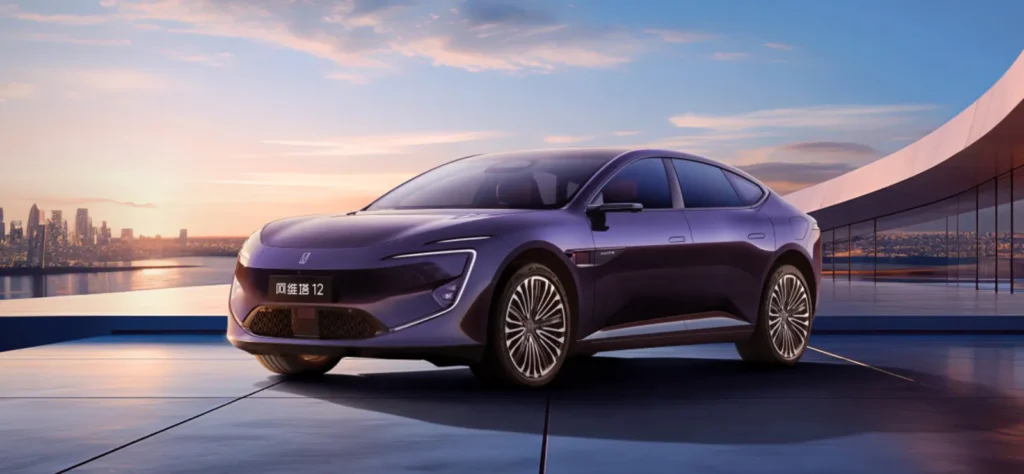
Changan’s technology strategy includes greater control over driving software. On September 4, 2026, it announced SDA Pilot, an advanced driver assistance system developed by its own engineering teams.
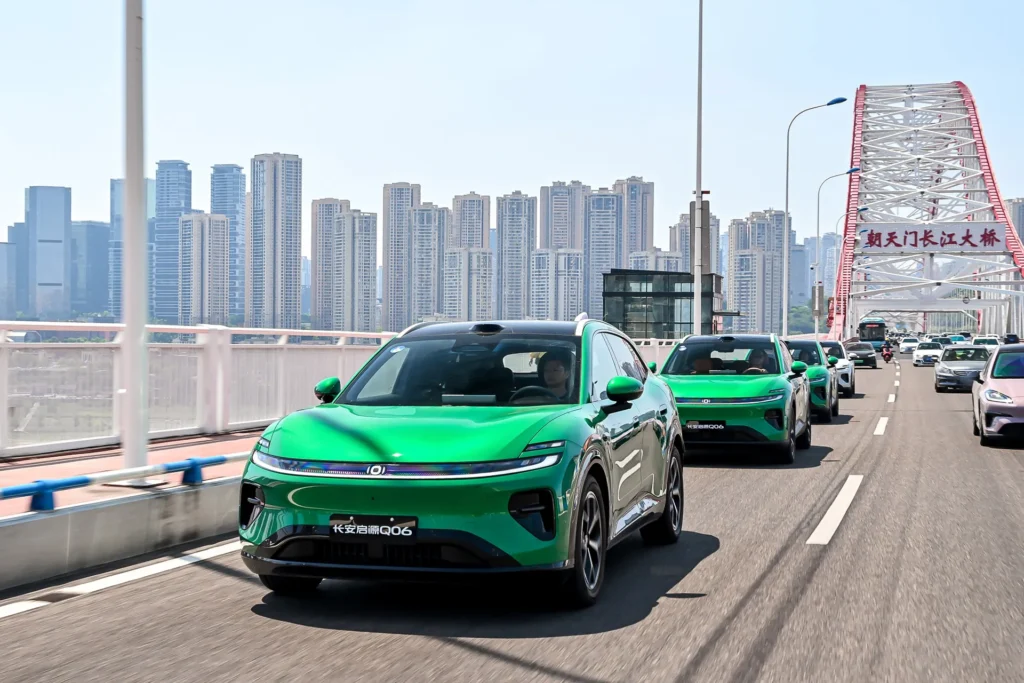
Changan opened preorders for the NEVO Q06, the first production model equipped with its SDA Pilot Ultra driver-assistance system. The announcement marked the system’s introduction in a production vehicle, though independent testing is still needed to assess its safety and performance.
The NEVO Q06 subsequently launched in China on September 23, 2026, offering battery-electric and range-extended versions. SDA Pilot Pro comes as standard, while Ultra is available as an upgrade.
The launch marks the commercial introduction of Changan’s in-house driver-assistance technology, though the system’s real-world performance still needs independent assessment.
Conditional Automation Has Specific Regulatory Limits
China’s Ministry of Industry and Information Technology approved a Changan L3 model on December 15, 2025. The approval specified single-lane operation in congested conditions, a maximum speed of 50 km/h, and designated Chongqing roads for the pilot.
That permission applied to one approved model and defined operating conditions. It does not establish autonomous capability across all Changan vehicles or export markets.
The business question is how software ownership affects development schedules, integration costs, and responsibility for updates. Overseas deployment adds another requirement: each market needs its own validated features and regulatory permissions.
Changan Auto in 2026: Expansion Faces a Profitability Test
The latest filings prevent a simple growth narrative. Changan’s September 2026 sales announcement, published on October 9, reported 1.693 million vehicle sales for January through September, down 18.07% year on year. NEV sales reached 709,256 units, a decline of 2.07%.
However, September alone recorded 119,779 NEV sales, up 15.64% year on year, showing a monthly improvement despite the weaker nine-month results.
Its first-half report recorded a 64.32% decline in net profit attributable to shareholders. The company linked the decline to lower sales and reduced foreign exchange gains. It said attributable profit would have risen 12% if it excluded the foreign exchange effect.
These measures answer different questions. Vehicle sales show demand and product mix. Reported profit captures business performance alongside currency effects. The company’s adjusted explanation adds context, but it does not replace the reported result.
A useful evaluation should track three outcomes: sustained local orders, the cost of serving those customers, and cash generated after expansion spending.
China offers a working example of international automotive technology development. Its commercial value depends on how well that technology converts into reliable products and financially sound operations.
Learn From the Business Behind Changan Cars With Ashley Dudarenok

Changan’s expansion puts a practical question on the agenda: what can global companies learn from China’s approach to product development and market adaptation?
Through China-focused keynotes and executive workshops, we connect company case studies with leadership discussions about innovation and commercial execution. Each session starts with a specific business brief, examining which practices could apply across markets and where local conditions call for a different approach.
Book now to discuss a tailored keynote or executive workshop on learning from China.
FAQs About Changan Cars
1. How Much Do Changan Cars Cost?
Prices vary by country, model, powertrain, and trim. Ask the local dealer for an itemized quote that includes taxes, registration, delivery, and optional equipment. Compare finance costs separately from the advertised vehicle price.
2. Are Changan Cars Safe?
Safety evidence is model-specific. The Deepal S05 earned five stars in Euro NCAP’s 2025 assessment. Check the tested version and applicable variants before comparing results. One model’s rating does not reflect the brand’s overall safety.
3. What Warranty Covers a Changan EV Battery?
Changan’s UK policy provides eight years or 124,000 miles of high-voltage battery coverage, whichever comes first, with a 70% capacity threshold. Other markets have their own terms. Check exclusions and usage conditions before purchase.
4. What Is the Driving Range of the S05?
The May 2026 UK specification lists up to 303 miles for the rear-wheel-drive S05 under WLTP testing. Actual range varies with weather, speed, load, and equipment. Compare the exact drivetrain and test standard used in each quotation.
5. Can You Charge a Changan EV at Home?
Changan’s UK ownership guidance confirms home charging for its electric models. Ask a qualified installer to assess your electrical supply and where you’ll install the charger. Confirm the vehicle’s AC charging limit before choosing a wallbox.
6. Do Changan Autos Need Regular Servicing?
Changan vehicles need regular servicing, but intervals depend on the model and powertrain. In the UK, the battery-electric S05 and S07 require an initial service at 24 months or 24,000 miles, followed by servicing every 12 months or 12,000 miles. The S05 Ultra plug-in hybrid requires servicing every 12 months or 12,000 miles from first registration. Always check the schedule for your specific vehicle.
7. Can Changan Electric Vehicles Power Appliances?
The UK S05 and S07 offer vehicle-to-load output of up to 6 kW. Use the specified adapter and observe equipment limits. Appliance power does not automatically mean compatibility with household backup systems.
8. Can the S07 Tow a Trailer?
Changan lists a maximum towing capacity of 1,500 kg for the UK S07. Confirm the approved towbar, trailer weight, and loading limits with the dealer before choosing a vehicle for towing.
9. Do Changan Models Support Apple CarPlay and Android Auto?
Changan confirms wireless Apple CarPlay and Android Auto for the S05. Ask the dealer to demonstrate your phone’s connection during a test drive. Check local specifications rather than assuming all markets get the same equipment.
10. What Should You Check Before Buying a Used Changan Car?
Check service invoices, accident repairs, outstanding recalls, and battery condition. Ask the importer to confirm remaining warranty coverage using the VIN. Changan permits transfer to subsequent owners while the coverage remains valid.