

Many people search for brands in China to find a list of names. The deeper value lies in understanding what success in China reveals about modern competition.
China tests relevance, speed, trust, and consumer understanding at a very high level. The brands that rise in this market offer useful signals for leaders who want a sharper view of demand, premium value, and the next phase of brand growth.
Why China Is One of the Hardest Markets for Brands to Win In
China places brands under constant pressure. Consumers compare quickly, move across platforms with ease, and react fast to shifts in value, design, reputation, and product quality.
Discovery can happen on one channel. Validation can happen on another. Purchase can happen in a third place. That behavior sits inside a massive digital commerce base: in 2025, according to the National Bureau of Statistics of China, China’s online retail sales reached RMB 15.97 trillion (approximately USD 2.34 trillion), and online sales of physical goods alone accounted for 26.1% of total retail sales.
That pattern leaves little room for lazy positioning or vague messaging. A brand needs a clear reason to matter. This pressure comes from the maturity of the market as much as its scale. In 2025, China’s total retail sales of consumer goods reached RMB 50.12 trillion (approximately USD 7.35 trillion), which helps explain why the market amplifies both brand strengths and brand weaknesses.
Chinese consumers have seen waves of product innovation, retail change, digital content, and premium storytelling. They are used to choice. They are used to speed. They are also used to reading signals with a sharp eye. A strong claim needs proof. A premium story needs credibility. A good brand name still needs product substance behind it.
Pricing Factor
Price plays a role, though price alone does not settle the question. Consumers in China often look for value in a fuller sense. They want quality, function, design, service, emotional reward, and social meaning in the right mix for the category.
That is why premium still holds power in many parts of the market. It also explains why value-driven brands can gain ground when they make a smart and convincing case.
Local Competition
Local competition raises the bar further. In categories such as consumer technology, home appliances, sportswear, beauty, and home living, Chinese brands have become far more confident and capable.
They move close to local demand, read platform culture well, and respond fast when consumer priorities shift. Many of them have grown up in a market that rewards speed, sharp segmentation, and practical innovation. That experience has made them tougher rivals.
What the Strongest Brands in China Tend to Get Right

The strongest brands in China tend to understand demand in concrete terms. They do not rely on broad claims or old assumptions about status. They read what consumers want from a category, what kind of proof matters, and what emotional or practical need sits behind the purchase. This gives them a sharper value story. It also gives them better control over:
- Product
- Pricing
- Communication
- Retail experience
Relevance & Clarity
Relevance sits close to the center of that success. Winning brands align themselves with real habits, local expectations, and the way discovery now works across digital retail and content platforms.
They know that attention is fragmented and consumer judgment is fast. They build for that reality. They adapt tone, product focus, campaign timing, and channel presence with more discipline than slower brands.
Clarity matters too. Consumers are more likely to reward a brand when the promise feels easy to grasp. In many categories, the strongest players communicate a simple reason to care. They tell the consumer what the product offers, why it fits a need, and why the purchase feels worthwhile. This matters in a busy market where people can compare several options within minutes.
Trust Matters
Trust also carries unusual weight. In beauty, appliances, apparel, food, and technology, consumers want confidence that the product will live up to the brand story.
Reviews matter. Reputation matters. Consistency matters. Service matters.
A brand that builds trust can charge more, recover faster, and hold attention longer. A brand that loses trust often finds the damage hard to contain.
Many brands from China have become stronger through this combination of relevance, clarity, and trust. They have learned how to connect innovation with use, design with value, and market speed with category focus. That learning curve has raised the standard across the board. It has also pushed global competitors to update the way they read the market.
Top Brands In China: What Leading Names Reveal About Competition, Relevance, And Consumer Demand
These leading names do more than rank highly. Each one offers a different clue about what consumers value, trust, and reward in China today.
1. Apple

Apple continues to hold strong ground in China because its premium position rests on trust that feels tangible. Consumers know what the product stands for, what the experience feels like, and how the wider ecosystem fits into daily life.
That clarity gives Apple unusual resilience in a market that compares hard and punishes weak value stories. Its strength shows that premium pricing can hold when the brand promise feels coherent, useful, and dependable.
2. Huawei
Huawei reflects the power of local innovation backed by serious consumer confidence. Its position says a great deal about the maturity of domestic technology competition in China.
People do not respond only to name recognition. They respond to capability, relevance, and the sense that the brand can deliver at a high level under pressure.
Huawei shows that local credibility can carry both emotional resonance and hard commercial force when innovation feels visible and grounded. Huawei’s 2025 annual report gives that credibility commercial scale: the company reported CNY 880.9 billion (approximately USD 129.2 billion) in revenue and invested CNY 192.3 billion (approximately USD 28.2 billion) in R&D, equal to 21.8% of annual revenue.
3. Xiaomi
Xiaomi has built strength through a sharp reading of value. In China, value does not mean cheap in any simple sense. It means a product that feels current, useful, well designed, and worth the spend.
Xiaomi has understood that balance well. It gives consumers a strong functional case without stripping away appeal.
The brand shows how market share can grow when price discipline sits alongside ecosystem thinking, speed, and a clear understanding of everyday needs.
4. Midea
Midea shows how practical relevance can become a major brand advantage. In the home appliance category, consumers care about comfort, efficiency, ease, and visible improvements in daily life.
Midea has stayed close to that reality. Its strength comes from linking product development to household routines that people actually value.
The lesson is important for global leaders. Brands can scale in demanding markets when innovation feels useful, familiar, and easy to trust at home.
5. Haier
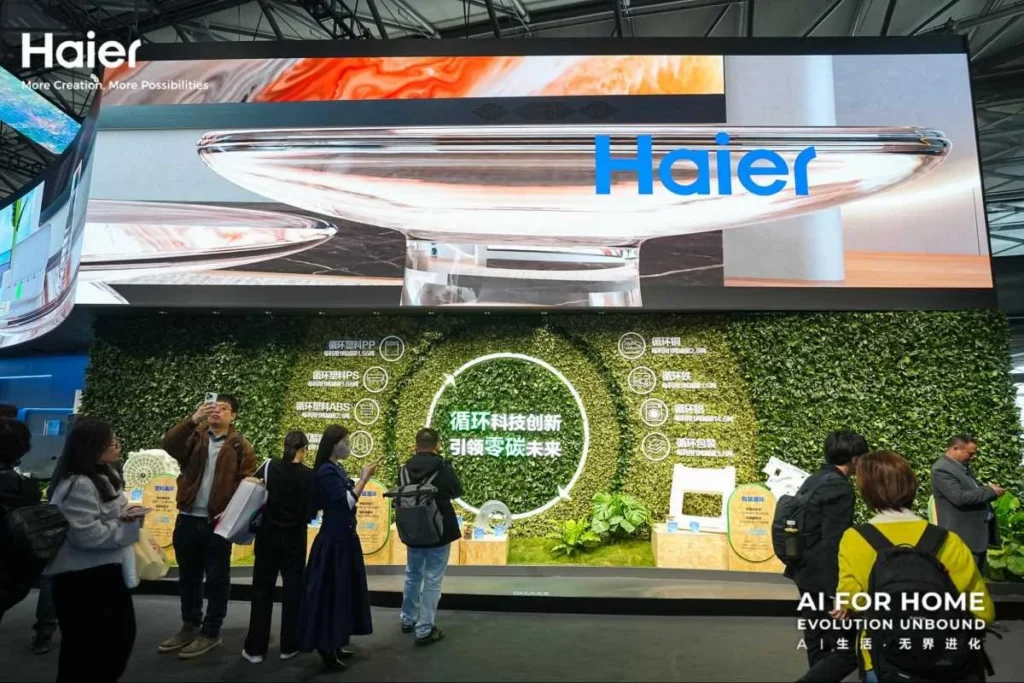
Haier reflects the long-standing value of trust in categories that shape daily life. Consumers do not treat home appliances as casual purchases. They expect reliability, product confidence, and a brand they can return to without anxiety.
Haier has earned that position through consistency and relevance over time. Its presence among the leading names in China shows that credibility still carries great weight when the product sits close to family routines and practical decision making.
6. Lenovo
Lenovo holds its place through clarity and dependable category meaning. In a crowded technology market, that matters more than many brands admit.
Consumers and business users have a fairly clear idea of what Lenovo represents, and that familiarity supports confidence. The brand does not rely on spectacle. It benefits from functional authority and steady relevance.
Lenovo shows that in China, durable strength can come from disciplined delivery and a promise that remains easy to understand.
7. Moutai
Moutai represents one of the clearest examples of premium value rooted in culture. Its appeal goes far beyond product consumption in the narrow sense. It carries ritual, status, gifting, and shared recognition. That gives the brand a depth that many premium names struggle to build.
Moutai shows that in China, high-value consumption often draws force from social meaning and cultural legitimacy. Premium brands gain strength when they speak to identity, occasion, and symbolic significance.
8. Nike
Nike remains powerful in China because it carries strong category authority and broad aspirational appeal. At the same time, the market around it has changed. Domestic sportswear players have become stronger, more confident, and more in tune with local sentiment.
Nike still matters because its identity feels deep and recognizable. Its position shows that global brands can retain strength in China when they continue to renew relevance, sharpen local sensitivity, and defend product credibility.
9. Li Ning
Li Ning reflects the rise of local cultural confidence in sportswear. The brand has moved beyond basic recognition into a stronger position built on identity, style, and a sense of local relevance that resonates in the market.
Chinese consumers have become more open to domestic names that feel authentic and ambitious.
Li Ning shows how a brand can turn cultural connection into mainstream commercial strength when product appeal and market timing come together in the right way.
10. adidas
adidas remains an important name in China, though its place also speaks to a harder competitive environment. Legacy still has value, and recognition still counts, though neither one can carry a brand on its own in this market. Consumers expect sharper relevance than before.
“If you sit in headquarters and decide what should be in all the stores around the world, it’s simply not going to work.”
— Bjørn Gulden, CEO, adidas
adidas shows that established global players need active renewal if they want to hold attention. Its 2025 annual report shows that renewal can still pay off in China: adidas brand sales in Greater China increased 13% on a currency-neutral basis, net sales reached €3.623 billion (approximately USD 4.26 billion), and operating profit rose to €802 million (approximately USD 943.3 million).
Strong heritage helps, though the present-day fit with local demand remains central to durable performance.
11. Uniqlo
Uniqlo shows the power of simplicity executed well. In apparel, many brands add noise, chase trends too loosely, or lose clarity about what they offer. Uniqlo has stayed focused on accessible quality, functional design, and consistency that consumers can trust.
That disciplined proposition has real strength in China, where comparison is easy and attention is fragmented.
‘The Mainland China market is very large, so we need to change our basic operational structure to one that directly links our supply chain, e-commerce, production, and retail operations.’
— Tadashi Yanai, CEO, Fast Retailing
Uniqlo proves that a clear value story can travel far when it stays grounded in everyday usefulness.
12. LINSY Home
LINSY Home captures an important shift in Chinese consumer life, which is the desire to upgrade the home in ways that feel both stylish and attainable.
Furniture and home living purchases often carry emotional weight because they shape comfort, identity, and the feel of daily life.
LINSY Home has gained traction by speaking to that aspiration in a practical register. The brand shows how home categories grow when design feels accessible and relevant to real living spaces.
13. L’Oréal
L’Oréal remains one of the strongest beauty names in China because it combines aspiration with credibility. Consumers in this category often look closely at efficacy, brand trust, and the sense that a product can justify its claims.
L’Oréal benefits from broad recognition, though the deeper advantage lies in authority that feels earned. Its position shows that beauty leadership in China belongs to brands that treat trust as seriously as image and keep pace with changing consumer expectations.
14. Supor
Supor speaks to the hidden strength of household brands that sit inside daily routines. Kitchen and home products may receive less cultural attention than fashion or beauty, though they matter deeply to the consumer experience. Repeated use builds familiarity, and familiarity can build trust when product performance stays reliable.
Supor shows how practical categories create room for durable brand strength. In China, usefulness can become a major competitive advantage when people experience the value directly.
15. Chow Tai Fook
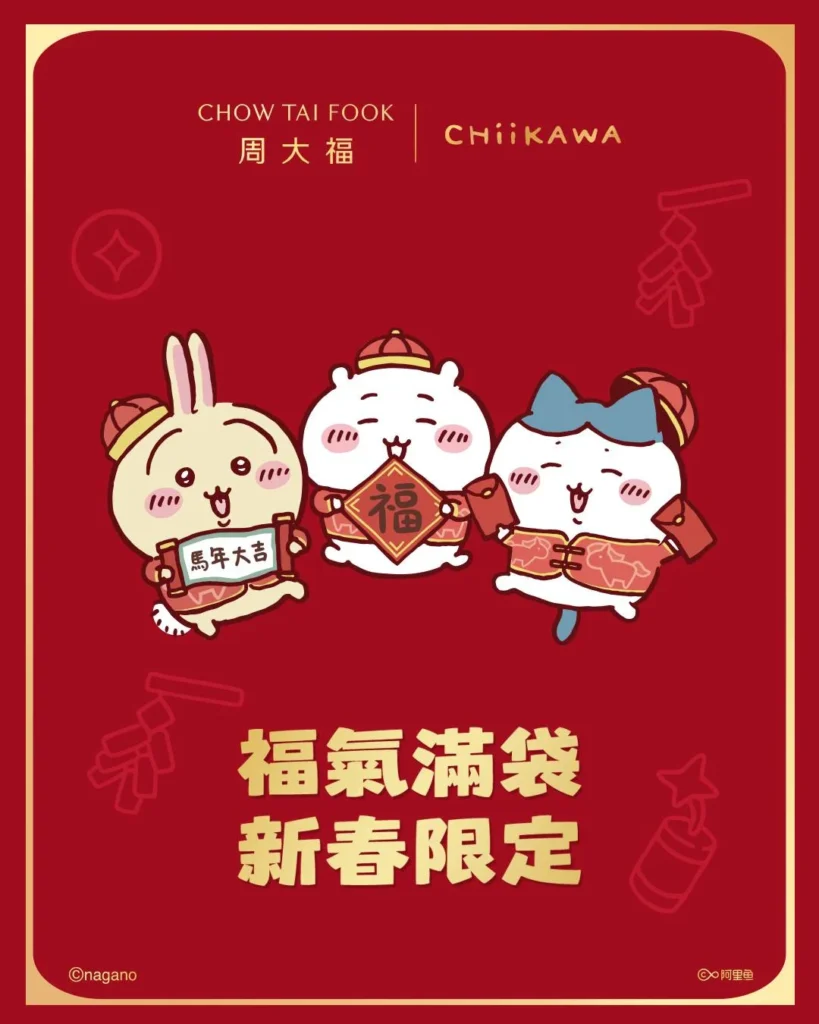
Chow Tai Fook reflects the importance of trust and symbolism in the jewelry market. Consumers often buy jewelry for moments that carry family meaning, social visibility, or long-term value. That makes brand credibility very important.
Chow Tai Fook has remained relevant because it sits close to those emotional and cultural currents. Its strength shows that premium consumption in China often grows through shared codes of significance, not only through design, price, or store presence.
16. Vivo
Vivo highlights how fiercely competitive the smartphone market has become in China. Consumers are highly sensitive to user experience, visual appeal, camera performance, and the overall feel of the device in everyday life.
The brand has stayed relevant by reading those preferences closely and translating them into products that feel current. Vivo mobile shows that winning in this category depends on daily fit, not on technical claims alone or on brand awareness by itself.
17. FILA
FILA has built an appeal in China by occupying a polished space between sport and lifestyle. Many consumers want products that signal taste and quality without feeling too formal or too distant.
FILA has served that desire well through a proposition that feels elevated, visible, and easy to wear. Its position shows that sports fashion can carry a strong commercial force when status, style, and familiarity come together in a balanced way that suits daily consumer expression.
18. ANTA
ANTA reflects the growing maturity of domestic sportswear competition in China. The brand has expanded with confidence because it understands the market at scale and knows how to speak to broad patterns of demand.
Consumers today see local sportswear as credible, current, and relevant across many use cases. ANTA shows that domestic players can compete strongly when they combine category ambition with practical market understanding and a proposition that feels rooted in local reality.
19. Wuliangye
Wuliangye stands as another signal of how premium demand in China often draws power from heritage and social meaning. In this category, value comes from reputation, ritual, gifting, and the confidence that others recognise the brand’s significance.
Wuliangye shows that premium strength can grow through deeply embedded cultural codes. The lesson is important for leaders beyond China. Consumers often attach greater value to products that carry legitimacy, occasion, and shared symbolic weight.
20. Laopu Gold
Laopu Gold reflects the strength of premium demand that feels culturally grounded. Gold in China carries associations with celebration, family continuity, prosperity, and visible worth. A brand that understands those signals can build deep relevance.
Laopu Gold has gained traction because it aligns product appeal with meanings that already carry force in the market. Its position shows that premium brands can grow strongly when they work with cultural familiarity instead of relying on surface luxury cues.
21. PROYA

PROYA illustrates the growing confidence of domestic beauty brands in China. Consumers who once leaned more heavily toward international names are now more willing to trust local players that feel effective, modern, and well-positioned.
PROYA has benefited from that shift because it speaks to current skincare priorities with greater precision. The brand shows how domestic beauty can gain authority when consumers see the product as credible, the message as clear, and the proposition as relevant.
22. YESWOOD
YESWOOD reflects a demand pattern that reaches beyond furniture into the broader idea of home as a personal space worth upgrading. Consumers in China are paying close attention to comfort, design quality, and the emotional feel of domestic life.
YESWOOD has found relevance by bringing those priorities into an accessible form. The brand shows that home-related categories can build strong traction when quality, warmth, and practical aspiration come together in a way that feels believable.
23. Lancôme
Lancôme remains a strong prestige beauty name in China because it carries emotional appeal alongside product confidence.
Prestige in this market still matters, though it needs substance behind it. Consumers expect a refined image, yet they also expect trust in the formula, the results, and the brand’s authority.
Lancôme shows that premium beauty holds power when desire is supported by credibility. That balance remains central to winning in a market that reads claims very closely.
24. Bosideng
Bosideng shows the power of category authority. Rather than stretching itself into vague lifestyle territory, it has built strength through repeated proof in outerwear, where function and reliability matter a great deal. Consumers know what the brand stands for, and that clarity supports confidence.
Bosideng shows that leadership can grow through depth in one category when performance remains visible. In China, a focused promise can be highly effective when it stays relevant and dependable over time.
25. Sony
Sony reflects the continued value of legacy when legacy still feels alive in the product experience. In consumer electronics, recognition helps, though it must connect to present day trust and perceived quality.
Sony remains meaningful because many consumers still associate the brand with strong product standards and category competence. Its place in China shows that older names can keep their force when they retain relevance and continue to justify the confidence built over many years.
26. Honor
Honor shows how a technology player can gain traction through a sharp balance of performance, design, and value. In China’s mobile market, consumers are highly alert to what they get for the price. They want products that feel current and capable without carrying unnecessary distance from everyday needs.
Honor has relevance because it fits that expectation well. Its rise shows how quickly a strong market fit can translate into meaningful competitive momentum.
27. OPPO
OPPO reflects the importance of feature relevance in Chinese mobile competition. Consumers pay close attention to camera quality, battery life, design language, and the small details that shape everyday satisfaction.
OPPO has stayed strong because it reads those habits closely and turns them into product choices that feel timely. The broader lesson is clear. Brands grow in China when they stay close to the lived consumer priorities and convert insight into a clear offer.
What Global Leaders Should Learn From the Brands Winning in China

The strongest lesson from brands in China is that brand strength now depends on lived value. Awareness still matters. Prestige still matters. Yet neither one carries enough weight on its own.
Brand Strength in China Now Depends on Lived Value
Consumers want a clear reason to trust the product, a clear sense of why it fits their lives, and a clear feeling that the brand understands the context in which they are buying.
That lesson applies across price points. In premium categories, luxury brands in China still have room to grow, though the premium case needs depth and credibility.
Consumers look for status and emotional meaning, yet they also expect product confidence and a brand story that feels earned.
What China’s Winning Brands Reveal About Future Competition
In more practical categories, the same discipline applies through different signals. The product needs to solve a real need, and the brand needs to make that value obvious.
Global leaders should also pay attention to the competitive pressure created by brands from China. Many of these companies have developed inside one of the most demanding consumer markets in the world.
They have learned to move fast, read digital behavior closely, and connect product thinking with clear commercial logic. That experience gives them strength far beyond China.
China Offers an Early Read on Where Demand Is Going
A final lesson stands out. China often surfaces demand shifts early. It gives leaders a close view of how consumers respond when choice is abundant, comparison is easy, and weak positioning is punished fast.
The brands that thrive there can teach global teams a great deal about relevance, precision, premium value, and the future shape of competition. That is why studying this market remains so useful for anyone building a modern brand strategy.
Work With Ashley Dudarenok to Decode Brand Competition in China

If your team is trying to understand why some brands in China keep gaining relevance while others lose momentum, Ashley Dudarenok can help turn those market signals into a practical strategy.
She works with leadership teams, marketers, and innovation groups to interpret Chinese consumer behavior, benchmark category leaders, and sharpen brand thinking for China and beyond.
Through keynote speeches, executive briefings, and workshops, Ashley helps companies understand what drives trust, premium value, and competitive advantage in one of the world’s most demanding consumer markets.
Book a session with Ashley Dudarenok to turn insights on brands in China into a sharper growth strategy.
FAQs About Top Brands in China
Below are answers to the most common questions about brands in China, consumer demand, and what winning in this market reveals about modern competition.
1. What are the top brands in China today?
Today’s top brands in China span technology, appliances, sportswear, beauty, and jewelry. Leaders change by category, though Apple, Huawei, Midea, Haier, and Nike remain highly influential.
2. Why are Chinese brands becoming more competitive?
Chinese brands have become more competitive because they move faster, read local demand closely, and connect product design, pricing, and digital retail with greater precision.
3. How do global brands in China stay relevant?
Global brands in China stay relevant when they localize thoughtfully, protect product quality, and keep proving value to consumers who compare quickly and expect sharper relevance.
4. What makes a brand successful in the China consumer market?
A successful brand in the Chinese consumer market offers clear value, strong trust signals, local relevance, and products that fit fast-changing consumer expectations.
5. Are domestic brands stronger than international brands in China?
Domestic brands are stronger in many categories, though international brands still win where heritage, product authority, and emotional aspiration remain meaningful to Chinese consumers.
6. How important is digital retail in China for brand growth?
Digital retail in China is central to brand growth because discovery, comparison, validation, and purchase often happen across connected platforms rather than in one place.
7. How do Chinese consumers judge brand value?
Chinese consumers judge brand value through product quality, reviews, design, usability, price fairness, and the sense that a brand understands their actual needs.
8. What can global companies learn from brands from China?
Global companies can learn speed, sharper consumer reading, and stronger product market fit from brands from China that compete in a highly demanding environment.
9. Which categories have the strongest brands in China?
The strongest brands in China are often found in consumer technology, home appliances, sportswear, beauty, jewelry, and lifestyle categories tied to everyday demand.
10. What role does cultural relevance play for brands in China?
Cultural relevance helps brands in China feel timely, familiar, and emotionally credible. It gives products a stronger meaning and helps messaging connect with local demand.
11. How should brands build brand strategy in China today?
A strong brand strategy in China starts with consumer insight, clear positioning, local market adaptation, and consistent proof that the product delivers real value.