
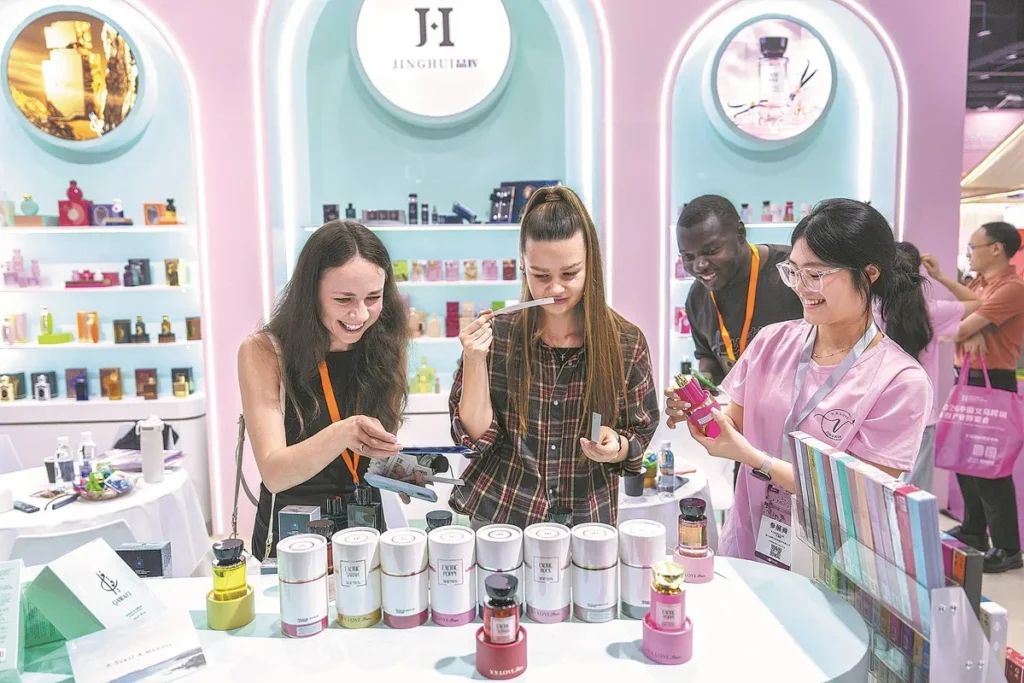
Chinese makeup brands are gaining global relevance because their strongest players now own clear product territories. MAOGEPING leads premium facial sculpting, Florasis translates Chinese craft into luxury color, Judydoll develops clever application tools, INTO YOU made lip mud its signature, and Funny Elves specializes in complexion makeup for Asian skin.
Global demand is starting to match this creative momentum. China’s cosmetics exports rose 11.7 percent in the first eight months of 2025 to $5.2 billion. The 20 best Chinese makeup brands below reveal a category advancing from social media discovery toward serious retail expansion.
Their progress offers practical lessons in hero product development, cultural storytelling, consumer feedback, and international channel strategy.
Why Chinese Cosmetic Brands Matter in 2026
C-Beauty today operates at the intersection of three forces: the Guochao (national pride) movement, hyper-accelerated digital commerce, and ingredient-led product innovation.
Unlike the K-Beauty wave of the 2010s, which emphasized skincare routines and dewy finishes, Chinese cosmetics are defined by bold color expression, texture innovation like lip muds and jelly blushes, and packaging that draws from Chinese heritage—mountainscapes, traditional paintings, and imperial motifs.
China’s 2025 cosmetics retail sales at enterprises above the official reporting threshold increased 5.1 percent, according to the National Bureau of Statistics. More importantly, local companies are converting domestic competition into exportable products.
Douyin and Xiaohongshu compress the distance between trends, customer feedback, and launches. Livestreams test selling language, KOLs create scale, and KOCs expose usability problems. A Chinese makeup brand can learn from content and commerce within one cycle.
How This Chinese Makeup Brands List Was Selected
“Best” refers to strategic relevance rather than a universal product score. Each name required a clear makeup identity, a differentiated product strength, and current evidence of active development. The selection covers premium, mid-priced, and affordable C Beauty makeup brands. Suitability still depends on skin type, undertone, and shade range.
The 20 Best Chinese Makeup Brands to Know
1. MAOGEPING
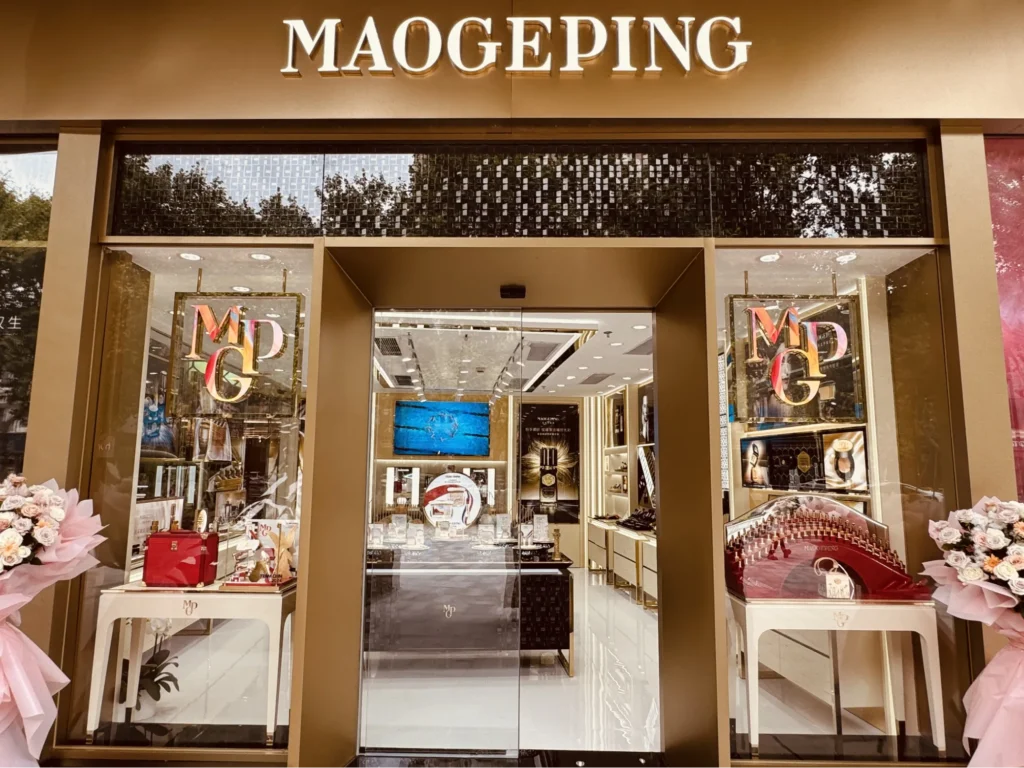
MAOGEPING leads China’s premium makeup tier through professional light and shadow techniques. Foundation, concealer, contour, and highlighting form its core. The company reported 2025 revenue of RMB 5.05 billion, up 30 percent, and then signed a 2026 global growth agreement with L Catterton.
Its 2025 “Oriental Aura” collection, priced at RMB 800-2,000 per piece, sold out in 48 hours across its 120 brick-and-mortar stores in China. MAOGEPING’s retail strategy—anchored in high-end department stores like SKP—appeals to affluent consumers who view Chinese cosmetics as status symbols rather than compromises.
2. Florasis
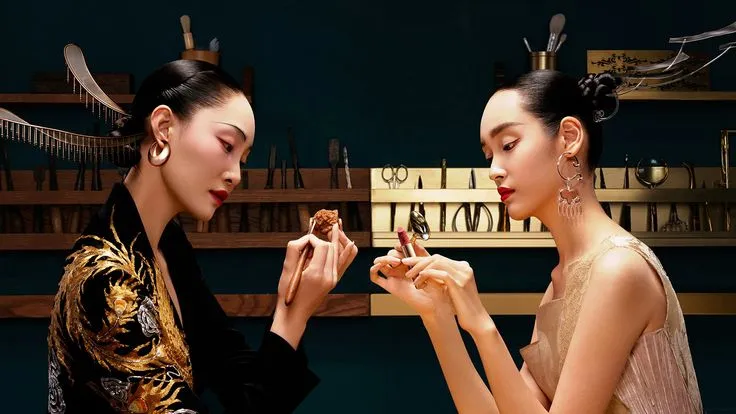
Florasis turns Chinese cultural storytelling into premium color cosmetics. Engraved lip products and embossed palettes remain its signatures. In 2025, it opened its first international flagship boutique in Tokyo and showed a smart factory connecting automated production with in-house quality control.
Its East-meets-West aesthetic—embossed lipsticks, phoenix-motif compacts—resonates strongly in Southeast Asia and the U.S. Florasis’s patented micro-powder technology and ultra-fine pigment dispersion remain industry benchmarks.
3. Perfect Diary
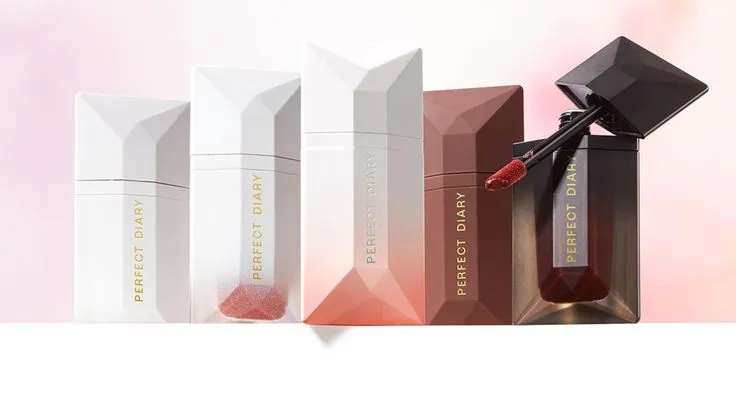
The brand that ignited the C-Beauty revolution. Perfect Diary remains the undisputed volume leader, with 2025 revenues exceeding RMB 3.5 billion across its core line and sub-brand Little Ondine. Its strategy: gamified digital engagement, KOC-driven social commerce on Xiaohongshu, and fast-follow product development that responds to Douyin makeup trends within weeks.
In 2025, the brand launched its “China Chic” collection featuring packaging inspired by Song Dynasty ceramics, signaling a move beyond affordable pricing toward cultural premiumization.
Its Biolip Essence range combines color with lip care claims, while its 2026 Sephora China entry covers roughly 300 stores. Parent company Yatsen reported that color cosmetics revenue grew 1.9 percent in 2025.
4. Judydoll
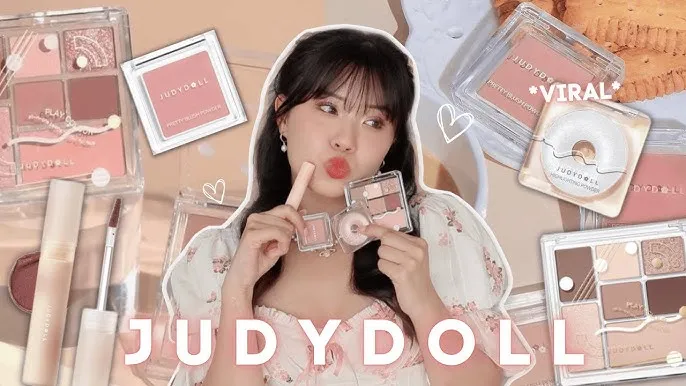
Judydoll makes application easier through its metal wand Iron Mascara and compact contour formats. In 2025, it opened its 100th China boutique, entered Singapore and Indonesia offline, and reached 12,000 FamilyMart locations in Japan.
The brand’s lip muds and jelly highlighters are perennial Douyin top sellers. In 2025, Judydoll expanded into Southeast Asia via Shopee and Lazada, achieving 200% year-over-year growth in the region. Its partnership with virtual idol Ling, announced in late 2025, drove a 30% engagement lift among 18-24 year-olds, according to platform data.
5. Flower Knows
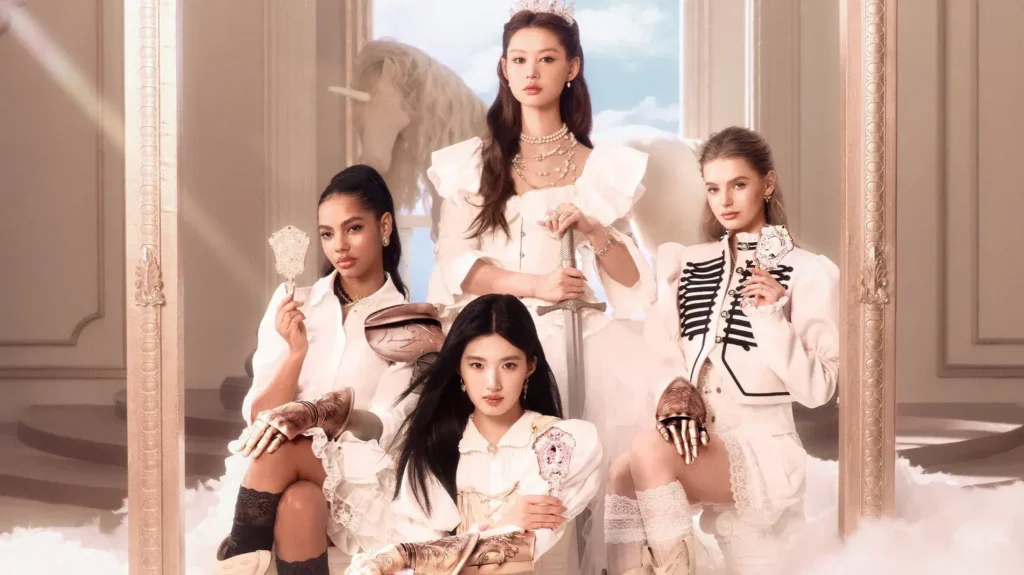
Perhaps the most visually distinctive Chinese makeup brand on this list. Flower Knows packages its products in ornate, Rococo-inspired compacts that blend European vintage aesthetics with Chinese color stories.
The brand’s 2025 “Butterfly Cloud” collection, featuring embossed powders and lipsticks, sold out within 72 hours across all markets. Flower Knows’s TikTok Shop sales in the U.S. grew 350% in Q4 2025, demonstrating that culturally hybrid aesthetics have global appeal.
6. INTO YOU
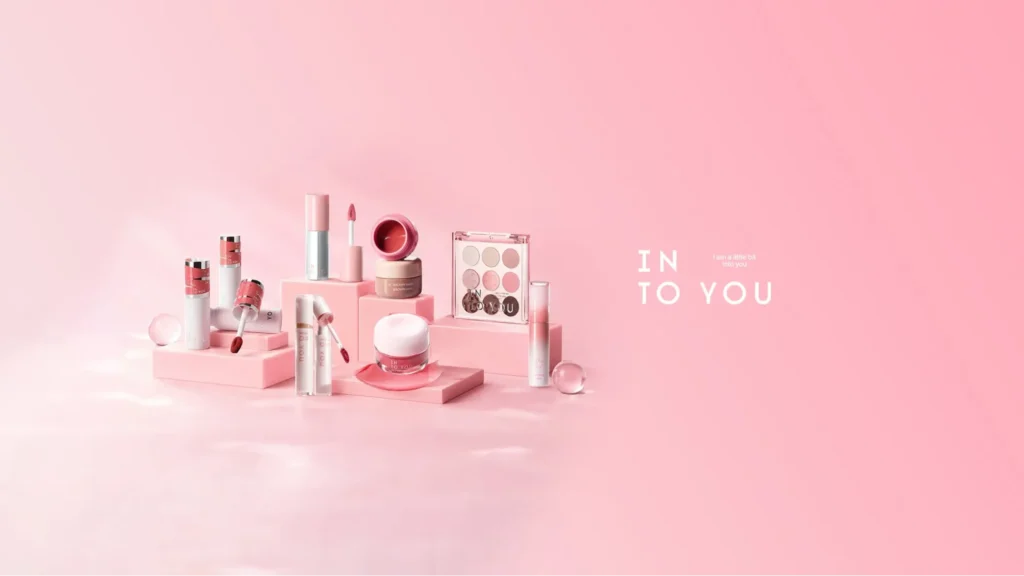
INTO YOU built its identity around Lip Mud, a lightweight velvet matte texture for lips and cheeks. The format gives the brand a memorable category.
The matte, blurring formula addresses Asian undertones—a nuance many Western brands miss. INTO YOU’s 2025 revenue crossed RMB 1.2 billion, driven by its expanding shade range and collaborations with Chinese heritage museums.
7. Joocyee
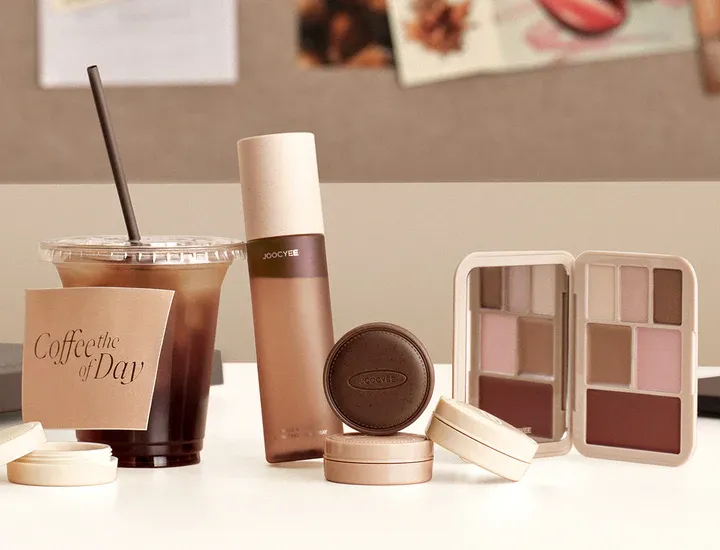
Joocyee occupies the middle ground between playful mass makeup and ornate collectible design. Water Glow lip products, cream color, sculpting sticks, and pressed powders support daily routines. Its restrained packaging gives global buyers an entry into Chinese beauty makeup without overt cultural motifs.
The brand’s 2025 “High Voltage” eyeshadow palette was the best-selling palette on Tmall in the color cosmetics category for Q3, outperforming global competitors.
8. Girlcult
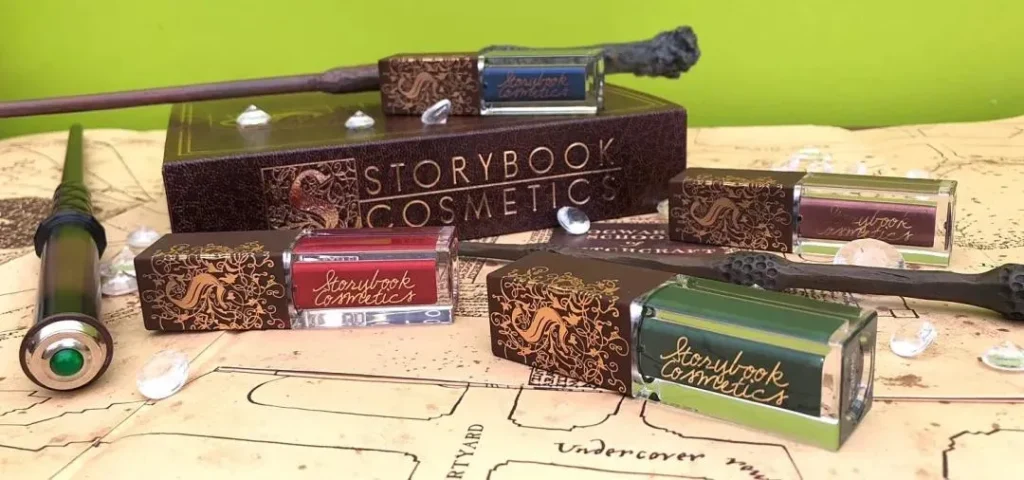
Girlcult occupies a niche between artisanal and accessible. Known for its ethereal, sci-fi-infused packaging and highly pigmented eyeshadows, the brand commands a loyal following among China’s creative class.
In 2025, Girlcult collaborated with Chinese digital artist Liu Wei on a limited-edition collection that blurred the line between makeup and collectible art, a strategy that generated significant earned media across Xiaohongshu and Weibo.
9. Timage
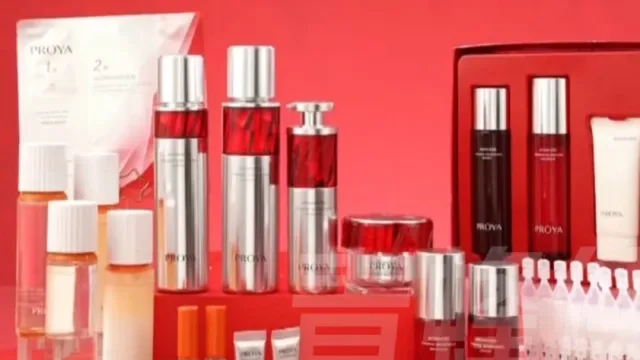
Timage specializes in facial structure through contour, highlight, blush, and base products associated with makeup artist Tang Yi. This narrow expertise has commercial weight. Parent company Proya reported Timage revenue of RMB 1.255 billion in 2025, up 5.37 percent.
In 2025, the brand partnered with Korean influencer-driven retail platform Althea to enter Southeast Asia, achieving average order values 40% higher than the regional category average. Timage’s “Skin Veil” primer, launched in late 2025, is currently the #2 best-selling primer on Douyin’s beauty channel.
10. Funny Elves
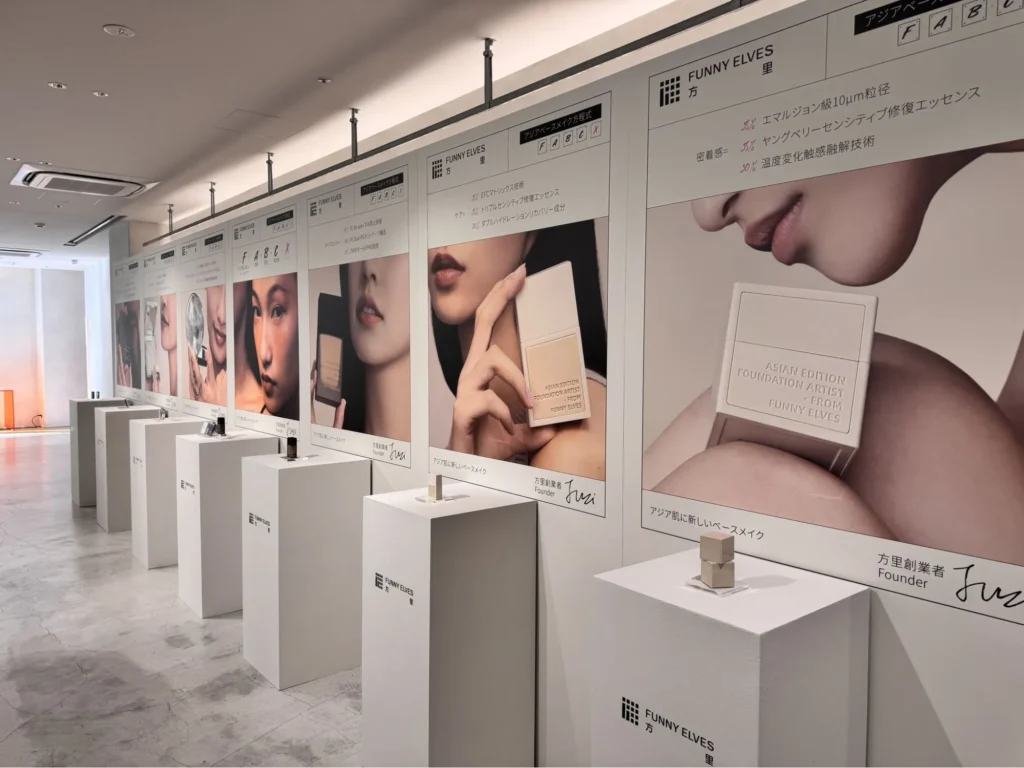
Funny Elves has emerged as a leader in “skin-tech” makeup, blending skincare actives with color cosmetics. Its 2025 foundation line incorporates fermented ingredients and hyaluronic acid, positioning it for the “clean beauty” segment. Sephora China added the brand to its local portfolio in 2026.
11. Carslan
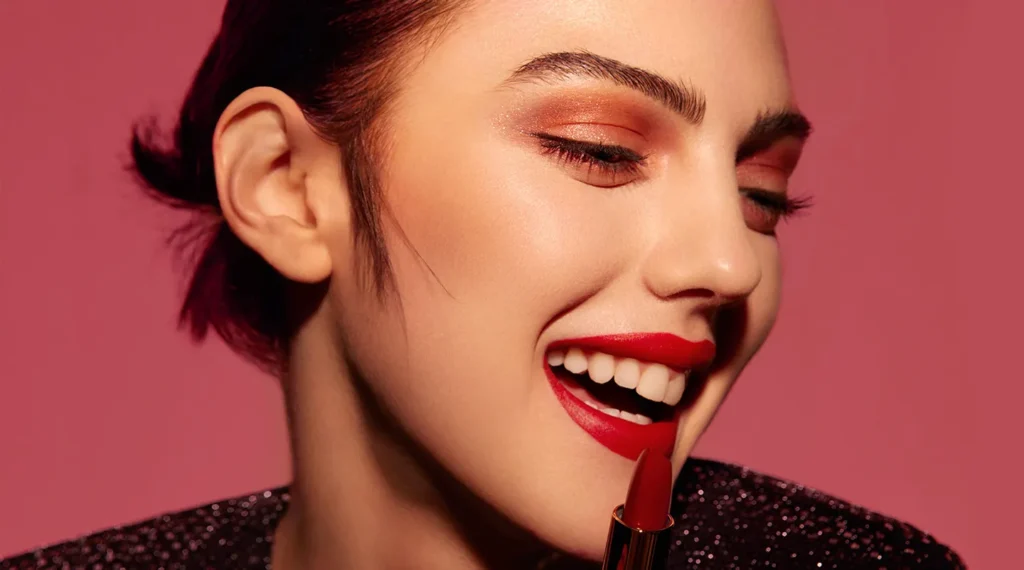
Established in 1993, Carslan is one of the oldest Chinese makeup brands still innovating. Its 2025 repositioning under the “Heritage Reborn” campaign reconnected with older consumers while attracting younger buyers through KOL partnerships.
Carslan’s 2026 spring collection—inspired by Suzhou garden watercolors—received the Red Dot Design Award, a first for a Chinese color cosmetics brand.
The brand shows how established Chinese cosmetics brands can refresh familiar categories through finish, texture, and regional shade preferences.
12. Colorkey
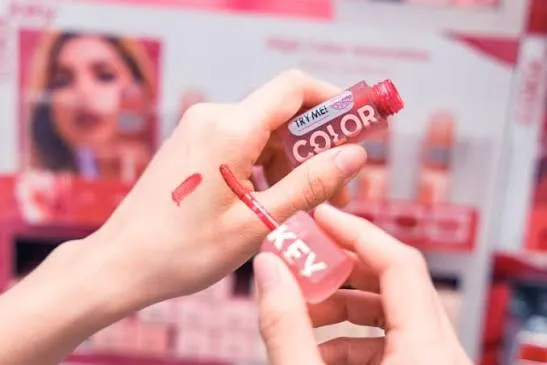
Colorkey specializes in airy, lightweight lip products that deliver high color payoff with minimal transfer—a formulation challenge that many international brands have struggled to solve for the Asian market.
In 2025, the company told Xinhua that it adjusted products for local preferences and worked with local creators on livestream commerce across Southeast Asia.
13. Flortte
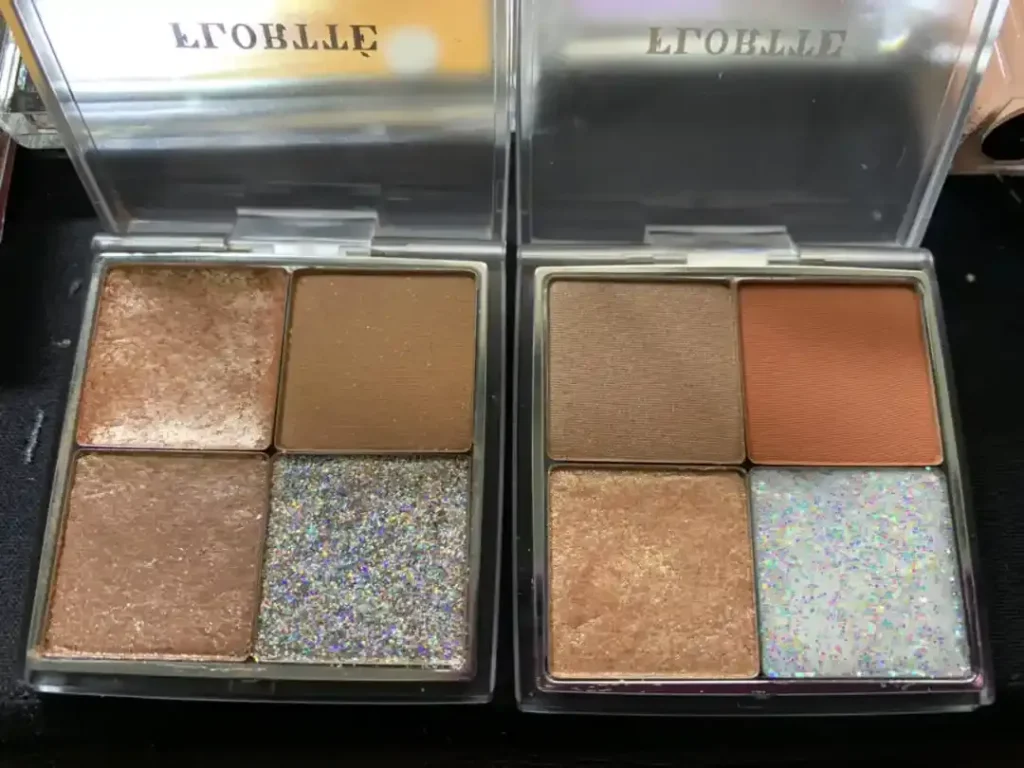
Flortte uses playful design, small formats, and low-commitment prices. Lip creams, glosses, colorful liners, lashes, and novelty collections make the assortment highly shareable. For shoppers testing makeup from China, the appeal centers on fun and frequent rotation.
In 2026, Flortte partnered with Sanrio for a Hello Kitty collaboration that sold out in 3 hours, demonstrating how Chinese makeup products can successfully leverage global IP while maintaining homegrown identity.
14. Kaleidos
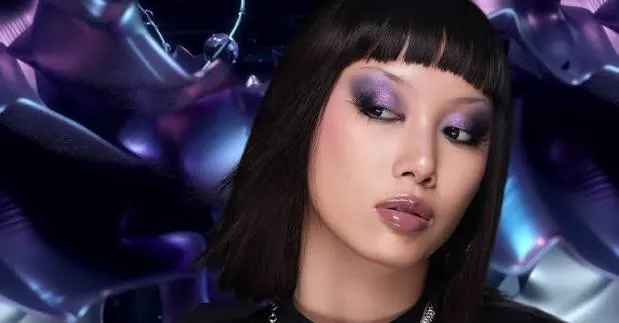
Kaleidos approaches C Beauty as a global indie color brand. Multichrome highlighters, saturated eye colors, and science fiction-inspired packaging give it a creative position far from soft romantic makeup. The current Space Age range shows how formula finish can carry a concept as strongly as the outer pack.
15. ZEESEA
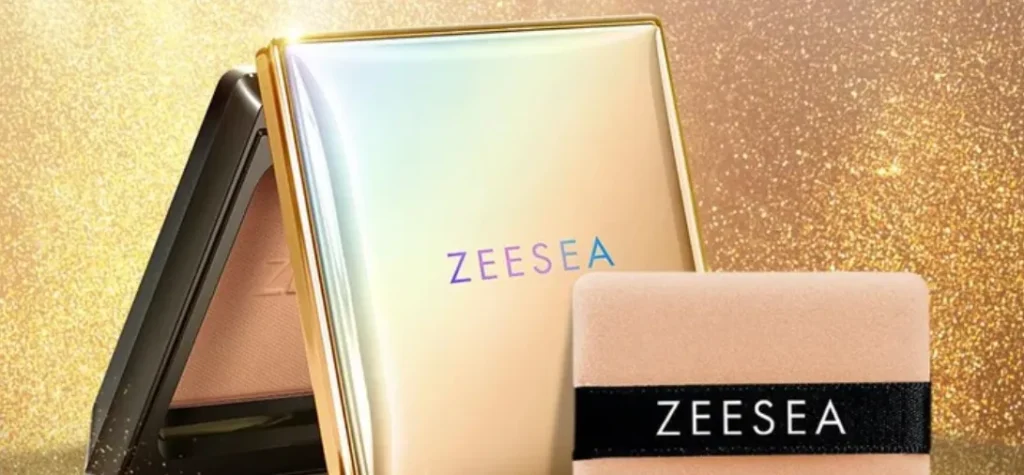
ZEESEA combines art references with a broad catalog spanning primer, foundation, eye color, lipstick, and setting products. Its value lies in converting visual inspiration into affordable, collectible ranges.
Its 2025 “Dunhuang Murals” collection—featuring packaging inspired by the ancient Silk Road caves—won the China Cosmetics Innovation Award.
In 2026, Zeesea launched a sustainable packaging initiative, switching to 100% recyclable materials across its entire line, aligning with growing ESG concerns among younger shoppers.
16. Catkin
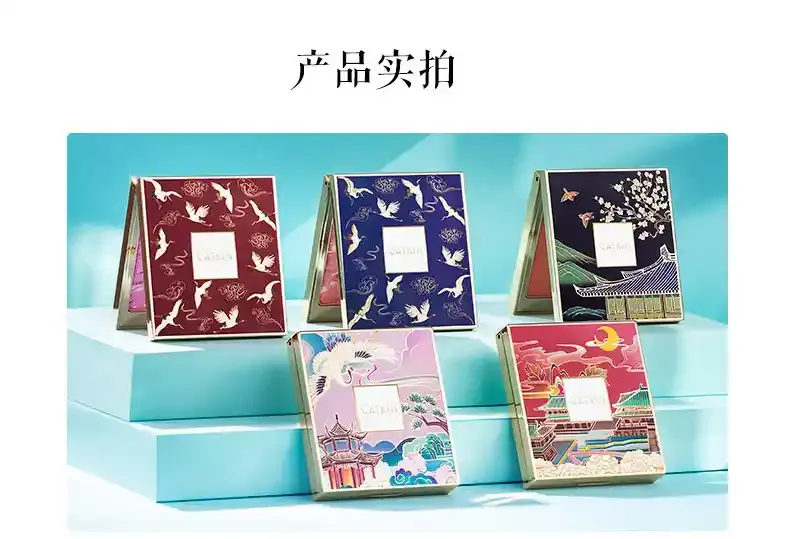
Catkin offers a more accessible expression of Guochao cosmetics through carved lipstick cases, chinoiserie motifs, and wearable color. The brand sits below Florasis in perceived luxury while retaining a recognizable Chinese design system. That makes Catkin useful for understanding how cultural identity can travel across price tiers.
17. Marie Dalgar
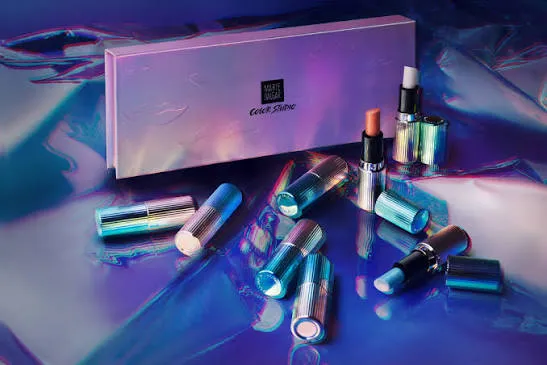
Marie Dalgar presents color cosmetics through a fashion and artistry lens, with foundation, mascara, lip color, and creative compact formats.
The brand’s 2025 “City Lights” collection, developed in partnership with a Paris-based formulation lab, positioned Marie Dalgar as the go-to for cosmopolitan shoppers seeking the best Chinese makeup for long workdays.
Its inclusion in Sephora China’s 2026 local brand expansion gives the label renewed retail visibility and places it beside newer domestic challengers.
18. Little Ondine
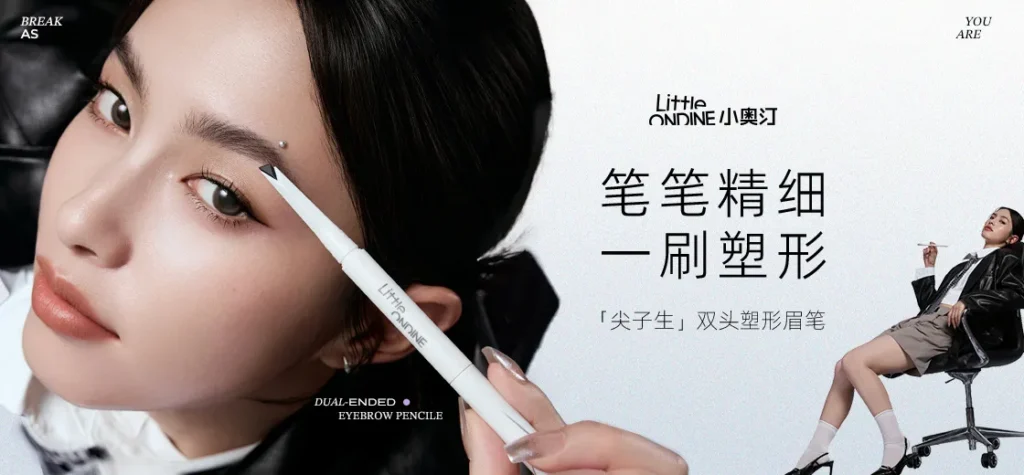
Perfect Diary’s sister brand targets the younger Gen Z demographic with playful, trend-driven products at entry-level price points. Little Ondine’s 2025 “Glitch Art” collection—featuring digitally distorted packaging and neon color stories—resonated deeply with digital-native consumers.
The brand’s Douyin livestream commerce strategy, featuring daily 4-hour broadcasts, drove 60% of its total 2025 revenue.
Its current offer spans lip clay, lip glaze, eyeliner, eyeshadow, and blush. The brand matters less for scale than for showing how a beauty group can address experimental subcultures without stretching its flagship label.
19. SHEGLAM
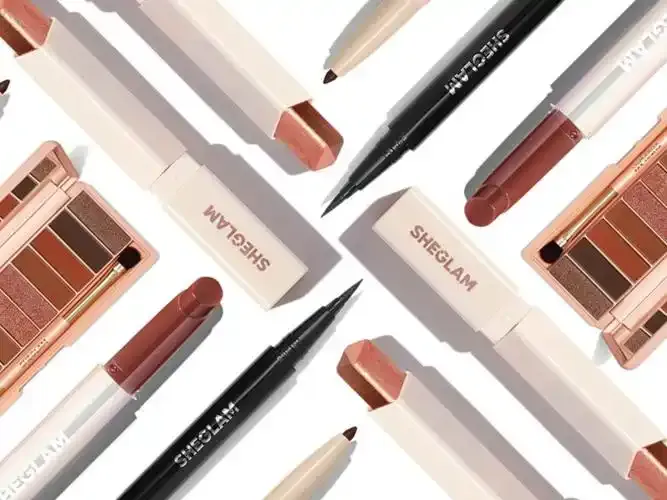
SHEGLAM built demand through social content before pursuing wider physical retail. In 2026, BeautyMatter estimated sales near $400 million and reported more than 4,000 counters across 16 countries. Its October 2025 rollout into 1,500 dm stores in Germany marked a major offline test.
20. AZTK
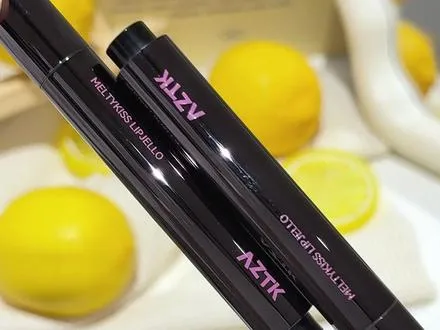
AZTK turns social demand into simple, low-priced complexion products. Its Jello Color Liquid Blush has a watery application and soft finish. YesStyle placed it among its midyear 2026 makeup bestsellers using global sales from December 2025 through June 2026.
What the C Beauty Boom Reveals About Brand Building
The strongest brands own a specific consumer memory. Lip Mud points to INTO YOU. Iron Mascara points to Judydoll. Sculpting points to Timage and MAOGEPING. A hero mechanism gives creators something concrete to demonstrate.
Packaging works when it supports a repeatable product promise. Flower Knows builds collection worlds. Florasis ties design to Chinese craft and premium retail. Girlcult uses darker references to reach a different community.
Overseas growth also requires compliant labels, reliable stock, local shade communication, returns, and trusted retail partners. Judydoll’s stores, Flower Knows at Ulta, Perfect Diary at Sephora China, and SHEGLAM’s European rollout show the move toward repeatable retail.
The best Chinese makeup lesson is therefore operational. These Chinese makeup brands show that speed creates relevance, but category ownership, product evidence, and channel control determine whether attention becomes a durable brand.
Turn C Beauty Insights Into Brand Strategy With Ashley Dudarenok
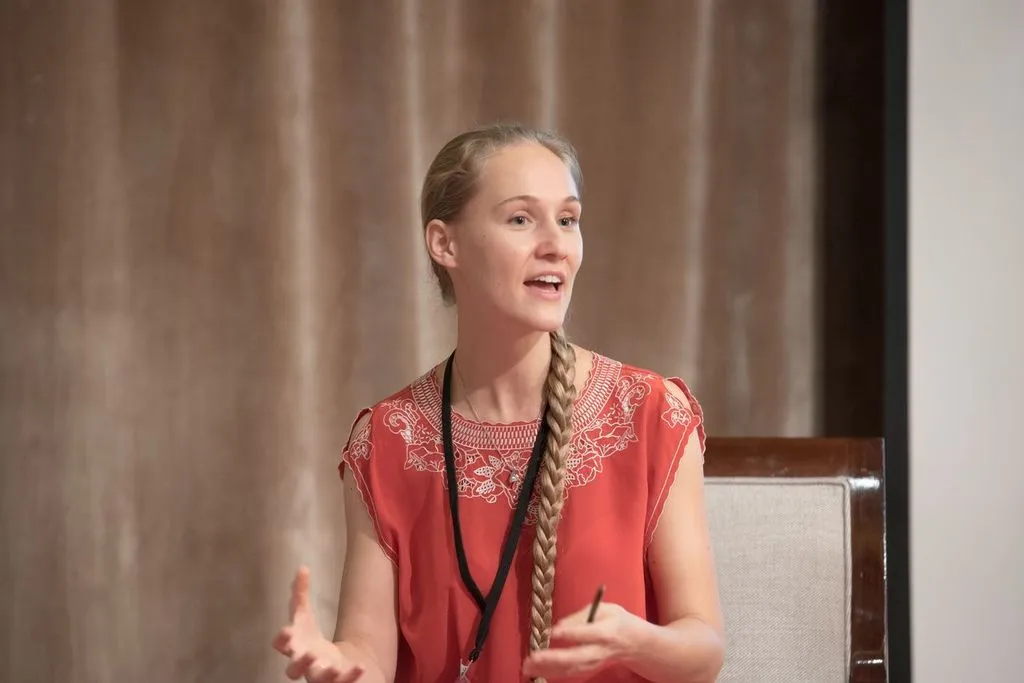
The rise of Chinese makeup brands reflects a wider change in how products, culture, social platforms, and retail come together in China. These brands offer useful lessons on turning consumer behavior into distinctive products and stronger brand identities.
Ashley Dudarenok studies these shifts through the lens of Chinese consumers, social commerce, customer experience, and retail innovation. Her tailored keynotes and strategic sessions bring these ideas into focused discussions shaped around each organization’s priorities.
Book a call with Ashley Dudarenok to explore what China’s C Beauty playbook means for your brand.
Frequently Asked Questions
What is the difference between C Beauty and K Beauty?
C Beauty refers to brands and aesthetics from China, while K Beauty originates in South Korea. C Beauty makeup currently leans toward precise color, sculpting, decorative packaging, and rapid social commerce feedback, though both categories remain diverse.
Is makeup from Chinese brands FDA approved?
No. The FDA does not approve cosmetics before sale, apart from color additives. American sellers remain responsible for safety and compliant labeling, so FDA registration language should never be treated as an endorsement of Chinese makeup products.
How can you tell if Chinese makeup is authentic?
Buy from the brand’s official website, verified marketplace store, or named retail partner. Compare the seller, batch code, ingredient list, packaging, and return policy. Deep discounts from an unknown marketplace seller warrant extra caution.
Are Chinese makeup brands cruelty free?
Some are, but Chinese origin alone proves nothing about animal testing. Check the brand’s current policy and an independent certification directory, then confirm the exact product because vegan and cruelty free describe different standards.
Is makeup from China safe for sensitive skin?
It can be, but country of origin cannot predict individual tolerance. Review the full ingredient list, patch test one product at a time, avoid damaged packaging, and stop use if burning, swelling, or a persistent rash appears.
Where can US shoppers buy authentic Chinese makeup?
Start with official brand websites and named retail partners. Flower Knows is available through Ulta Beauty, while several brands sell through authorized cross border retailers. Confirm shipping, returns, and seller identity before ordering.
Why do Chinese foundation shades look different online?
Many shade systems center on fair to medium complexions and nuanced warm, cool, or olive undertones. Camera filters alter swatches, so compare unedited daylight photos, neck swatches, oxidation notes, and the retailer’s return policy.
How long does C Beauty makeup last after opening?
Check the open jar symbol for the period after opening, such as 12M, and follow any printed expiry date. Replace products sooner if odor, texture, color, or performance changes, particularly mascara and liquid eyeliner.
Do Chinese makeup brands ship worldwide?
Shipping coverage varies by brand and product. Check the official site’s destination list, local restrictions, taxes, and return terms before purchase. Aerosols, liquids, and items with restricted ingredients may face additional carrier limits.
Are the best Chinese makeup products suitable for deeper skin tones?
Some color products work across deeper skin tones, but complexion ranges remain uneven across brands. Look for creator swatches on a comparable depth and undertone, then check pigment visibility, ashiness, and the darkest available shade.