
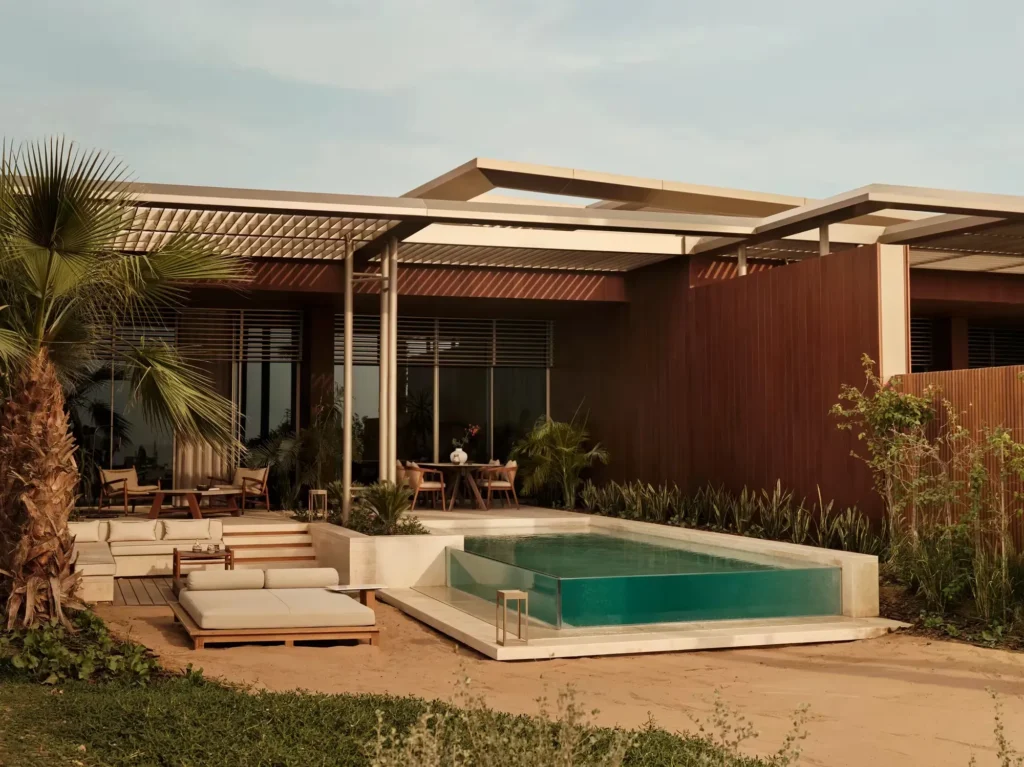
Rosewood Beijing opened in 2014 as the brand’s first property in China. More than a decade later, it remains one of the clearest examples of how a luxury hotel can use local culture as a commercial strategy rather than a decorative layer.
The property sits in Chaoyang District, across from the CCTV Headquarters, and holds a Michelin Two Key rating for exceptional stays.
Its approach to Chinese art, residential-style service, and regional cuisine shows how localization can create a distinctive luxury proposition in a market where global brands compete for the same premium consumers.
How Rosewood Beijing Applies Sense of Place
Rosewood’s October 2025 brand announcement reaffirmed its philosophy of connecting guests with a destination’s people and culture. The company placed greater emphasis on discovery through experiences inside and beyond its properties.
The Beijing hotel applies that idea in an urban setting. Michelin’s current listing identifies 283 rooms in Chaoyang, with apartment-style accommodation and Chinese cultural references throughout the property.
This creates a useful strategic proposition: a business district hotel can also provide cultural discovery within a guest’s available time. The experience begins inside the property, reducing dependence on a separate sightseeing itinerary.
For other brands, localization becomes more useful when it changes operating decisions. A cultural promise should influence what teams commission, prepare, explain, and sell. That requires coordination between design, purchasing, food, and service teams. Each department must deliver a recognizable part of the same promise.
Chinese Art Gives the Property a Specific Identity
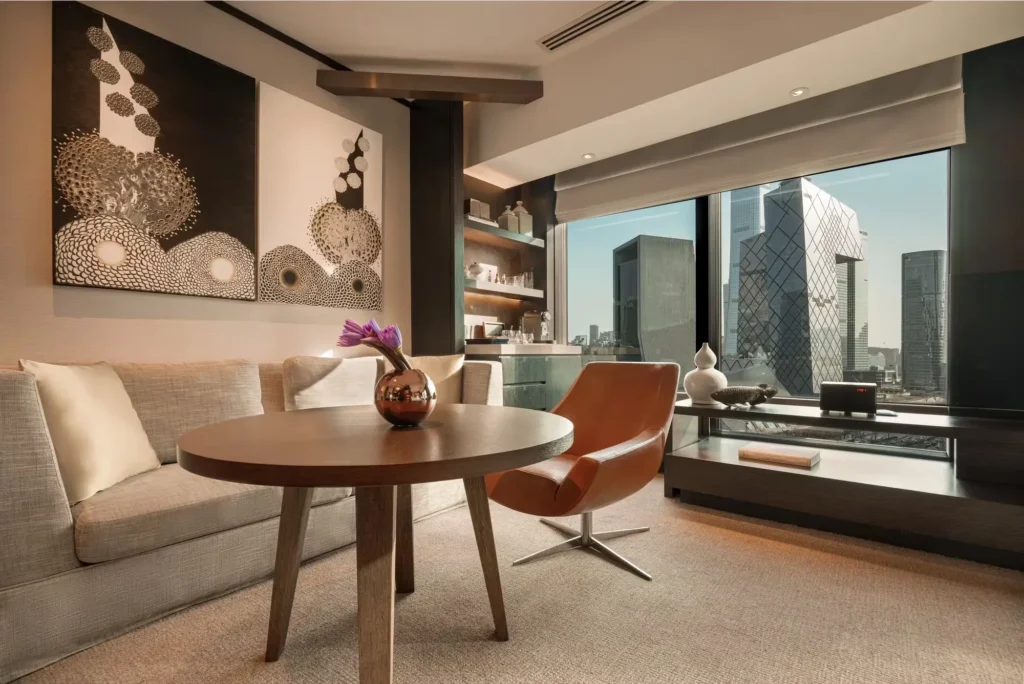
Michelin describes paintings influenced by gongbi brushwork and ink wash traditions, alongside cloisonné metalwork in guest rooms. These are identifiable references within the hotel’s art and accommodation concept.
Rosewood’s design description adds a more specific Beijing connection: the geometry of siheyuan courtyards. It also identifies stone, silk, and carved wood among the materials that inform the interiors.
Chinese art establishes a national cultural context. Courtyard references connect that context to the city. Guests encounter both through the spaces they use during a stay.
For a premium brand, this suggests a practical standard for cultural design. Teams should be able to explain an object’s origin, its relevance, and why it’s placed there. That knowledge gives staff something precise to discuss and gives guests a detail they can remember.
Residential Hospitality Supports Everyday Comfort
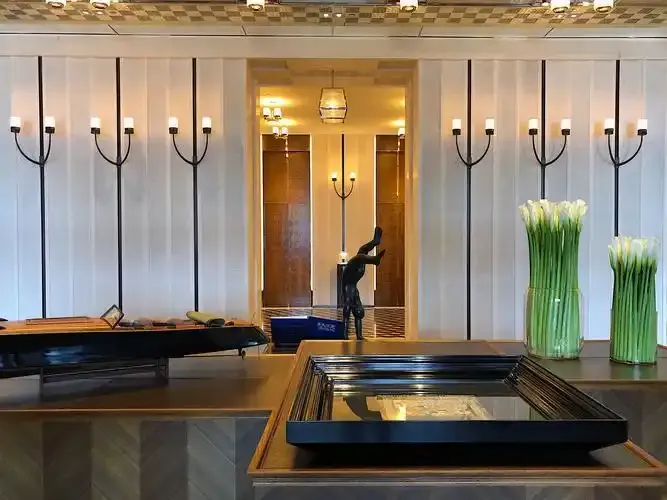
The hotel’s Deluxe Room specification lists 45 to 55 square meters, a king bed or twin beds, and a walk-in wardrobe. Rosewood also describes art and books as part of the room setting.
These features give residential hospitality a practical foundation. Space to unpack and a considered room layout affect how comfortably a guest can settle in. Cultural details sit within that daily use.
For premium consumers who value privacy and room to relax, the purchase argument can combine personal comfort with a distinctive setting.
Service gives that proposition another dimension. Rosewood lists a 24-hour concierge team and personalized butler service for Club Rooms and Suites. These are named services that connect a higher accommodation category with additional staff support.
The operating question is how that support reflects individual needs. A guest seeking local dining advice and a guest arranging a private business meal require different recommendations. Staff knowledge determines how well the hotel connects its cultural offer to the purpose of each stay.
A brand should assess cultural design alongside seating, storage, lighting, and ease of use. A room can communicate a strong identity while still meeting ordinary needs. The same discipline applies to a retail appointment area or a private dining space.
Regional Dining Creates Different Reasons to Visit
Country Kitchen Makes Regional Knowledge Visible
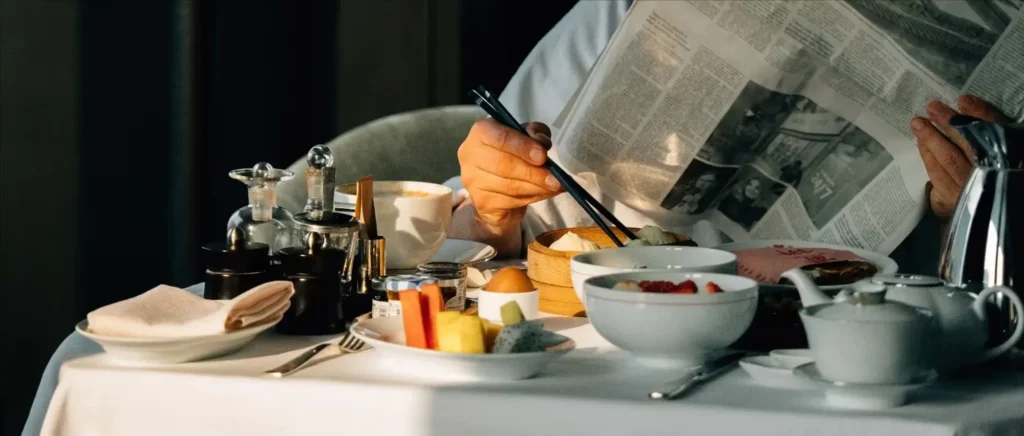
Rosewood’s Chinese-language Country Kitchen page identifies Beijing and Shandong cooking under chef Zhang Shaogang. It lists hand-pulled noodles, Beijing duck, and dumplings, with an open kitchen and wood-fired oven.
The commercial logic extends beyond the overnight guest. A recognizable regional menu can give residents a reason to visit for a meal. Familiar dishes also let diners assess execution against their own experience, making kitchen skill central to the premium proposition.
The House of Dynasties Serves Private Occasions
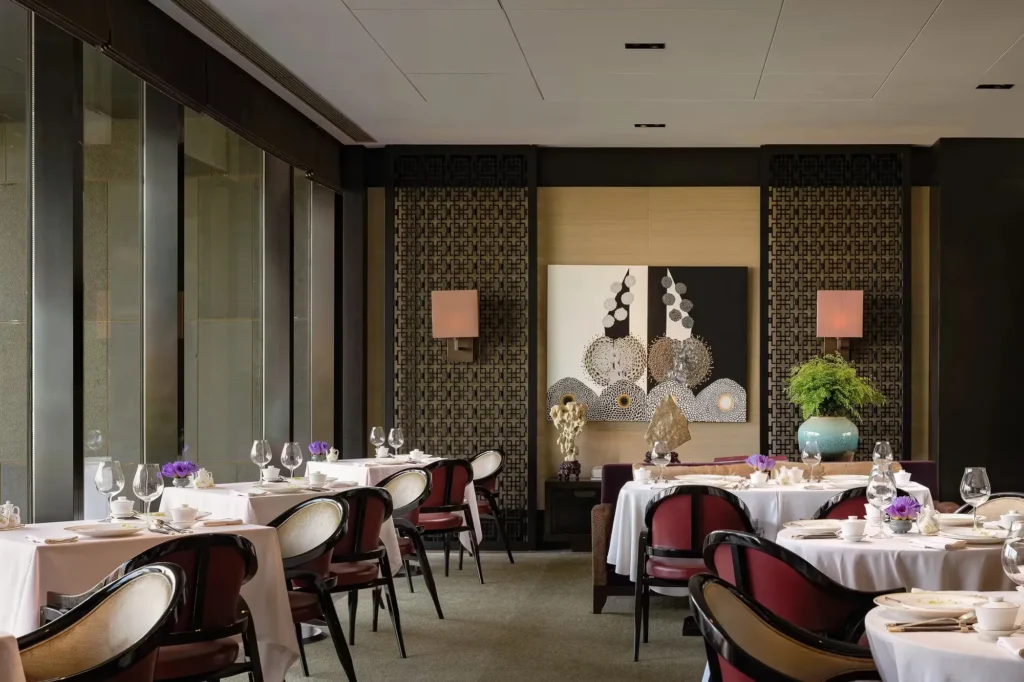
The hotel describes The House of Dynasties as a Cantonese restaurant led by chef Tan Shiye, with Zhanjiang specialties, a public dining area, and seven private rooms.
Michelin’s restaurant assessment links its decor to Dream of the Red Chamber and its cooking to the chef’s hometown traditions.
This adds a different customer occasion: a private meal where both the setting and the food matter. The distinction between northern Chinese and Cantonese cooking also keeps the cultural proposition precise. Regional expertise gives each restaurant a clear identity within the same hotel.
The seven private rooms make the offer tangible for a host choosing a venue. The relevant decisions include group size, privacy, menu preferences, and the formality of the occasion. Cultural branding can therefore inform the reservation conversation before a guest arrives.
The commercial test is how effectively that conversation produces a suitable booking and a meal the host wants to repeat.
Cultural Access Gives Service a Clearer Purpose
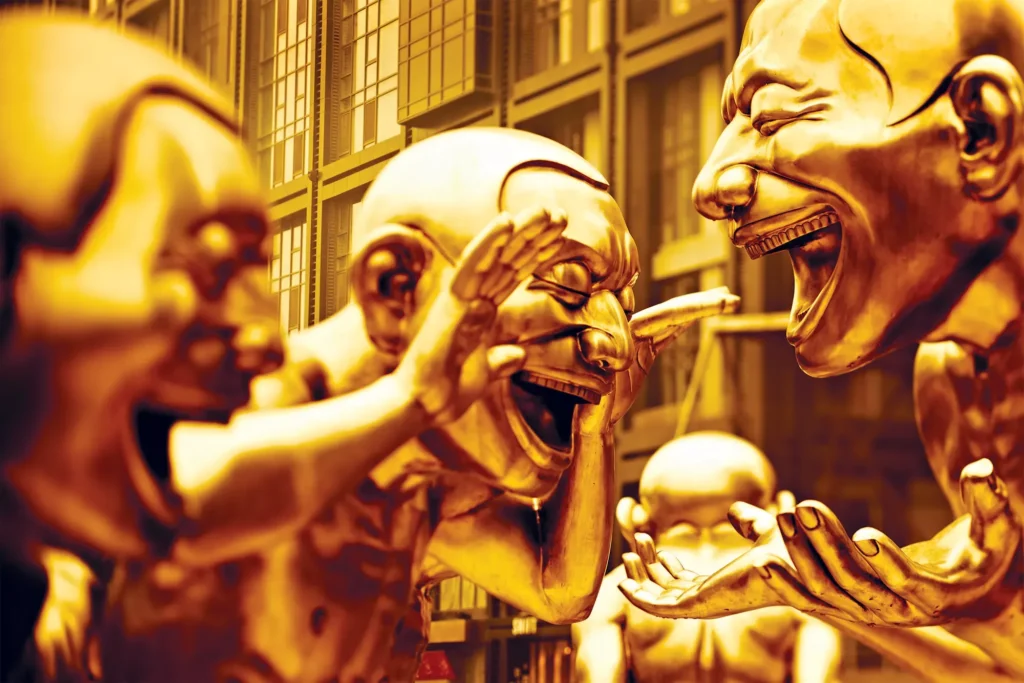
The hotel currently offers a private tour of Beijing’s 798 Art District, led by an expert guide. The experience focuses on contemporary galleries within the area’s converted industrial setting.
This service introduces present-day creative activity into the stay. It also gives luxury service a concrete task: help a guest understand something they may struggle to interpret independently.
The potential value lies in selection and explanation. A knowledgeable guide can connect individual works to a wider artistic context and help a visitor make the most of limited time. The hotel therefore needs current local knowledge to keep the service relevant as exhibitions change.
For a brand adapting this approach, execution requires clear choices. The team should define the guide’s expertise, the proposed route, the guest’s interests, and what the price includes. Those details make a cultural offer easier to evaluate and purchase.
What the Evidence Supports Commercially
The reviewed public sources do not isolate culture’s contribution to room rates, profitability, or repeat visits. Those outcomes require property-level evidence. The case supports a coherent positioning argument, while the financial effect remains unquantified.
A business applying these lessons should connect each investment with a measurable customer action:
| Cultural investment | Commercial question to test |
| Distinctive interiors | Do guests name specific design details as a reason for booking? |
| Regional restaurant expertise | Do local diners return, and which occasions bring them back? |
| Guided cultural experiences | How many guests book, and does revenue cover delivery costs? |
For Rosewood Beijing, the transferable lesson is to fund the expertise that makes cultural promises credible. A brand entering China should assign responsibility for local research, product choices, and staff knowledge, then test customer response before expanding.
Learn From China With Ashley Dudarenok

Rosewood Beijing offers one example of how local culture, customer experience, and commercial strategy can work together. China offers many more lessons across hospitality, retail, technology, and consumer engagement.
Ashley Dudarenok and the ChoZan team help global leaders understand these developments and determine what is relevant to their own businesses.
Companies can work with Ashley through executive keynotes and workshops, tailored China research, strategy sessions, expert dialogues, and China Learning Expeditions.
Explore how your team can learn for China and learn from China with Ashley Dudarenok and ChoZan. Book a consultation to discuss the questions most relevant to your business.
FAQs
1. Where is the Beijing Rosewood hotel located?
The hotel is at Jing Guang Centre, Hujialou, in Beijing’s Chaoyang District. Use its official address when arranging transport, and check your daily destinations before choosing it as your base for a city visit.
2. How can I arrange an airport transfer?
The hotel lists a car transfer service, subject to vehicle availability. Contact the concierge with your airport, flight number, arrival time, and passenger count, then confirm the total price and meeting point before travel.
3. What are the check-in and check-out times at Rosewood Beijing?
Check-in starts at 3 p.m., and check-out is at noon, according to the hotel’s published policies. Contact reservations about an earlier arrival or later departure, and ask them to confirm availability and any additional charge.
4. How much does a stay cost?
The cost depends on your dates, room category, and available rate. Rosewood quotes rooms per night in Chinese yuan, with applicable taxes and service charges. Compare the final total and cancellation terms for your specific stay.
5. Which rooms include Manor Club access?
Club Room guests receive Manor Club lounge access, according to the hotel’s Club Deluxe Room description. Confirm the benefits attached to your exact reservation, including guest allowances, meal arrangements, and lounge hours, before completing your booking.
6. Is the hotel suitable for families?
Families can consider the hotel’s adjoining rooms and babysitting on request, both listed by Michelin. Ask reservations to confirm the room arrangement, permitted occupancy, children’s ages, and any childcare charges before making a booking.
7. Does Rosewood Beijing allow pets?
Yes, pets require advance approval. The published policy allows up to two pets per room, each under 10 kilograms, and lists a CNY 500 nightly room charge. Confirm health-document requirements and restrictions on public areas before arrival.
8. Does the hotel have a spa and indoor pool?
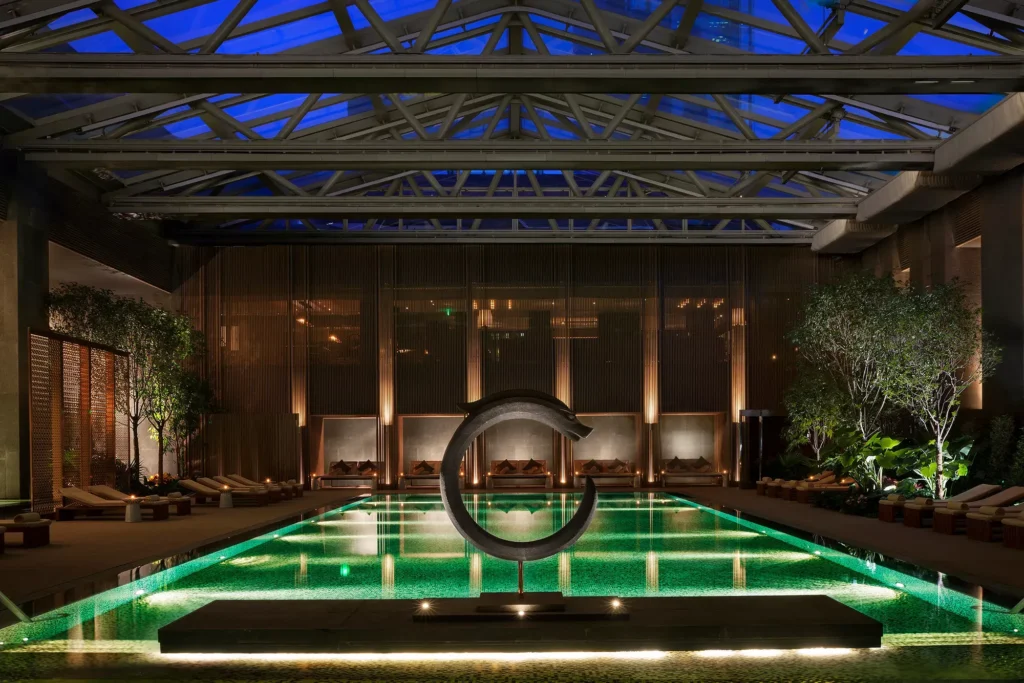
Yes, the official amenities page lists Sense, A Rosewood Spa, an indoor swimming pool, and a gym. Ask about treatment reservations, facility hours, and any access conditions when planning your stay or a separate spa visit.
9. Can the hotel host meetings or celebrations?
Yes, its event venues include the Grand Ballroom, Pavilion, meeting rooms, and salons. Share your guest count, seating plan, catering needs, and audiovisual requirements so the events team can recommend an appropriate space and quotation.
10. Is there a restaurant dress code?
Country Kitchen specifies business casual attire. Check directly with your chosen restaurant about its requirements when reserving, particularly for a private event, so you can plan suitable clothing before arriving.