
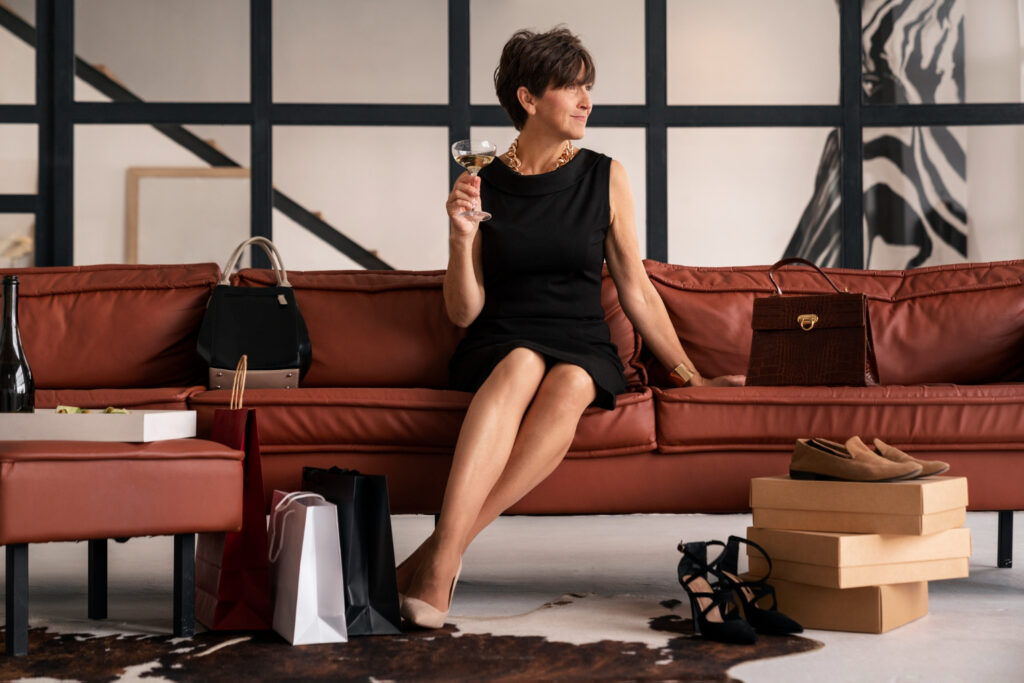
China’s luxury story is entering a more complex phase. For decades, the country was treated mainly as the buyer of European heritage, the growth engine for logo leather goods, and the place where global maisons could scale status desire at speed. That chapter has changed.
In 2026, China luxury brands are no longer a side conversation. They are becoming a serious strategic topic for executives, investors, retail teams, and global brand leaders.
The shift is not only about national pride. It is about product trust, cultural confidence, craftsmanship, digital fluency, and a consumer who now questions old status codes.
Chinese premium consumers still buy global luxury, but many are also looking at local brands that understand Chinese lifestyles without translating them through a Western lens.
The Structural Shift in China’s Luxury Brands
The numbers paint a clear picture. The Chinese mainland personal luxury goods market contracted by 3% to 5% in 2025, a sharp improvement from the 17% to 19% decline recorded in 2024.
The underlying dynamics are more consequential than the headline numbers. Domestic spending accounted for 65% of Chinese luxury spending in 2025. Overseas luxury purchases dropped to €22.8 billion in 2025, and for the first time since the pandemic, the share of total Chinese luxury spending occurring overseas fell from 40% to 35%.
Luxury shopping is no longer the top priority for Chinese travelers. Spending is shifting toward experience-led consumption and more diversified destinations.
This is not a cyclical downturn. It is a structural reorientation. The traditional equation that European high-end brands are the best is breaking down. Homegrown Chinese luxury brands are quickly filling the gap.
Why Western Status Codes Are Losing Power
The erosion of Western status codes in China is driven by multiple forces, each reinforcing the others.
Cultural confidence is the most visible factor. The Guochao movement, celebrating Chinese heritage, symbolism, and cultural confidence, has moved from a niche aesthetic to a sophisticated consumption engine. Instead of reproducing Western aesthetics, Chinese luxury brands reinterpret luxury through a local cultural lens.
Laopu Gold’s iconography, from gourds and dragons to Taoist motifs, draws directly on historical symbols of auspiciousness. Its products rely on handcrafted techniques once reserved exclusively for imperial workshops.
The movement is not nostalgic patriotism. It is a fashion-forward shift toward consumerism closely linked to cultural identity, reflecting the instinct of Gen Z everywhere to center their own experience. As one venture capital partner put it, Chinese consumers are no longer looking up to Western culture but are beginning to look back at themselves.
Price rationalization plays an equally important role. Chinese consumers are not walking away from luxury, but they are reshaping its balance of power. They are calibrating purchases more carefully by category, channel, and occasion.
Four in five Chinese luxury buyers remain optimistic about the economy, employment, and policy direction, yet average per capita luxury expenditure is set to dip by roughly 4% from ¥146,800 to ¥141,500. This is not a weakness. It is selectivity.
Chinese Luxury Brands List: A Growing Ecosystem
The list of Chinese luxury brands extends well beyond the names mentioned above. Based on current market activity, there are more than 20 Chinese luxury brands operating across categories:
- Maextro (automotive)
- Hongqi (automotive)
- Zeekr (automotive)
- Luxeed (automotive)
- Laopu Gold (jewelry)
- Qeelin (jewelry)
- Chow Tai Fook (jewelry)
- Yue Ding (jewelry)
- Songmont (handbags)
- Qiuzhen (handbags)
- Grotto (handbags)
- Icicle (fashion)
- Guo Pei (haute couture)
- Sandriver (cashmere)
- Grace Chen (fashion)
- Uma Wang (fashion)
- Windowsen (fashion)
- Saint Angelo (menswear)
- Mao Geping (beauty)
- Florasis (beauty)
- Documentz (perfume)
- To Summer (perfume)
- Shang Xia (lifestyle)
- Neiwai (intimates and loungewear)
This list of Chinese luxury brands is not exhaustive. It reflects a market where new entrants are emerging rapidly and established players are scaling aggressively.
Chinese Luxury Brands That Are Reshaping the Market
The rise of China’s luxury brands spans multiple categories. Each sector tells a slightly different story, but the pattern is consistent: local brands are winning by offering something Western brands cannot easily replicate.
Automotive Brands in China
Maextro
Maextro is Huawei and JAC’s ultra-luxury automotive brand under Huawei’s HIMA ecosystem. Its first model, the Maextro S800, is positioned against cars like the Mercedes-Maybach, with prices starting at RMB 708,000. The S800 is offered in BEV and EREV versions, with official HIMA specs listing up to 1,333 km CLTC combined range, 4.3-second 0–100 km/h acceleration, and a 3,370 mm wheelbase.
Over 16,000 units delivered by April 2026, ranking among the top in the million‑yuan segment for seven consecutive months. A second model, the V800 ultra‑luxury MPV, debuted in June 2026.
Hongqi
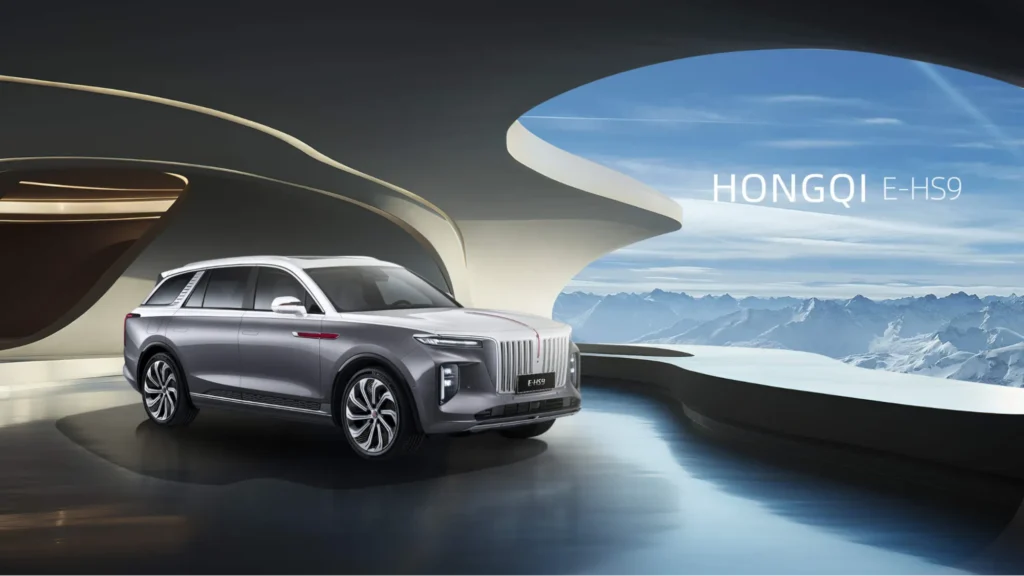
Hongqi, meaning “Red Flag,” is FAW’s historic premium Chinese car brand. Its first car was made in 1958, and the brand has long been linked with state ceremonies and national parades.
Recently, Hongqi has modernized its lineup with SUVs and EVs, and refreshed its luxury image; Reuters reported that sales rose from fewer than 5,000 units in 2017 to about 412,000 in 2024, with overseas expansion now a major focus.
Zeekr
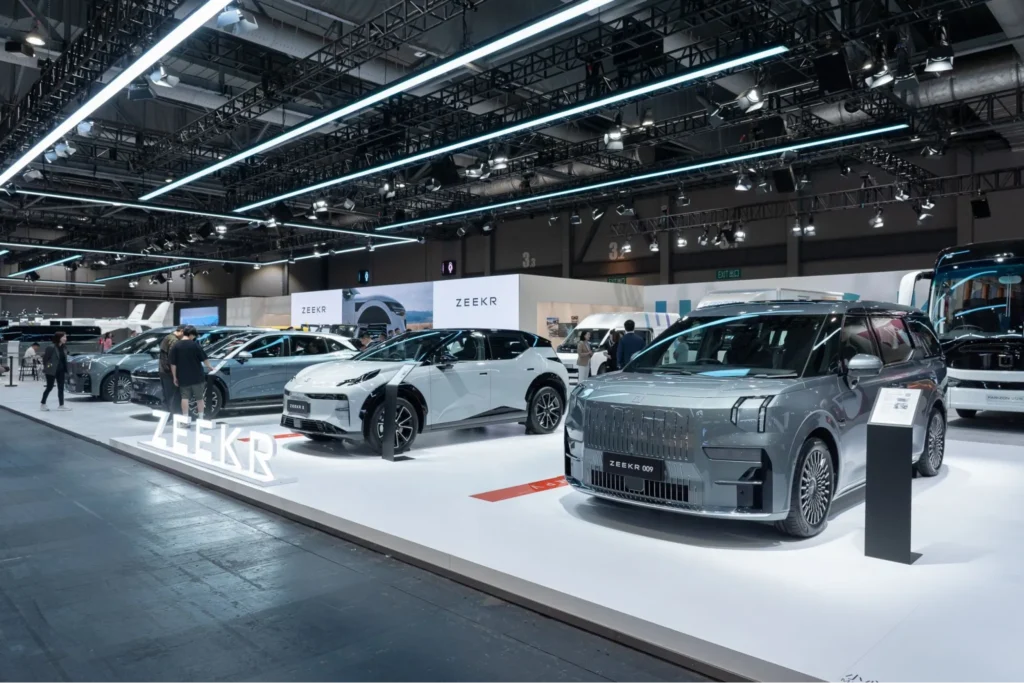
Zeekr is Geely’s premium electric vehicle brand, focused on tech-forward, design-led EVs. Zeekr Group, formed in 2025, includes Zeekr and Lynk & Co and describes itself as a premium new-energy vehicle group with over 1.8 million users worldwide. In Europe, its lineup includes the Zeekr 001, X, 7X, and 7GT, with models offering long WLTP ranges, quick acceleration, and fast-charging capability.
Luxeed
Luxeed is a premium EV brand developed by Huawei and Chery under Huawei’s HIMA umbrella. Its first model, the Luxeed S7 sedan, began mass delivery in 2024 after earlier production delays. The current HIMA lineup includes the S7 sedan, R7 SUV, and V9 MPV, with Huawei’s intelligent cabin and assisted-driving tech playing a central role in the brand’s positioning.
In 2026, the updated R7 and S7 models added Huawei’s 896-channel image-grade LiDAR and the Qiankun ADS 4, with starting prices of around RMB 239,800 for the S7 and RMB 259,800 for the R7.
Jewelry Brands in China
Laopu Gold
Laopu Gold is a fast-rising Chinese luxury gold jeweler founded in 2009. It focuses on heritage gold or gufa gold craftsmanship, blending traditional Chinese motifs with modern luxury retail.
The brand has gained attention as China’s “Hermès of gold,” with Reuters reporting sales of about RMB 10 billion in 2024 and a limited-store strategy across China, Hong Kong, and Macau. Its appeal comes from 24K gold, cultural symbolism, and high-end boutique positioning.
It opened its first overseas store at Singapore’s Marina Bay Sands in June 2025 and plans 4–5 new overseas stores in 2026, including a second Singapore location and a Tokyo store
Qeelin
Qeelin is a Hong Kong-born fine jewelry house founded in 2004 by Dennis Chan. Now part of Kering, it is known for playful, polished designs rooted in Chinese symbolism. Its signature Wulu collection, inspired by the gourd as a symbol of luck and positive energy, debuted at Cannes in 2004.
In 2026, Qeelin launched the Wulu Eternity collection featuring dimensional pendant silhouettes and the brand’s proprietary Qeelin Red HyCeram ceramic. The collection also debuts a closed-band Wulu.
Qeelin became part of Kering in 2013 and opened a store on Paris’s Place Vendôme in 2019, strengthening its position as a Chinese luxury jewelry brand with global reach.
Chow Tai Fook (jewelry)
Chow Tai Fook is one of Greater China’s most established jewelry names, founded in Guangzhou in 1929 by Chow Chi-Yuen. The brand built its reputation on gold jewelry, craftsmanship, and a wide retail reach across Mainland China, Hong Kong, Macau, and overseas markets.
Reuters describes it as China’s largest jewelry retailer; in recent years, it has pushed into younger, higher-margin products, new store formats, and international expansion, including Southeast Asia, Australia, Canada, and the Middle East.
In April 2026, Chow Tai Fook launched Chow Tai Fook Home, a luxury home-décor line developed in partnership with the French porcelain house Bernardaud, becoming the first global Chinese jewelry brand to enter the luxury home category. Its first global flagship store opened on Canton Road, Hong Kong, in May 2026, featuring a 2.1-meter, 40-kilogram gold gingko tree
Yue Ding
Yue Ding Jewelry, also written as 悦鼎珠宝, appears to be a smaller Chinese designer jewelry brand rather than a mass-market retailer. It was listed among the participating brands at the 2019 BAZAAR Jewelry International Designer Boutique Exhibition and was described as having an international outlook.
Yue Ding operates across Changsha, Sanya, and Fuzhou, with a vertically integrated supply chain spanning global gemstone sourcing, original design, and master craftsmanship
Handbags and Leather Goods
Songmont
Songmont is a Chinese handbag brand founded in 2013 by Fu Song, later joined by co-founder Wang Jie. The brand started from a practical work bag idea and has grown into one of China’s standout “It bag” labels, known for clean silhouettes, Eastern-inspired storytelling, and everyday functionality.
Popular styles include Luna, Song, Yore, and Gather, positioning Songmont in the accessible-luxury space rather than traditional logo-heavy luxury. Songmont overtook Coach as the top‑selling handbag brand on Tmall during the Double Eleven shopping festival.
Online bag sales grew over 90% year‑on‑year in the first three quarters of 2025. Its Shanghai flagship store on Huaihai Road was redesigned and reopened in April 2026
Qiuzhen
Qiuzhen, or 裘真, is a Chinese leather handbag brand founded in 2015. It is best known for water-dyed vegetable-tanned leather, a material chosen for its natural grain, aging, and patina over time.
The brand’s positioning sits in the RMB 1,000–3,000 range, aimed mainly at quality-focused urban women. Qiuzhen’s 2024 GMV reached RMB 230 million, with 2025 revenue expected to exceed RMB 400 million.
Qiuzhen ranked among the top three in sales during the Tmall Double 11 shopping festival, closely following Coach. The brand appointed actress Song Jia as its spokesperson with the campaign “No Doctrines, Just Live Authentically”
Grotto
GROTTO, also called 个乐, is a Chinese leather goods brand founded in 2001 by Huang Boqing. Its identity centers on “Born for Freedom,” with designs shaped by travel, individuality, and leather that changes with use. The brand emphasizes Italian leather, traditional handcraft processes, and its own workshop production.
Signature lines include Stone, Collar, Carry, and R66, giving GROTTO a more gender-fluid, edgy, and youthful feel among China’s premium handbag labels.
The brand placed fourth on Tmall’s Double Eleven handbag sales ranking in 2025, following Songmont, Coach, and Qiuzhen. In March 2026, Grotto released the “BACK TO BLACK” campaign and new STONE series pieces, including the Hippie Tote, exploring themes of freedom and individual expression
Chinese Fashion, Beauty, and Lifestyle Brands
Icicle (fashion)
Icicle is a Shanghai-born fashion brand founded in 1997 by Ye Shouzeng and Shawna Tao. Its signature idea is “Made in Earth,” built around natural fabrics, understated design, and harmony between people and nature.
The brand has become one of China’s strongest quiet-luxury players, with the Financial Times reporting that it operates around 240 stores across nearly 140 Chinese cities, as well as international expansion in France, Japan, and Ireland.
Guo Pei (haute couture)
Guo Pei is China’s best-known haute couture designer, famous for highly detailed embroidery, sculptural gowns, and a strong blend of Chinese heritage with Western couture techniques. Her official biography describes her as China’s first couturier, with more than 30 years of work behind her.
Internationally, she became widely recognized after Rihanna wore her yellow cape gown to the 2015 Met Gala. In September 2025, Guo Pei opened the SS2026 Beijing Fashion Week with her “Gilded Light” collection, presenting sculptural gowns that blend Eastern philosophy with thousands of hours of handcrafted artistry
Sandriver (cashmere)
Sandriver is a Chinese luxury cashmere brand founded by Guo Xiuling, an Inner Mongolian entrepreneur with over 30 years in the cashmere industry. The brand focuses on ethical, high-quality cashmere sourced from regions such as Inner Mongolia and Tibet.
China Daily reports that Guo moved away from OEM manufacturing for Western luxury labels to build a Chinese international cashmere brand, while Inside Retail notes that Sandriver has been active internationally since 2007.
Grace Chen (fashion)
Grace Chen is a Shanghai-based couturier who founded her namesake label in 2009. Her brand is known for refined, elegant womenswear, especially formal dressing for powerful public figures and private clients. Media coverage has called her “China’s power dresser” and highlighted her client base among Chinese and international elites.
In March 2026, Grace Chen debuted the “Shi Ya” couture collection at China Fashion Week, the second chapter of her “Beauty Ideal” trilogy. The collection celebrated the spirit of the Chinese scholar-gentleman with an immersive theater of fashion, music, and dance
Uma Wang (fashion)
Uma Wang is one of China’s most internationally recognized fashion designers. Trained in textiles at China Textile University in Shanghai and later at Central Saint Martins in London, she is known for layered silhouettes, earthy palettes, rich textures, and a poetic approach to fabric.
Business of Fashion notes that her label has shown collections in London, Paris, and Milan, helping place Chinese independent fashion on the global calendar. For Fall Winter 2026.27, Wang looked to 1930s Shanghai, blending Western tailoring cues like double-breasted jackets with Eastern details such as pankou fastenings
Windowsen (fashion)
Windowsen is the futuristic fashion label of Chinese designer Sensen Lii. Created during his time at the Royal Academy of Fine Arts Antwerp, the brand mixes couture, clubwear, sci-fi, drag, sportswear, and theatrical fantasy.
Fashion Asia Hong Kong says the name combines “Windows” with “Sensen,” reflecting a portal into the brand’s otherworldly universe. Vogue has described Windowsen’s work as alien-inspired, dramatic, and visually striking.
Windowsen collaborated with Nike on the “Mission X: Hybrid Interface Project 2026” collection. In 2026, its sci-fi silhouettes appeared on Hollywood red carpets and in avant-garde boutiques in New York and London
Saint Angelo (menswear)
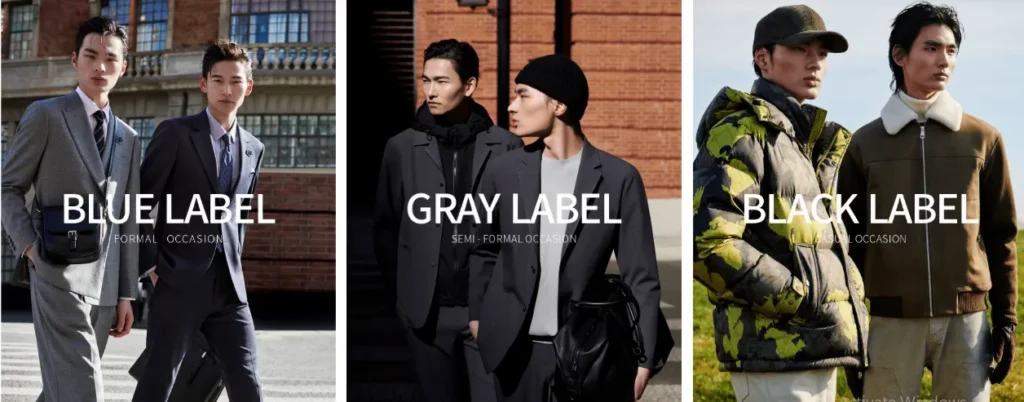
Saint Angelo, also known as Baoxiniao (报喜鸟), is a Chinese menswear brand from Wenzhou, Zhejiang. Its roots trace back to suitmaking in the 1980s, with the brand formally established in 1996. It focuses on business menswear, especially suits, shirts, trousers, and jackets.
Reuters describes parent company Baoxiniao as a China-based maker and distributor of men’s branded clothing across labels including Baoxiniao, Hazzys, S.ANGELO, and Bono.
In February 2026, it launched its high-end bespoke line, “Maestro Atelier,” in London and signed a strategic partnership with Belgian luxury textile manufacturer Scabal.
Mao Geping (beauty)
Mao Geping is a premium Chinese beauty brand founded in 2000 by renowned makeup artist Mao Geping. The company owns the MAOGEPING and LOVE KEEPS beauty brands and is known for makeup rooted in Chinese facial structure, contouring, and refined artistry. Reuters reported that Mao Geping priced its Hong Kong IPO at the top of its range in December 2024, aiming to raise about US$270 million.
Florasis (beauty)
Florasis, or Huaxizi (花西子), is a Hangzhou-born C-beauty brand launched in 2017 near West Lake. It blends Chinese aesthetics, floral-inspired formulas, carved packaging, and modern makeup technology.
The brand has become one of China’s most visible global beauty exports. Vogue reported that Florasis opened a smart factory in Hangzhou with digitalized production lines and a stated annual capacity of 50 million units, supporting its international growth.
Documentz / DOCUMENTS (perfume)
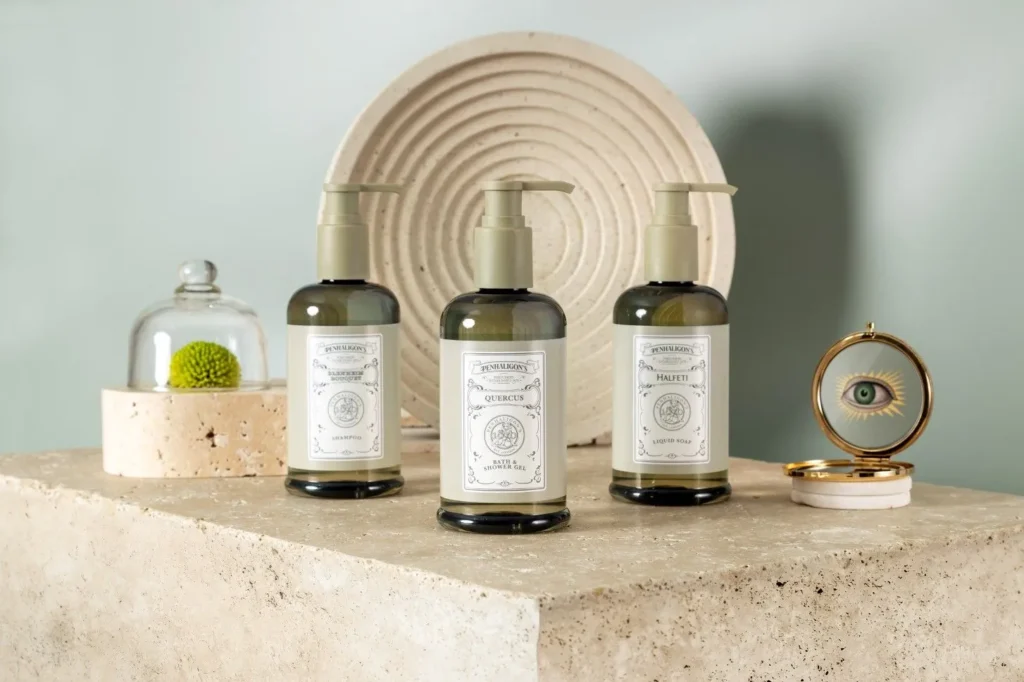
Documentz appears to refer to DOCUMENTS, or 闻献, a Chinese niche fragrance brand founded in 2021 by Zhaoran Meng. It is known for “Bold-Zen” aesthetics, minimalist unisex scents, and Chinese ingredients such as star anise, mugwort, yulan magnolia, and walnut.
Documents attracted new investment in 2024 and had previously received backing from L’Oréal, reflecting the rise of premium Chinese fragrance labels. In June 2026, it launched its eighth season, “HOMELAND,” a city-exclusive collection of perfumes that create “olfactory landmarks” for nine Chinese cities
To Summer (perfume)
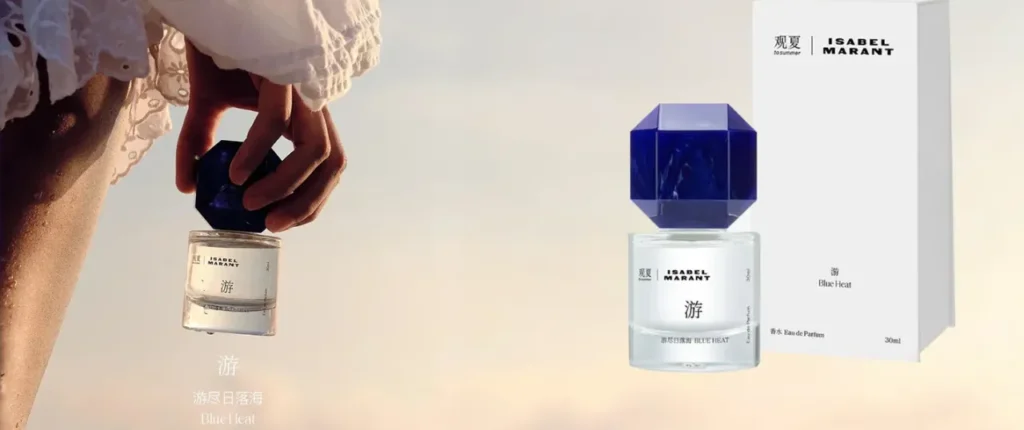
To Summer, or 观夏, is a Beijing-founded Chinese fragrance brand launched in 2018 by Shen Li and Huipu Liu. It creates perfumes, candles, body care, and home fragrance products inspired by Eastern aesthetics, tea, wood, osmanthus, and seasonal memories.
L’Oréal made a minority investment in To Summer in 2024 through its China investment arm and BOLD venture fund, supporting the brand’s global expansion.
Shang Xia (lifestyle)
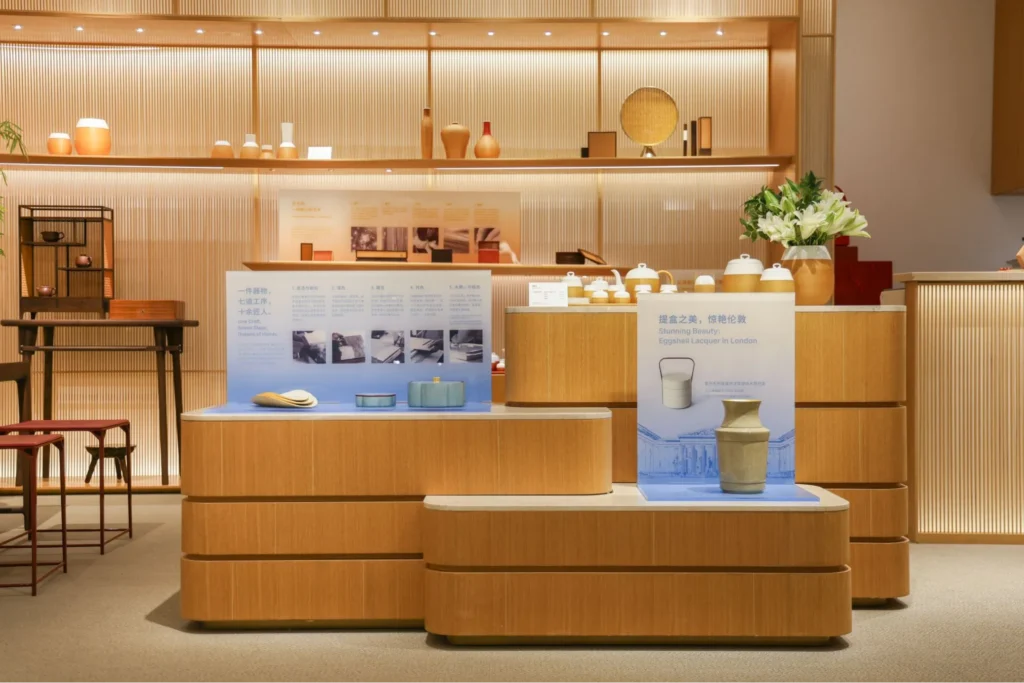
Shang Xia is a Chinese luxury lifestyle brand built around modern design and traditional Chinese craftsmanship. Its official history says the concept was created in 2008 by Hermès and designer Jiang Qiong’er, blending ancient Chinese culture with contemporary aesthetics across home décor, furniture, fashion, and accessories.
Vogue noted that Exor later acquired a majority stake, giving the brand a broader international platform. In May 2026, Shang Xia appointed Tribal Worldwide Singapore for experiential marketing duties, signaling its regional expansion
Neiwai (intimates and loungewear)
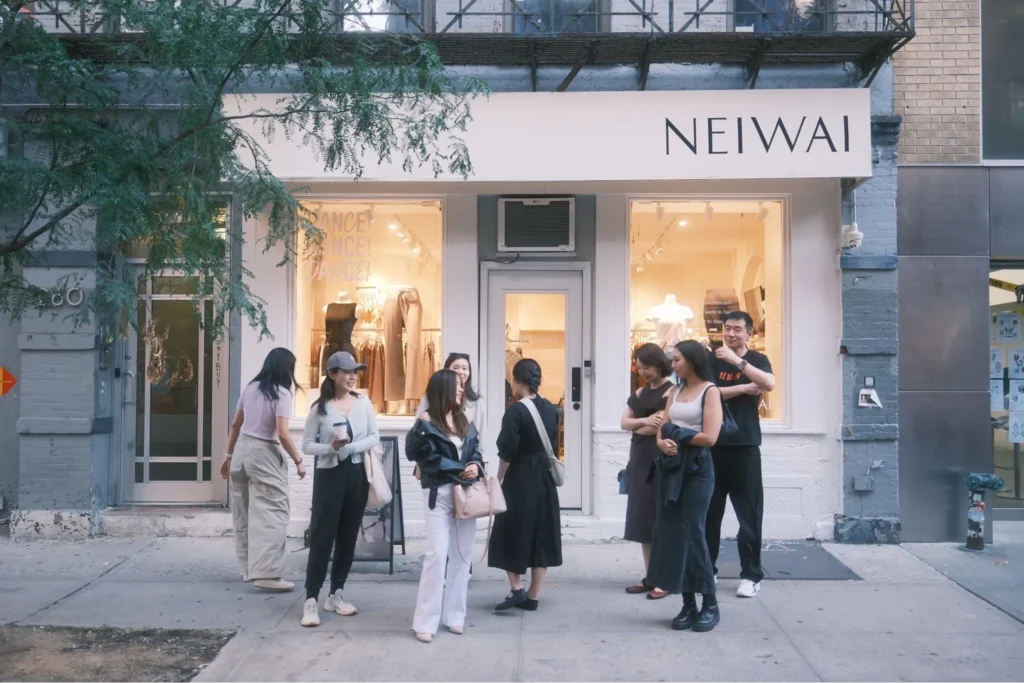
Neiwai is a Chinese intimates, loungewear, and activewear brand founded by Liu Xiaolu and launched in Shanghai in 2012. The name means “inside and outside,” reflecting its focus on comfort, body inclusivity, and self-acceptance rather than traditional lingerie glamour. Forbes describes it as a popular Chinese lingerie and loungewear label, while Vertex Growth says Neiwai helped pioneer body inclusivity in China’s underwear market.
What Makes The Top Chinese Luxury Brands Different?
The best top Chinese luxury brands are not simply cheaper versions of European brands. Their differentiation comes from five mechanisms.
They Use Cultural Meaning Without Heavy Translation
Local brands understand the emotional weight of Chinese symbols. A gourd, a tea note, a courtyard, a jade shade, a Song dynasty line, or a gold technique can carry meaning without being explained loudly. This allows brands to build cultural depth with restraint.
They Connect Product And Daily Ritual
Modern Chinese luxury is practical. Consumers want bags that work for commuting, jewelry that stores value, fragrance that fits home life, loungewear that feels intimate, and beauty products that look good on the vanity. This is functional luxury, not purely display luxury.
They Move Fast Through Digital Feedback
Chinese designer brands learn from Xiaohongshu, Douyin, Tmall, WeChat communities, livestreaming, and direct retail feedback. The consumer conversation is close to product development. This gives local brands a speed advantage.
They Build Trust Through Specificity
A vague heritage story is weak. A precise story about a craft, region, founder, material, or use case feels stronger. Local luxury succeeds when consumers understand why the product exists.
They Treat China As The Creative Center
Many Western brands localize campaigns for China. Local brands begin in China. That difference matters. It affects naming, scent, retail design, packaging, community tone, customer service, and collaborations.
The Consumer Behind the Shift
Understanding the consumer is essential for any brand operating in this market. The demographic divides are sharp.
Gen Z consumers account for about 15% of China’s population in the world’s second-largest luxury market. This generation came of age with Western luxury retail already embedded locally and with constant access to digital platforms. They are globally fluent consumers, equally comfortable navigating domestic and international fashion ecosystems. A growing number are designing and producing their own garments, enabled by the speed and accessibility of China’s on-demand manufacturing ecosystem.
Yet Gen Z is also the most cautious. About 37% of Gen Z consumers plan to reduce or stop luxury purchases, nearly triple the share among Millennials at 13%. Middle-aged buyers remain the most resilient, forming the segment with the greatest stability and growth potential. Nearly half of those cutting back aim to increase savings, while 38% are redirecting toward experiences such as travel and events.
The implications for brands are clear. The challenge is not to grow baskets but to win within smaller, more deliberate ones through relevance, trust, and experiential value. Brands that maintain strong desirability and deliver clear value through innovation and targeted pricing strategies are proving more resilient.
What Luxury Brands Made in China Mean for Global Competition
The question of whether luxury brands made in China compete with Western houses on equal footing requires a nuanced answer. In automotive and fine jewelry, the answer is yes. Maextro and Laopu Gold are genuinely competing at the top.
In handbags, the disruption remains concentrated in the lower tiers. Songmont operates at price points between $300 and $900, far below the prices commanded by major European houses. Its growth is largely driven by e-commerce, not by a retail footprint that matches the experiential power of established global brands.
This does not diminish the significance of the shift. The middle of the luxury market is becoming a graveyard for brands that are too expensive to compete with Chinese designers and not iconic enough to compete with Hermès. Niche Western brands like DELVAUX, MOYNAT, and Valextra are caught in this squeeze.
Which luxury brands are made in China is no longer a question of manufacturing location. It is a question of brand equity, cultural resonance, and consumer trust. Western brands that rely on heritage alone are finding that heritage does not translate automatically in a market that has its own.
Strategic Implications for Global Brands
For global luxury executives, the rise of Chinese luxury brands presents a strategic challenge that cannot be solved with marketing spend alone.
First, the assumption that Chinese consumers will always prefer Western brands is no longer safe. The data on Maextro, Laopu Gold, and Songmont is too compelling to dismiss. Global brands need to understand which luxury brands made in China are winning and why.
Second, the traditional luxury playbook of heritage, scarcity, and exclusivity is losing power in China. Consumers are not rejecting luxury. They are rejecting luxury that does not speak to them. Chinese luxury brands are winning because they speak the local language literally and culturally.
Third, the competitive set has expanded. Global brands are no longer competing only with each other. They are competing with luxury brands from China that are faster, more culturally fluent, and often more technologically advanced.
Fourth, the recovery in China’s luxury market will be uneven. Brands that deliver clear value through innovation and targeted pricing will outperform. Those that rely on past momentum will continue to post significant declines.
The most successful global brands in China will be those that treat the market not as an extension of the West but as a distinct luxury ecosystem with its own rules, codes, and consumers.
Can Chinese Luxury Brands Compete Globally?
Yes, but global expansion will be uneven. Luxury brands from China face a different challenge outside China. Domestic consumers may understand the cultural code instantly. International consumers need a clear entry point.
Qeelin has an advantage because Chinese symbolism is already presented through a global luxury group structure. Shang Xia has a clear heritage craft story. Songmont has accessible product utility and familiarity with the bag category. Florasis has a visual impact on beauty.
Summer can connect through scent, retail atmosphere, and Asian cultural memory. Feng Chen Wang, Uma Wang, Susan Fang, and Shushu Tong already speak to global fashion audiences through runway and stockist ecosystems.
The global opportunity is not to make these brands look more Western. The opportunity is to make Chinese luxury legible without flattening it.
The Next Stage Of China’s Luxury Brands
The next stage of China’s luxury brands will be defined by discipline. Local brands have cultural momentum, but they need consistency, product excellence, service standards, legal protection, retail control, and international storytelling.
The winners will likely share four traits. They will have a clear design language. They will protect quality while scaling. They will use Chinese cultural meaning with confidence. They will build brand trust across physical retail, social platforms, and after-sales service.
For global executives, the message is clear. China is no longer only the market where luxury is sold. It is becoming one of the places where luxury is being redefined. The most important local brands are moving beyond Western status codes because Chinese consumers are doing the same.
Bring China’s Digital Future Into Your Boardroom
Want to understand China’s fast-moving digital, retail, and consumer landscape without the guesswork? Ashley Dudarenok helps global leaders decode what’s happening in China and turn those insights into practical business action.
A China digital expert, keynote speaker, author, and entrepreneur, Ashley has spoken at 300+ events and worked with global brands including Coca-Cola, Huawei, Alibaba, BMW, Shiseido, and Disneyland. Through tailored keynotes and executive briefings, she covers topics like China consumer trends, social commerce, New Retail, WeChat, Douyin, Xiaohongshu, AI, and digital transformation.
Ready to learn from the world’s most competitive digital market?
Book Ashley Dudarenok for your next keynote, leadership session, corporate event, or executive briefing, and give your team the insight, confidence, and practical tools they need to stay ahead.
FAQs
What Are The Best Chinese Luxury Brands To Know In 2026?
The best Chinese luxury brands to watch include Shang Xia, Icicle, Songmont, Laopu Gold, Qeelin, Florasis, Mao Geping, To Summer, Neiwai, Feng Chen Wang, Shushu Tong, Uma Wang, and Susan Fang.
Are Luxury Brands Made In China Considered High Quality?
Yes, many luxury brands made in China can be high quality when design, materials, manufacturing control, and service standards are strong. The label alone does not define quality. Brand discipline and production transparency matter more.
What Luxury Brands Are Made In China Today?
For what luxury brands are made in china, focus on local names such as Songmont, Florasis, Mao Geping, To Summer, Neiwai, Laopu Gold, Yvmin, and many Shanghai-based designer labels with Chinese production links.
Which China Luxury Brands Bags Are Worth Watching?
The strongest china luxury brands’ bags conversation centers on Songmont, Dissona, and Oleada. Songmont has the clearest international visibility due to its leather positioning, functional silhouettes, refined storytelling, and strong social media traction.
What Makes Made In China Luxury Brands Different From Western Luxury?
made in china luxury brands often compete through cultural relevance, digital speed, local consumer intimacy, functional design, and sharper price value. Western luxury still leads in heritage depth, but local brands are gaining trust.
Are Chinese Luxury Brands Clothing Labels Selling Internationally?
Yes, several chinese luxury brands clothing labels sell internationally through fashion week visibility, global boutiques, ecommerce platforms, and celebrity placement. Feng Chen Wang, Uma Wang, Shushu Tong, Susan Fang, and Chen Peng are key examples.
Why Are Young Consumers Interested In Luxury Chinese Fashion Brands?
Young consumers like luxury chinese fashion brands because they feel culturally current, expressive, and less predictable than legacy logo luxury. Many labels offer identity, craft, digital community, and visual originality in one package.
How Should Global Brands Respond To Top Chinese Luxury Brands?
Global brands should study top chinese luxury brands as competitors and learning sources. The biggest lessons are local creative authority, cultural depth, product value, digital listening, and more human retail experiences.
Are Chinese Luxury Brands Bags Replacing European Bags?
chinese luxury brands bags are not fully replacing European icons, but they are entering daily rotation. Many consumers buy them for functionality, price logic, local design relevance, and social discovery rather than pure status signaling.
What Is The Future Of Luxury Brands In China?
The future of luxury brands in China will be selective and product-led. Consumers will reward brands with clear value, cultural intelligence, service quality, and design consistency. Weak storytelling will lose attention faster.