
Knowing how to find a keynote speaker who actually fits a digital transformation event is harder than most organizers expect. You post a search, get a long list of names, and suddenly you’re comparing bios that all sound the same. Everyone claims to be an expert. Everyone has a reel. But who will actually move the room?
The right speaker does more than deliver a polished presentation. They help an audience understand why change is happening, what it looks like in practice, and what their business should do next. That clarity is what separates a memorable event from one that people forget by the time they hit the parking lot.
This guide walks through a practical process for making that call.
Start with Goals, Not a Speaker List
Before you start evaluating speakers, get clear on what success looks like for your event. Is the goal to help leadership teams build a case for digital investment? To inspire mid-level managers to embrace new tools? To challenge a complacent team to think bigger?
The answers shape everything. A C-suite audience expecting strategic framing needs a very different presentation than a cross-functional team looking for operational clarity. The speaker who performs brilliantly for one group may completely miss the mark with the other.
Also consider where your audience sits on the learning curve. A room full of digital natives doesn’t need a basic explainer on AI. A traditional industry audience, on the other hand, may need concrete examples before they can engage with the bigger picture. Knowing this upfront helps you filter candidates quickly and set the right expectations with whoever you book.
Where to Actually Look When You Need to Find a Keynote Speaker
Once your objectives are clear, the research phase becomes much easier. You know what to look for, so you stop getting distracted by surface-level impressions.
Which Channel Works Best
Start with speaker bureaus that specialize in tech and innovation. They curate vetted professionals and can match you to someone based on your event theme, budget, and audience profile. LinkedIn is another strong channel. Search by topic, filter by region, and look at who’s actively publishing insights rather than just listing credentials.
YouTube and podcast appearances are particularly useful. Watching a speaker’s delivery in an actual talk tells you far more than a bio ever will. Look for energy, clarity, and whether they use real examples or stay at the level of vague generalities. Event recordings from past conferences, testimonials from past clients, and published books or reports also help you gauge depth.
When you find a keynote speaker through any of these channels, cross-reference what you see. A speaker who shows up consistently across multiple credible platforms is much more likely to deliver on stage.
How to Tell If a Speaker Truly Understands Digital Transformation
Expertise in digital transformation is not just about knowing the tech. The best speakers understand how technology plays out in real markets, real businesses, and real consumer behavior. That practical grounding is what makes a talk feel relevant rather than theoretical.
Real Examples That Should Appear in Every Digital Transformation Keynote
A speaker who can walk an audience through how Alibaba’s logistics arm, Cainiao Network, uses AI to manage hundreds of automated guided vehicles across its smart warehouse network, cut route distances by up to 30% in rural delivery areas through AI-powered route planning, and enable real-time package tracking across millions of daily shipments is giving the audience something they can actually use as a reference point.
The same goes for retail and logistics transformation. JD.com’s investment in AI-powered intelligent warehouses helped the company achieve same-day or next-day delivery for over 90% of first-party orders during peak events, and AI route optimization improved vehicle utilization by over 40%.
That shift from reactive logistics to a data-driven, predictive model is the kind of concrete result that shifts how an audience thinks about what’s possible. It moves the conversation from “should we invest in this?” to “how do we get started?”
Consumer behavior examples are equally important. In China, the line between social media and shopping has effectively disappeared.
Platforms like Douyin allow brands to combine entertainment, product showcasing, and a direct checkout experience in a single short video. Audiences watching this from a Western market context start to see their own market’s trajectory more clearly.
How a Speaker Frames Change Matters as Much as the Examples They Use
Beyond the examples themselves, pay attention to how a speaker frames change. The best digital transformation speakers understand that technology adoption is always a people problem at its core.
Baidu’s use of facial recognition to streamline internal office experiences, including ordering from vending machines, is a small but telling example of how consumer-facing habits shape workplace expectations.
China Minsheng Bank’s cloud-native transformation, executed in partnership with Alibaba Cloud, is a solid example of this. After migrating to a containerized platform, the bank saw application delivery efficiency increase three to four times over, and system downtime drop by 50%.
A speaker who can draw a line between that kind of internal transformation and the broader market forces driving it gives an audience strategic context, not just an interesting anecdote.
The depth and specificity of a speaker’s examples tell you a lot about how closely they follow the market. Generic observations about “AI changing everything” are easy to find. Concrete, data-backed stories from real companies are not.
The Mindset Shift a Strong Keynote Creates Inside an Organization
The clearest business case for bringing in a strong keynote speaker at a digital transformation event is the shift in organizational mindset they can create.
When an audience sees that Alibaba built cloud infrastructure powerful enough to serve as the official technology backbone for the 2022 Beijing Winter Olympics, handling all core operational systems, live broadcasting services, and real-time event analytics at a global scale, the abstract idea of cloud transformation becomes something tangible.
That shift in perception has downstream effects. Leaders leave with more conviction. Teams feel a stronger sense of urgency. And the event itself carries more long-term value because the content was anchored in something real.
A Generic Talk Will Not Work for a Digital Transformation Audience
Even the most knowledgeable speaker can fall flat if their presentation isn’t shaped around the audience in front of them. Customization matters more than most event organizers realize.
Key Questions to Ask Every Speaker Before You Sign a Contract
When you find a keynote speaker worth considering, ask them directly how they customize. Do they research the industry before they arrive? Do they adjust their examples based on the audience’s region, sector, or level of digital maturity?
Can they connect their China-based case studies to a European retail brand, a Southeast Asian financial institution, or a US logistics company?
Look at whether the speaker offers more than just the talk itself. Some speakers provide supplementary materials, industry reports, or post-event access to frameworks discussed on stage. These additions extend the value of the engagement and give attendees something to reference as they take action.
Also evaluate tone and communication style. Digital transformation can feel intimidating to parts of an audience. A speaker who can make complex concepts feel accessible without dumbing them down is doing something genuinely difficult, and it shows.
Why Ashley Dudarenok Is a Strong Fit for Digital Transformation Events
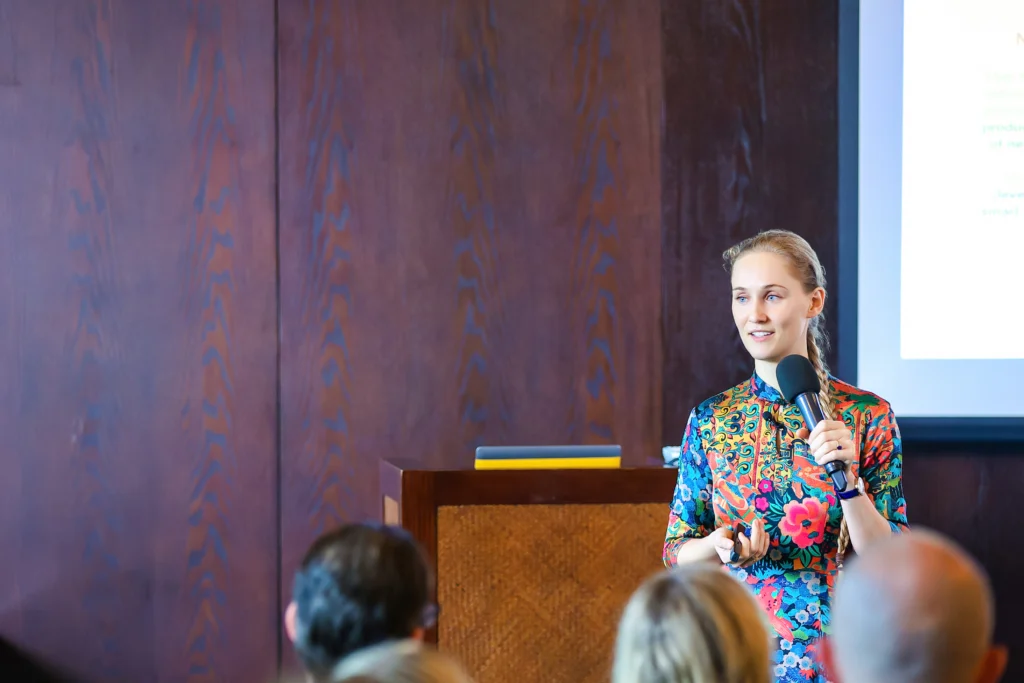
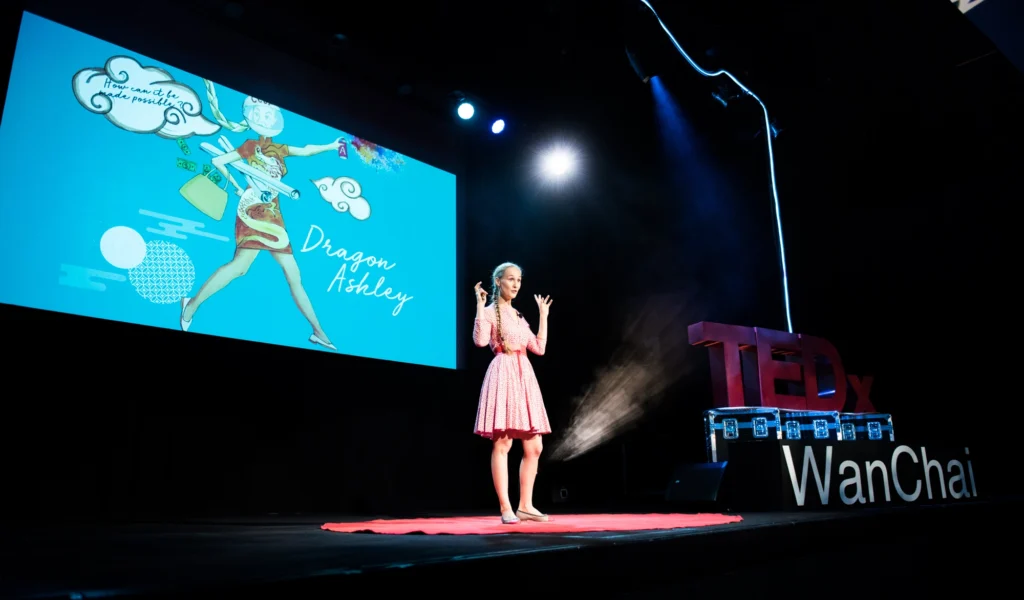
Ashley Dudarenok is one of the most sought-after keynote speakers for digital transformation events, bringing firsthand expertise from China, the world’s most competitive and digitally advanced market.
As the founder of ChoZan and Alarice, and a member of Alibaba’s Global Influencer Entourage as well as JD.com and Pinduoduo’s Global China Experts Group, Ashley has an inside track on how the world’s leading digital ecosystems operate.
She has spoken at hundreds of events across five continents, working with brands including 3M, Colgate, Adobe, HSBC, Shiseido, BMW, and Disneyland, among others.
Her keynotes go deep on the real-world application of digital technology across consumer behavior, retail transformation, AI adoption, and innovation strategy.
She draws on live case studies from companies like Alibaba, ByteDance, Tencent, JD.com, Meituan, and Baidu to give audiences a front-row view of what digital transformation looks like when it’s working at scale.
Every engagement Ashley takes on is customized for the audience’s needs, business context, and industry. Her presentations are known for high energy, strong structure, and insights that are immediately actionable.
Recognized by Thinkers50 as a “Guru on Digital Marketing and Fast-evolving Trends in China,” and listed among the World’s Top 30 Internet Marketers by Global Gurus, Ashley brings credibility and clarity to one of the most complex topics on any event agenda.
To book Ashley or discuss how her keynote can be tailored to your next event, reach out to her team at info@chozan.co.
Frequently Asked Questions (FAQs)
1. What criteria define the right speaker for digital transformation events?
Look for proven expertise in technology and business, a track record of speaking to similar audiences, and the ability to deliver real-world case studies, not just broad trends. Customization to your industry and audience’s knowledge level is also key.
2. How do real-world case studies strengthen keynote impact?
They make abstract technology concepts tangible. When an audience sees how JD.com’s AI-driven logistics enabled same-day or next-day delivery for over 90% of peak-period orders, or how Cainiao’s route optimization reduced delivery distances by up to 30% in rural areas, they have a concrete reference point to apply back to their own context.
3. What consumer behavior examples illustrate digital change?
China’s integration of social media and e-commerce is one of the clearest examples globally. Short-video platforms like Douyin have merged entertainment, brand storytelling, and purchasing into a single seamless experience, changing how consumers discover and buy products.
4. How do retail transformation cases demonstrate practical value?
Real retail and logistics cases show what investment in digital infrastructure actually produces. JD.com’s intelligent warehouse system helped the company achieve industry-leading fulfillment speed during peak events, while its AI-powered route planning improved operational efficiency in measurable, documented ways.
Audiences walk away with a clear picture of what return on transformation investment actually looks like.
5. What advantages arise from expert technology perspectives?
Experts provide strategic framing, not just information. They help audiences understand what’s driving change, what’s worth investing in, and what common pitfalls to avoid, based on experience in markets where digital transformation is already at scale.
6. How does Ashley Dudarenok integrate business applications?
Ashley grounds every keynote in specific examples from China’s tech ecosystem, connecting market dynamics to practical strategies for her audience’s industry. Her sessions are tailored to the business context of each event, ensuring relevance and direct applicability.
7. Why prioritize speakers with proven innovation frameworks?
A speaker with a clear framework gives an audience more than inspiration. It gives them a structure they can take back to their organization and use. That’s the difference between a talk that’s energizing in the room and one that actually moves the business forward.
When your event needs to leave a real impact, the place to start is to find a keynote speaker with the expertise, examples, and customization to deliver it.