
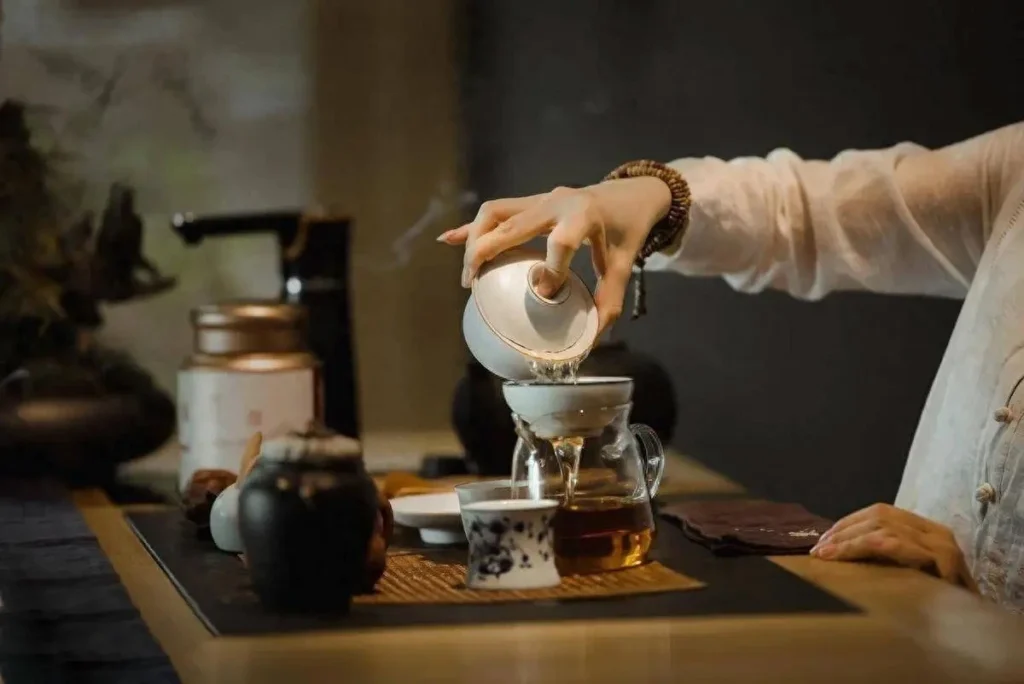
Affordable luxury in China now sits much closer to ordinary life. In a more cautious consumer environment, people are spending more carefully on large discretionary purchases, but they still protect room for small rewards that improve mood, add beauty, or make daily routines feel more intentional.
ChoZan’s 2026 China consumer report places this behavior inside a broader shift toward micro rituals, aesthetic packaging, and affordable luxuries that help the ordinary feel memorable without demanding major spending.
This matters because the meaning of affordable luxury has changed. In China today, it is often less about the occasional statement purchase and more about a repeatable upgrade that feels emotionally worthwhile.
A premium drink after work, a beautifully packaged dessert, a travel-size fragrance, or a refined desk accessory can all deliver the sense of taste, care, and self-reward that consumers still want to preserve. These small indulgences deliver emotional lift without asking consumers to make a major financial commitment.
Value Packaging & Micro Rituals: Boost Daily Consumption Taste
The strongest shift is not a return to broad premium spending. It is a move toward selective indulgence. Consumers still want pleasure and refinement, but they want them in formats that feel controlled. That is why smaller purchases are gaining relevance.
Big Splurges Feel Harder To Justify
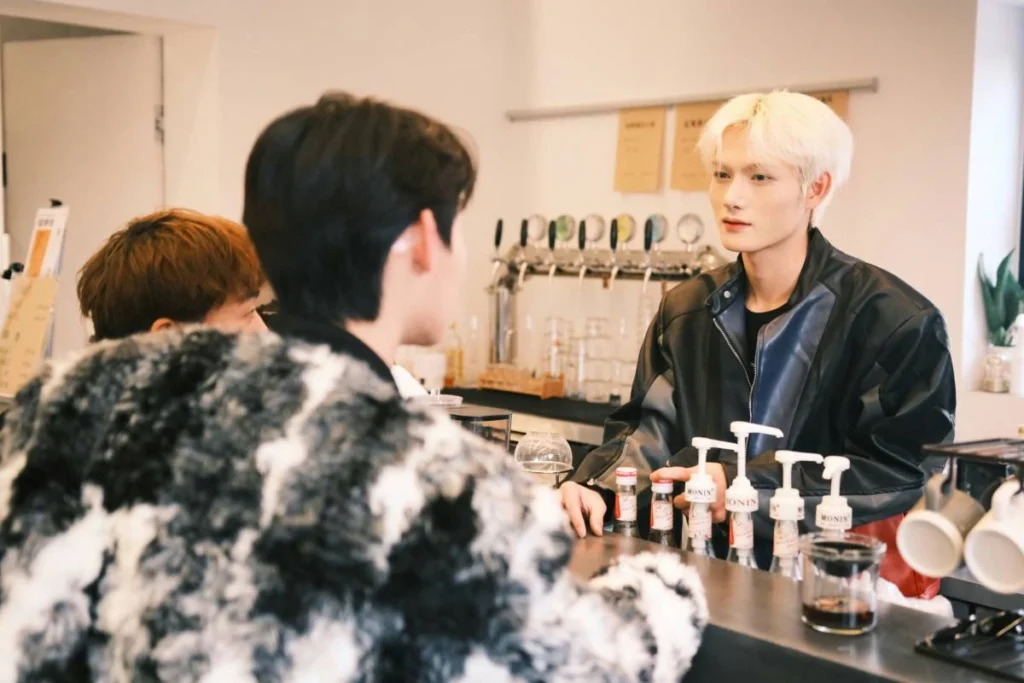
Large purchases now face more scrutiny. Households are more deliberate, especially when the price is high, and the emotional return feels uncertain. In China’s current consumer climate, spending is holding up best in categories that feel useful, meaningful, or emotionally rewarding.
That discipline is reshaping premium demand. Instead of asking whether they should make a major upgrade, many consumers are asking what small purchase will make the week feel better. That shift favors products that offer low-commitment luxury.
Small Rewards Still Feel Worth Protecting
This logic connects directly with the broader discussion of protected emotional spending. Chinese consumers are cutting low-meaning spend while still making room for emotionally rich purchases, including small-ticket treats that brighten the day.
That is why affordable luxury items now extend far beyond classic luxury categories. The real opportunity often sits in beauty minis, specialty food and drink, home details, accessories, and aesthetically pleasing everyday products.
Micro Rituals Are Turning Routine Into Value
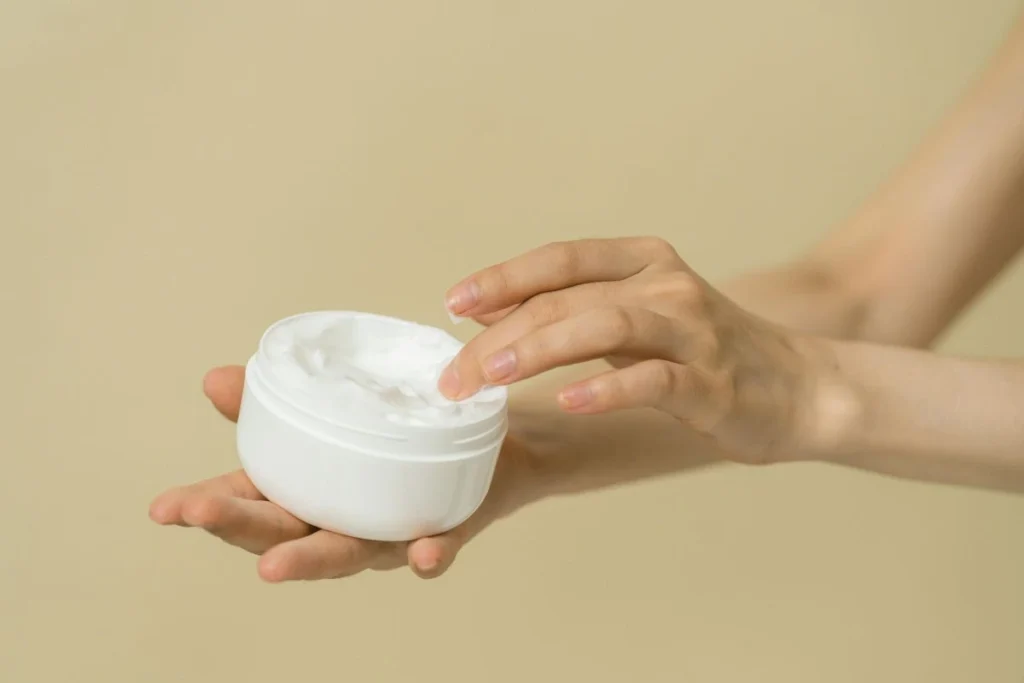
Chinese consumers are not only buying products. They are building small moments around them. The purchase often matters because it supports a routine that people want to keep.
Rituals Create Control In An Uncertain Market
Consumers, especially younger ones, are embracing the idea that life needs a sense of ritual. They are adding small ceremonies and aesthetic touches to daily routines to regain control and joy without significant spending.
That can mean brewing hand-poured coffee instead of instant, turning a multi-step skincare routine into a nightly pause, plating breakfast more beautifully, or making delivery unboxing feel like an occasion. These acts are small, but they create structure and emotional grounding.
Rituals Make Spending Easier To Defend
A product tied to a ritual feels more valuable than a product consumed mindlessly. It becomes part of a personal system for mood repair, self-care, or everyday rewards.
That is why micro luxuries keep growing even in a cautious market. The item itself may be small, but the role it plays is not. It helps the consumer protect a moment that feels personal, calming, or expressive.
Packaging Now Carries Part Of The Premium Story
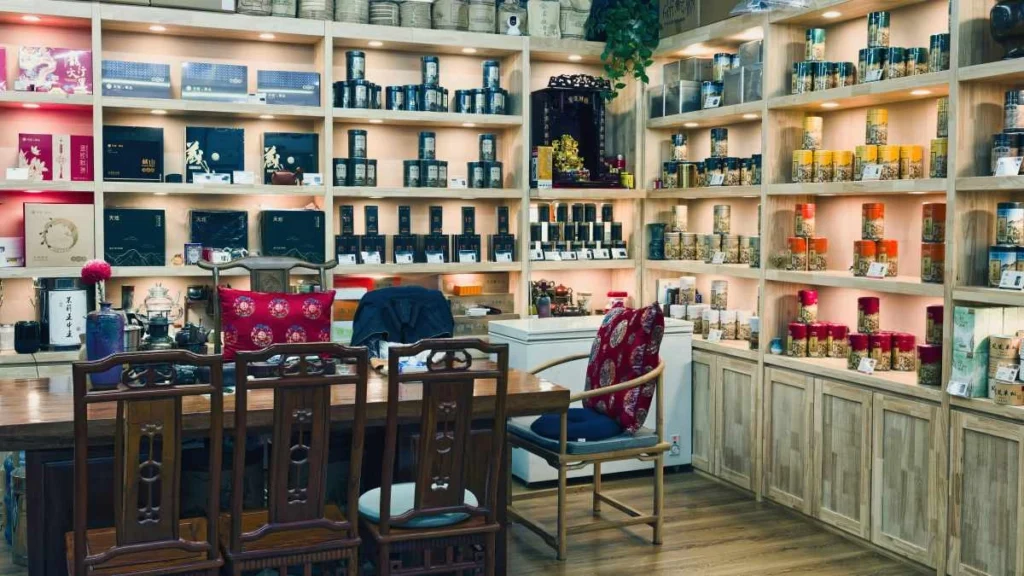
Packaging is not a side detail in this environment. It has become part of the reason people buy. Attractive, creative, and even collectible packaging is now a powerful purchase trigger, especially for items that are good-looking enough to post.
Aesthetic Packaging Adds Emotional And Social Value
Beautiful packaging changes how a low-cost product is perceived. It adds visible refinement, makes the product feel giftable, and turns consumption into something more shareable.
On Xiaohongshu and Douyin, aesthetically pleasing items can quickly become objects of desire. Tea or liquor bottles designed like art pieces, cosmetic compacts with traditional Chinese motifs, and mooncake boxes that double as keepsake cases all show how packaging now carries real commercial value.
It raises perceived quality, extends usefulness, and gives a small purchase more social and emotional weight.
In many cases, packaging becomes part of the symbolic consumption itself, with visual details acting as premium cues that make a modest purchase feel more elevated.
Low-Cost Products Can Still Feel Premium
A low ticket SKU can carry high emotional weight if it feels premium, personal, and photographable.
That is why affordable premium does not require a luxury price tag. It requires stronger cues of care, taste, and intention. In China’s current market, design often becomes the bridge between restraint and indulgence.
Entry Products Are Becoming The Real Luxury Gateway

This shift also changes how premium and accessible brands should think about entry products. For affordable luxury brands and accessible luxury brands, entry products now do more strategic work than ever.
Chinese consumers still want quality and beauty, but they are more likely to begin with smaller purchases. That makes the first product encounter far more important.
Accessible Luxury Brands Need Better Entry Points
Micro luxuries now show up in artisan drinks, desserts, lipsticks, travel-size fragrances, small leather goods, specialty stationery, décor, and accessories that upgrade a desk, shelf, or bag.
These categories matter because they let consumers buy into a feeling before committing to a larger spend. A strong entry product offers a sense of refinement without creating financial tension. It is easier to repeat, easier to gift, and easier to justify.
Affordable Luxury Fashion Must Work Harder For Relevance
For fashion and lifestyle brands, this creates a sharper challenge. Brand image alone is weaker when budgets are tighter. The entry item has to feel emotionally rich on its own.
That could mean better materials, stronger packaging, collectible presentation, seasonal visual language, or a more intentional ritual around use. The consumer is not buying the cheapest version of luxury. The consumer is buying a small, meaningful expression of taste.
What Brands Should Do Next In China
The opportunity here is clear, but it is not automatic. Brands need to design for the current logic of value, emotion, and repeatability.
Build Products Around Repeatable Moments
The strongest offers fit naturally into protected parts of the day or week. Morning reset, desk refresh, evening unwind, solo treat, and small celebration are all commercially relevant occasions.
When a brand can attach itself to one of those moments, it becomes easier for consumers to bring it back into routine.
Make The Product Worth Showing
In this market, shareability matters. Consumers are drawn to products that look thoughtful, feel refined, and carry clear aesthetic appeal. Reusable containers, collectible formats, tactile details, and stronger visual identity can all lift perceived value.
Give Consumers A Fast Reason To Upgrade
Chinese consumers are increasingly disciplined about value across categories. People are willing to pay more when the improvement is clear, tangible, and easy to defend. The premium needs to make sense fast. It should feel better, look better, or turn an ordinary moment into a better one.
The real growth sits in daily treat culture, where restrained splurging feels easier to justify than a bigger luxury commitment.
Affordable luxury in China is growing through daily rituals because that is where emotional need and spending discipline now meet.
Consumers still want pleasure, beauty, and a sense of refinement. They simply want them in forms that feel manageable, repeatable, and personally meaningful. For brands, the real opportunity is to create small indulgences that people want to protect as part of everyday life.
Work With Ashley Dudarenok

China’s affordable luxury shift is being shaped by small indulgences, ritual-driven consumption, and packaging that turns ordinary purchases into emotionally meaningful moments.
Ashley Dudarenok helps global brands decode these changes and turn them into sharper product strategy, stronger packaging decisions, and more relevant premium positioning in China.
Book Ashley for a keynote session on how to win in China’s new market for everyday premium consumption.
FAQs About Affordable Luxury In China
Below are practical answers to the most common questions about micro rituals, aesthetic packaging, and everyday premium consumption in China.
Why Is Affordable Luxury In China Growing Right Now?
Affordable luxury in China is growing because households are more selective, not less emotional. People are trimming bigger discretionary purchases while protecting small rewards that brighten everyday life.
Which Affordable Luxury Items Are Resonating Most With Chinese Consumers?
The strongest affordable luxury items are beauty minis, specialty drinks, desserts, small accessories, home details, and refined stationery. They offer visible pleasure, emotional comfort, and easy repeat purchase.
Why Does Aesthetic Packaging Matter So Much In China?
Aesthetic packaging matters because presentation shapes perceived value. It makes a product feel more giftable, more postable, and more emotionally satisfying even when the price stays accessible.
How Are Accessible Luxury Brands Adapting To More Cautious Spending?
The best accessible luxury brands are focusing on entry products, stronger design cues, and emotionally rich packaging. They are winning by making refinement feel attainable and repeatable.
What Is The Difference Between Affordable Luxury And Traditional Luxury In China?
Traditional luxury often depends on scale, status, and major spending. Affordable luxury works through smaller purchases that deliver taste, emotional lift, and everyday relevance without financial strain.
How Does Xiaohongshu Affect Affordable Luxury Brands In China?
Xiaohongshu amplifies luxury brands that photograph well and fit daily rituals. Products with strong packaging, clear aesthetics, and social shareability often gain faster attention and desire.
What Makes A Product Feel Premium Without A High Price Tag?
Products feel premium when design, texture, packaging, and ritual value work together. Consumers respond to items that signal care, taste, and emotional meaning, not just higher prices.
How Can Brands Create More Everyday Rewards For Chinese Consumers?
Brands can build everyday rewards by linking products to repeatable moments like coffee, skincare, gifting, or desk refresh rituals. The goal is consistent emotional value, not occasional spectacle.
What Role Does Symbolic Consumption Play In Small Indulgences?
Symbolic consumption matters because small purchases can still express taste, identity, and self-image. Consumers often buy items that signal refinement, mood, or cultural awareness in visible ways.
How Can Brands Win In China’s Daily Treat Culture?
To win in China’s daily treat culture, brands should design small indulgences that feel beautiful, easy to repeat, and emotionally useful inside ordinary routines.