
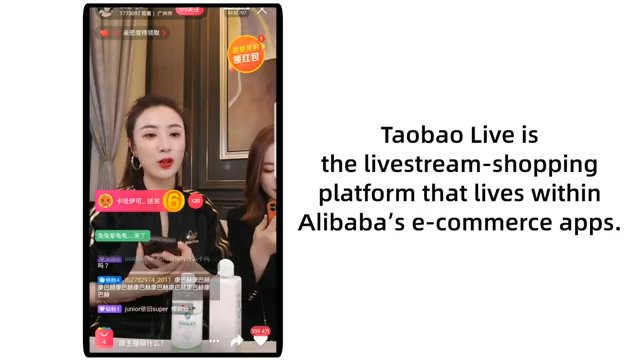
The rise of livestream commerce in China is more than an evolution in retail. It is a cultural shift where shopping merges with entertainment and real‑time conversation. When Taobao live shopping began in 2016, it turned product listings into interactive broadcasts.
China’s livestream commerce market exceeded USD 8.5 million in 2025, and Alibaba announced renewed investment in Taobao Live infrastructure amid intensifying competition from Douyin and Kuaishou.
The format introduced a new retail environment in which entertainment, product discovery, and purchasing occur within a single broadcast experience. This transformation gave rise to a new profession: the livestream host, who became an influential figure in the digital economy.
The Economics of Livestream Commerce
Behind every livestream broadcast lies a structured commercial system involving brands, hosts, and platform operators. Livestream commerce generates revenue through a combination of product commissions, promotional placement fees, and platform-supported incentives.
One common cost is the slot fee, known in China as kengweifei. Brands pay this fee to secure product placement during a host’s livestream broadcast. Depending on the host’s popularity and audience size, slot fees can range from tens of thousands to hundreds of thousands of yuan for a single product appearance.
Hosts also earn commissions on product sales generated during the livestream session. Commission rates typically range between 10 percent and 30 percent, depending on the product category and the commercial agreement between the brand and the host. High-profile presenters can therefore generate significant income when large volumes of products are sold during major shopping festivals.
Platforms further stimulate livestream commerce through promotional subsidies and incentive programs. Campaigns such as 618 and Double Eleven often include cashback offers, commission rebates, and consumer discounts to encourage merchants to participate in livestream sales events. These incentives help sustain the rapid growth of livestream commerce across China’s digital retail ecosystem.
Major Livestream Commerce Platforms in China
| Platform | Parent Company | Commerce Model | Primary Traffic Source | Strategic Strength |
| Taobao Live | Alibaba | Marketplace-based livestream shopping integrated with Taobao product listings | E-commerce search, platform recommendations, and shopping festivals | Strong merchant infrastructure and seamless checkout |
| Douyin Livestream Commerce | ByteDance | Content-driven commerce integrated into short-video feeds | Algorithmic content discovery through video recommendations | Massive user traffic and viral product discovery |
| Kuaishou Livestream Commerce | Kuaishou Technology | Community-driven livestream commerce focused on loyal follower bases | Creator communities and repeat viewers | Strong user loyalty and engagement in creator communities |
What Is Taobao Live
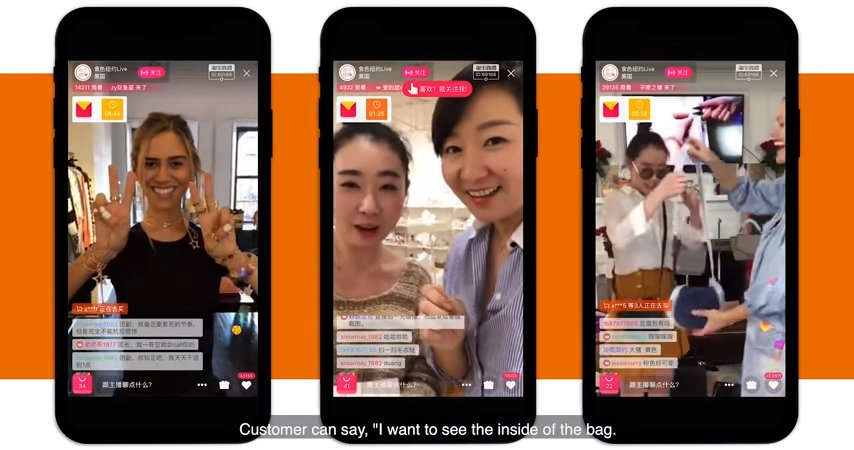
Taobao Live is Alibaba’s livestream shopping system built inside the Taobao marketplace. The feature launched in 2016 as Alibaba explored ways to increase engagement in mobile commerce. At the time, Alibaba faced growing competition from content platforms experimenting with commerce. Livestream shopping enabled Taobao to combine entertainment with retail within a single interface, increasing user engagement and time spent in the app.
Instead of browsing static product pages, shoppers watch live broadcasts where hosts present products, answer questions, and guide viewers through purchasing decisions in real time.
The format expanded quickly because it addressed a common limitation in e-commerce. Traditional listings rely on images and written descriptions. Livestream sessions allow sellers to demonstrate products directly. Hosts showcase texture, size, functionality, and real-world use through detailed live product demos. This helps consumers evaluate products more confidently before placing an order.
Origins and Early Growth
Alibaba introduced Taobao Live amid intense competition among China’s e-commerce platforms. Companies sought new formats to capture user attention in mobile apps. Livestream broadcasting provided a natural solution.
Early broadcasts focused on fashion and cosmetics categories. These products benefit from visual demonstration and personal explanation. As audiences grew, more merchants adopted livestream commerce as a regular sales channel.
The competitive landscape shifted again in 2023–2025, as short-video platforms such as Douyin expanded their livestream commerce systems. Alibaba responded by upgrading Taobao Live’s infrastructure and increasing incentives for merchants and hosts to maintain its traffic leadership within its ecosystem.
Role of Hosts in the Commerce Model
The growth of Taobao Live also created a large host economy. Professional presenters built dedicated audiences who regularly return to watch product demonstrations and promotional events.
Some hosts became major commercial influencers. Beauty presenter Li Jiaqi regularly attracts tens of millions of viewers during major sales events. During Singles Day livestream sessions, his broadcasts have generated hundreds of millions of yuan in sales within hours.
Another influential figure is Dong Yuhui, whose knowledge-driven livestreaming style helped the education company East Buy rebuild its business after a regulatory disruption.
Many hosts specialize in specific product categories such as beauty, electronics, or home goods. Their expertise increases viewer confidence during broadcasts. Many hosts now operate with professional teams that manage product sourcing, broadcast scripting, and audience engagement strategies. This interaction generates strong social proof in the comments, helping viewers evaluate product quality and credibility.
Integration with the Alibaba Retail System
Another important feature of Taobao Live lies in its integration with Alibaba’s broader commerce ecosystem.
Livestream broadcasts connect directly with:
- Taobao product listings
- payment systems within the platform
- Inventory management tools used by merchants
- logistics networks operated through Alibaba partners
This integration allows merchants to process large volumes of orders during livestream sessions. In early 2025, Alibaba announced that it would invest 110 billion yuan (USD 15.3 billion) to upgrade its Taobao live commerce ecosystem and double transaction volume and user scale within two years. The plan includes allocating 30 billion yuan (USD 4.2 billion) for consumer red‑envelope promotions and 20 billion yuan (USD 2.8 billion) for subsidies to nurture explosive product pools and support partner growth.
In practice, Taobao Live now functions as an operational layer of retail rather than a simple marketing channel.
How Taobao Live Functions as an E-commerce Broadcast Platform

Taobao Live operates as a livestream commerce layer inside the Taobao marketplace, where live video broadcasting connects directly to product listings and payment systems. This structure links entertainment with immediate retail transactions inside the Taobao app.
The broadcast environment allows hosts to demonstrate products in real time, while viewers interact via comments and purchase links that appear alongside the video stream. This format removes the traditional separation between product discovery and checkout that exists in standard e-commerce browsing.
Broadcast Interface and Viewer Interaction
A typical Taobao Live session combines several elements on one screen.
The main video feed shows the host presenting products and responding to audience questions. Product cards appear beside the video feed so viewers can open the item page during the broadcast.
This interaction changes the pace of product evaluation. Academic research on livestream commerce shows that real-time interaction increases product credibility because consumers observe usage and ask questions directly during the broadcast.
Integrated Purchasing During Livestream Sessions
The purchasing mechanism is a central feature of Taobao Live. Product links appear beside the video feed while the host explains an item. Viewers can open the product page and complete the order without leaving the livestream interface.
This integration reduces the steps required to complete a transaction. Retail analysts note that the ability to watch and shop simultaneously is one of the main reasons livestream commerce achieves higher conversion rates than traditional ecommerce browsing.
Traffic Distribution Inside the Taobao Ecosystem
Taobao Live broadcasts receive traffic through several distribution channels within Alibaba’s marketplace ecosystem. Instead of relying solely on follower audiences, the platform promotes livestream sessions through recommendation feeds, search results, and festival campaign pages.
One major traffic source is the Taobao homepage recommendation system, which highlights popular livestream rooms during peak shopping periods. Broadcasts that generate strong engagement can be promoted to larger audiences through algorithmic recommendations.
Search also plays an important role. When users search for products on Taobao, livestream rooms selling related items may appear alongside product listings.
Commerce Activity During Major Broadcasts
Large shopping festivals demonstrate the scale that Taobao Live broadcasts can achieve. During events such as Double Eleven, livestream sessions often serve as the primary sales channel for participating brands rather than supplementary marketing tools.
Popular livestream rooms can attract millions of viewers and convert large volumes of orders in a short period. As a result, many brands now schedule product launches, promotional pricing, and inventory allocation specifically around major livestream campaigns.
How a Taobao Live Broadcast Is Structured

Taobao Live broadcasts follow a structured retail format rather than a casual streaming session. Leading livestream rooms frequently run 6–12 hours. Top hosts introduce dozens of products in a single broadcast, presenting them in short sales segments designed to maximize viewer conversion.
1. Opening Stage: Traffic Accumulation
Broadcasts usually begin with a short preview period. During this stage, the host introduces the product lineup and highlights upcoming deals.
This opening phase helps accumulate traffic because Taobao’s recommendation system distributes livestreams gradually across its feeds. During major events, popular livestream rooms can attract millions of viewers within the first hour.
2. Product Segments: Rapid Sales Cycles
Products are presented in tightly structured segments.
Each item typically receives 3–5 minutes of presentation time, during which the host explains key features, compares alternatives, and reveals livestream-exclusive pricing. Limited-time discounts, bundles, or festival subsidies are usually introduced at this moment.
Research analyzing Taobao livestream interactions shows that many purchases occur within minutes after the price reveal, particularly when the offer includes bundled products or platform subsidies.
3. Real-Time Broadcast Management
Professional production teams operate large livestream rooms. Behind the camera, staff monitors real-time metrics such as:
• viewer numbers
• product click-through rates
• purchase conversions
If engagement begins to decline, producers may immediately adjust the broadcast flow by introducing the next product or launching promotional incentives.
Industry reports describe livestream commerce as entering an “efficiency-driven stage”, where real-time analytics play a central role in managing broadcast performance.
4. Inventory Coordination and Logistics
Successful livestream sessions require extensive preparation before the broadcast begins. Merchants allocate inventory in advance and coordinate fulfillment capacity to handle sudden spikes in demand.
During major shopping festivals, leading livestream rooms can generate tens of thousands of orders within minutes, requiring rapid coordination between merchants, warehouses, and logistics networks.
Bundles, Limited Drops, and Festival Playbooks
Shopping festivals drive a large share of Taobao Live’s sales activity. Major events such as 618, Double Eleven, Lunar New Year, and Women’s Day concentrate traffic and promotional campaigns across the platform.
Brands use several mechanisms during these events.
- Bundled products: Hosts often sell curated sets rather than individual items. For example, skincare routines are offered as discounted bundles that combine cleansers, serums, and moisturizers. This increases average order value and reduces purchase friction.
- Limited-edition releases: Brands frequently launch festival-exclusive variants during livestream campaigns. These may include special packaging, co-branded products with influencers, or limited-edition colorways designed to create scarcity.
- Platform subsidies: Ahead of the 2025 618 festival, Taobao Live introduced a 20 billion yuan (USD 2.8 billion) incentive program, including:
- 6 billion yuan (about USD 830 million) in consumer red-envelope subsidies
- 5 billion yuan (about USD 695 million) in subsidies for high-potential products
- 6 billion yuan (about USD 830 million) in commission rebates
- 3 billion yuan (about USD 417 million) in cashback incentives
These subsidies encourage brands to release exclusive products and discounts during livestream sessions.
Interactive promotion mechanics
Livestream festival broadcasts also include countdown deals, lottery draws, and cross-room collaborations between hosts. These mechanics extend viewing time and maintain audience engagement during long broadcast sessions.
Together, these strategies turn livestream festivals into coordinated retail events that combine promotion, entertainment, and limited-time offers.
Merchant Tooling and AI-Powered Operations
Taobao Live provides merchants with a set of operational tools that manage product selection, traffic allocation, and livestream performance.
The 2025 Taobao Live Merchant Operation White Paper introduced the E-MAX framework, reflecting the industry’s shift from traffic growth to operational efficiency. The report describes the livestream commerce sector as entering an efficiency-driven stage focused on operational performance.
The E-MAX framework includes three stages.
- Explosive incubation: Merchants identify high-sales-potential products and promote them to targeted livestream audiences.
- Multichannel synergy: Products appear across multiple channels, including search results, recommendation feeds, livestream broadcasts, short videos, and product listings.
- Accumulated-value expansion: Brands convert livestream buyers into repeat customers through loyalty programs and sustained engagement.
Artificial intelligence increasingly supports these processes. Merchants use:
- data-driven product selection tools
- AI script-generation systems for livestream presentations
- Performance dashboards that track click-through rates and conversions during broadcasts
Taobao Live is also developing AI assistants that help hosts manage livestream transitions and product sequences.
The platform has introduced several structural reforms to reduce barriers to entry. Taobao Live created a product pool of over 100 million items, enabling hosts to select products quickly.
The platform also restructured the slot fee (坑位费) model. Instead of paying fixed placement fees, merchants now pay only when sales exceed agreed targets by 20 percent. If the threshold is not reached, fees are refunded.
These systems reduce merchants’ risk and allocate traffic based on sales performance.
Fair Traffic Allocation and Trust Building
Traffic distribution is a central mechanism in Taobao Live’s ecosystem. Earlier stages of livestream commerce relied heavily on aggressive promotions and celebrity hosts to generate rapid traffic growth.
Between 2024 and 2025, the industry shifted toward a more regulated and performance-based model. Platforms began prioritizing product quality, reliable fulfillment, and customer satisfaction.
Taobao Live adjusted its traffic allocation system accordingly. Livestream rooms now receive stronger exposure when they demonstrate:
- consistent customer ratings
- reliable after-sales service
- low product return rates
- transparent pricing
The platform has also expanded its fan management tools, allowing merchants to maintain long-term relationships with audiences rather than relying solely on promotional traffic.
Cross-channel integration further supports traffic distribution. Products promoted through search results, recommendation feeds, or short videos can redirect users to livestream sessions where hosts demonstrate and offer promotional pricing.
Livestream commerce also affects logistics planning. Merchants often allocate inventory before major campaigns and distribute stock across regional warehouses to shorten delivery times.
Some brands integrate enterprise resource planning (ERP) systems with Taobao’s order infrastructure so that purchases generated during livestream broadcasts automatically trigger warehouse picking, packing, and dispatching.
These operational systems ensure that large volumes of livestream transactions are processed efficiently.
Learn from China’s Digital Innovation with Ashley Dudarenok
China’s livestream commerce ecosystem shows how quickly retail models can evolve when technology, content, and consumer behavior converge. For companies outside China, understanding these shifts requires insight into how Chinese platforms, creators, and digital ecosystems actually operate.
Ashley Dudarenok is a globally recognized expert on China’s digital transformation, consumer trends, and platform innovation. Through her research, writing, and keynote presentations, she helps international organizations understand how China’s fast-moving technology landscape is reshaping marketing, commerce, and consumer engagement.
Ashley regularly shares insights on topics such as social commerce, influencer marketing, platform ecosystems, and emerging digital trends in China. Her work helps business leaders interpret developments across platforms like Taobao Live, Douyin, and Xiaohongshu and understand their broader implications for global markets.
If your organization wants to understand better China’s digital economy and the future of social commerce, explore Ashley Dudarenok’s research or invite her to speak at your next event.
FAQs about Taobao Live
1. Why do brands use Taobao Live instead of traditional online advertising?
Brands use Taobao Live because it combines product presentation, consumer interaction, and purchasing in one environment. Instead of directing users to separate product pages, livestream broadcasts allow brands to demonstrate products and convert viewers into buyers immediately.
2. How do Taobao Live hosts choose which products to promote?
Hosts usually select products through agreements with merchants or agencies that manage brand partnerships. Product selection often considers demand trends, pricing competitiveness, inventory availability, and the host’s audience interests to maximize sales performance during livestream sessions.
3. What types of products sell best on Taobao Live?
Categories that benefit from visual explanation tend to perform best. Cosmetics, fashion, electronics, home appliances, and food products often dominate livestream sales because hosts can clearly demonstrate their features during broadcasts.
4. How do merchants prepare for a Taobao Live campaign?
Merchants typically prepare inventory, logistics capacity, and promotional pricing before a livestream begins. Many brands also coordinate marketing campaigns, influencer partnerships, and festival promotions to ensure sufficient demand during the broadcast.
5. Do smaller brands benefit from Taobao Live?
Yes. Smaller brands can reach large audiences by collaborating with established livestream hosts or operating their own livestream rooms. Platform tools and algorithmic recommendations help emerging merchants gain visibility when their broadcasts generate strong engagement and sales performance.
6. How long does a typical Taobao Live broadcast last?
Livestream durations vary widely depending on the host and campaign. Some broadcasts last one or two hours, while major promotional sessions during shopping festivals can run for six hours or longer as hosts introduce multiple products sequentially.
7. What role do influencers play in Taobao Live commerce?
Influencers act as intermediaries between brands and consumers. Their credibility, product knowledge, and audience relationships help viewers quickly evaluate products, making them influential drivers of purchasing decisions during livestream broadcasts.
8. How do Taobao Live broadcasts attract viewers?
Livestream traffic usually comes from multiple sources, including recommendation feeds, product search results, store followers, and promotional festival pages within the Taobao platform. High-performing livestreams may receive additional exposure through algorithmic recommendations.
9. Are livestream discounts different from normal online discounts?
Livestream promotions are often more aggressive because they are limited to the broadcast’s duration. Hosts frequently offer exclusive bundle pricing, coupons, or festival subsidies that are not available through standard product listings.
10. Why has livestream commerce become so popular in China?
Livestream commerce appeals to Chinese consumers because it combines entertainment with product evaluation. Viewers can watch demonstrations, ask questions, and purchase products immediately, making the shopping experience more interactive than traditional online retail browsing.