

Chinese consumers are becoming much stricter with ordinary spending, though demand has not disappeared. It has become more selective, more personal, and far easier to justify. People are cutting back on habits that feel routine, forgettable, or easy to postpone.
At the same time, they are still willing to spend on the things that help them decompress, feel better, invest in themselves, or bring a little joy back into everyday life.
That shift matters because it changes how brands should read caution in China. This is not a market where emotion has vanished. It is a market where emotion now has to earn its place inside a disciplined budget.
ChoZan’s latest consumer trends report captures this clearly: Chinese consumers are reallocating, protecting meaningful purchases, and stripping out what feels empty.
Rational + Emotional Spending: Balancing Utility & Joy
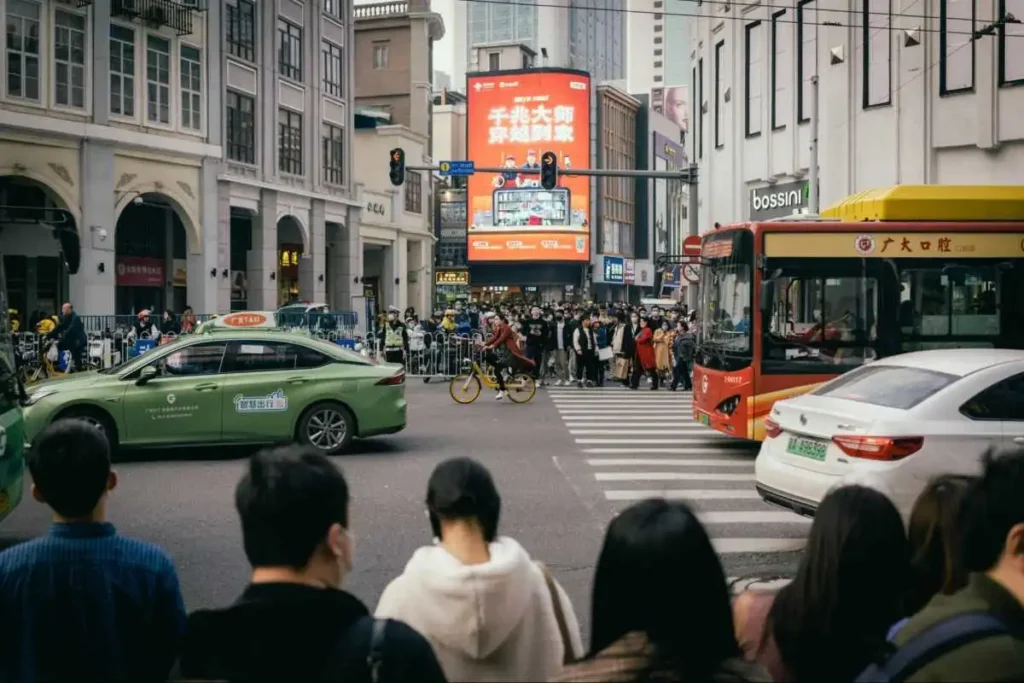
The fastest way to understand this shift is to look at what gets cut first. Routine categories now face much tougher scrutiny, because consumers are asking sharper questions about usefulness, frequency, and emotional payoff.
Everyday Spending Is Under Harder Scrutiny
Economic uncertainty, job pressure, and a long cautious mood have turned daily life into an exercise in cautious consumption. In practical terms, that shows up in fewer restaurant visits, fewer impulse purchases in fashion and beauty, and less willingness to spend loosely on habits that no longer feel important.
Consumers are leaning more on groceries, home cooking, discount formats, and membership retail because these choices stretch each yuan further. That creates a very different demand pattern from the one many brands grew used to during faster expansion years.
If a product feels replaceable, generic, or easy to postpone, it becomes vulnerable. If it does not solve a real need or improve life in some tangible or emotional way, it is easier to downgrade or drop entirely.
The New Budget Logic Is Emotional Prioritization

What sits underneath this behavior is a simple mental trade-off. Consumers save on things that do not feel important so they can still spend on things that keep them going. That line captures the logic of emotional spending in China better than any abstract theory.
The shift is not about becoming less emotional. It is about becoming more selective about where emotion is allowed to live inside the budget.
That is why the market now contains both everyday restraint and protected indulgence at the same time. The same person who cuts back on routine meals out may still pay for a concert, a weekend getaway, a premium drink, or a small collectible that brightens the week. This is why Chinese consumers today behave like rational emotionalists.
What does emotional spending look like in China today? It is closer to emotional buying with a clear internal logic than to careless impulse. An emotional purchase now survives because it offers relief, progress, comfort, identity, or connection that still feels worth paying for.
Experiences and Self-Investment Still Feel Worth Defending
Emotional spending in China remains strongest in categories that feel restorative, developmental, or deeply memorable.
Decompression Has Become A Legitimate Spending Need

Domestic travel, weekend getaways, niche destinations, concerts, and live events are being treated as essential forms of decompression.
These are not being framed as random extras. They are increasingly seen as valid ways to release pressure, create memories, and restore energy. That is a major shift, because it places emotional recovery inside the logic of necessary spending.
This helps explain why consumers can look deeply cautious in everyday routines and still spend generously on a particular experience. They are not abandoning discipline. They are deciding that a few meaningful moments matter more than constant casual spending.
In commercial terms, experiences now compete less with luxury aspiration and more with stress, fatigue, and the emotional cost of modern life.
Fitness, Beauty, Wellness, And Learning Feel Like Personal Progress
Another protected layer sits in self-investment. Fitness, beauty and wellness services, and online courses are framed as ways to upgrade oneself. That language is important.
Spending in these categories feels easier to defend because it can be coded as growth, maintenance, or self-improvement rather than indulgence alone.
This is where many global brands misread the market. They assume caution kills appetite for discretionary categories. In reality, categories tied to self-development can remain resilient because they offer both practical and emotional returns.
Consumers can tell themselves they are becoming healthier, more polished, more capable, or more prepared. That dual payoff is powerful in a disciplined spending environment.
Small Emotional Treats Still Matter In A Tight Economy
Emotional spending in China is not only about bigger escapes. It also lives in a dense layer of low ticket purchases that create quick emotional uplift.
Micro Joys Offer Fast Mood Repair
Blind box toys, character merchandise, IP collectibles, cute stationery, premium bubble tea, specialty desserts, small accessories, and cozy home décor all sit inside this protected layer.
These purchases are modest in price, yet rich in emotional return. They can offset a hard week, turn an ordinary day around, or provide something visually pleasing and socially shareable.
That is why small rewards keep growing even in a cautious economy. For many younger consumers, this is joy spending in its most disciplined form. These purchases do not require a major budget commitment, though they still deliver mood repair, aesthetic pleasure, and a sense of selective reward.
Small Purchases Carry Social And Aesthetic Value
These low ticket categories matter for another reason. Their value is rarely purely private. They are often visual, collectible, postable, or tied to communities and fandoms.
A premium tea, a cute desk upgrade, or a character collectible can carry taste, identity, and belonging in ways that go beyond utility. That makes them unusually resilient for their size.
Brands Need A Clear Role In A Tighter Budget
The commercial takeaway is simple. In China today, a brand cannot rely on habit alone. It needs to give consumers a clear reason to keep it in the basket, the routine, or the plan for the month.
Routine Categories Must Win On Obvious Value
In a tighter spending environment, routine categories need to work harder on clarity. Consumers should immediately understand why this product is the smart option for daily life.
That usually means one of three things. It saves money in a visible way. It saves time or effort in a meaningful way. Or it performs reliably enough to remove friction from the day. If a routine purchase cannot do one of those jobs clearly, it becomes vulnerable to trading down, substitution, or postponement.
For brands in food, household goods, personal care, and mass retail, this matters a lot. The message cannot be vague uplift. It has to land as practical value that people can quickly feel.
Emotional Categories Must Feel Worth Protecting

The more emotional side of the budget works differently. These are the protected categories that consumers keep funding because they still offer relief, progress, reward, or meaning.
That creates a real opportunity for brands in travel, beauty, wellness, learning, entertainment, and lifestyle. The winning proposition is not simply premium. It is emotionally defensible. This is also where emotional justification becomes critical.
A fitness membership should feel like a commitment to health and energy. A beauty service should feel like confidence and care, not just appearance. An online course should feel like forward movement. A concert or short trip should feel like something that resets the mind and makes a difficult period more bearable.
When brands make that payoff clear, spending feels easier to justify. When they do not, even a good product can slide down the priority list.
Small Treats Need To Deliver Fast Emotional Payoff
Categories like premium drinks, desserts, collectibles, accessories, and cozy home items can stay resilient even when people are more careful overall.
For these brands, the job is not to sound grand. It is to make the emotional return feel immediate. The item should feel giftable, postable, collectible, comforting, or easy to share with friends. Small products win when they create a quick emotional result without demanding a big financial commitment.
Sell Into Moments People Already Want To Protect
The strongest brands in this environment do not just sell products. They attach themselves to moments consumers already want to preserve.
That could be a weekend reset, a self-care evening, a study upgrade, a fandom release, a catch-up with friends, or a small reward after a hard week.
Once the brand becomes part of a moment like that, it feels less optional. It starts to belong to a ritual, a social habit, or a personal reward system. That is much stronger than broad lifestyle messaging.
This is also where community matters. Consumers are more likely to protect spending that feels socially visible, emotionally understood, or connected to people who share the same tastes and habits.
Which Parts of Consumer Spending in China Are Still Worth Chasing?
Not every category will survive China’s new spending logic. Consumers are cutting what feels easy to drop and protecting what still delivers relief, progress, identity, or joy. For brands, the real challenge is knowing where demand still holds and what makes a purchase feel worth defending.
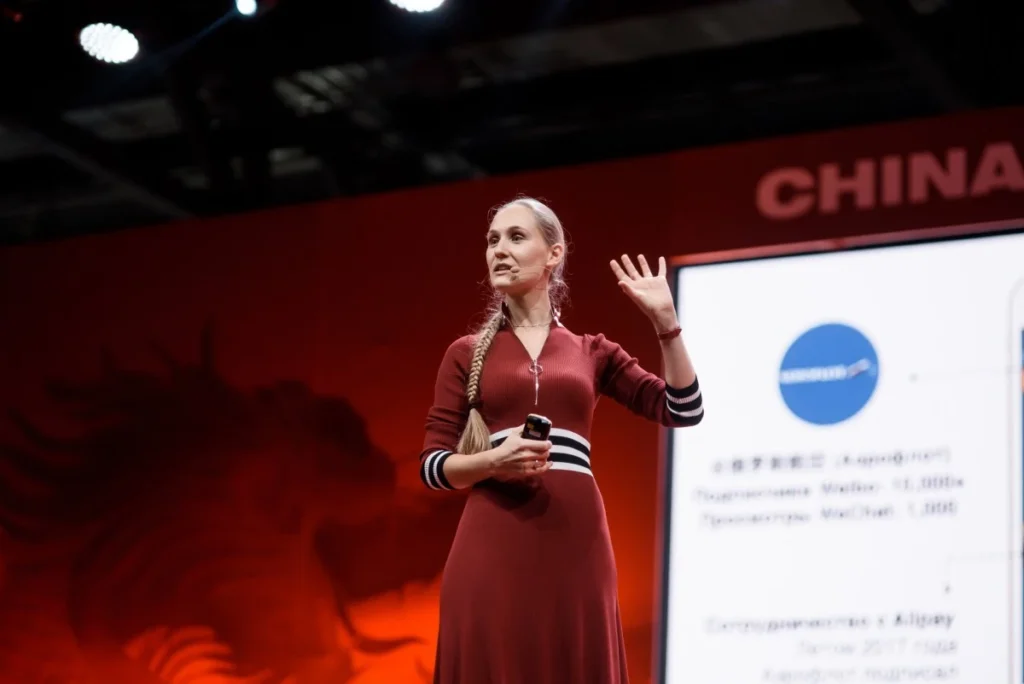
Ashley Dudarenok helps brands identify the spending categories, purchase moments, and emotional payoffs that still matter in China. Through keynotes, executive briefings, and strategy workshops, she turns changing consumer priorities into practical decisions on positioning, messaging, and growth.
Book Ashley to understand what Chinese consumers will still protect and how your brand can earn a place in that budget.
FAQs on Emotional Spending and Consumer Restraint in China
Below are practical answers to the questions readers often have about why Chinese consumers cut routine spending but still protect meaning, joy, and self-investment.
What Is Emotional Spending In China Today?
Emotional spending in China means protecting purchases that feel emotionally worthwhile. Consumers still spend when something offers comfort, self-improvement, relief, or a sense of meaning.
How Is Emotional Spending In China Different From Emotional Impulse Spending?
Emotional spending in China is usually deliberate and justified. Emotional impulse spending feels more reactive and unplanned, while protected spending is tied to meaning, recovery, or personal progress.
What Are The Biggest Emotional Buying Triggers For Chinese Consumers Right Now?
Today’s biggest emotional buying triggers are relief, self-reward, identity, and connection. Consumers respond when a purchase feels comforting, socially meaningful, or genuinely helpful in daily life.
How Does Emotional Buying Affect Consumer Decision-Making in China?
Emotional buying shapes decisions by changing what survives budget pressure. In China, people still compare prices, though they protect products and experiences that deliver emotional value.
Why Do Travel, Concerts, And Wellness Still Attract Emotional Spending In China?
Travel, concerts, and wellness still attract emotional spending because they offer decompression and renewal. Many consumers see them as necessary ways to recover energy and protect well-being.
What Makes An Emotional Purchase Feel Easier To Justify In China Today?
An emotional purchase feels easier to justify when the payoff is clear. Relief, self-care, identity, memory, or progress can all make spending feel reasonable.
How Should Brands Respond To Selective Spending And Tighter Consumer Budgets In China?
Brands should respond to selective spending by clarifying their role in consumers’ lives. Make the value obvious, the emotional payoff credible, and the purchase easier to defend.
Why Are Chinese Consumers Being Described As Rational Emotionalists?
Chinese consumers are described as rational emotionalists because they mix discipline with feeling. They cut low meaning spending, yet still protect purchases that support joy, relief, or growth.
What Does Cautious Consumption Mean For Emotional Shopping In China?
Cautious consumption means emotional shopping has become more intentional. Consumers still want pleasure, though they prefer purchases that feel meaningful, manageable, and easier to explain to themselves.
How Do Chinese Consumers Balance Utility, Joy, And Meaningful Purchases In 2026?
In 2026, Chinese consumers balance utility and joy through stricter trade-offs. They cut forgettable spending and protect meaningful purchases that still improve daily life emotionally.