
Chinese video AI has become one of China’s clearest tests for artificial intelligence commercialization. The category is being judged by paid usage, creator demand, and platform placement.
China has a rare advantage here. Video tools can enter short video feeds, ecommerce stores, ad accounts, and creator studios at the same time. This embedded distribution gives Chinese video AI a faster route from model release to business use.
Chinese Video AI Is Turning Model Quality Into Paid Usage
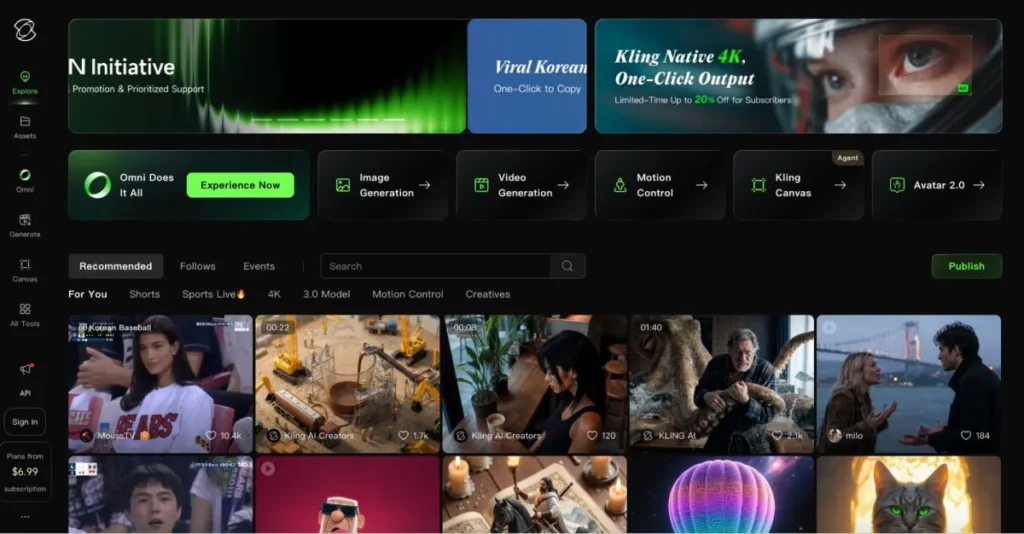
Chinese video AI now has commercial numbers that most generative video categories still lack. Kling AI crossed USD20 million in monthly revenue in December 2025. That translated into USD240 million in Annualized Revenue Run Rate (ARR).
Annualized Revenue Run Rate means the yearly revenue implied by one month of recurring revenue. Kuaishou said Kling had reached USD100 million ARR in March 2025, ten months after launch.
The pace did not slow at the start of 2026. Caixin put Kling’s ARR above USD300 million by January 2026, with 2025 revenue of 1.04 billion yuan (USD153 million). Kling’s business had also entered funding talks. A possible spinoff carried a target valuation of up to USD20 billion.
These figures put commercial viability at the center of the story. The useful test is whether users keep paying after the launch excitement fades. Kling’s curve suggests that professional creators, merchants, and commercial teams are paying for repeat output.
China’s wider AI base gives this category more room to mature. The State Council said China’s core AI industry exceeded 1.2 trillion yuan (USD176.4 billion) in 2025, with more than 6,200 AI companies. A separate State Council summary put China’s internet user base at 1.125 billion and generative AI adoption at 42.8 percent by the end of 2025.
China AI adoption now sits inside a mass consumer market.
Platform Distribution Gives China AI Video A Faster Route To Workflows
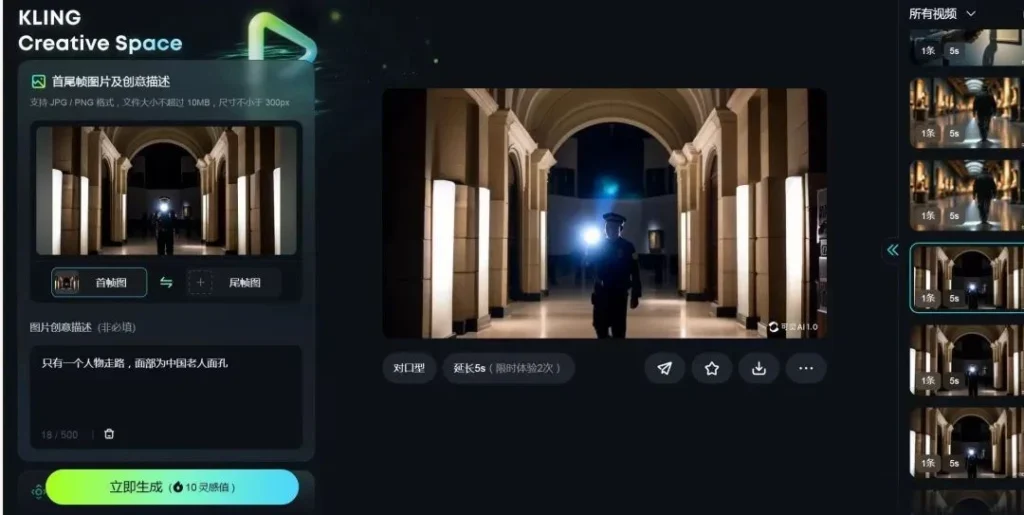
Chinese platforms reduce the gap between a model and a working use case. A user can generate a clip, test it in a feed, attach it to a product page, or turn it into an ad variation without leaving the platform.
Kuaishou has that advantage. The Kuaishou App averaged 410.2 million daily active users in 2025. Its full-year revenue reached 142.8 billion yuan (USD21.0 billion), while its e-commerce gross merchandise value reached 1.598 trillion yuan (USD234.9 billion). Gross merchandise value means the total value of goods sold through the platform before deductions.
That platform base gives Kling a commercial surface and the start of a data flywheel. A model inside Kuaishou can learn from creator requests, merchant use, ad testing, and audience response. Those optimization loops turn daily platform behavior into product feedback.
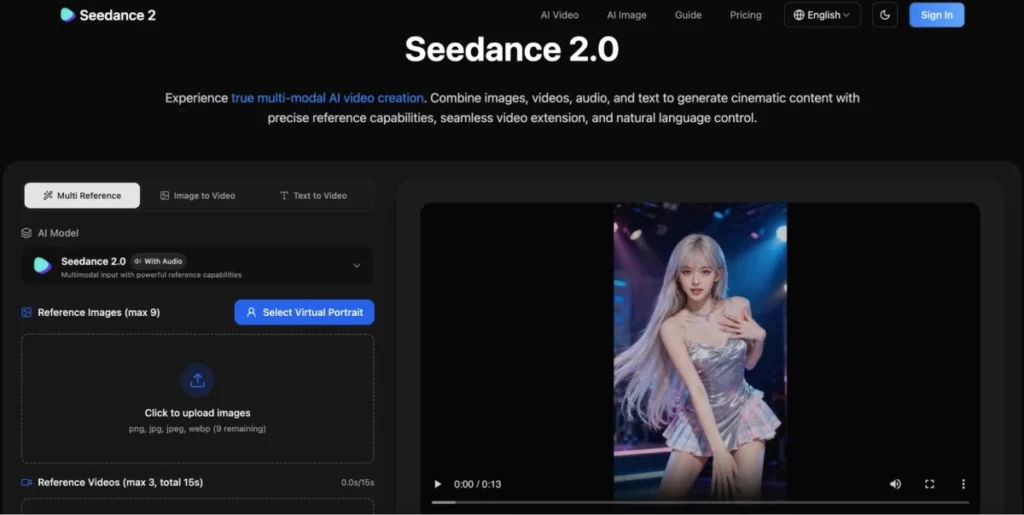
ByteDance is building on a similar platform logic. Seedance 2.0 supports text, image, audio, and video inputs. The model can use reference material for visual composition, camera language, motion rhythm, and sound characteristics.
The strategic relevance of ByteDance’s platform model starts here. Distribution shapes product behavior. Platform dominance gives a company control over creation tools, audience traffic, and commercial inventory.
Video Generation Economics Force Clearer Business Models
Video generation economics are harder than text economics. A useful clip can require several attempts, extra rendering time, moderation, storage, and editing. Failed generations still cost money, so unit economics become visible early.
That cost pressure pushes Chinese AI video companies toward:
- Paid credits
- Subscriptions
- Enterprise plans
- Platform ad products
- Application programming interface (API) access
API access lets external software call a model or service directly.
The commercial logic is strict. A video model needs customers with frequent production needs. Merchants, agencies, studios, game teams, and creators have that pattern. They do not pay for novelty. They pay when the tool reduces production time or expands testing volume.
For executives studying China AI strategy, this is the real lesson. Model commercialization depends on repeated paid tasks. Product teams must know which user action carries enough value to absorb the generation cost.
E-commerce and Advertising Give AI Video Immediate Commercial Jobs
E-commerce and advertising give Chinese video AI clear jobs. Product pages need more clips. Ad teams need more variants. E-commerce use cases start when sellers test scenes, hosts, and hooks without booking a full shoot.
Kuaishou linked Kling AI to marketing, e-commerce, film and television, short plays, animation, and gaming. These fields already spend money on visual production. An AI video becomes useful when it removes a specific production delay.
In retail technology in China, product discovery often happens through content. A beauty merchant can test five opening shots for one item. A home appliance seller can show a product in several room types before booking a studio shoot.
Advertising use cases follow a similar pattern. Creative teams can produce more test clips before buying media. The best performing version can then justify better human production. AI video works as a testing layer before bigger spend.
Short drama creates another commercial entry point. The format depends on frequent releases, fast hooks, and low production friction. AI-generated scenes, promos, and character tests can reduce early production risk before crews enter a set.
Open Source Video Generation Models Change The Cost Base

Open source video generation models change who can experiment. They give developers, studios, and brands more control over the technical layer. Closed platforms still matter, but open code reduces dependence on one vendor.
Alibaba’s Wan2.1 shows this route. Alibaba said Wan2.1 was open-sourced. It also ranked as the only open source video generation model among the top five on Hugging Face’s VBench leaderboard at release.
For teams with technical capacity, open source infrastructure can lower testing costs. They can compare prompts, frame controls, fine-tuning, safety filters, and deployment choices before signing a large vendor contract.
The business effect differs from Kling or Seedance. Open source can spread a technical standard before revenue becomes clear. It can also pressure closed platforms on pricing, speed, and control.
Global AI Teams Should Study China’s Deployment Discipline

Global AI teams can learn from China’s deployment habits. Strong products enter existing work, charge for frequent tasks, and collect feedback from actual production. That creates a data flywheel grounded in usage rather than survey intent.
Seedance adds a caution to the commercialization story. Copyrighted characters, likeness rights, and training data questions can slow a global rollout when controls are unclear. AI video companies need rights checks, watermarking, likeness safeguards, and client usage terms built into the launch plan before demand scales.
Chinese video AI points toward a tougher standard for the future of AI. Model quality remains one requirement. Distribution, pricing, rights control, and workflow fit decide whether demand lasts.
Apply Chinese Video AI Lessons To Your AI Roadmap

Chinese video AI gives executives a sharper way to evaluate AI strategy. The question is not whether a model creates impressive clips. The question is where the model earns repeat use.
Ashley Dudarenok works with leadership teams that need China context for AI, retail, ecommerce, and consumer behavior. Her keynotes translate platform evidence into decisions senior teams can discuss and act on.
Her work connects Chinese AI deployment with brand, content, and customer engagement choices.
Invite Ashley Dudarenok to speak on AI commercialization in China. Her sessions give teams a clear view of what platform-led AI means for global business planning.
Chinese Video AI FAQ For Global AI Teams
Below are concise answers for teams evaluating Chinese video AI platforms, open source models, and deployment choices.
1. What Is Chinese Video AI?
Chinese video AI describes China-built tools that create, edit, animate, or extend video through prompts, images, audio, and reference footage.
2. Why Is China AI Video Gaining Attention?
China AI video is gaining attention because large platforms can connect generation tools with creators, merchants, advertisers, and paid content formats.
3. Which Chinese AI Video Tools Are Most Discussed?
Commonly discussed Chinese AI video tools include Kling AI, Seedance, Wan, HunyuanVideo, and Vidu. Each serves different production needs for creators.
4. How Do Generative Video Models Work?
Generative video models predict frames, motion, and scene continuity from user inputs. Stronger controls reduce flicker, drift, and unwanted camera changes.
5. Are Open Source Video Generation Models Useful?
Open source video generation models suit technical teams that want private tests, lower vendor dependence, custom controls, or internal production tools.
6. Why Are Video Generation Models Costly?
Video generation models cost more than text systems because each result requires many frames, rendering cycles, storage, and content safety checks.
7. How Do Chinese Platforms Monetize AI Video?
Chinese platforms monetize AI video through paid credits, subscriptions, enterprise access, API calls, ad tools, and merchant creative services at scale.
8. What Should Brands Check Before Using AI Video Ads?
Brands should check rights, likeness approval, disclosure rules, platform policy, review workflows, and test budgets before placing AI video ads.
9. Why Do Short Drama Teams Use AI Video?
Short drama teams use AI video for scene tests, character previews, promo clips, and cheaper concept validation before full production.
10. What Global AI Lessons Come From China?
The strongest global AI lessons are commercial. Models need distribution, pricing discipline, rights controls, and repeat usage inside real workflows.