
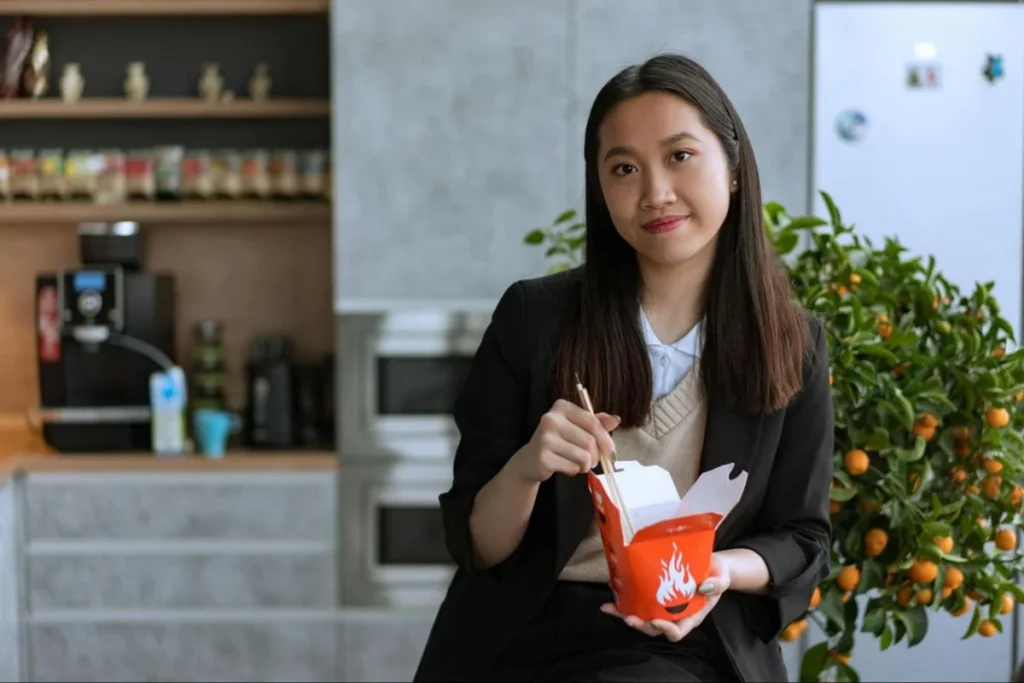
For a long time, many companies treated people who live alone as a narrow consumer segment. They appeared in trend decks, premium urban studies, and lifestyle reporting, though they rarely changed the core logic of product development.
China now gives brands a better lens. Solo households have reached a scale that pushes demand in a different direction and forces companies to rethink how daily consumption actually works.
Data from China’s last National Population Census indicates that 125.49 million households were single-person households, representing 25.39% of all family households. Nearly two-thirds of them are between the ages of 20 and 59.
This age profile shows that it is not a marginal category built around retirement alone. It sits inside the prime years of spending, urban mobility, digital adoption, and household formation. For global brands, that changes the relevance of the trend immediately.
China Turned Solo Living Into a Distinct Demand Pattern

A single-person household does not consume like a smaller version of a family household. The difference goes deeper than quantity. It changes timing, motivation, tolerance for waste, and the meaning of convenience.
One person makes every purchase decision alone. One person carries the full cost of storage mistakes, poor portion sizes, awkward subscriptions, and unused products.
One person also experiences the entire service journey directly, from delivery timing to customer support tone. That creates a demand profile that is often more precise, more frequent, and less forgiving.
China shows what happens when that pattern becomes large enough to matter across categories. Brands can no longer rely on old assumptions about:
- Sharing
- Family schedules
- Household pooling
A solo consumer often shops for immediate use, values flexibility over volume, and notices friction much faster because nobody else helps absorb it.
That shift deserves its own strategic treatment. Once brands recognize solo living as a separate mode of demand, they can stop treating it as an offshoot of the family market and start reading it as a consumer system in its own right.
The First Commercial Shift Appears in Basket Economics

The clearest impact of solo living appears in the economics of the everyday shopping basket. Many brands still build their value story around larger quantities, bundle logic, and apparent savings at scale. That approach weakens when the buyer lives alone.
For solo consumers, a bigger pack can create waste instead of value. A family-sized offer can feel inefficient in a small apartment. A bundle designed for shared use can turn into clutter.
In that context, the consumer is not asking for fewer products in a superficial sense. The consumer is asking for a better fit between purchase size and real usage.
This matters for food, personal care, household supplies, and subscription products. A single-person household often buys in smaller volumes and may buy more often, though that does not mean lower lifetime value.
In many cases, it points to a different path to loyalty. The winning brand is the one that aligns pack size, freshness, pricing, and replenishment rhythm with the way one person actually lives.
China has moved faster here because the demand is visible at scale. Brands have had to respond to consumers who do not want to pay a hidden premium for living alone. That pressure creates better discipline in assortment, packaging, and price architecture. Global brands should pay attention to that pressure because it reveals where old volume assumptions no longer work.
Home Categories Face a Tougher Design Test
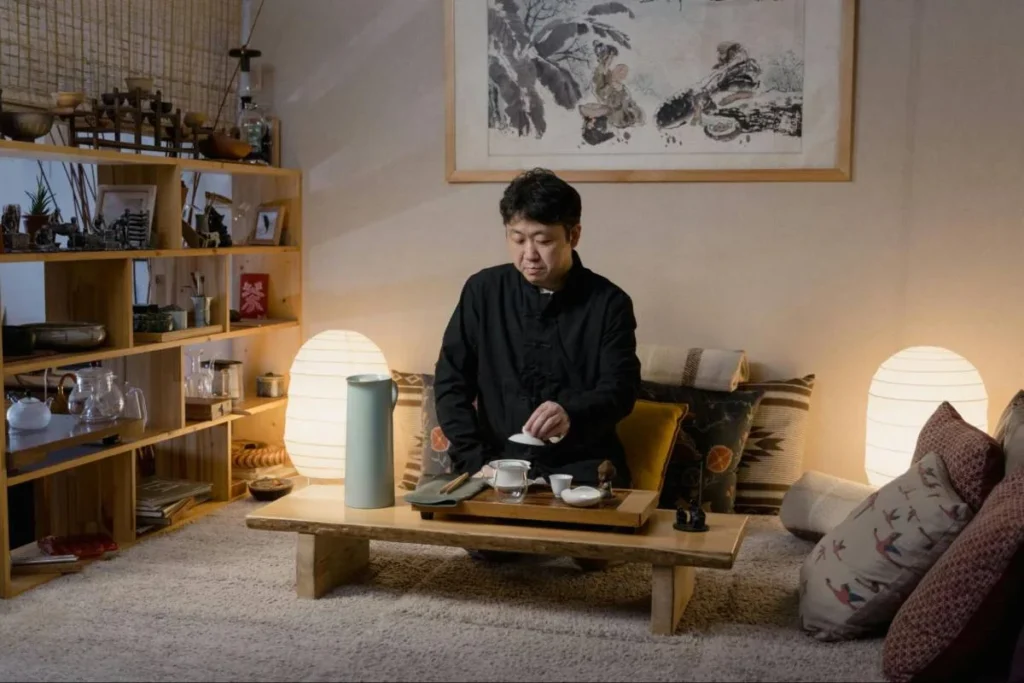
Once the basket changes, the home changes too. Solo living puts unusual pressure on physical space because one person must make every corner of the home work harder. That creates a design environment where utility, footprint, and ease of ownership carry greater commercial value.
In China, compact urban living has pushed this logic further. Smaller apartments, intense city schedules, and digital convenience have created a market where mini appliances, space-efficient furniture, and multipurpose home products make immediate sense.
The point is not that small products automatically win. The point is that products must solve for solo domestic life with real precision.
A washing machine, rice cooker, storage unit, or desk has to justify its place more clearly when one person is using it and one person is paying for it. The buyer evaluates the product through a different lens.
- How much space does it take?
- How often will it be used?
- Does it simplify life or create another object to manage?
That is why solo demand often rewards thoughtful compact design more than simple size reduction. A smaller version of a family product is not always the answer.
The stronger offer usually reflects a full understanding of space discipline, daily routines, and the desire for ease inside a highly self-managed home.
Service Brands Need to Remove Social Friction

Product fit matters, though service fit matters just as much. Many brands still build customer journeys around the assumption that people will arrive in pairs, families, or groups. That assumption creates friction for solo consumers long before a transaction ends.
China offers a useful view because solo participation has become far more normalized in visible areas of daily life. A useful signal came on February 1, 2026, when quiet carriage services were expanded across more than 8,000 high speed trains in China, showing how service design is starting to reflect demand for privacy, calm, and individual comfort.
Dining, delivery, entertainment, travel planning, and digital interaction all show signs of adaptation. That broader shift also shows up in consumption data: in 2025, nationwide per capita spending on transportation and telecommunication rose 8.3%, reflecting the growing weight of mobility, connectivity, and digitally managed daily life.
That adaptation matters because service discomfort can push consumers away even when the core offer looks attractive.
A table for one should not feel like an exception. A travel product for one person should not quietly punish the buyer on price. A booking flow should not carry unnecessary household assumptions. A loyalty program should not reward group behavior while leaving solo customers in a weaker position.
These details may seem small in isolation, though they shape how respected and understood the customer feels.
For global brands, it is important to review the customer journey from the point of view of a person who manages life independently and interacts without a shared household around them.
Many weak spots become visible immediately. The companies that fix those weak spots will build stronger relevance in a market where solo consumption keeps growing.
Emotional Value Now Enters Ordinary Categories
The next shift is more subtle and often more important. Solo living changes the role that products and services play in daily life because the emotional texture of consumption becomes more visible. Consumers who live alone often place greater weight on reassurance, comfort, privacy, and a sense of support in routine decisions.
That does not mean every solo consumer is lonely, and it does not give brands permission to reduce the segment to a psychological stereotype. The real lesson is more mature than that.
When one person carries the full burden of decision making, home management, safety, and emotional recovery after work, categories that once looked purely functional can gain a stronger emotional role.
When Function Starts Carrying Emotional Weight
China has already produced commercial signals in this area. Safety-oriented apps, digital companionship offers, and products built around comfort and low effort all reflect a broader shift in perceived value.
Consumers are willing to pay for things that help a home feel calmer, a routine feel easier, or an evening feel less draining.
For brands, this opens a different type of innovation question. The issue is no longer limited to performance on paper. It extends to how the offer fits the emotional reality of independent living.
In some categories, that may influence interface design. In others, it may shape tone of voice, feature priorities, after-sales support, or service availability at the right moment in the day.
The Strongest Global Brands Will Study Solo Life as a System

The largest takeaway from China is not a single product idea. It is a different method for reading modern demand. Many companies still begin with broad household assumptions and then look for niche segments at the margins.
Solo living suggests the reverse approach may now be more useful. Start with the structure of everyday life, then build from there. That shift becomes easier to understand in China when viewed against a deeper structural backdrop, including the movement of roughly 300 million people into cities, often at a distance from family support and traditional household arrangements.
A one-person household has its own economics, its own spatial rules, its own service expectations, and its own emotional pressures.
China shows what happens when a market begins to answer those realities seriously. New categories expand. Old formats look clumsy. Consumer loyalty starts to favor brands that understand independent life without turning it into a label.
That is why living alone in China deserves close attention from global consumer brands. It reveals how demand evolves when individual households become a central unit of consumption. Brands that study that shift carefully will gain more than a trend insight. They will gain a sharper view of what modern relevance looks like.
Work With Ashley to Understand the Solo Economy in China

Brands that want to understand living alone in China, solo households, and the rise of single-person consumption need more than surface-level trend watching. They need a clear view of how these shifts are changing product design, service design, and consumer expectations across categories.
Book Ashley Dudarenok for a keynote or advisory session tailored to your market and business goals. Her insights help leadership teams translate China’s changing household structure into practical decisions on growth, customer experience, and future consumer relevance.
FAQs About Living Alone in China
Below are useful answers to the most relevant questions about single-person consumption in China and how brands can respond more intelligently.
1. What does living alone in China mean for global consumer brands?
Living alone in China is already shaping demand. Global brands need products, services, and messaging that fit solo routines, smaller baskets, and more individual decision-making.
2. Why are solo households in China becoming more important for business strategy?
Because solo households in China now influence mainstream consumption. They affect packaging, pricing, service design, and category planning in ways many companies can no longer ignore.
3. What is the solo economy in China?
The solo economy in China is spending shaped by one-person households. It includes food, housing, appliances, pets, digital services, and comfort-focused consumer experiences.
4. How are one-person households in China reshaping product design?
They are forcing brands to design with greater precision. One-person households in China reward compact sizes, practical portions, easier storage, and products that simplify everyday use.
5. How is solo dining in China influencing food and hospitality brands?
It is making solo dining in China more visible and more normal. Food brands now need formats that support privacy, comfort, speed, and better portion control.
6. What can brands learn from micro apartments in China?
They show how limited space reshapes buying priorities. Micro apartments in China increase demand for compact appliances, multifunctional products, and home solutions built for daily efficiency.
7. Why is customer experience for solo consumers becoming more important?
Because customer experience for solo consumers now shapes loyalty more quickly. Small friction points feel larger when one person manages every purchase, follow-up, and service issue alone.
8. How are digital companionship and comfort-driven services growing in China?
They are growing because many consumers want lighter forms of support. Digital companionship and comfort-driven services fit routines shaped by independence, urban pressure, and long workdays.
9. What does Chinese consumer behavior reveal about solo living trends?
Chinese consumer behavior shows that solo living changes more than quantity. It shifts expectations around convenience, privacy, emotional ease, and the fit between products and routines.
10. How should brands adapt to single-person households in urban China?
Brands should respond with sharper relevance and stronger empathy. Single-person households need better pricing, smaller formats, smoother service, and products that reflect real solo routines.