
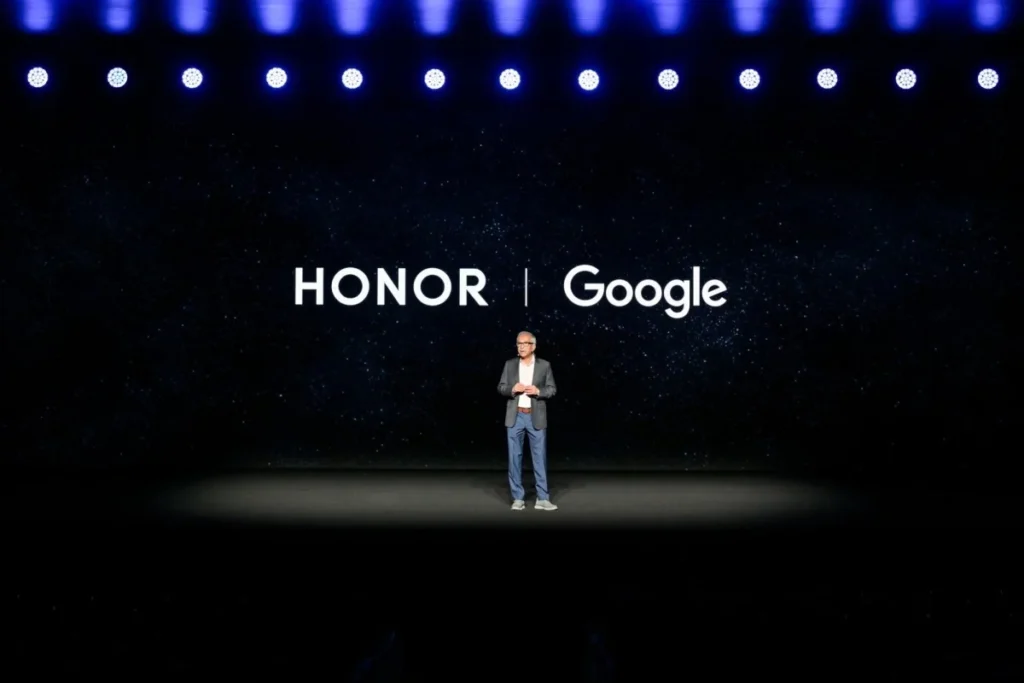
The Honor brand matters because it shows what a consumer tech company has to do after losing the structure that once supported it. When Huawei sold Honor in late 2020 after sanctions disrupted access to critical technology, Honor did not simply face a branding problem. It faced a business problem, a supply problem, a product problem, and a credibility problem all at once.
The company had to prove it could still build devices people wanted, secure the components it needed, and create a market position that felt strong enough to stand on its own.
Honor First Had To Prove It Could Operate Alone
Honor is best known for smartphones, though it also sells tablets, laptops, wearables, and connected devices. After the split, the first question was brutally simple. Could it still function as a real technology company without Huawei behind it?
That question mattered more than any discussion about image because image means very little when a company cannot reliably source core components or ship competitive products.
The answer began to take shape in early 2021. Honor secured relationships with major suppliers such as:
- Qualcomm
- Intel
- AMD
- MediaTek
- Micron
- Microsoft
- Samsung
- SK Hynix
- Sony
Honor also launched the View40, its first phone after the separation. Those moves did not make Honor exciting on their own, though they did make the rebuild possible.
Then Honor Had To Change What The Brand Meant
Restoring operations was only the first stage. Honor also had to escape the market role that many people still associated with it. Under Huawei, the brand had often been linked with value-driven devices and youth-focused appeal.
A standalone Honor brand needed a broader and stronger identity. It needed consumers to see that the company could compete on design, engineering, and premium intent rather than on price alone.
That is why the Magic line of phones became so important. The Magic V2, launched in China in July 2023, gave Honor a much sharper way to present itself.
The company positioned it as the thinnest and lightest book-style foldable smartphone at the time and framed it as a device that could push foldables closer to mainstream use.
That mattered far beyond one product cycle. It told the market that Honor wanted to be read as a company with technical confidence and category ambition.
Premium Products Were Only One Part Of The Rebuild
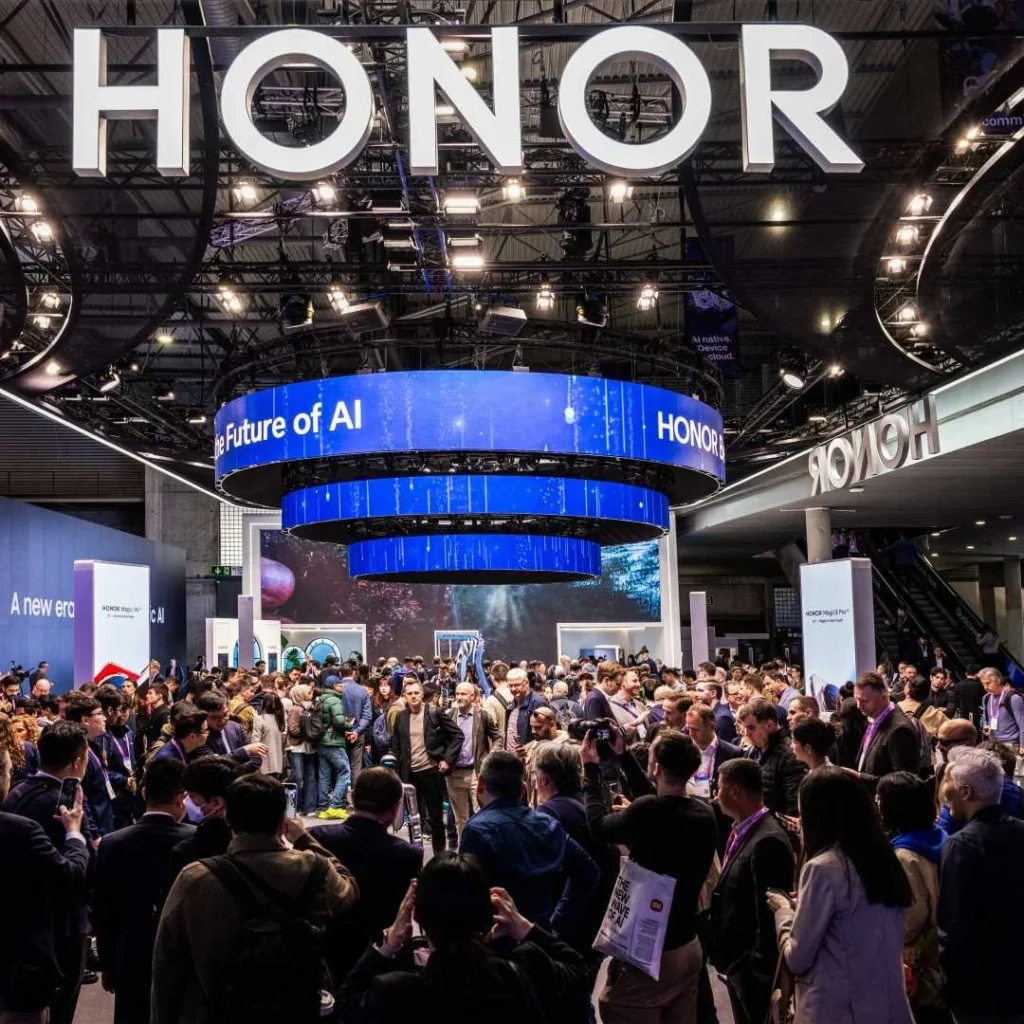
Honor’s next move was just as important. It started building a broader device logic around the brand. In early 2024, the company launched the Magic 6 Pro with AI features such as eye tracking and paired it with the MagicBook Pro 16, which included cross-device app transfer.
Those launches showed that Honor did not want to compete as a handset maker with a few adjacent products on the side. It wanted a more connected offer that could link phones, laptops, and other devices into a more coherent user experience.
That move deserves attention because consumer tech competition has changed. A single strong phone can drive buzz, though it rarely secures lasting strength on its own.
Brands that create a wider system give consumers more reasons to stay, spend, and upgrade within the same portfolio. Honor’s cross-device push suggested that the company understood this clearly. It was no longer trying only to prove that it could still make good phones. It was trying to show that the brand had a larger future.
In early 2025, Honor made that ambition explicit with a plan to invest $10 billion over five years in AI for its devices and expand further into AI-powered PCs, tablets, and wearables.
That commitment matters because it shows continuity in the rebuild. The company restored operations, improved product perception, and then widened the business into a fuller device and software direction. This is a far stronger progression than a simple comeback narrative. It reflects strategic intent.
What Consumer Tech Leaders Can Learn From Honor
The first lesson is that rebuilding starts with the operating base. Honor had to restore supplier access and product continuity before any repositioning effort could matter.
Companies that try to fix a structural break through branding alone usually run into the same wall. The market notices quickly when the business underneath the message is still weak.
The second lesson is that premium ambition needs visible proof. Honor’s foldable push gave the market a tangible reason to reassess the company. That is how perception changes in technology categories.
Consumers and competitors respond to products that signal a different level of intent. They do not respond with the same conviction to abstract promises about transformation.
The third lesson is that the stronger rebuilds widen into a system. Honor’s move into cross-device functionality and AI-powered devices points toward a more durable route to relevance.
A company that depends on one product line stays exposed. A company that creates a clearer device ecosystem has more ways to hold attention and deepen loyalty.
What Honor Still Has To Prove
Honor has already shown that it can survive separation, restore supplier access, and rebuild its position through stronger products. That is a serious achievement. The harder test now sits elsewhere.
The next stage is not about proving that the Honor brand can launch a good phone. It is about proving that the brand can create a deeper reason for consumers to stay inside its world.
Strong hardware can win attention. Lasting strength usually comes from something broader, such as ecosystem pull, software familiarity, and a clear reason to choose the same brand again across multiple devices.
This is where the pressure becomes sharper. China’s smartphone market does not reward progress for long. Huawei has regained force, Apple remains powerful in the premium segment, and rivals such as Vivo and Xiaomi keep fighting for share.
In that environment, a rebuild is only the beginning. Honor now has to show that its push into AI-powered devices, connected experiences, and broader product categories can create loyalty rather than short bursts of interest.
That challenge matters because it will determine what kind of company Honor becomes next. It can remain a brand that is admired for making strong devices at important moments. Or it can become a brand with a clearer long-term hold on consumers through a more convincing device ecosystem and a more distinctive software experience.
That is the gap executives should watch, because it is often the point where a successful rebuild either matures into durable strength or starts to level off.
Turn China Consumer Tech Signals Into Strategy With Ashley Dudarenok

Honor’s rebuild offers a practical lesson in brand rebuilding, premium repositioning, and device ecosystem competition in China.
For leaders trying to understand where the Chinese smartphone market is heading next, Ashley Dudarenok helps teams turn fast-moving market shifts into clear strategic action.
Book Ashley Dudarenok for a keynote or executive briefing on the Honor brand, China’s consumer tech competition, and what global brands should learn from the next phase of connected device growth.
Honor Brand FAQs For Consumer Tech Leaders
Below are practical answers to the questions readers often ask about Honor phones, brand rebuilding, and competition in consumer tech.
1. What is the Honor brand?
The Honor brand is a Chinese consumer technology company known for smartphones, tablets, laptops, and wearables. It matters because its rebuild shows how tech brands regain relevance after disruption.
2. Is Honor still part of Huawei?
No, Honor is no longer part of Huawei. The separation forced the company to rebuild supplier access, product confidence, and brand credibility on its own.
3. Why did Huawei sell Honor?
Huawei sold Honor after sanctions disrupted access to critical technology. The sale gave Honor a path to restore supplier relationships and keep competing in smartphones.
4. Why are Honor phones important in China?
Honor phones matter in China because they reflect a stronger premium push, clearer engineering ambition, and a broader effort to build loyalty across connected devices.
Yes, Honor is moving toward premium smartphones. Devices such as the Magic V2 and Magic 6 Pro helped signal stronger design ambition and technical confidence.
6. What is Honor’s AI-powered devices strategy?
Honor’s AI-powered devices strategy aims to connect phones, laptops, tablets, and wearables more closely. The larger goal is ecosystem loyalty, not one-time hardware excitement.
7. Why does the Honor brand matter beyond smartphones?
The Honor brand matters beyond smartphones because it shows how consumer tech companies rebuild identity, move upmarket, and turn product momentum into broader strategic relevance.
8. What does Honor still have to prove in China?
Honor still has to prove it can turn strong products into durable loyalty. In China, hardware wins attention, while ecosystems and software familiarity help keep users.
9. Is Honor a strong example of market repositioning in consumer tech?
Yes, the Honor brand is a strong example of market repositioning. It shows how brands recover after disruption by aligning supply, products, perception, and long-term direction.
10. Why did supplier access matter so much to Honor’s rebuild?
Supplier access mattered because Honor could not rebuild trust, launch competitive devices, or move upmarket without stable technology partnerships. It was the foundation for every later step in the brand’s recovery.