
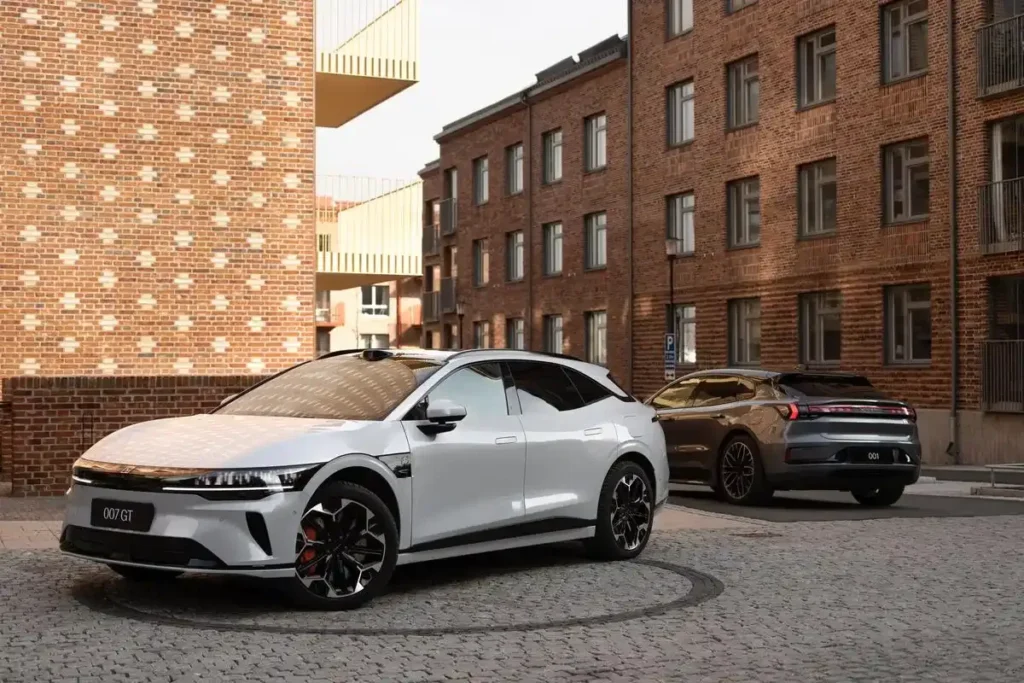
Geely built a global automotive business around multiple brands, common engineering capabilities, and partnerships that provide overseas factories and sales networks. Chinese product development sits inside a wider system that includes European engineering and local market knowledge.
The useful lesson is how these pieces connect. A brand portfolio creates commercial value when technology can move between businesses while each name retains a clear reason to exist. The group’s 2025 and 2026 changes make that logic visible, along with the trade-offs that can weaken it.
Geely Auto vs. Zhejiang Geely Holding: Understand the Structure

Zhejiang Geely Holding is the parent behind the wider Geely automotive group. Geely Automobile Holdings Limited is the Hong Kong-listed passenger vehicle company. Its core brands are Geely, Lynk & Co, and Zeekr, according to its 2025 company overview.
This distinction changes how readers should interpret scale. The parent reported 4,116,321 vehicles across its portfolio in 2025. The listed automaker reported 3,024,567 vehicles. Those figures describe different business boundaries. Adding them together would double-count the listed business.
The table shows selected brands within the wider portfolio.
| Brand | Corporate relationship | Role within the portfolio |
| Geely, including Galaxy | Core business of the listed automaker | Mainstream vehicles across several powertrains |
| Lynk & Co | Brand within the listed group | Premium electrified vehicles with a distinct identity |
| Zeekr | Wholly owned subsidiary of the listed automaker | Premium technology-focused vehicles |
| Volvo Cars | Separate listed automaker, majority owned by the holding group | Premium brand and international industrial operations |
| Lotus | Holding portfolio brand, with its businesses unified under its technology company in 2026 | Performance cars and luxury mobility |
| Proton | 49.9% strategic equity interest alongside DRB-HICOM | Malaysian brand and local assembly capabilities |
The relationships range from full ownership to minority investment. They create different levels of control over products, investment, and operations.
Why Geely Is Consolidating Its Brand Portfolio
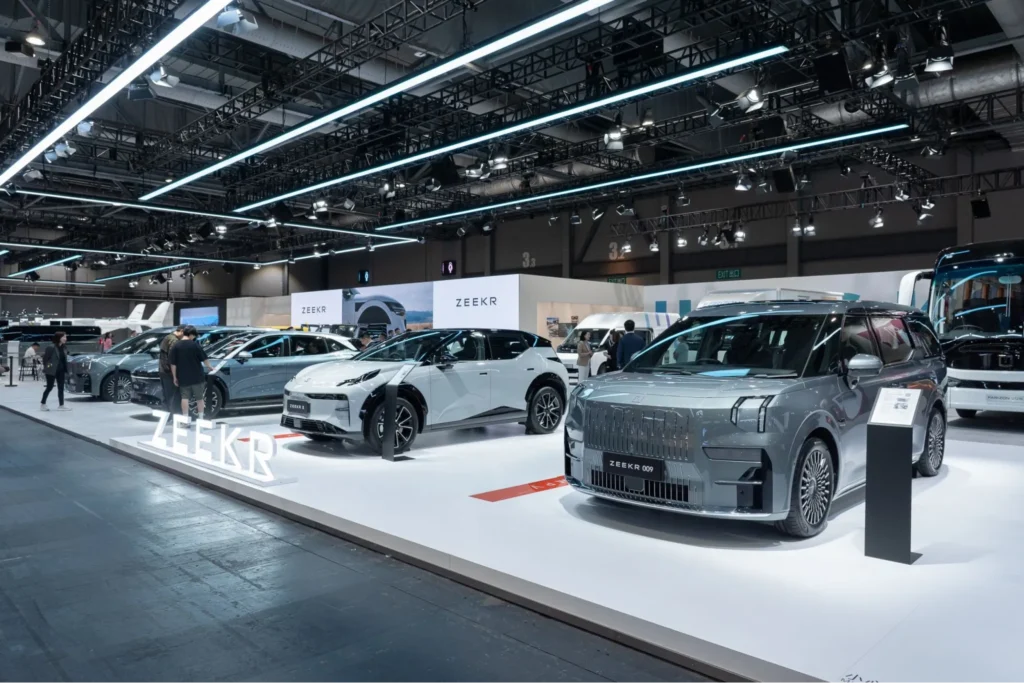
The most revealing global M&A activity now concerns integration. On December 22, 2025, the listed automaker completed its privatization of Zeekr. The premium vehicle company became an indirect wholly owned subsidiary.
Full ownership can simplify joint product planning and funding decisions. A separately listed subsidiary has outside shareholders and its own governance obligations. The potential benefit comes from clearer decision rights across the portfolio. Management still has to remove duplicate programs and allocate capital well.
The broader portfolio is moving in a similar direction. Lotus Technology completed its acquisition of all equity in Lotus Advance Technologies on August 21, 2026. Its regulatory filing describes combining British sports car engineering and manufacturing with the technology company’s vehicle business under one corporate structure.
These transactions show the organizational work behind a multi-brand strategy. Separate customer identities can coexist with common investment decisions. A useful acquisition review should therefore track decision rights, duplicate development programs, and accountability for returns.
How Platform Sharing Connects Chinese Technology and European Engineering
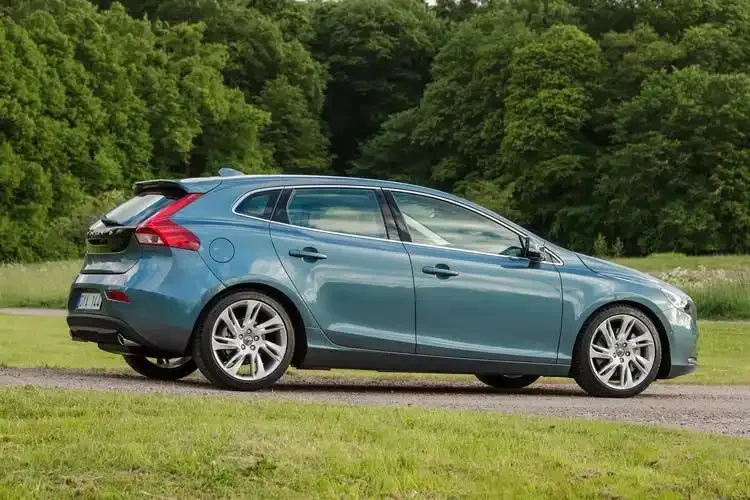
Platform sharing lets different vehicles reuse elements of their underlying architecture, such as packaging, electronic systems, and powertrain interfaces. Brands can still differ in design, tuning, equipment, and customer experience.
The economic benefit depends on how much they actually reuse. A common platform saves less if each brand demands extensive redesign. Product teams need clear rules for which components remain common and which differences customers will pay for.
Geely vehicles also show why shared technology needs clear product boundaries. Its 2025 review identifies different versions of the G-Pilot driver assistance family in the M9, Lynk & Co 900, and Zeekr 9X. Buyers and product teams still need to compare actual functions, hardware, and local approvals for each model.
European R&D Enters Global Product Planning Earlier
In March 2026, Geely Auto Group created a unified European technology organization around its Gothenburg and Frankfurt engineering centers. The unit works with researchers in China and serves the three core passenger vehicle brands.
The European R&D mandate includes customer requirements, regulation, cybersecurity, and data privacy from the start of development. The company aims to reduce the gap between Chinese and overseas launches to less than six months. The announcement presents this as a target.
The strategic implication is reciprocal learning. Chinese development capabilities can reach international markets more effectively when regional engineers influence the original product brief. Late compliance conversion can push costly changes to the end.
The listed company sold 1,687,767 new energy vehicles in 2025. Its NEVs include battery-electric and plug-in hybrid cars, while its product mix also includes gasoline vehicles. Geely cars therefore serve markets with different charging conditions and customer needs. Common engineering must accommodate that variation.
Brazil Combines Chinese Architecture With Existing Industrial Capacity
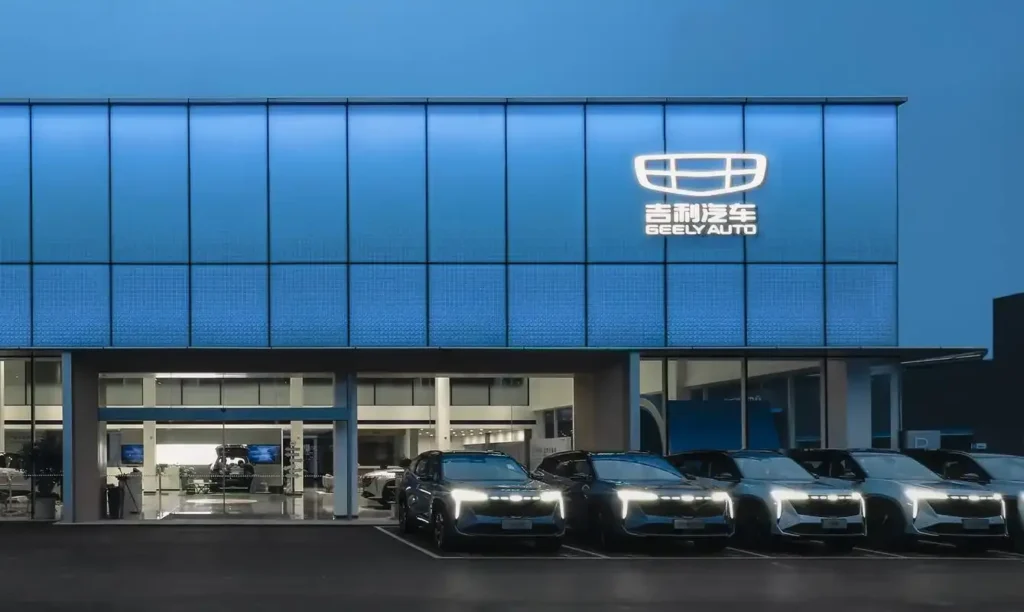
The November 2025 agreement with Renault gave the Chinese partners a 26.4% stake in Renault do Brasil. Renault retained majority ownership. The arrangement gave the partners access to its factory and commercial network, while Renault committed to using the Chinese group’s GEA vehicle architecture.
That cooperation moved into production in September 2026. The EX5 EM-i began local production at the Ayrton Senna Industrial Complex.
The less obvious lesson is that technology can travel through a minority investment. A company can gain industrial access while its partner keeps control. Contract design, product responsibilities, and customer access become central to the arrangement.
Malaysia, Europe and Canada Show Different Routes to Market
Proton opened its dedicated EV assembly plant in September 2025. Technical partners from China helped design and build the facility. By May 2026, Proton confirmed local assembly of the e.MAS 7 at its Tanjong Malim facility, supported by technical cooperation with Geely.
Europe offers a different example. In September 2026, Volvo Cars and the listed Chinese automaker finalized an agreement to distribute Lynk & Co. The new arrangement starts in January 2027. The Swedish company will handle European commercial operations; Geely Auto Group will retain global product development and certification.
Canada is another market where Geely is building a local commercial presence. On October 9, 2026, Geely Auto announced its entry into Canada, with a local team already in place and plans to develop a retail and service network ahead of vehicle sales in 2027.
The move shows how international expansion also depends on establishing customer support and distribution infrastructure before launching products.
This globalization model divides responsibilities between technology owners and local operators. A market entry plan should specify who owns certification, inventory, customer relationships, and after-sales service before launch.
Where Geely’s Global Growth Strategy Faces Pressure
Strong exports can conceal weaker domestic demand. During January through September 2026, the listed group sold 2,235,481 vehicles, up about 3%. Geely’s reported export volume rose 169% to 797,670 vehicles, while mainland China sales fell 23.3%. Overseas expansion was offsetting substantial pressure at home.
The wider portfolio also faces uneven conditions. On October 2, 2026, Volvo Cars removed its near-term volume and cash-flow outlook. It cited worsening conditions in China and a slower U.S. recovery. A large group cannot remove each brand’s exposure to demand and pricing.
Brand overlap remains a separate management test. Similar products and messages can blur customer choice. The useful measures include margins by brand, dealer inventory, and the share of buyers new to the group. Total vehicle volume alone cannot answer those questions.
The Geely automotive model deserves assessment through usable shared technology, distinct customer propositions, and profitable local operations. Each measure tests the economic value a portfolio creates.
Continuing the Discussion on China’s Business Models

Geely’s approach provides material for examining where shared technology makes sense and where brands need independence. Comparing these choices with other Chinese businesses can reveal different ways to organize partnerships and local decision-making.
These themes can form the basis of a China-focused keynote or executive briefing.
Book now to discuss a topic and format for continuing the conversation.
Frequently Asked Questions About Geely
1. Are Geely cars safe?
The EX5 earned five stars in Euro NCAP’s 2025 assessment. That result applies to the tested model and specified coverage. Read the detailed report, including noted weaknesses, before judging a different model or market specification.
2. Are Geely cars reliable?
Reliability needs model-specific evidence over time. A short road test cannot establish battery, software, or mechanical durability. Look for independent ownership data for the same model year and powertrain, and distinguish recurring faults from isolated complaints.
3. When could Geely enter the U.S. market?
The company has discussed a U.S. entry decision by 2029. In an April 2026 interview, an executive said it had no short-term launch plan. A decision window does not confirm a start date for retail sales.
4. Is the warranty for Geely vehicles the same worldwide?
Warranty terms depend on the market and model. The UK warranty advertises eight years or 125,000 miles of vehicle coverage. Australia’s 2025 terms provide seven years with unlimited kilometers for private use. Read local exclusions and servicing conditions.
5. How should you compare the driving range of a Geely car?
Compare the same test cycle, battery size, and trim. Official WLTP test figures provide a consistent starting point. Then look at road tests that match your climate and routes before deciding how much range you need.
6. Does Geely driving assistance make a car autonomous?
Driver assistance still requires an attentive driver. UN Regulation 171 covers systems that help control a vehicle while the driver retains responsibility. Always follow the model’s operating limits, supervision requirements, and instructions for taking control when necessary.
7. Do Geely models have identical features in every country?
Specifications can differ between markets, including equipment, options, and available models. Use the local specification sheet for the exact trim you plan to buy. Promotional images or overseas reviews may show features absent from your version.
8. Is the Geely EX5 the same model as the E5?
The company identifies E5 as EX5 overseas in its 2025 sales review. Use the market-specific model name when looking for prices, owner’s manuals, parts, and dealer information. This helps avoid mixing documents from different markets.
9. How can you check recalls for Geely vehicles?
Use the official vehicle recall database in the country where the car is registered. Search the model and build period, then ask an authorized dealer to check the vehicle identification number and confirm completion of applicable repairs.
10. What should a business check before adding Geely vehicles to a fleet?
Compare the full operating cost for your actual routes. Request insurance quotes, scheduled maintenance costs, parts lead times, and a written downtime plan. For electric models, test charging arrangements against daily mileage, payload, and parking access.