

Amandayan is Aman’s luxury resort on Lion Hill in Lijiang, Yunnan, with 35 accommodations. Its Naxi-inspired wooden buildings overlook the UNESCO-listed Old Town, with Jade Dragon Snow Mountain on the horizon.
Its appeal lies in its small scale, access to Dayan Old Town, and experiences rooted in local culture. The business interest lies in how an international hotel brand translates a destination into a connected stay.
Architecture sets the scene; cultural expertise, dining, and itinerary design give guests reasons to stay.
What Makes Amandayan Distinctive?

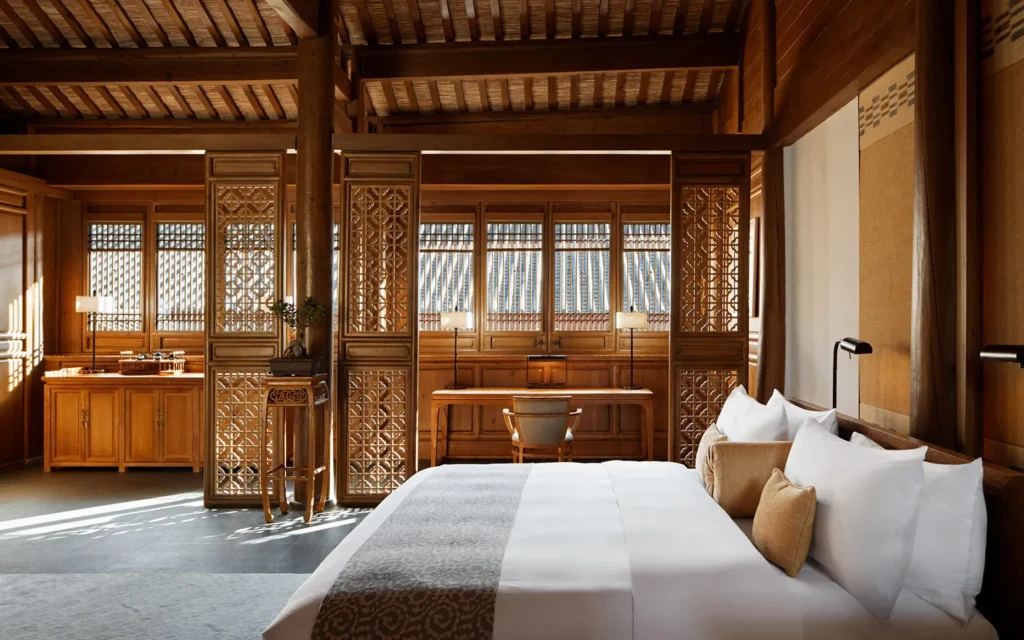
Aman’s accommodation descriptions identify Yunnan pine, Dong Bei elm, and regional fabrics as defining materials. Suites open onto courtyards or terraces. Together, these elements give the property a residential character, with local references that extend beyond the arrival area into the spaces guests use throughout their stay.
That architectural connection has substance. UNESCO identifies timber-framed houses, courtyards and carved wooden details as representative of Naxi culture. The hotel’s design draws from an identifiable building tradition, giving Aman’s preference for restrained interiors a specific expression in Lijiang.
The cultural program adds a human dimension. Guests can study Dongba calligraphy with a Naxi expert, try Yunnan Jiama woodblock rubbing, and explore Pu’er tea culture. Nearby Wenchang Palace provides a setting for cultural activities. The hotel also offers performances developed in collaboration with local cultural heritage practitioners.
These encounters make cultural participation part of the stay. A calligraphy session introduces a practitioner and a skill; a performance places music or movement within the itinerary. The commercial distinction comes from access to expertise that a room’s design cannot provide on its own.
The current festive program connects international holidays with local traditions: Naxi singing and Leba Dance accompany Christmas Eve, while New Year’s Eve brings Dongba blessings, drumming and storytelling at Wenchang Palace.
Together, they show how a global hotel can adapt familiar occasions to its setting. A guest’s travel dates also shape the cultural experience available, so check the activity calendar before booking.
Food and Wellness Extend the Local Story
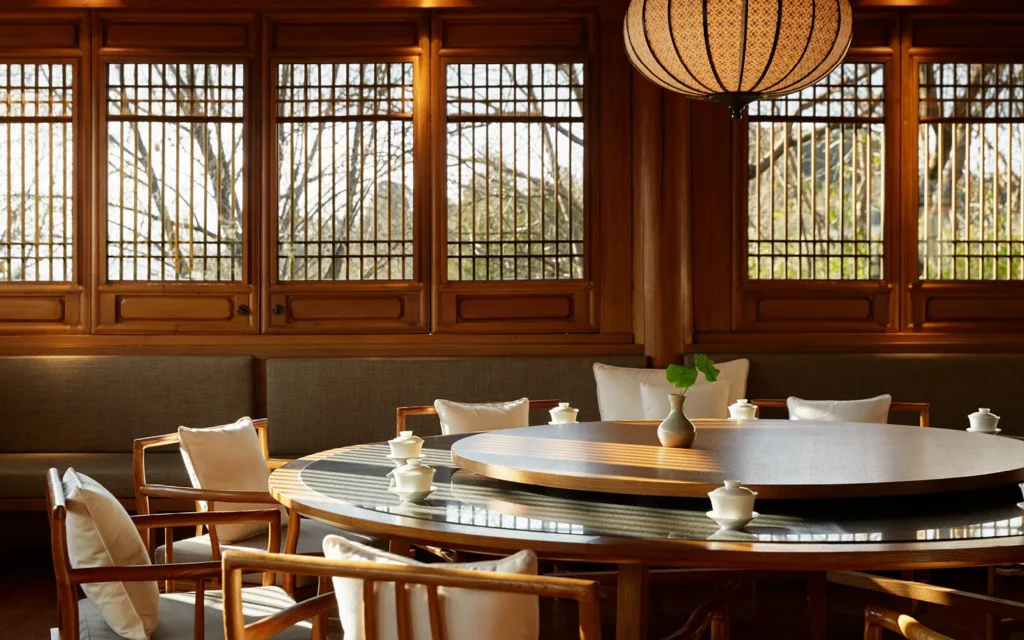
Man Yi Xuan’s menu features locally sourced, seasonal ingredients, including river fish from Lijiang. Four private dining rooms allow smaller gatherings, while the Tea House serves afternoon tea with treats inspired by Naxi food and locally grown fruit.
Food makes regional identity tangible through an everyday decision: where and what to eat. It also gives guests several ways to experience the property, from a private meal to an afternoon overlooking the town.
Wellness follows a related approach. The Aman Spa draws on Chinese herbal and massage traditions. Its current Wellness Escape combines treatments, a wellness class and a Pu’er tea bath over four or five nights.
The longer format gives rest a place in the itinerary. It also turns wellness into a reason to plan a stay around the hotel, alongside sightseeing.
How the Business Model Connects Rooms and Experiences
Aman presents the property within its resort portfolio and provides central reservations. That confirms the public brand and booking relationship. It does not establish ownership of the hotel’s buildings or land.
The commercial offer becomes clearer in the Discover Lijiang package. A stay of at least three nights combines accommodation with a private Old Town tour, visits to Wangu Tower and Mu Mansion, a black clay hot pot meal, cultural activities and return transfers.
The hotel can therefore sell a coordinated itinerary. Guests make fewer separate arrangements, while dining and destination experiences become part of the accommodation proposition. This creates a basis for differentiating the stay beyond suite specifications.
Aman also advertises Discover China, requiring at least six nights across two or more of its Chinese properties. The network gives the brand a route to encourage further travel within its portfolio. Public materials do not disclose the packages’ effect on occupancy or profitability.
Dining reservations welcome visitors as well as overnight guests. This creates another commercial entry point: someone can experience the setting and food without booking accommodation.
What Amandayan Reveals About Experiential Luxury Hospitality?
The 2025-2026 Tourism Green Book, compiled by the Chinese Academy of Social Sciences’ Tourism Research Center, frames its 2026 outlook around experiences and more specific traveler segments. This is a national assessment, not evidence about this hotel’s guests.
The China Tourism Academy’s 2025-2026 accommodation report also identifies combinations of hotels with culture, health, and retail as routes to broader revenue, alongside deeper localization by international brands.
Against that context, Amandayan offers a useful example of customer experience design. A private tour reduces the work of organizing sightseeing. Private dining gives companions control over the setting. A structured wellness stay makes room for a different pace.
These offerings plausibly suit luxury travelers who value time, discretion, and cultural participation. They support a clear positioning choice, without establishing the property’s guest demographics or a universal preference among Chinese consumers.
The Hotel’s Role in Lijiang’s Cultural Tourism Economy
Lijiang Daily, reporting municipal tourism bureau figures, recorded approximately 87.06 million tourist visits across Lijiang in 2025, up 7.96%. This is a citywide count of visits, not unique visitors or hotel customers.
The property’s more specific economic connections lie in its food sourcing and cultural collaborations. These activities create channels through which visitor spending can support ingredients and specialist services tied to the destination. Public sources do not quantify local procurement, practitioner payments, or hotel-attributable employment.
Heritage preservation also has a commercial consequence. The property’s appeal draws partly on the town beyond its gates. Continued cultural practice and care for the surrounding built environment help sustain the destination that gives the hotel its identity.
Amandayan Lijiang China: Access and Guest Considerations
The hotel stands at 29 Shishan Road, Gucheng District. Aman estimates the 30-kilometer airport transfer takes around 50 minutes, which its concierge can arrange.
UNESCO places Lijiang Old Town at approximately 2,400 meters. The hilltop setting and stone-paved routes deserve attention when discussing mobility requirements and excursion plans with the hotel.
A Travel+Style review updated in 2025 praised the interiors and service but reported that Old Town nightlife noise could reach the property. This remains an attributed observation, so current room location and noise conditions merit confirmation.
An Amandayan China stay makes particular sense when cultural visits and time at the hotel carry similar weight. The setting offers proximity to town; guests seeking complete separation from surrounding activity should discuss that expectation before booking.
A Practical Lesson in Customer Experience
Amandayan illustrates how experiential hospitality can organize local expertise around a customer’s time. The useful innovation lies in coordinating accommodation, specialist access, food and transport into choices that guests can understand and book.
Another business can apply that approach when customers face a real coordination problem. The first task is to identify what requires trusted expertise, then connect the relevant services and make their inclusions clear.
The model depends on credible practitioners, reliable scheduling, and consistent delivery. Those conditions allow cultural specificity to become a service promise that the business can keep.
Chinese Consumer Insight and Customer Experience with Ashley Dudarenok
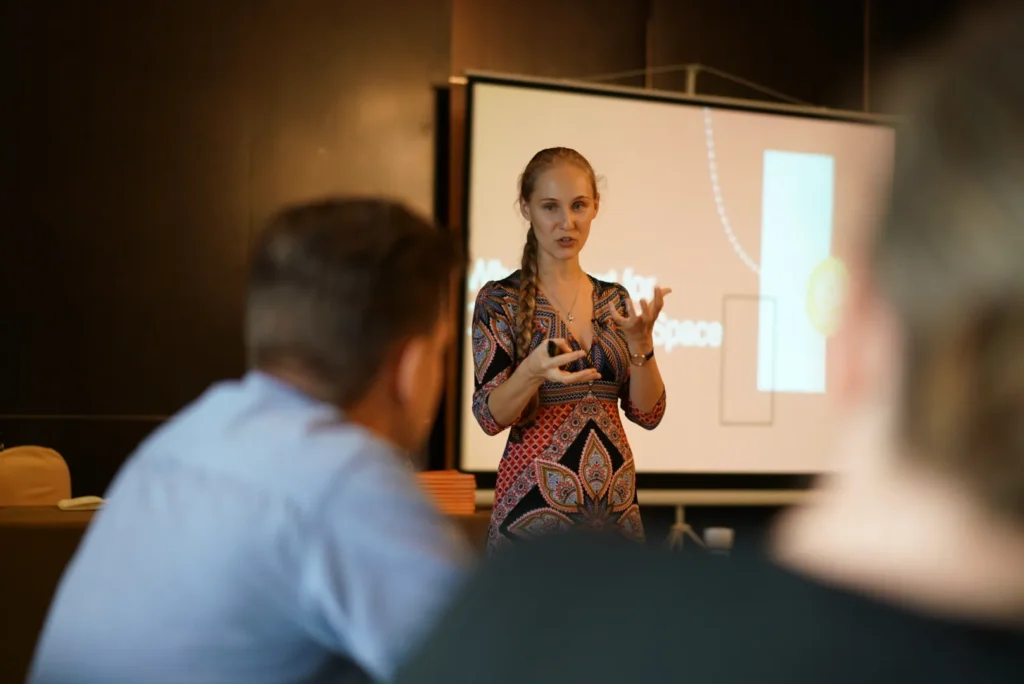
Amandayan demonstrates how cultural heritage, personalized experiences, and thoughtful service can strengthen a luxury brand’s identity. For businesses, the broader lesson is to understand what customers value and translate those expectations into a distinctive experience.
Ashley Dudarenok is a China business expert, serial entrepreneur, bestselling author, and keynote speaker specializing in Chinese consumer behavior, customer centricity, and digital transformation. Through her work with global brands, she explores how changing consumer expectations influence customer journeys, loyalty, and business innovation.
Her keynotes and executive sessions draw on practical examples from China’s competitive consumer market, helping business leaders identify relevant trends and rethink how they engage customers.
Explore Ashley’s books and research for deeper insights into Chinese consumers, or book a session with Ashley to bring these perspectives to your next business event.
FAQs
1. Where exactly is Amandayan located?
The resort sits at 29 Shishan Road on Lion Hill, overlooking the UNESCO-protected old town. It is about a 15-minute walk to Dayan’s canals and lanes and approximately a 50-minute drive from Lijiang Sanyi International Airport.
2. How large is a Courtyard Suite?
A Courtyard Suite measures 72 square meters and includes a king bed, living area, and separate bathroom. It overlooks a shared Naxi-style courtyard, so the category does not promise an exclusively private outdoor space.
3. Is there a two-bedroom option for families?
Yes, the hotel offers a two-bedroom villa measuring approximately 440 square meters. Families should confirm permitted occupancy, children’s arrangements, extra sleeping options and the layout directly before comparing it with separate suites.
4. Does every suite have a snow mountain view?
No, Aman describes Courtyard Suites as overlooking a shared courtyard, while other accommodations offer different views. Guests who prioritize a mountain view should request written confirmation of the specific category and view before booking.
5. Who designed Amandayan?
Architect Ed Tuttle and interior designer Jaya Ibrahim shaped the property. Ibrahim’s interiors use local pine, elm, Nakhi embroidery, and Dongba wood carvings. The resort opened in February 2015 and is among Jaya Ibrahim’s notable Aman projects in China.
6. How much does Amandayan cost per night?
The exact nightly cost requires a quote for specific dates and accommodation. Use Aman’s reservation service, then compare the total payable amount, taxes, included experiences, payment requirements and cancellation conditions before deciding.
7. When does mushroom foraging take place?
The hotel’s dining page describes mushroom foraging from June through September. Guests should confirm the activity’s availability for their dates, guide arrangements, and dining inclusions, since a seasonal description does not guarantee an individual departure.
8. Can the hotel host a private business meeting?
Yes, Aman lists a meeting room seating up to 30 guests, with an adjacent library that can form a larger combined venue. Organizers should request a proposal covering their layout, equipment, catering, and privacy requirements.
9. Is there a cinema for private screenings?
Yes, the hotel advertises a private cinema with 30 reclining seats for screenings, presentations and launches. Guests or event organizers should confirm availability, booking arrangements, and applicable charges before including it in their plans.
10. Is Amandayan a Michelin-starred hotel?
No, Michelin awards Stars to restaurants; Amandayan appears in its hotel selection. Hotel Keys are a separate distinction. Inclusion in the selection alone should not be presented as a Star or Key award.