
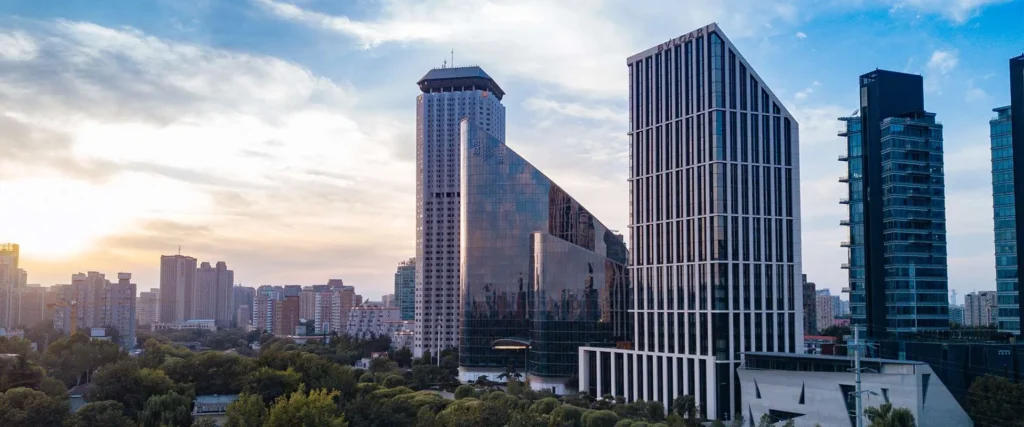
Bulgari Hotel Beijing brings Italian design, destination dining and attentive service to a riverside setting in Beijing’s Chaoyang district. Officially styled Bvlgari Hotel Beijing, and known in Chinese as 北京宝格丽酒店, the property has 119 rooms and suites within Genesis Beijing. Its appeal combines access to the capital with space to spend an unhurried afternoon inside the hotel.
The business story sits within that experience. A jewelry brand expresses its identity through objects; hospitality extends that relationship through meals, rest, and personal service. Beijing offers a useful case of luxury brand extension because the property gives its Italian identity a specific Chinese setting.
What Makes Bulgari Hotel Beijing Distinctive?
A Riverside Address With Room to Pause
The hotel stands at Building 2, Courtyard No. 8, Xinyuan South Road, in the Embassy District. Its official destination guide places it in a development with offices, shopping, and the Tadao Ando-designed Genesis Art Gallery.
This setting gives the stay a particular rhythm. Guests can combine an urban itinerary with gardens and the Liangma River. Forbes Travel Guide’s inspectors single out the outdoor setting as a major strength and recommend the riverside walkway.
The address suits a stay built around dining, design and time at the property. For a schedule concentrated on the Forbidden City and Beijing’s historic center, compare transport requirements before booking. The hotel itself describes those landmarks as farther afield. A riverside base and a sightseeing base answer different needs.
Jewelry Motifs That Guests Can Live With
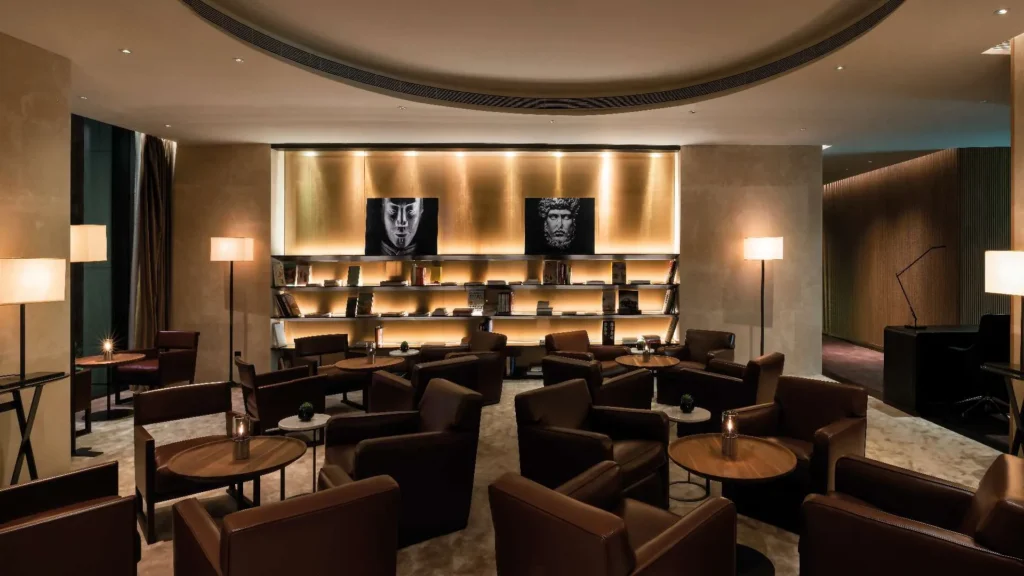
ACPV ARCHITECTS Antonio Citterio Patricia Viel designed the hotel. The studio’s project description links bronze, silver, and hand-finished details to Bvlgari’s craftsmanship. It also identifies the spiral staircase leading to the ballroom as a sculptural centerpiece.
The Serpenti Suite makes that relationship more explicit. According to the hotel’s launch announcement, it debuted on January 9, 2025, around the Year of the Snake. The current suite description notes selected linens and cashmere blankets decorated with snake motifs.
The local connection is clear: a Chinese calendar occasion aligned with an established brand symbol. That makes the adaptation coherent. Guests encounter the motif through materials they use, giving experiential branding a practical form beyond a display case.
Roman References Inside the Spa
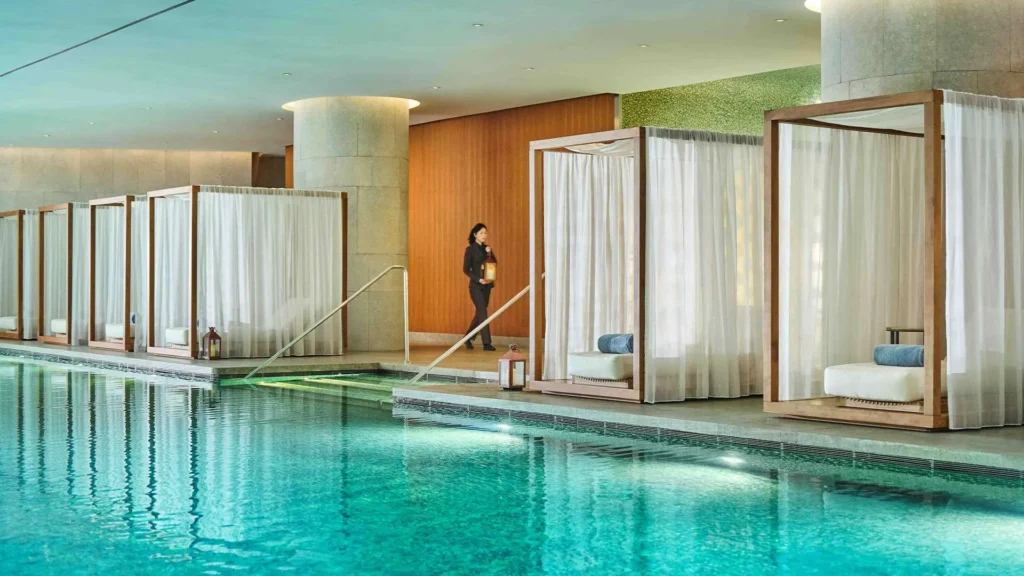
The Beijing tourism authority’s June 2025 profile describes a 1,500-square-meter spa with 11 treatment rooms and a 25-meter heated indoor pool. The pool takes inspiration from Rome’s Baths of Caracalla.
Here, Italian luxury becomes part of the physical experience of a stay. The Roman reference gives the wellness space a recognizable connection to the brand’s home. For guests, the substantial indoor facilities create a reason to reserve time at the property between city visits.
Italian Dining With Independent Recognition
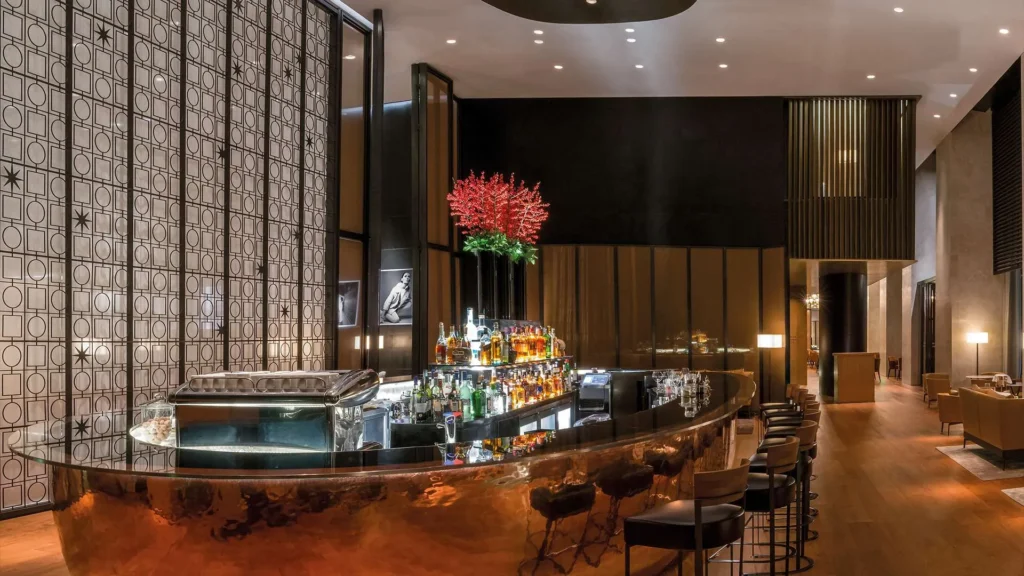
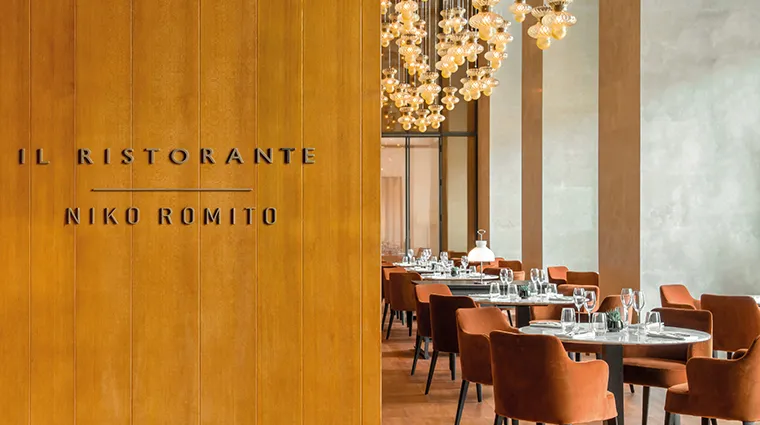
Il Ristorante – Niko Romito holds one star in the 2026 Michelin Guide Beijing selection. This distinction recognizes the restaurant’s cooking. The hotel’s accommodation is assessed separately.
The restaurant’s official page explains that Romito develops the culinary approach and trains resident chefs. Davide Gessa leads the Beijing kitchen. Guests should understand that distinction when choosing a chef-associated restaurant.
The commercial value lies in a repeatable dining identity. The cuisine gives people another reason to visit the property and makes the Italian connection tangible through a meal. Restaurant demand and room demand remain separate questions.
The Business Behind the Hotel
Several organizations sit behind the experience, with different roles:
| Layer | Verified relationship |
| Luxury brand | LVMH lists Bvlgari among its jewelry houses. |
| Hotel network | Marriott’s 2025 annual filing includes Bvlgari in its luxury hotel portfolio. |
| Local development and entity | KPF names Beijing Huadu as the Genesis Beijing project client. An August 2025 Beijing government permit identifies Huadu’s Bulgari Hotel branch as the performance venue. |
These records establish corporate and local relationships. They leave the property’s current ultimate ownership and individual management agreement unresolved.
The broader development helps explain the location strategy. KPF describes offices, residences, retail, hospitality and cultural space sharing the site. In this context, ecosystem strategy means complementary activities within one address: someone can work nearby, meet over dinner and attend an event.
The hotel also widens the occasions on which someone can encounter the brand. A visitor can reserve a meal or organize a gathering without arranging an overnight stay. The commercial logic of branded hospitality rests partly on these different entry points. Each service must still earn its place through quality and demand.
The public evidence reviewed here does not quantify the hotel’s profitability, repeat bookings, or contribution to jewelry sales. Those outcomes require property-level evidence.
Chinese Consumers and the Details of Service
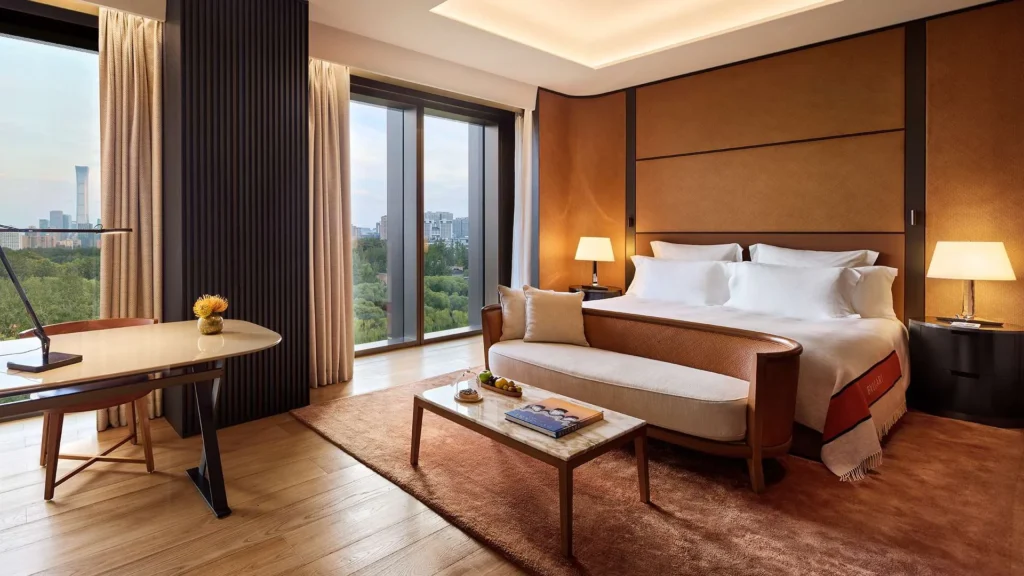
In July 2025, China Tourism Academy president Dai Bin noted growing demand for more personal, distinctive travel experiences and greater control over itineraries. His comments concern the wider Chinese travel market, rather than this hotel’s guest profile.
For luxury travelers who value privacy and flexibility, the hotel offers in-room check-in, packing assistance and a 24-hour personalized butler. Forbes Travel Guide also reports that guests can begin concierge contact through WeChat before arrival, allowing staff to understand requests in advance.
The hotel’s City of Wonders experience extends this approach. The one-to-three-day itinerary includes a discovery passport, sealed clues and activities ranging from tai chi and a guided Great Wall visit to Italian culinary challenges.
The experience combines Beijing with the hotel’s Italian identity. The key question for luxury brands is how much of the stay should reflect the global brand and how much should be shaped by the destination.
How the Property Connects With Beijing
The riverside setting belongs to a wider urban project. A January 2026 Chaoyang government account describes the Liangma River corridor as a connected setting for recreation, tourism and business. That public environment adds to the appeal of staying nearby.
The hotel also hosts cultural activities. Its Chinese-language account of the 2026 Yuepu Music Garden Space concert describes a collaboration with Tencent Music Entertainment Group in the ballroom. The hotel reports supporting children’s arts education through charity cakes, purchases of children’s artwork, and suite-related donations.
This example shows how hospitality space can host performances and connect accommodation with cultural participation. It documents an activity and a funding mechanism, but does not provide an economic impact figure for Beijing.
Strategic Lessons for Global Brands Entering China’s Premium Segment
The Bvlgari hospitality model offers several transferable insights for companies considering brand extension into physical experiences within China.
At brand level, Bvlgari’s longstanding relationship with Marriott shows how luxury identity can be paired with established hospitality expertise.
Scarcity preserves premium positioning. A deliberately limited portfolio creates exclusivity that mass expansion would dilute. The pipeline of new properties remains selective, targeting high-value destinations rather than volume.
Local context requires translation, not transplantation. The Beijing property incorporates Chinese-inspired console tables and vases, and the spa offers treatments inspired by Chinese traditional techniques. The design respects the brand’s Italian heritage while acknowledging the host culture.
Third-party validation accelerates credibility. Michelin Keys, Condé Nast Gold List recognition, and Forbes five-star ratings provide independent third-party quality signals that a new entrant to hospitality cannot self-generate. These awards function as trust proxies for consumers unfamiliar with the brand’s hospitality capabilities.
Explore China’s Customer Experience With Ashley Dudarenok

Bulgari Hotel Beijing is one example of how a global brand can translate its identity into a customer experience shaped by its Chinese setting. Similar questions are emerging across China’s luxury, retail and consumer sectors.
I work with leadership and innovation teams through keynotes, executive briefings, workshops and strategy sessions focused on Chinese consumers, customer centricity, retail and innovation. Through ChoZan, teams can also examine these shifts through China-focused research, expert dialogues and learning expeditions.
If you want to understand what China’s changing consumer and business environment could mean for your organization, explore more of my work and insights on China.
Frequently Asked Questions
1. Does Bulgari Hotel Beijing Participate in Marriott Bonvoy?
No. Marriott’s current program terms exclude all Bulgari Hotels and Resorts locations. A stay therefore does not earn standard Bonvoy points or qualify for points redemption and program benefits, despite the brand’s Marriott connection.
2. How Large Are the Superior Rooms?
The hotel lists its Superior Rooms at 58 square meters. They offer a king bed or two queen beds, plus a black granite bathtub and separate shower. Confirm your preferred bedding when reserving.
3. Can Families Book Connecting Accommodation?
Yes. Forbes Travel Guide identifies connected suites that can suit families or groups. Ask reservations to confirm the exact combination, occupancy limits and availability in writing, since connecting accommodation requires a specific room pairing.
4. Can the Hotel Arrange an Airport Arrival Service?
Yes. The hotel advertises an Arrive in Elegance package with arrival assistance, luggage help and limousine transport. Confirm the airport, meeting point, eligible room category and package conditions before booking your stay or flight.
5. Does the Hotel Offer Guided Hutong Visits?
Yes. Its Hutong Excursion introduces the Wudaoying area, with nearby landmarks including the Lama Temple and Imperial Academy. Ask about guide language, walking requirements, timing and included admissions when arranging the outing through the hotel.
6. Can Guests Take an Italian Cooking Class?
Yes. The hotel’s Art of Italian Pasta experience offers a practical workshop with chef Davide Gessa at Il Ristorante – Niko Romito. Confirm dates, group size, age suitability and dietary requirements before reserving a place.
7. Can Visitors Buy Gifts at the Hotel?
Yes. Bvlgari Dolci offers Niko Romito’s La Pasticceria collection and chocolates by Gianluca Fusto. These provide food-focused gifting options. Ask the boutique about current selections, packaging, shelf life and any transport considerations before purchasing.
8. Are There Rooms for Smaller Business Meetings?
Yes. The hotel lists two meeting rooms of 70 square meters each, which can combine into a larger space. Request capacity figures for your seating layout, alongside equipment, catering and accessibility details, before confirming.
9. How many Bvlgari hotels are there in China?
Two. Bulgari Hotel Beijing and Bulgari Hotel Shanghai both received Two MICHELIN Keys in the 2025 rankings and five-star Forbes Travel Guide ratings.
10. What Should I Check in Bvlgari Hotel Beijing Reviews?
Check stay dates, room categories and the reviewer’s travel purpose. Recent comments about service consistency and specific facilities are more useful than a score alone. Compare guest accounts with professional assessments and current hotel descriptions.