
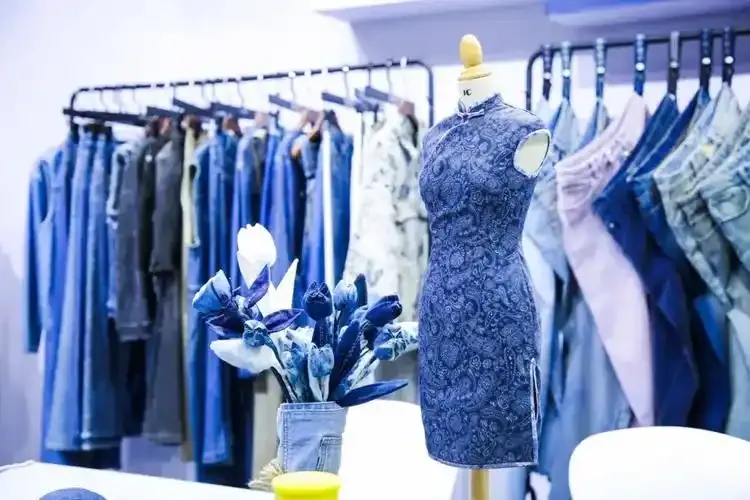
Chinese fashion brands now influence far more than domestic wardrobes. They shape sportswear technology, premium outerwear, digital retail, contemporary tailoring and the international understanding of Chinese design.
This shift comes during a more selective consumer cycle. China’s retail sales reached RMB 50.12 trillion in 2025, up 3.7 percent, according to the National Bureau of Statistics. Buyers still spend, but product quality, price credibility and brand distinction carry more weight.
The strongest Chinese clothing brands respond with focused identities and stronger operating models. Some use performance technology and supply chain scale. Others translate Chinese craftsmanship and cultural confidence into modern clothing that works across Shanghai, Seoul, Paris and London.
Why Chinese Fashion Brands Matter Now
Fashion in China has moved beyond a single Guochao aesthetic. Sports science, quiet luxury, digitally managed supply chains, ethnic craft and globally fluent tailoring now coexist.
Commercial interest in independent labels is also recovering. Showroom traffic at Autumn/Winter 2025 Shanghai Fashion Week rose 10 to 20 percent. One Time showroom introduced a dedicated RedNote area where fashion KOLs could discover and sell products from around 40 brands.
This integration of RedNote fashion discovery, Tmall stores, Taobao collections, Douyin fashion commerce and physical retail gives local labels a rapid feedback system. Brands can identify demand, adjust product ranges and connect content directly with sales.
The following China fashion brands list is an editorial selection based on verified 2025 and 2026 activity, design influence, commercial relevance and international momentum. It is not an official sales ranking.
25 Best Chinese Fashion Brands to Know
1. ANTA
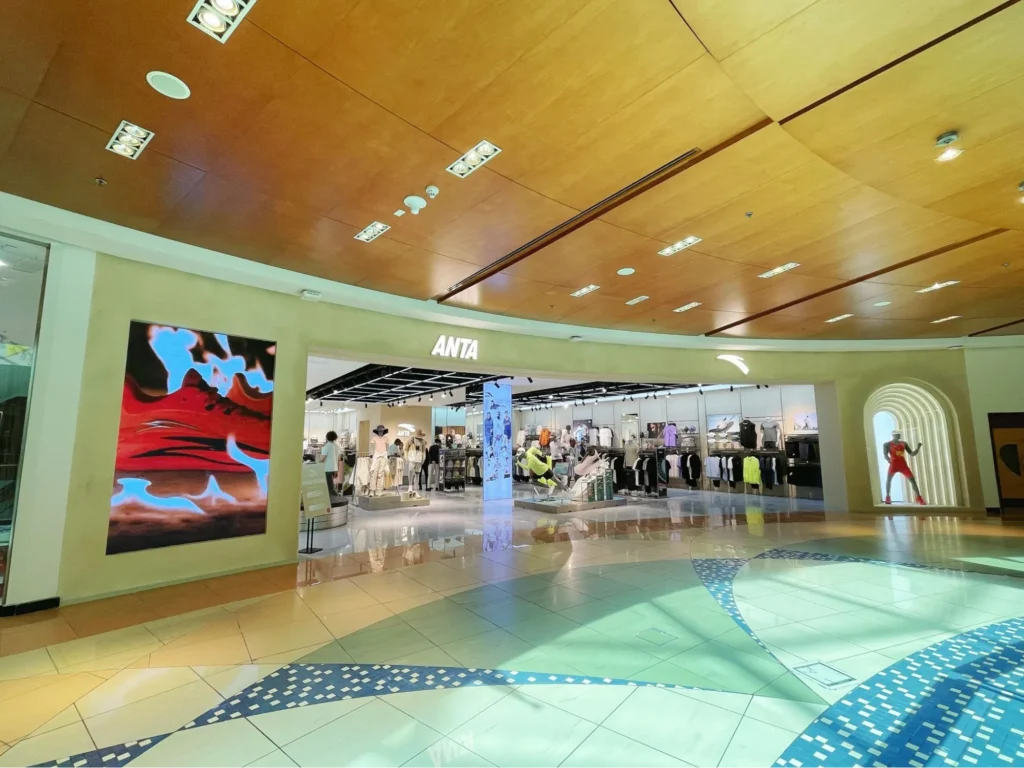
ANTA has cemented its position as China’s largest sportswear company by revenue, having overtaken Nike and Adidas in its home market. In fiscal year 2025, ANTA Sports reported total revenue of approximately US$11.14 billion, up 13.3% from the previous year. Operating profit rose 15% to approximately US$2.65 billion. The company’s estimated share of China’s sportswear market reached 21.8%.
ANTA’s multibrand portfolio includes FILA China and, through its controlling stake in Amer Sports, Arc’teryx and Salomon. DESCENTE recorded the fastest expansion, with revenue surging 59.2% to approximately US$2.36 billion.
The group launched its AI365 strategy in 2025, integrating artificial intelligence across its value chain to improve design and operational efficiency. ANTA also ranked among the top 10 apparel brands in the Kantar BrandZ Most Valuable Global Brands 2025 list.
2. Li-Ning
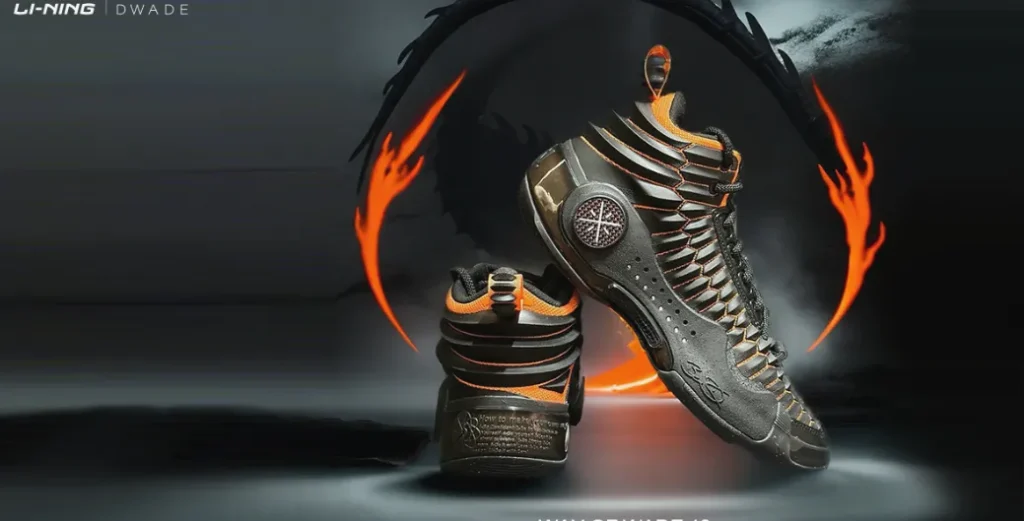
Li Ning continues to execute its “single brand, multi-category, diversified channels” strategy, with a sharp focus on professional sports. In 2025, running became Li Ning’s largest single category, accounting for 31% of omnichannel retail sell-through—its highest recorded share. Badminton revenue rose 30% year-on-year.
The brand opened the world’s first “Dragon Store” in Beijing’s Taikoo Li in December 2025, launching the Honor Gold Standard product line in collaboration with the Chinese Olympic Committee.
The store creates exclusive products around three themes: “Award Winning Time,” “Competition Time,” and “Life Time”. Li Ning’s professional running shoe sales exceeded 14 million pairs in the first half of 2025.
3. Bosideng
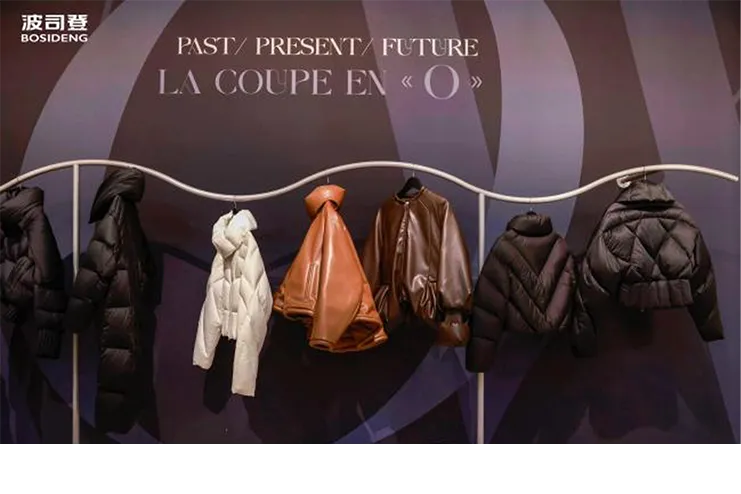
Bosideng, China’s leading down apparel brand, has evolved from a rural workshop founded in 1976 into a global luxury contender. In 2025, Bosideng joined forces with British designer Kim Jones to launch the AREAL premium line, presenting the collection at Galeries Lafayette Paris.
The brand’s FY2025/26 revenue reached approximately US$3.80 billion, up 5.6% from the previous year. The core Bosideng brand contributed approximately US$2.74 billion.
Bosideng has used AI since 2024 to overhaul its legacy design process, building an R&D model driven by AI and big data. The brand also won an ISPO Award 2025 for a bike-commuting puffer jacket that combines fashion, functionality, and sustainability.
4. Urban Revivo
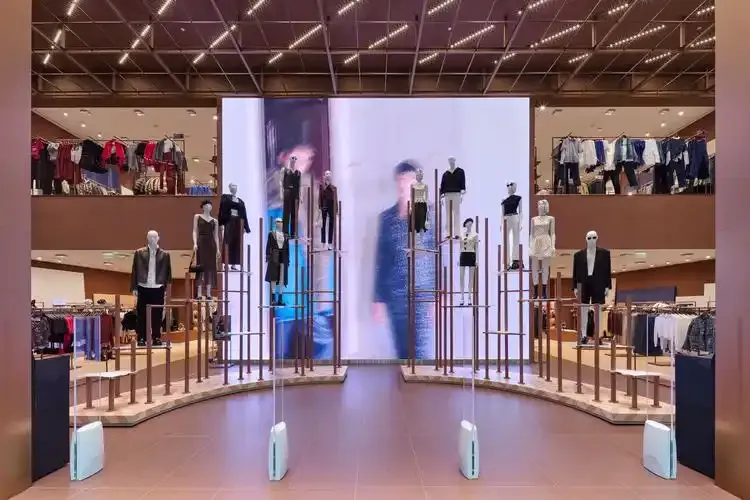
Urban Revivo, the Guangzhou fast fashion brand frequently compared to Zara, has accelerated its global expansion. In September 2025, the brand opened a nearly 2,700-square-meter store in London, its second opening in the city that year. Urban Revivo currently operates more than 400 stores worldwide and plans to open 200 additional overseas locations over the next five years.
The brand’s parent company, FMG, reported sales of approximately US$972 million in 2023 and aims to generate at least US$694 million in overseas revenue by 2030.
Urban Revivo opened a European design center in 2024 to develop products aligned with Western consumer preferences. During 2025, the brand launched locations in New York, Hong Kong, and London.
5. Songmont
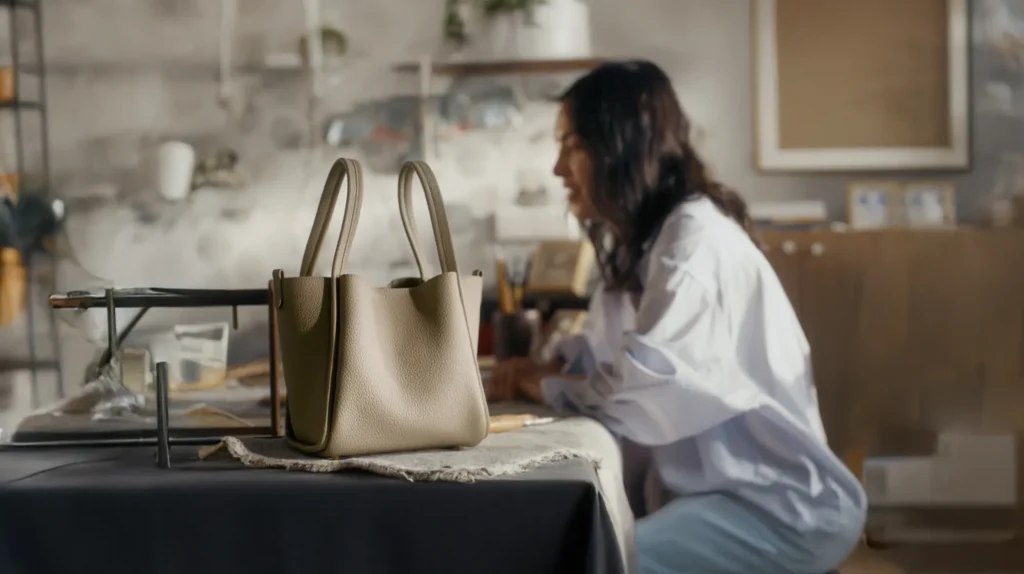
Songmont is a Beijing handbag brand founded in 2013 by Fu Song and Wang Jie. It began after Fu struggled to find a practical yet elegant work bag following maternity leave.
The label combines minimalist silhouettes, functional details and leather craftsmanship with references to Chinese architecture, nature and traditional culture.
By late 2025, Songmont had opened 18 stores, including one in Bangkok, and retained first place in Tmall’s Singles’ Day bags and accessories category. Its measured expansion has made it a rising name in accessible Chinese luxury.
6. 鄂尔多斯 (ERDOS)
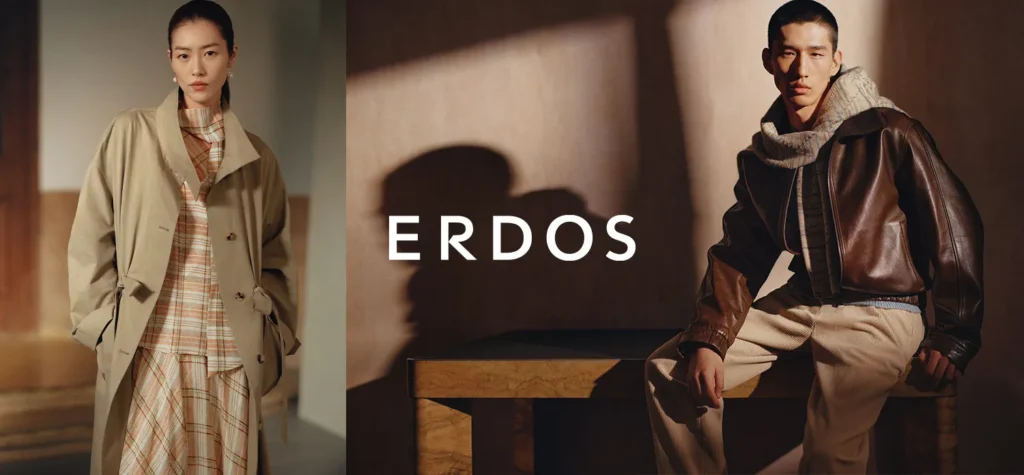
鄂尔多斯 has maintained its position as China’s most valuable textile and apparel brand for 19 consecutive years. In 2025, its brand value reached approximately US$27.12 billion. The company’s portfolio includes 1436, its ultra-luxury cashmere label, alongside ERDOS, BLUE ERDOS and 鄂尔多斯1980.
The group has integrated sustainability into its brand strategy and developed microbial dyeing technology for cashmere products. In 2024, it established the Cashmere Industry Academician Research Institute with Wuhan Textile University to advance textile innovation.
鄂尔多斯 has also incorporated Mongolian cultural elements into international designs. Its 2024 revenue reached approximately US$3.89 billion, and the brand entered Galeries Lafayette in Paris.
7. JNBY
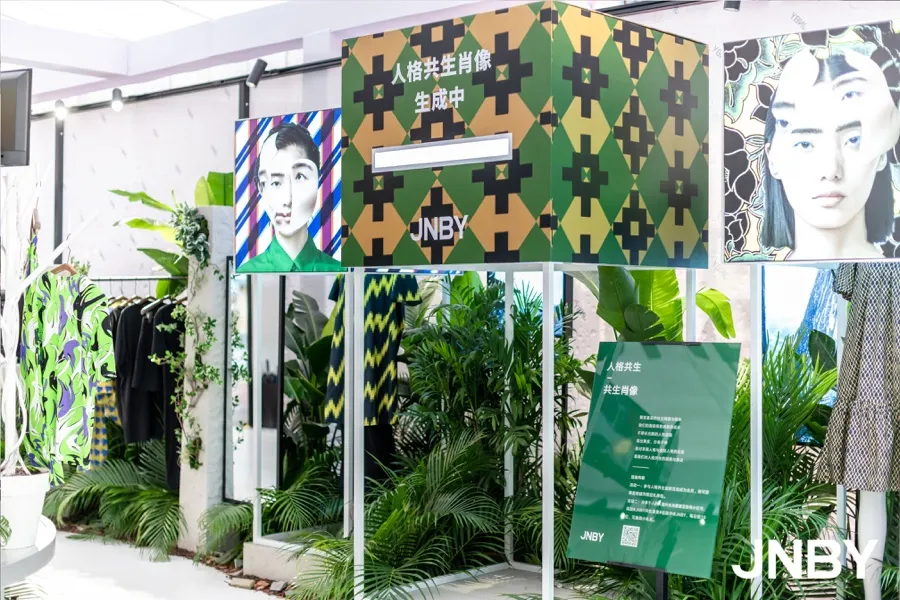
JNBY, meaning “Just Naturally Be Yourself,” is JNBY Design’s flagship womenswear label. In the first half of FY2025/26, group revenue rose 7% to approximately US$469 million, while net profit increased 11.9% to US$94 million. JNBY generated US$258 million and contributed 55.1% of revenue.
According to its latest filing, the group operated 2,163 stores by December 2025, including 992 JNBY locations. Its 2025 recycled denim collection turns production remnants into new clothing.
8. ICICLE
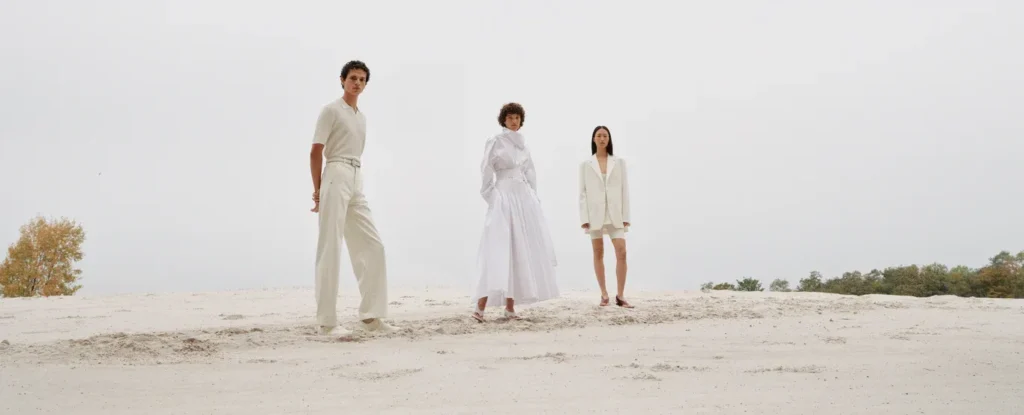
ICICLE, founded in Shanghai in 1997, has become one of the most respected premium Chinese fashion brands. The brand established its creative center in Paris in 2013 and opened its global flagship on Avenue George V in 2019. ICICLE reported turnover of €293 million in 2024 and targets 25% growth in 2025.
The brand returned to Paris Fashion Week with its spring 2026 Artisan Series, themed “Beyond the Window,” exploring the balance between transparency and freedom through China’s traditional five-color philosophy. ICICLE’s Atelier line, with core prices in the €500-900 range, exemplifies the quiet luxury segment of contemporary Chinese fashion.
9. EP YAYING
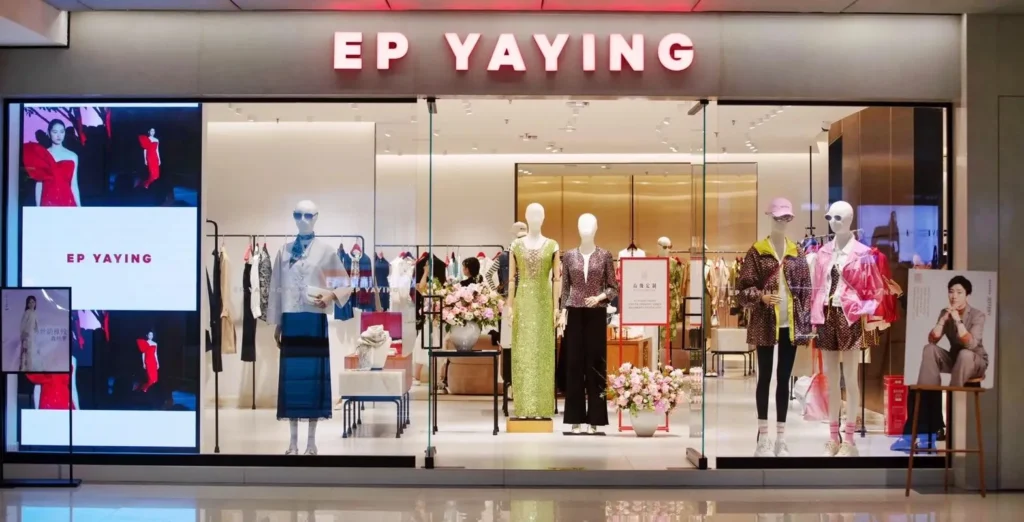
EP YAYING translates Eastern aesthetics and traditional craftsmanship into contemporary womenswear. In March 2025, it opened Shanghai Fashion Week with the “Elegance” collection, using yak wool, cashmere, Miao paper cutting and Suzhou embroidery. The brand also exhibited costumes created with the Palace Museum at its Shanghai cultural exhibition.
In March 2026, EP YAYING debuted at MODE, Shanghai Fashion Week’s trade show. Its Autumn/Winter 2026 presentation introduced international buyers to its YAYING and Blue Label collections.
10. Uooyaa
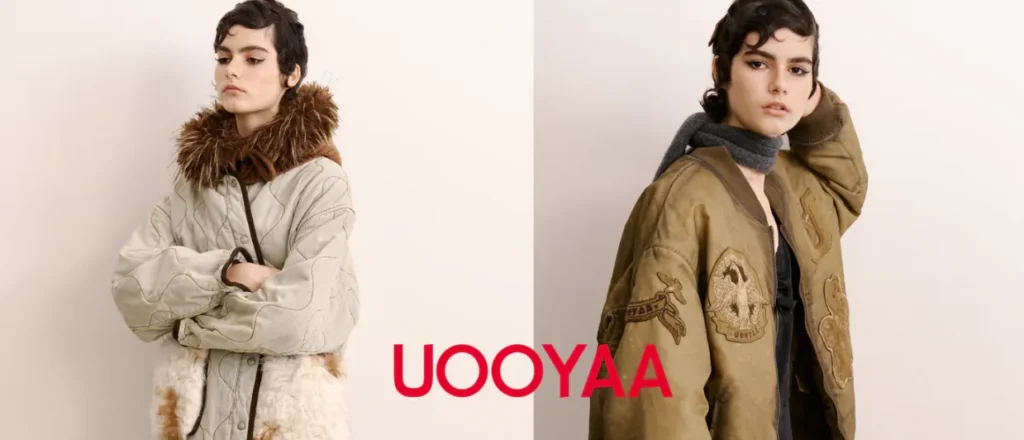
Uooyaa, founded in Shanghai in 2015 by Jinxia Yin, has built a following on playful, size-inclusive designs blending 1980s nostalgia, workwear, and retro femininity. The brand now operates more than 100 stores across China. Uooyaa’s Xiaohongshu impressions exceed 66.6 million, reflecting strong resonance with Chinese Gen Z fashion consumers.
11. Comme Moi
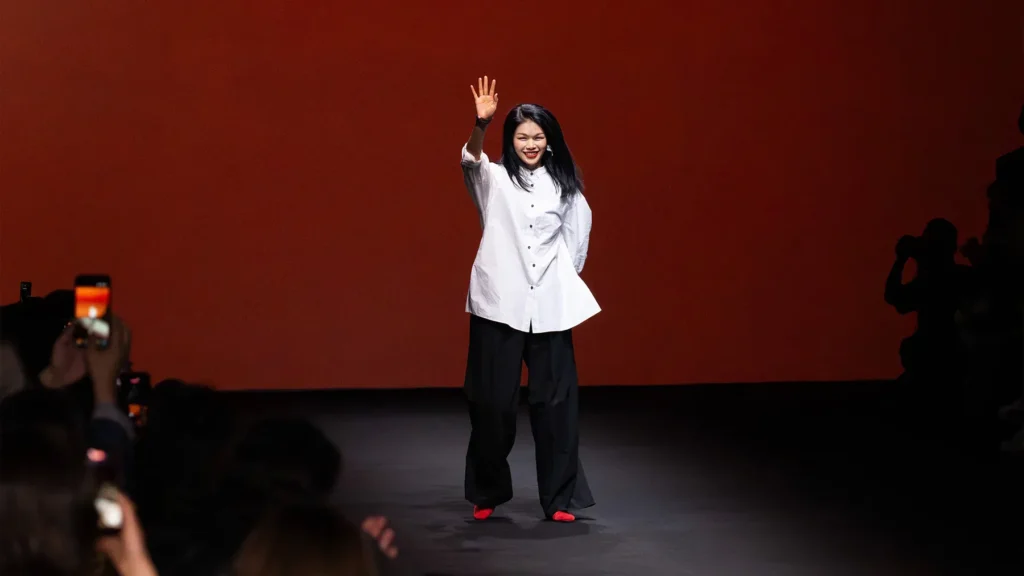
Comme Moi, founded by Chinese supermodel Lv Yan, creates contemporary womenswear with architectural tailoring, luxurious fabrics and an East-West aesthetic. The brand operates more than 30 directly managed boutiques across 19 Chinese cities.
Its Autumn/Winter 2025 Shanghai Fashion Week show reinforced its position as one of the event’s commercially established local labels. In October 2025, Comme Moi presented its Spring/Summer 2026 collection at Galerie C in Paris and held its first European wholesale event.
12. SHUSHU/TONG
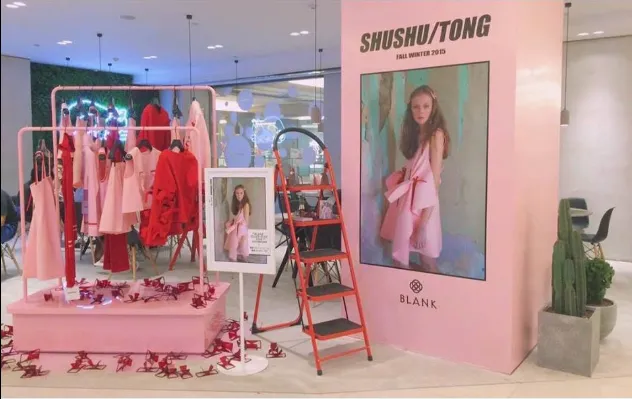
SHUSHU/TONG, led by Liushu Lei and Yutong Jiang, has built a recognizable Shanghai label through bows, florals, fitted tailoring and subversive femininity. The brand marked its tenth anniversary at Shanghai Fashion Week in October 2025, where its Spring/Summer 2026 collection explored aged cotton, leather, lace and looser silhouettes.
In 2025, SHUSHU/TONG expanded its global reach through a second ASICS collaboration. Its Fall/Winter 2026 show introduced the brand’s first sneakers and extended sizing after demand from male customers.
13. Samuel Guì Yang
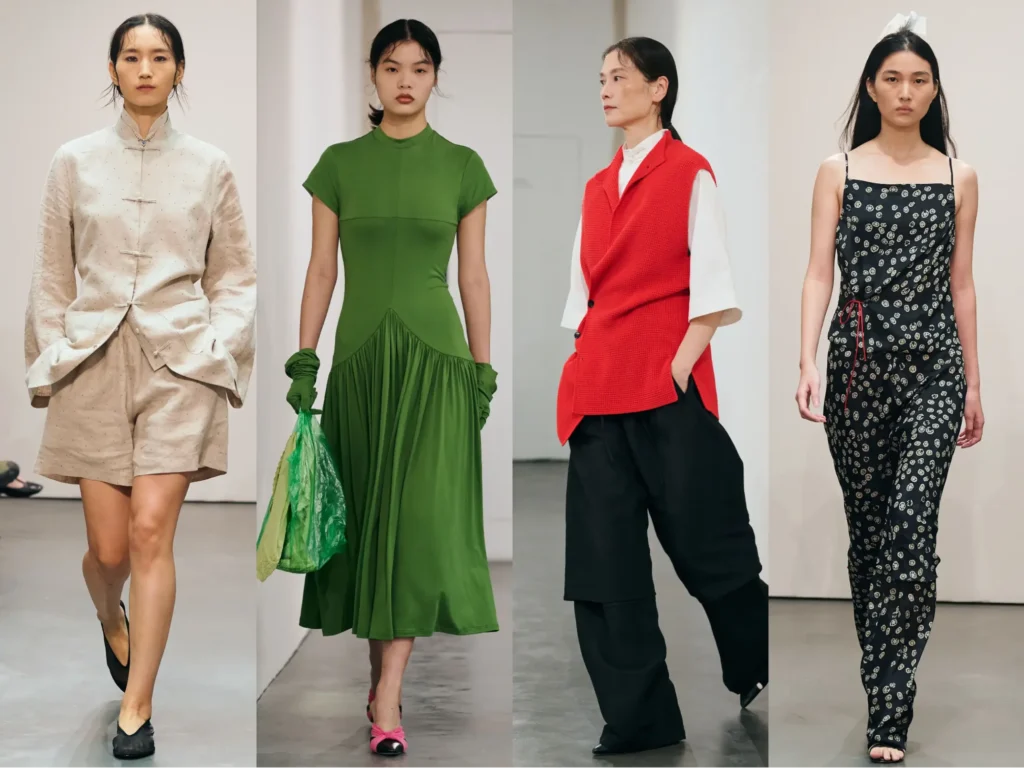
Samuel Guì Yang, founded by Samuel Guidong Yang and designed with Erik Litzén, translates Chinese dress codes through contemporary European tailoring. The label marked its tenth anniversary at Shanghai Fashion Week in October 2025, revisiting archival pieces with improved fabrics and sharper construction.
Its Fall/Winter 2026 collection expanded this New Chinese Style language through frog fastenings, stand collars, washed denim, silk qipaos, tubular quilting and Bhutanese paper accessories. Vogue has described Samuel Guì Yang as one of China’s most prominent fashion exports.
14. Feng Chen Wang
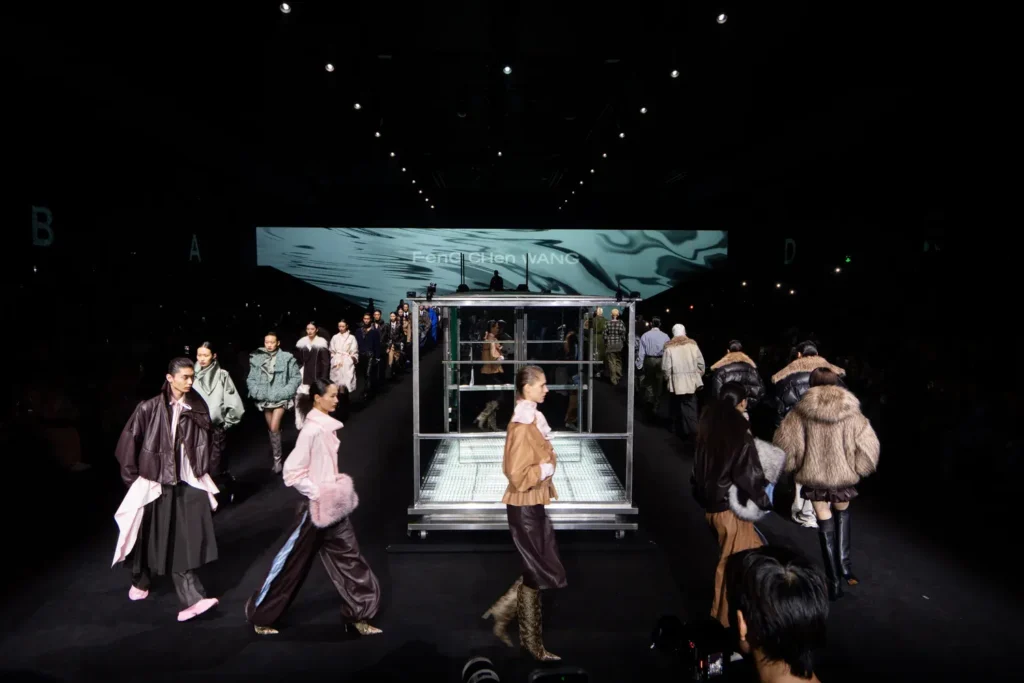
Feng Chen Wang is a London-based Chinese label known for technical deconstruction, layered tailoring and cultural storytelling. Its Fall/Winter 2026 Paris collection explored Liang Yi, a Chinese concept of balancing opposing forces, through precise suiting, distressed knitwear, animal prints and hand-treated denim.
In March 2026, the brand marked its tenth anniversary at Shanghai Fashion Week and launched its first complete womenswear line. It also released its first Barbour capsule in January 2026, connecting British outerwear with Chinese mythology.
15. Susan Fang
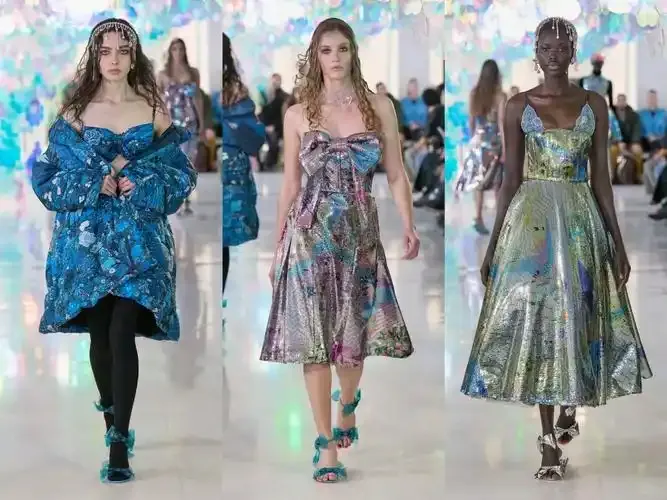
Susan Fang is a Chinese designer label recognized for airy silhouettes, intricate beadwork and material experimentation. In March 2025, the brand made its Milan Fashion Week debut with support from Dolce & Gabbana, combining paintings by Fang’s mother with denim, sequins and sculptural florals.
For Fall/Winter 2026 in Shanghai, Fang advanced her “future craft” concept through complex ribbon work and 3D-printed footwear developed with Bambu Lab. Collaborations with Melissa and CASETiFY extended her floral design language into footwear and technology accessories.
16. Angel Chen
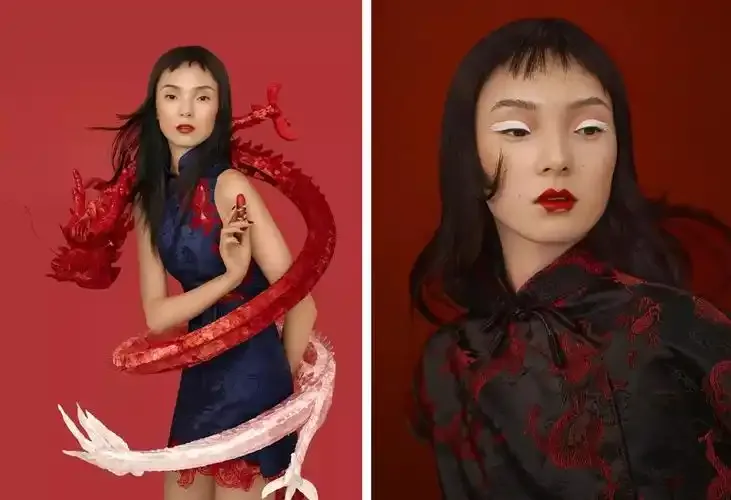
Angel Chen is a Shanghai-based Chinese designer label known for vivid color, bold proportions, and the fusion of Eastern craft with contemporary streetwear. In 2025, Chen was a finalist in the inaugural Sustasia Fashion Prize, and her competition design was exhibited during Shanghai Fashion Week.
Her Spring/Summer 2025 collection transformed excess fabric inventory into handwoven textiles produced by artisans in Anshun, Guizhou. The work strengthens Angel Chen’s New Chinese Style positioning through practical connections between heritage craftsmanship, material reuse and commercially relevant design.
17. Chen Peng
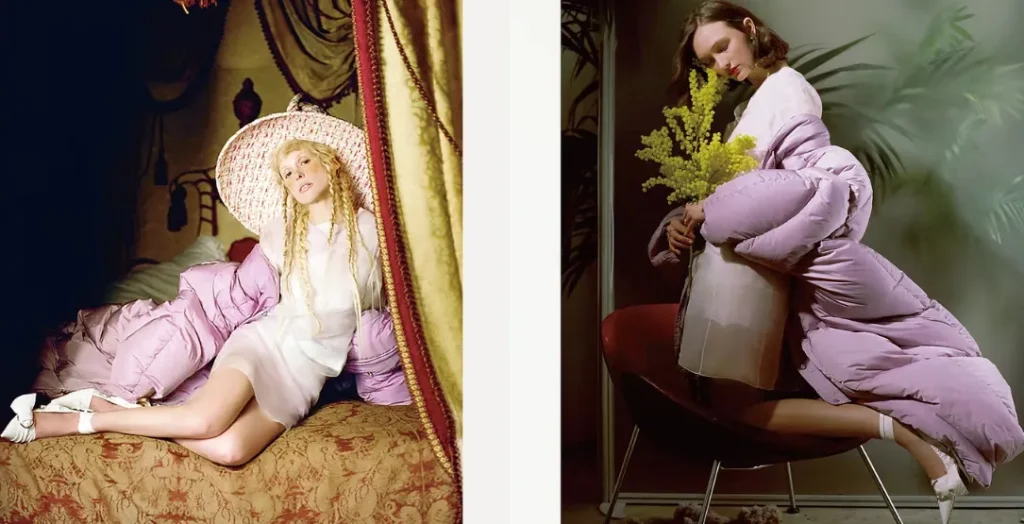
CHENPENG is a Shanghai-based unisex outerwear label built around sculptural puffer jackets and founder Peng Chen’s “one-size fashion” philosophy. WWD reports that the brand is stocked in more than 100 outlets across over 13 countries and regions.
In 2025, Chen expanded his influence as co-creative director of ANTA ICONIC and participated in the Kering and Marie Claire Fashion Our Future sustainability forum. Inclusive sizing, technical outerwear and expressive volume give CHENPENG a distinctive position within China’s premium designer market.
18. DIKENI
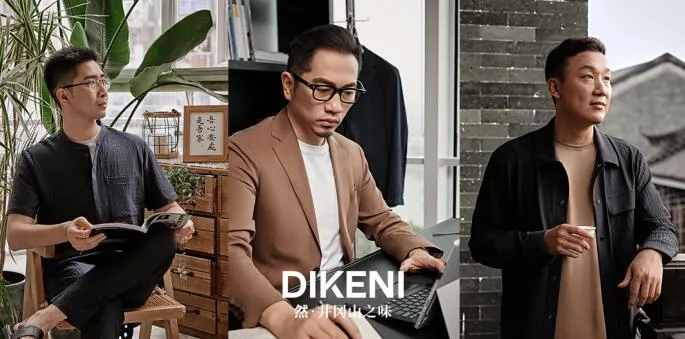
DIKENI is a Chinese business-casual menswear label positioned around modern, restrained dressing. In September 2025, it presented its Fall/Winter 2025 RONG collection at Desert Ark in Inner Mongolia, featuring modular down outerwear and OLMETEX functional fabric with a Teflon-free finish.
DIKENI also renewed its five-year partnership with the China Green Foundation. The program targets 130,000 trees and restoration of nearly two million square meters of desertified land by 2030, linking product sustainability with a measurable ecological initiative.
19. Jacques Wei
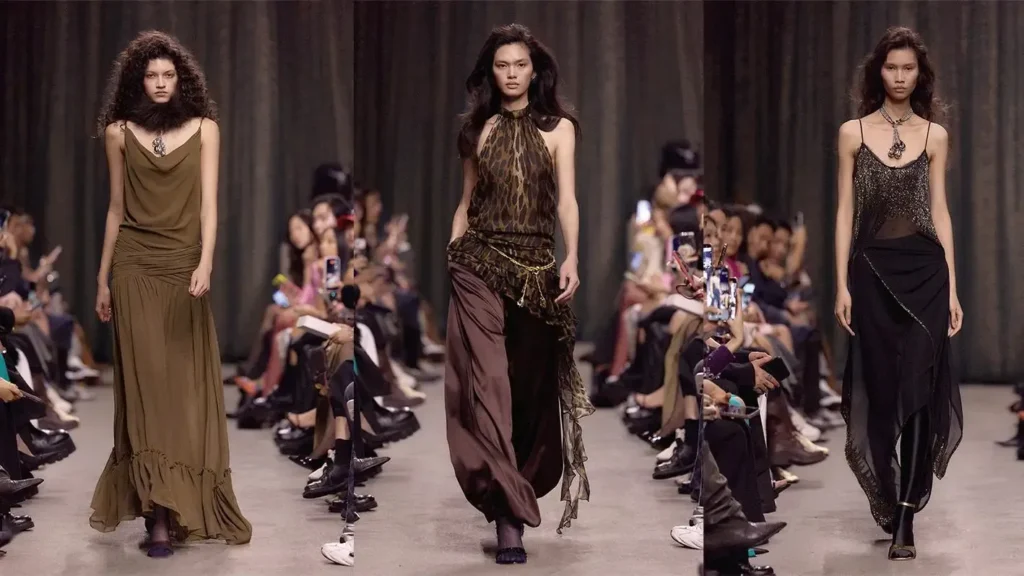
Jacques Wei is a Shanghai womenswear brand founded in 2019 by designer Wei Donghui. The label combines Western tailoring with Chinese sensibility, creating seductive clothing through clean silhouettes, animal prints, intricate beadwork, feathers and rich fabrics.
In January 2026, Jacques Wei expanded its reach through a Chinese New Year collaboration with H&M, inspired by the Year of the Horse. The brand also presented its Fall 2026 collection at Shanghai Fashion Week.
20. Oude Waag
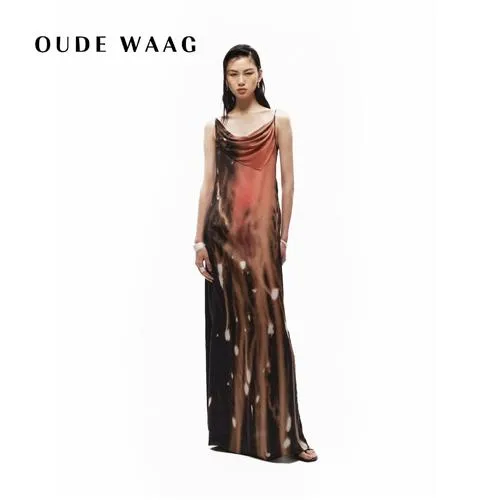
Oude Waag is a Chinese womenswear label founded in 2017 by Chengdu-born designer Jingwei Yin. Known for precise tailoring, fluid draping and innovative textiles, the brand explores the relationship between clothing, body and emotion.
Vogue reported 40% sales growth in 2025 and a network of 32 stockists. Presented at Shanghai Fashion Week, its Fall 2026 collection balanced sharp tailoring with soft silhouettes, reinforcing Oude Waag’s place in contemporary Chinese fashion.
21. AO YES
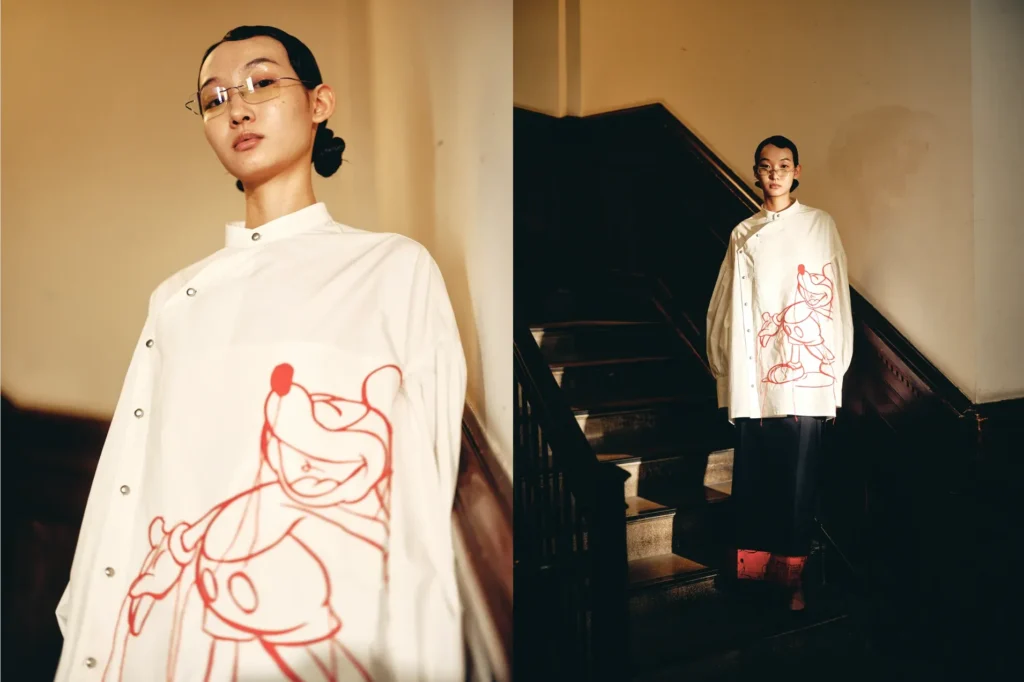
AO YES, founded by Austin Wang and Yansong Liu, translates Chinese dress codes into precise contemporary tailoring. The label began 2025 with a bestselling Zara collaboration released exclusively in mainland China. Vogue also reported that AO YES was stocked by SSENSE and 12 Chinese stores.
For Fall/Winter 2026, the designers reframed the qipao and mandarin jacket through madras, tweed, denim, subtle frogging, and orchid embroidery. This “Chinese prep” direction gives New Chinese Style a flexible product language with international relevance.
22. 8ON8
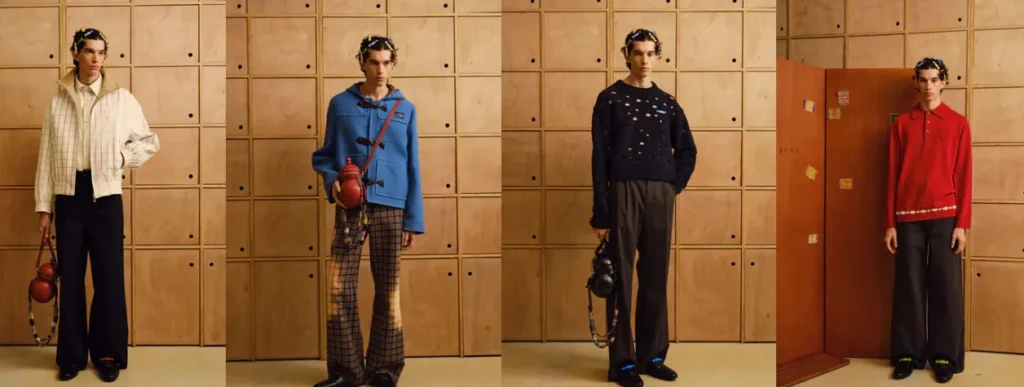
8ON8, founded by designer Li Gong, combines precise tailoring with retro athleticism and surreal, future-facing narratives. In October 2025, the London Fashion Week regular returned to Shanghai to celebrate its eighth anniversary. Its Spring/Summer 2026 collection fused suit jackets with technical windbreakers and transformed running shorts into statement pieces.
In January 2026, a limited 8ON8 x KEEN Jasper sneaker launched in two suede colorways with Pegasus appliqués. The partnership extends 8ON8’s recognizable retrofuturist language from tailoring into functional lifestyle footwear.
23. Xu Zhi
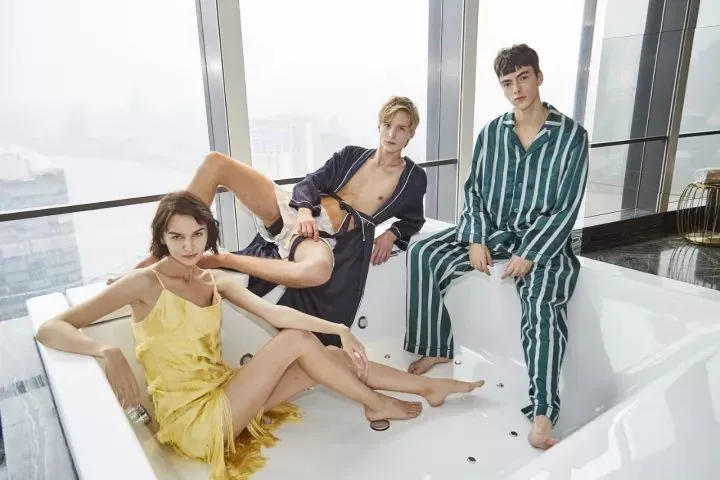
XU ZHI, founded by Central Saint Martins graduate Xuzhi Chen, is known for braided textiles, fluid silhouettes and romantic bohemianism. The label celebrated its tenth anniversary in 2025 and collaborated with Hunter through Authentic Brands Group’s Authentic Plus platform.
For Fall/Winter 2026, its Howl collection channeled counterculture through military tailoring, leopard print, fringe and hand-beaded dresses. XU ZHI also introduced lower-priced Taobao pieces to connect runway craftsmanship with accessible domestic commerce.
24. AVVENN
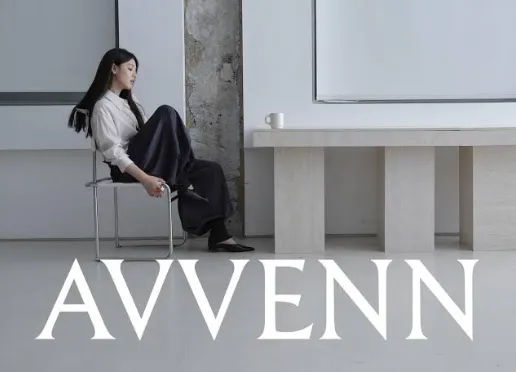
AVVENN is a Shanghai womenswear brand established in 2021. Guided by its “Art of Balance” philosophy, the label blends Eastern heritage, Western modernity and contemporary art through streamlined silhouettes, restrained palettes and avant-garde tailoring. Its Spring/Summer 2026 collection, Resilient Growth, debuted at Shanghai Fashion Week in October 2025.
Inspired by bamboo and the nüxia, a female warrior in Chinese culture, the 80-style collection expressed resilience through fluid forms, precise construction and contrasting materials. AVVENN also presented the collection through a Paris showroom.
25. Shuting Qiu
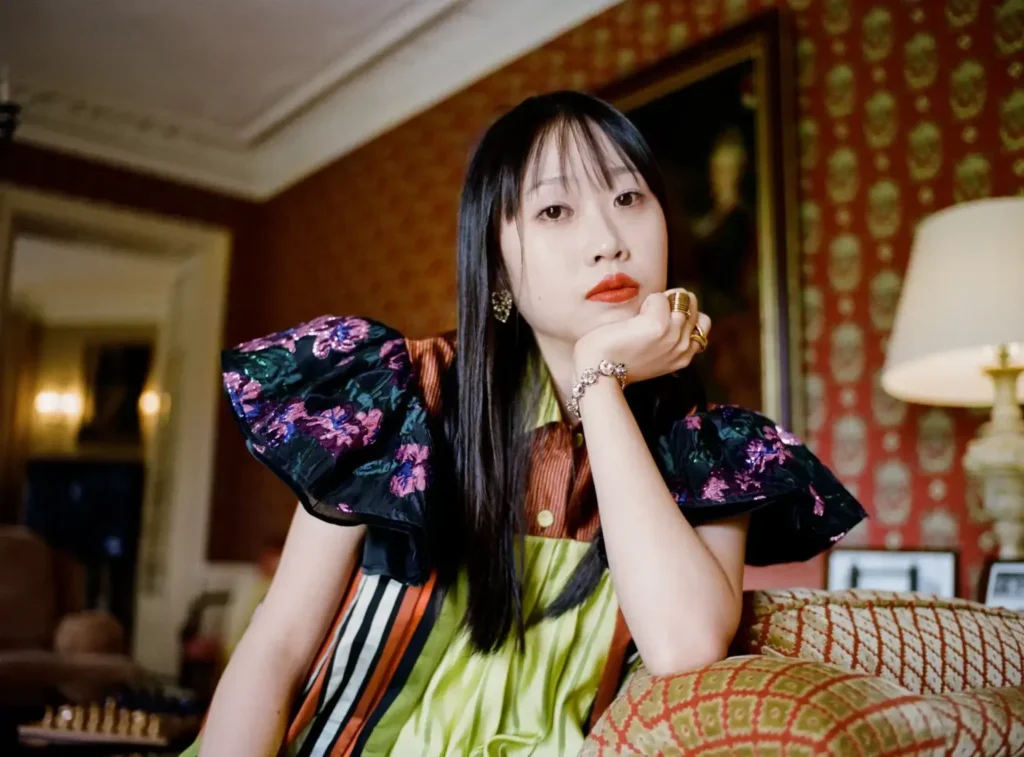
Shuting Qiu is a Shanghai fashion label founded in 2017 by Hangzhou-born designer Shuting Qiu, a Royal Academy of Fine Arts Antwerp graduate. The brand is recognized for bold florals, vivid colors, intricate embroidery, and layered silhouettes that frame softness as feminine strength.
Its Spring 2026 collection, Tender Rebellion, combined Tang Dynasty inspiration with Chinese beadwork and crochet bags made from leftover yarn. For Fall 2026, Qiu reworked classic tailoring through Hangzhou silk, distorted proportions and surreal details.
What Global Companies Can Learn from Chinese Fashion
For fashion brands in China, a clear product identity now matters more than an oversized catalog. Shanghai showrooms encouraged designers to reduce SKUs in 2025 so buyers could understand each brand’s design philosophy faster.
A successful Chinese clothing brand also connects discovery, conversion and physical experience. RedNote supports search and social proof. Tmall and Taobao provide structured retail. Douyin connects entertainment with transactions. Flagships, exhibitions and pop-ups give premium labels cultural depth.
Brand globalization now follows several routes. ANTA uses investment and portfolio management. Urban Revivo builds international stores. ICICLE combines Chinese scale with Parisian design and retail. Independent fashion brands from China use showrooms, K-pop visibility and Asian stockists before entering more expensive Western markets.
Together, these Chinese fashion brands show that cultural storytelling works best when product, price, distribution and service support the same idea.
Translate China’s Fashion Momentum Into Brand Strategy
The rise of Chinese fashion brands reveals how cultural confidence, product innovation and digital commerce are reshaping consumer expectations. Ashley Dudarenok helps global businesses interpret these shifts and apply the strongest lessons to retail, customer experience and China market strategy.
Her tailored keynotes, workshops and advisory sessions turn complex developments into clear commercial priorities. Book a consultation with Ashley to sharpen your next move in China.
FAQs
What are the most popular fashion brands in China?
ANTA and Li-Ning lead sportswear visibility, while Bosideng, Urban Revivo, JNBY and ICICLE hold strong positions in their categories. Popularity changes by city, age group, price tier and platform, so no single national ranking fits every shopper.
What defines Chinese fashion brands?
Brand origin, ownership, creative leadership and operating base all matter. A garment manufactured in China for a foreign label does not become Chinese fashion. A Chinese-founded label may still design, sell or incorporate internationally.
Where can shoppers buy Chinese designer brands outside China?
Look at official brand stores, international stockists listed by the label, major luxury ecommerce platforms and verified pop-ups. Check duties, returns and authorized-retailer status before ordering, since distribution varies sharply between brands and markets.
Do Chinese clothing brands use smaller sizes?
Some labels grade around Asian customer data, but sizing is not consistent across the market. Compare garment measurements with clothing you own, read fit notes and check return rules instead of relying only on S, M or L.
Are there luxury fashion brands from China?
Yes. ICICLE represents understated premium fashion, Bosideng’s AREAL moves technical outerwear upward, and labels such as Samuel Guì Yang occupy designer price tiers. Luxury status depends on craft, scarcity, distribution, service, and sustained brand equity.
What is the difference between Guochao and New Chinese Style?
Guochao broadly celebrates domestic brands and cultural confidence. New Chinese Style, or Xin Zhong Shi, refers more closely to contemporary clothing that reworks Chinese silhouettes, fastenings, textiles or visual codes through a modern design language.
Are Chinese apparel brands becoming more sustainable?
Progress is uneven. ICICLE foregrounds natural materials, JNBY has tested plant-based faux fur, and SHEIN publishes supply-chain programs. Buyers should examine audited targets, material traceability, labor practices and absolute emissions rather than accepting campaign language.
How does RedNote influence China fashion brands?
RedNote helps shoppers discover styling ideas, reviews, emerging labels and KOL recommendations before purchase. Brands use it to test visual narratives and seed demand, while Tmall, Taobao, Douyin and physical stores may complete the transaction.
Do Chinese clothes brands ship internationally?
Many do, though coverage differs. Urban Revivo, SHEIN, ANTA and several independent labels sell abroad through direct stores, ecommerce or stockists. Confirm shipping markets, taxes, customs charges, return locations and product authenticity before buying.
How should global companies work with designer brands from China?
Start with shared creative relevance, clear intellectual property terms and local decision authority. Strong collaborations respect the designer’s language, provide production and distribution support, and set commercial measures beyond short-lived social attention.