
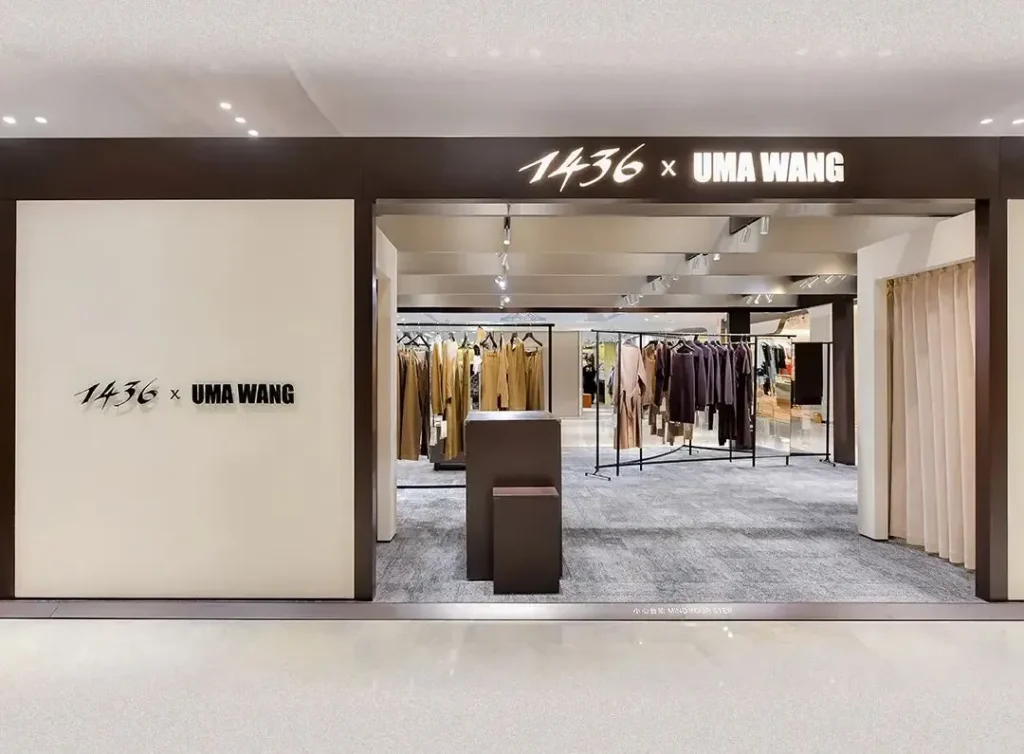
China’s luxury market has entered a more selective phase. Bain reported that mainland China’s personal luxury market contracted 3 to 5 percent in 2025, with modest and uneven growth expected in 2026. McKinsey’s 2026 research found that emotional connection now carries more weight in luxury desirability than conventional markers such as status and heritage.
That context makes Uma Wang highly relevant. The Chinese fashion designer has built an international label around a distinct creative language rather than conspicuous branding. Her path shows how Chinese designer brands can earn global recognition through consistency, textile knowledge, cultural confidence and disciplined international expansion.
How Uma Wang Built Her Fashion Brand
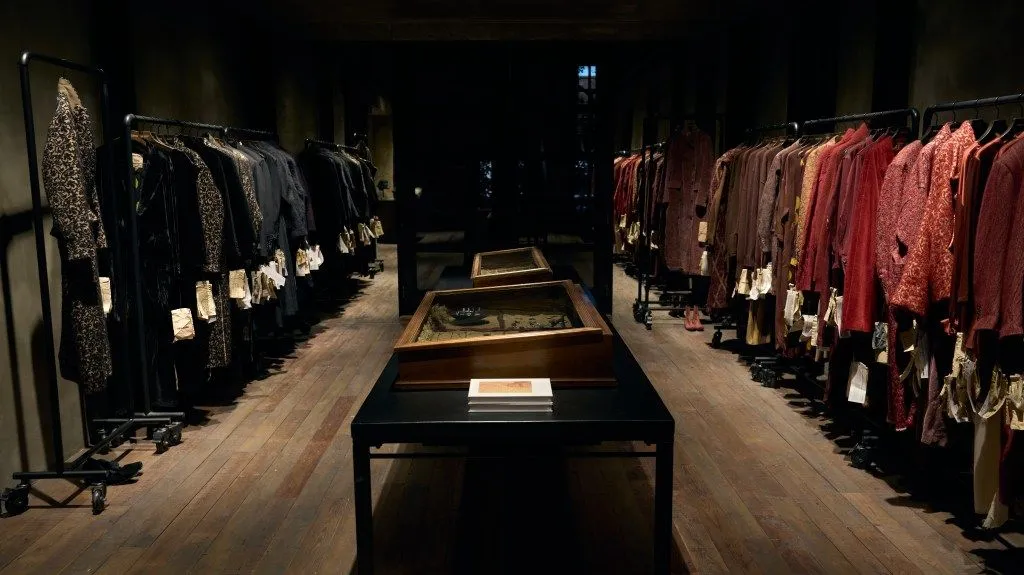
Wang Zhi trained at Donghua University in Shanghai and Central Saint Martins in London before establishing her label in 2009. This education connected Shanghai’s textile and manufacturing capabilities with London’s experimental design culture.
The Fédération de la Haute Couture et de la Mode identifies Wang as the first Chinese designer to be included in the official Milan Fashion Week calendar. She joined the official Paris Fashion Week schedule in 2017. Her current brand profile also states that the label has a presence in more than 30 countries.
These milestones matter because participation in fashion week provides access to buyers, editors, stylists, and global retail partners. The label used that access to establish a recognizable design identity before expanding its product range. This sequence helped Uma Wang clothing retain coherence across markets.
The Uma Wang Design Philosophy
Textile Experimentation Comes First
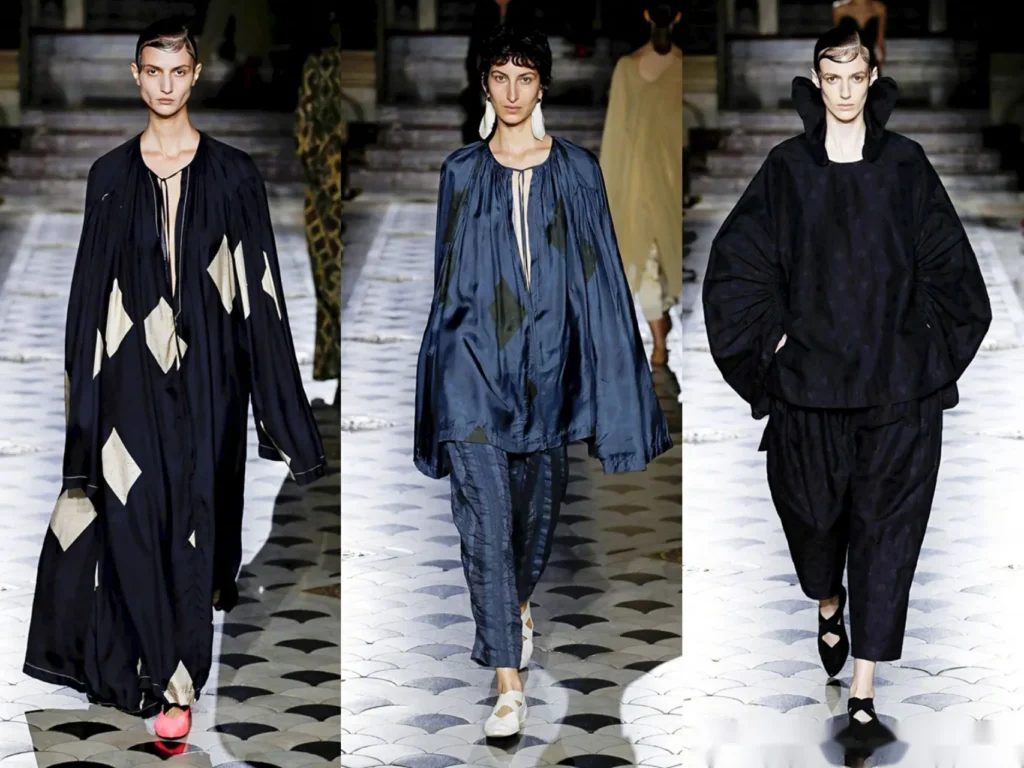
Fabric is central to the label’s identity. Wang works with washed wool, cashmere, damask, jacquard, silk-like viscose, brocade, and treated surfaces that appear aged or weathered.
Vogue’s review of the Fall 2025 collection highlighted double-faced cashmere, premium damask, tea-stained treatments and embroidery split by hand to produce frayed surfaces. Earthy neutrals connected the collection’s contrasting proportions.
This textile experimentation gives Uma Wang dresses and coats visual depth without relying on prominent logos. Raw edges, distressed fabrics, and irregular finishes become recognizable brand codes. They communicate craftsmanship through touch, movement, and close inspection.
Volume, Layering, and Controlled Imperfection
Wang’s silhouettes shift between oversized pieces and softer ones that follow the body. Her vocabulary includes curved trousers, sculpted shoulders, long layered dresses, robe-like outerwear, and deconstructed tailoring.
The Fall 2025 collection used padded skirts, hourglass coats, and tailoring cut far larger than the wearer. Spring 2026 reduced some of that volume and placed greater emphasis on relaxed cuts, softness and fluid movement.
This development keeps the brand recognizable without tying it to a single silhouette. The muted color palettes and artisanal textiles remain consistent while proportions change from season to season.
What the 2025 and 2026 Collections Reveal
Women’s Wear Becomes More Architectural
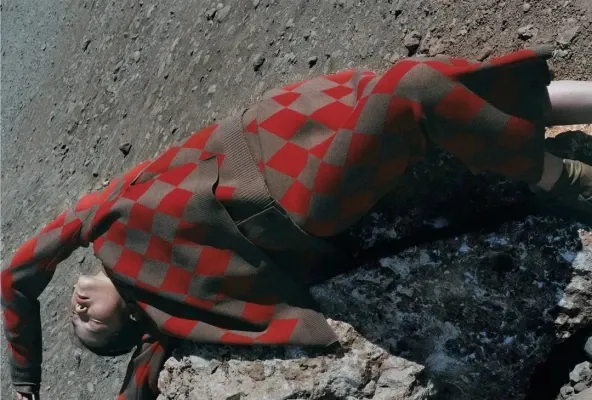
Fall 2026 drew from the architecture and atmosphere of Verona’s Roman arena. Wang translated its stone surfaces, corridors, and curves into strong-shouldered jackets, folded fabrics and layered brocades.
The collection included a glossy cropped Uma Wang jacket, a sleeveless velvet top, a cream column dress, and sculpted garments in Rosso di Verona red.
Current Fall 2026 coverage documents velvet tops rather than a specifically named velvet coat, so shoppers should check seasonal descriptions carefully.
Uma Wang Menswear Connects Shanghai and Italy
Fall 2026 Uma Wang menswear looked to 1930s Shanghai, a period shaped by interaction between Chinese traditions and Western modernity. Wang combined double-breasted tailoring, chalk stripes and sailor forms with pankou fastenings, round-neck shirts and qipao-influenced jackets.
Vogue reported that the collection was designed in Shanghai and made in Italy. Washed wool, cashmere mixes, and deliberately worn edges softened its formal references.
Spring 2027 continued this direction through imperfect creases and relaxed dressing inspired by photographer Peter Beard.
From the Uma Wang Dress to a Wider Product System
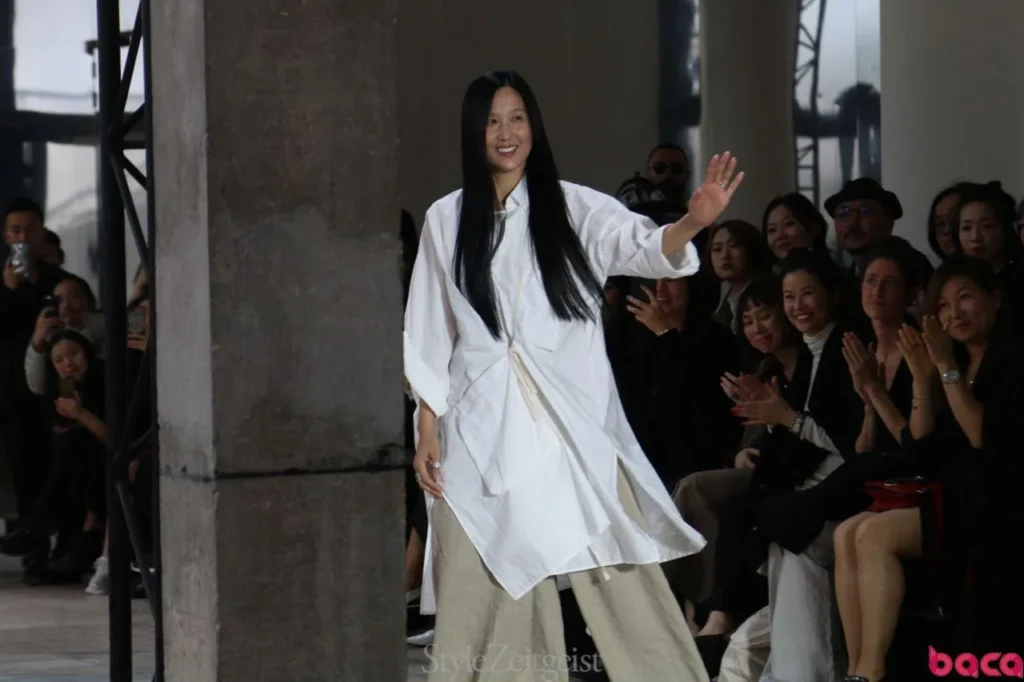
Clothing Remains the Creative Anchor
The commercial range now extends across dresses, coats, tailoring, trousers, knitwear, and accessories. Current global retail listings include a shoulder Uma Wang bag, asymmetric jackets, and waistcoats that serve search demand for an Uma Wang vest.
Each category retains the same material-led identity. This continuity allows category expansion without weakening the fashion brand identity.
Uma Wang Shoes Have Become a Recognizable Category
The footwear range covers leather pumps, mules, sneakers, loafers, sandals, and Uma Wang boots. Uma Wang ballet shoes have gained particular visibility through square toes, cross-straps, gathered leather, and asymmetric forms.
Current retailers carry numerous variations of Uma Wang shoes, from ballerina flats to zip-up ankle boots. The ballet silhouette works commercially because it translates the brand’s soft structure and controlled irregularity into a product that can be worn beyond a complete runway look.
Rigards Uma Wang Extends the Brand Into Eyewear
The collaboration with natural-eyewear specialist Rigards brings the same artisanal approach to Uma Wang glasses and Uma Wang sunglasses. The natural materials and handcrafted processes produce small variations in each frame’s color and finish.
The 2025 Rigards collection included a collaborative model with the designer. This partnership fits the label because texture, irregularity, and material character remain central to the product.
How Uma Wang Expanded Internationally
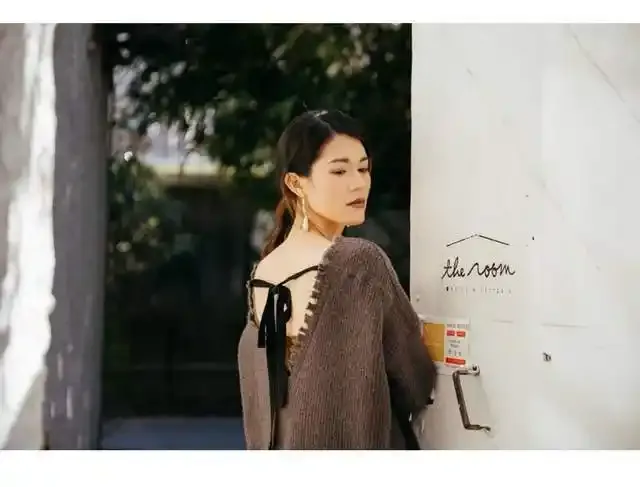
The brand combines fashion-week visibility, Italian production relationships, global wholesale, and controlled physical retail. Its current store directory lists locations across Shanghai, Beijing, Chengdu, Wuhan, Shenzhen, Nanjing, Taiyuan, and Aranya, plus a store in Milan.
This structure gives the label a strong Chinese retail base and a physical bridge into Europe. International digital retailers extend access without requiring a large owned-store network in every market.
Geographic diversity also carries strategic value. Vogue Business reported in 2025 that some independent Chinese designers faced reduced US retail orders amid tariff uncertainty and were reconsidering sourcing or growth markets.
What Global Brands Can Learn From Uma Wang
Build Recognition Through Product Codes
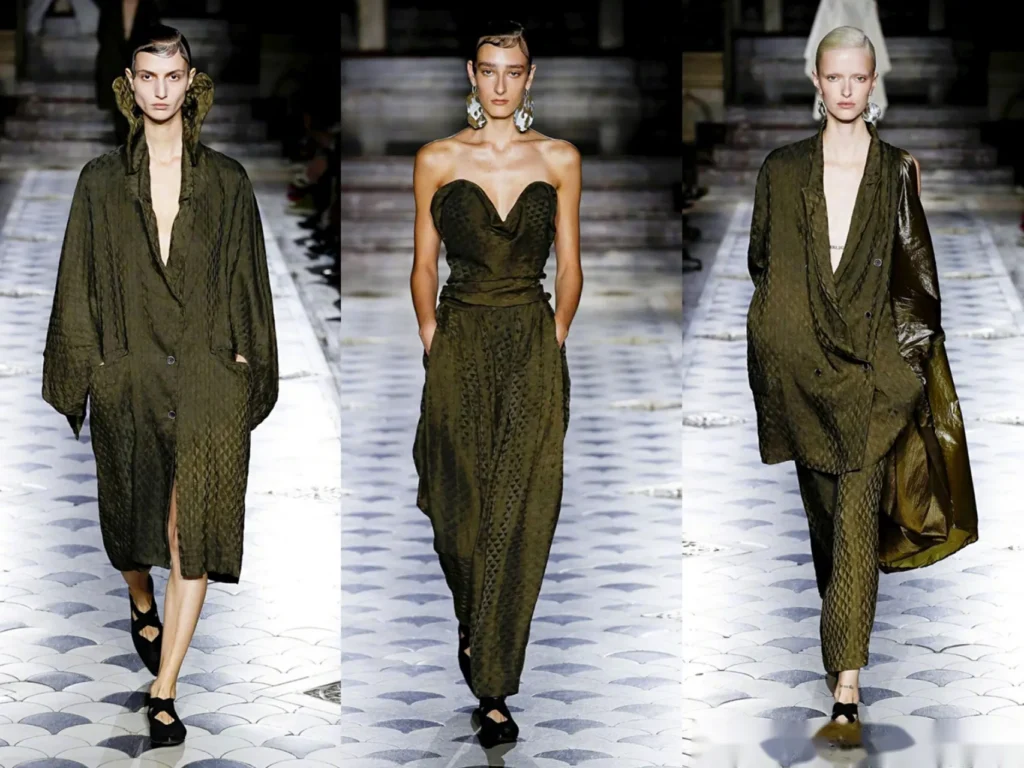
Wang’s muted colors, layered silhouettes, treated textiles and relaxed tailoring create recognition without heavy logo use. Consistent product codes can become valuable assets when customers seek insider recognition and personal relevance.
Express Culture Through Construction
Fall 2026 menswear referenced Shanghai through pankou closures, qipao construction and the interaction between Chinese and Western tailoring. Cultural identity became part of the garment rather than a temporary campaign theme.
Expand Categories With Discipline
Dresses, footwear, menswear, and eyewear share the same tactile design language. This gives each category a credible connection to the core brand.
The label’s artisanal appearance also invites associations with quiet luxury, slow fashion and sustainable fashion. Brands should treat those concepts carefully. Natural fabrics, timeless styling, and handcrafted finishes can support longer use, but verified sustainability requires disclosures of sourcing, production, and impact.
Turn Chinese Fashion Signals Into Strategy With Ashley Dudarenok
Uma Wang shows how a Chinese brand can build international recognition while retaining a distinct creative identity. Similar shifts are taking place across China’s fashion, luxury and retail sectors.
Ashley Dudarenok explores these developments through China-focused keynotes, workshops, and executive briefings.
As the founder of Alarice and ChoZan, she provides strategic guidance on market entry, digital transformation, and brand positioning in China. Her work has been featured in Forbes, and she has advised Fortune 500 companies navigating the unique dynamics of Chinese consumer culture.
Book a consultation with Ashley Dudarenok to translate these signals into clear decisions for your category and market.
FAQs About Uma Wang
Where is Uma Wang clothing designed and made?
Uma Wang clothing comes from a Shanghai-rooted creative practice. Vogue reported that the Fall 2026 menswear collection was designed in Shanghai and made in Italy, while the official store network remains concentrated mainly across Chinese cities.
Where can you buy Uma Wang internationally?
Current buyers can check the brand’s official stores in Shanghai, Beijing, Chengdu, Wuhan, Shenzhen, Nanjing, Taiyuan, Aranya and Milan. Luxury platforms and independent boutiques also carry seasonal pieces, though selection and sizing vary.
How much does an Uma Wang dress cost?
Pricing varies by material, construction and retailer. Current Farfetch listings place dresses around US$900 to more than US$2,000, while many shoes sit above US$800. Sale prices can differ sharply from the original retail price.
How does Uma Wang sizing run?
Uma Wang uses oversized forms in many collections, but fit changes by garment. Check measurements for shoulders, chest, waist and length. For sculptural coats or trousers, compare flat measurements with a well-fitting piece.
Are Uma Wang ballet shoes comfortable?
Uma Wang ballet shoes appear in square-toe, cross-strap, gathered and asymmetric forms. Materials vary by season. Review each product page closely because the shape, sole structure and leather finish can affect individual comfort.
How can you tell if Uma Wang clothing is authentic?
Check the seller’s reputation, product labels, construction details, packaging and proof of purchase. Compare the item with official runway or retailer imagery. Large discounts, inconsistent typography and vague provenance deserve closer scrutiny.
How should you care for an Uma Wang coat or dress?
Follow the sewn-in care label and use a specialist cleaner for delicate brocades, cashmere, silk, velvet or distressed finishes. Avoid treating raw edges as damage. Store structured pieces with enough space to protect their shape.
Who makes Uma Wang glasses and sunglasses?
Rigards Uma Wang eyewear combines the designer’s visual language with Rigards’ handcraft and natural-material focus. The official collaboration notes that material variations can make each frame’s color and finish slightly different.
Is Uma Wang a sustainable fashion brand?
An artisanal look, natural fabrics and timeless styling can support long wear, but they do not verify a sustainable business model. Assess fiber sourcing, production disclosures, repair options and impact reporting before making sustainability claims.
What fabrics does Uma Wang use?
The brand is known for using natural fabrics like cashmere, silk, and linen. A signature is creating distressed fabrics and unique textures that feel organic and timeworn