
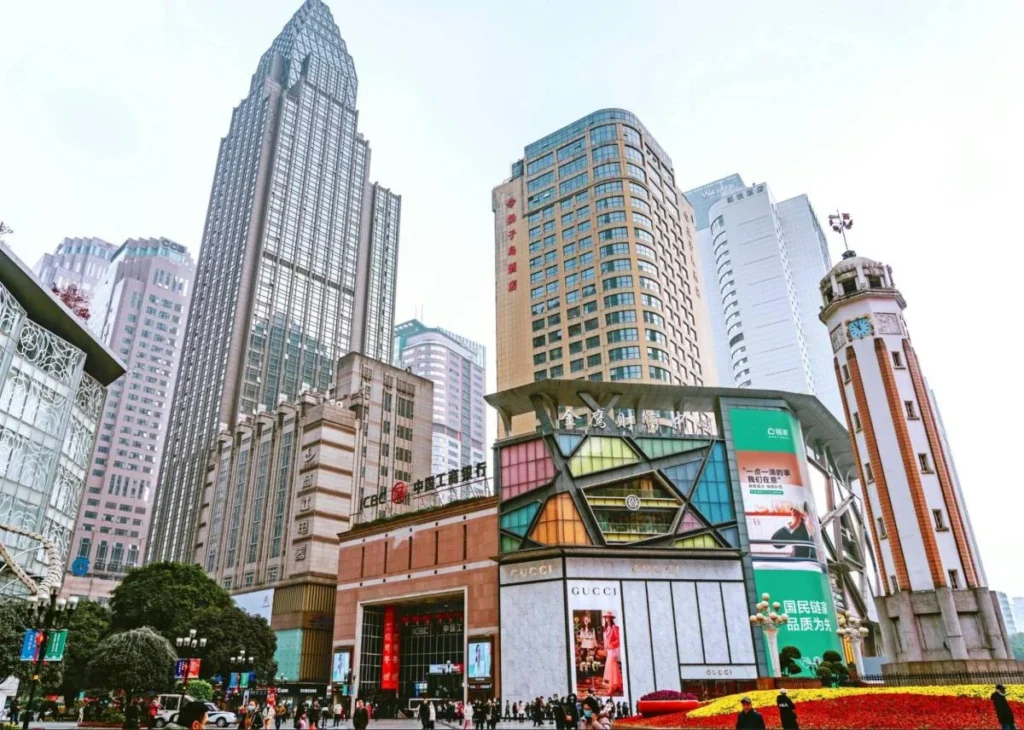
China has moved past the stage where brands could treat stores, apps, content, and service as separate pieces of commerce. In our latest Chinese consumer trends report, the message is clear. Consumers now expect one connected journey that feels relevant in the moment and consistent from first discovery to final follow-up.
That is why phygital retail matters so much in China right now. The winning brands are no longer thinking in channels. They are thinking in context, mood, memory, and flow.
For years, many retailers focused on spectacle. A beautiful pop-up, a photo-friendly store corner, a limited event, a clever social activation. Those tactics still attract attention, but attention alone is no longer enough.
Consumers want a journey that holds together. They want the same brand story to travel across screens, stores, service, and community. In China, phygital retail has become a form of journey design built around emotional continuity, seamless commerce, and connected touchpoints.
OMO (Online-Merge-Offline) Blend: Immersive Contextual Consumption
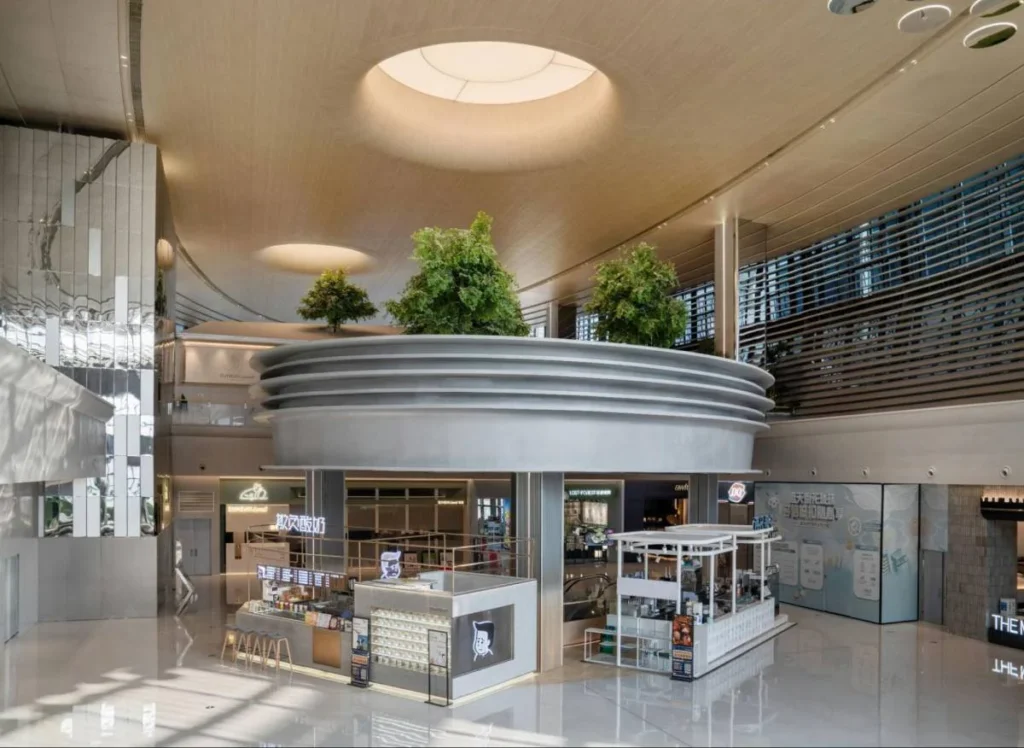
Phygital retail in China now starts with journey continuity. The real shift is simple. Consumers do not think in terms of online versus offline. They move through the day, open an app, watch content, save a product, visit a store, ask a question, buy later, return for advice, and share the experience with friends. The brand experience has to travel with them.
That is where China stands apart. The market already has the digital habits, payment infrastructure, platform behavior, and OMO maturity to support this kind of movement at scale.
So the conversation has moved beyond basic omnichannel retail. It is now about journey continuity. It is about building OMO journeys that feel coherent from discovery to purchase and from purchase to relationship.
This matters because consumers reward brands that remove friction without draining emotion from the experience. A shopper may discover a product on Douyin, save it on WeChat, test it in store, receive tailored advice after the visit, and reorder through a mini program. That path should feel natural. It should not feel like a reset at every touchpoint.
Seamlessness Matters When It Still Feels Human
The most effective brands now treat the store as an interface instead of a simple shelf. The store becomes a live part of a larger system. Staff know what drew the customer in.
Digital content prepares the visit. Service continues after the visit. This is where phygital commerce becomes commercially powerful. It supports convenience, but it also supports confidence.
Immersive Retail Works Best When It Feels Personal in the Moment
Chinese brands are moving into what experts call a more mature form of immersive retail. The goal is to use digital tools to deepen relevance, atmosphere, and participation in a way that feels natural to the shopper.
This is why the strongest immersive retail experience does not feel gimmicky. AR mirrors, interactive displays, sound, lighting, hospitality, live demonstrations, and themed participation all have a role.
What matters is how well they fit the emotional state of the customer. A luxury setting may lean into calm, care, and intimacy. A beauty environment may guide trial, consultation, and routine building. A lifestyle activation may create excitement, collectability, and social sharing.
In that sense, China’s best execution is context-aware retail. It reads the situation well. It knows when to entertain, when to inform, and when to simplify. The digital layer should help the shopper feel seen. It should never feel like noise.
Context Matters More Than Flash
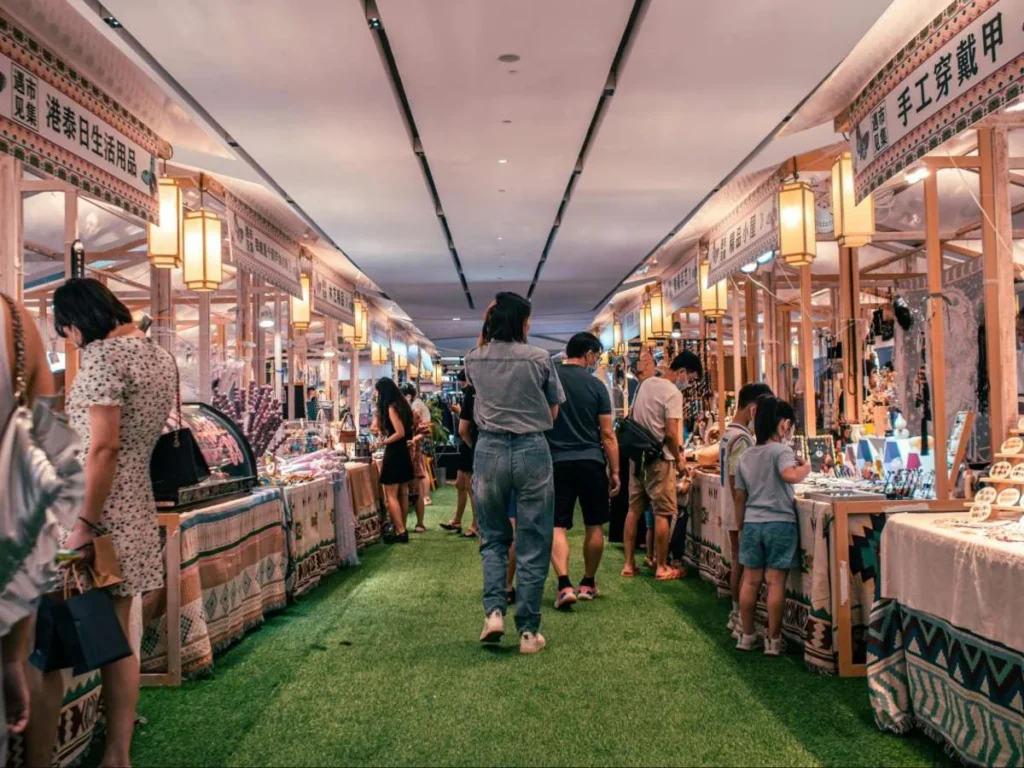
This also explains why the old idea of a flashy phygital store is too limited now. A store can look impressive and still fail if the experience ends when the customer walks out. What matters now is digital physical integration across the full journey. The physical moment is important, but it is only one chapter.
When retailers get this right, they create immersive touchpoints that carry emotional weight. People remember how a space made them feel. They remember how easy it was to move from curiosity to action. They remember the sense that the brand understood the occasion. That is what turns store traffic into relationship momentum.
The Sale Is Only One Moment in a Much Larger Experience
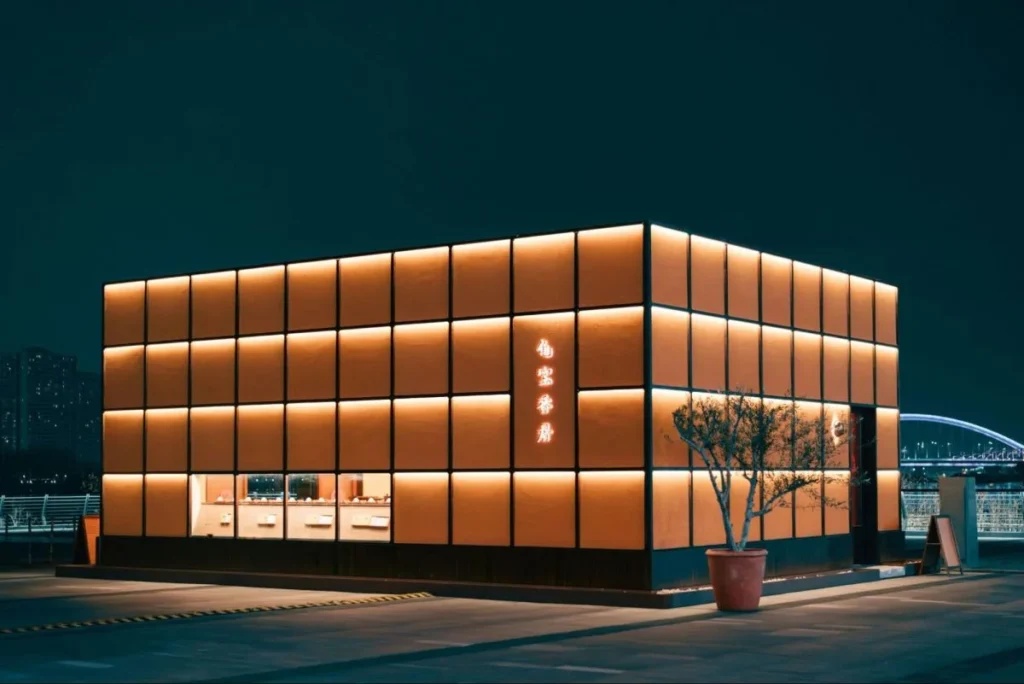
OMO should sustain an emotional narrative across platforms. That is a big step forward from standard omnichannel retailing language, which often stays focused on logistics. In China, the deeper opportunity lies in what happens after the visit.
A beauty consultation can continue through personalized skincare prompts. A fashion event can live on through social content, private community access, and future recommendations.
A themed activation can spark digital collectibles, badges, or shared memories that keep the brand present long after the event ends. This is where the app to store flow matters. So does the store to app flow. The direction matters less than the continuity.
Afterglow Extends the Experience
Brands that understand this build for afterglow. They do not treat follow-up as a generic sales push. They use it to reinforce the feeling created during the live experience. That may come through tailored content, gentle reminders, member benefits, or relevant invitations that make sense for the customer’s stage in the journey.
This is also where retail orchestration becomes a serious strategic capability. Teams have to align content, store operations, CRM, social engagement, and service into one coherent system. If each team works in isolation, the customer feels the cracks immediately. If the system works well, the experience feels fluid and human.
That is why phygital retail in China has become a test of operational maturity. The front end may look creative, but the real strength sits behind it. Journey design, data use, service logic, and friction reduction all shape how the brand is experienced.
Brands Need to Design for Emotion, Participation, and Memory
The next step is clear. Brands need to move away from channel planning and toward emotional journey planning. That starts with understanding what the customer needs at each stage. Curiosity. Confidence. Reassurance. Delight. Belonging. Each one calls for a different response.
This is where China offers a powerful lesson for global retail leaders. People are more likely to engage when they can participate and feel involved. They want to try, respond, share, co-create, and carry the experience into their own networks. The strongest OMO execution invites participation across connected touchpoints.
Map the Journey Around Emotional States

For brands, this means three things. First, map the journey around emotional states rather than conversion stages alone. Second, equip frontline teams with enough context to respond intelligently and warmly. Third, build digital follow-through that feels like a continuation of the relationship rather than a separate campaign.
When this works, phygital retail becomes a serious growth system. It lifts conversion, repeat engagement, and brand memory at the same time. It also creates a more resilient path to loyalty because the customer experience does not depend on one moment alone.
In China, that is the real promise of this model today. The future belongs to brands that can connect discovery to purchase, purchase to service, and service to community in one continuous arc.
Channels still matter, of course. Yet they only matter when the customer no longer feels them.
Turn China’s Phygital Retail Lessons Into Your Next Move

China’s most effective retail brands are no longer winning because they manage more channels. They are winning because they design seamless customer journeys that connect discovery, store experience, service, and follow-through in one coherent system.
Ashley Dudarenok helps global retail leaders translate China’s phygital retail, OMO retail, and immersive retail lessons into practical strategies for customer experience, store design, CRM, and growth.
Book a keynote session with Ashley to explore how phygital retail in China can inform your next move.
FAQs About Phygital Retail in China
Below are the most important questions readers ask when trying to understand how China is building more seamless retail journeys across digital and physical touchpoints.
1. What is phygital retail in China, and why does it matter more than channels today?
Phygital retail in China means one connected customer journey across stores, apps, content, and service. It matters because shoppers reward brands that feel seamless, relevant, and easy to trust.
2. How is OMO retail in China different from standard omnichannel retail?
OMO retail in China goes beyond standard omnichannel retail by connecting context, timing, and emotion. It is not just channel coverage. It is one continuous brand experience.
3. Why are seamless customer journeys becoming a competitive advantage in China retail?
In China, seamless customer journeys reduce friction and protect momentum. When discovery, store visits, service, and follow-through feel connected, shoppers are more likely to buy and return.
4. How do Chinese brands connect the app to the store flow and the store to the app flow in practice?
Chinese brands connect app to store flow and store to app flow by linking discovery, visits, advice, and follow-up. The journey feels continuous instead of fragmented.
5. How does immersive retail in China improve conversion, engagement, and brand memory?
Yes, immersive retail in China can improve conversion and brand memory when it feels meaningful. The best experiences deepen participation, confidence, and recall instead of adding empty spectacle.
6. What is the difference between phygital retail, smart retail, and immersive retail in China?
The terms overlap, but phygital retail connects journeys, smart retail emphasizes data and systems, and immersive retail focuses on atmosphere, participation, and emotional engagement.
7. How can global brands apply China’s online-to-offline retail and unified commerce lessons without copying China too literally?
Global brands can learn from China’s online-to-offline retail and unified commerce models by adapting the principles, not copying the tactics. Local context still shapes execution.
8. What does retail orchestration mean in a modern OMO retail strategy?
In an OMO retail strategy, retail orchestration means aligning content, store teams, CRM, service, and follow-up. When those functions connect, the experience feels fluid and intentional.
9. How should brands design post-purchase follow-through in a phygital retail strategy?
Post-purchase follow-through should extend the feeling created in the moment. In a phygital retail strategy, relevant content, service, and invitations keep the relationship alive.
10. Which KPIs matter most for measuring OMO retail, customer journey continuity, and retail experience quality?
The most useful KPIs include repeat engagement, conversion lift, response speed, visit-to-purchase movement, retention, and satisfaction. Together, they show whether customer journey continuity is working.
11. What common mistakes create fragmented retail journeys across stores, apps, content, and service?
Fragmented retail journeys usually come from disconnected teams, mismatched messaging, weak CRM, and generic follow-up. Customers notice when stores, apps, content, and services fail to connect.