

ChoZan’s latest consumer trends report captures a major shift in China: AI has moved out of the back end and into everyday consumer life. In 2026, it is embedded in how people search, shop, work, learn, and entertain themselves. Roughly half of Chinese consumers already use AI assistants every day, and China’s generative AI user base reached 602 million by late 2025, with Doubao’s daily active users topping 100 million.
That shift is highly relevant to retail. The path from search to purchase is no longer shaped only by search boxes, product listings, and price filters. It is increasingly shaped by AI assistants, recommendation layers, conversational prompts, and predictive systems that help people narrow choices before they fully define what they want.
For brand and retail leaders, this makes AI shopping far more than a feature trend. In China, it is becoming part of the retail journey itself. The commercial question is no longer limited to how brands attract clicks. It now includes how brands stay visible, relevant, and trustworthy inside AI-mediated discovery.
AI in Daily Life: Making Shopping & Routines Smoother
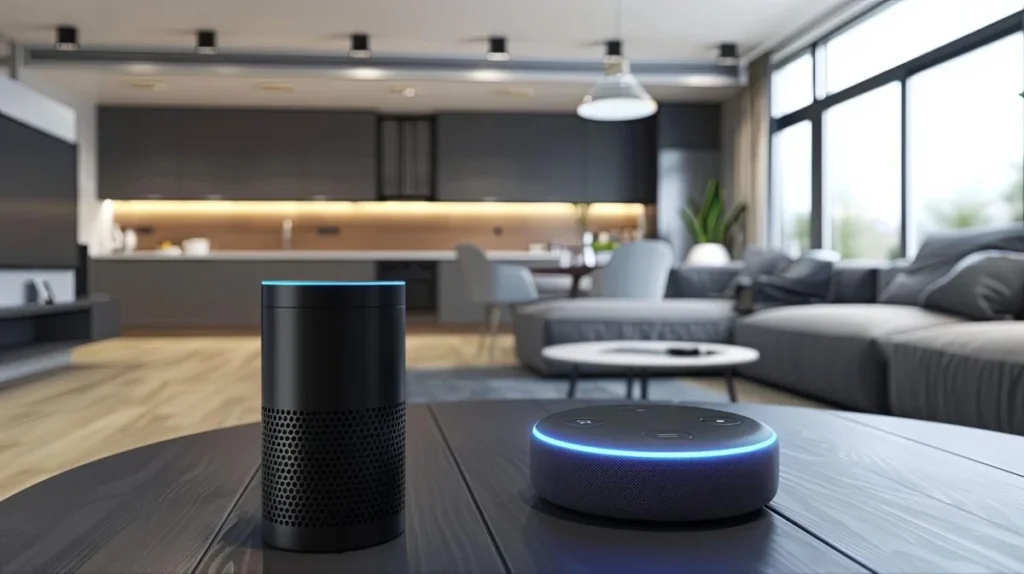
Chinese consumers already use AI across practical daily tasks. AI helps plan weekend trips, compare routes, book transport and hotels, summarize documents, draft reports, organize notes, suggest commutes, create meal plans, and manage calendars.
Smart speakers, in-car systems, and smartphone assistants now act as always-on concierges. AI assistants and voice agents are becoming super portals for daily life.
That matters for commerce because habits transfer quickly. Once consumers get used to AI reducing effort in planning, filtering, and routine optimization, it becomes natural to use the same layer for product discovery and purchase support.
AI Assistants Are Rewiring Product Discovery

The clearest commercial effect is now visible at the discovery stage, where attention is won or lost.
Recommendation Engines Are Moving Discovery Earlier
E-commerce platforms increasingly rely on AI recommendation engines that interpret behavior and even infer mood to surface products with a high probability of conversion. That changes the logic of product discovery.
In many cases, the journey no longer starts when a shopper types in a product name. It starts earlier, inside recommendation layers that infer what the user may need.
This is where AI shopping assistants become strategically important. They shape which options enter the shopper’s field of view before comparison even begins.
Douyin Style Commerce Blends Discovery and Purchase

Short video commerce has pushed this shift even further. On platforms like Douyin, content and commerce are so tightly connected that product discovery often feels like entertainment.
Algorithmic tuning keeps the flow highly responsive, which means products can surface in moments that feel spontaneous, even though the mechanics are highly structured.
This is a more accurate way to think about shopping AI in China. It is not confined to classic e-commerce interfaces. It is deeply connected to content ecosystems where recommendation, persuasion, and transaction operate inside the same stream.
Why Search Alone Is No Longer Enough
Search still plays an important role, but it is now one layer inside a broader discovery system. A consumer may notice a product through a recommendation, validate it through community content, compare it through assisted filtering, and only later land on a product page.
That is where the best AI shopping assistant experiences create commercial value. They reduce noise, tighten relevance, and help move shoppers from loose curiosity to stronger purchase intent.
AI in Personalized Shopping Is Raising Expectations Around Relevance

Personalization in China is getting smarter, and the standard consumers expect is rising just as quickly.
Consumers Want Context, Not Generic Personalization
AI agents integrated into apps and devices are already moving from simple chat toward task execution loops. That changes what consumers expect from digital service.
Generic targeting is no longer enough. AI in personalized shopping now needs to feel timely, context-aware, and genuinely useful.
The important question is no longer just who the shopper is. It is what this person is trying to solve in the moment, what information would reduce friction, and what recommendation would feel helpful rather than intrusive. That is where recommendation layers become a form of decision support.
Gen Z Is Pushing the Standard Higher
This shift is even clearer among younger consumers. AI is increasingly treated as a coach and co-creator. AI-enabled fitness apps count reps and track form. Language apps deploy AI tutors for on-demand conversation practice.
Creative tools help users experiment with images, music, and design. AI literacy itself has become a subtle status marker, especially for Gen Z, who show low fear and high curiosity.
That same mindset is shaping retail expectations. An AI stylist that assembles outfits or helps shoppers visualize options now feels normal, not futuristic.
This is where AI for shopping becomes commercially meaningful. It reflects a broader expectation that digital services should feel smarter, more responsive, and more in tune with individual intent.
Better Personalization Needs to Build Confidence
Smarter personalization is valuable only when it improves confidence. Chinese consumers are increasingly selective and evidence-driven. Across categories, they look for stronger proof, better explanations, and more trustworthy product signals. Many research deeply, compare carefully, and rely on community verdicts before buying.
That gives AI in personalized shopping a more demanding role. Its real value is not simply relevance. It is helping consumers feel more certain, better informed, and less likely to waste money or attention.
AI Shopping in China Is Expanding Into Content, Service, and Virtual Commerce
Recommendation is only one part of the AI commerce stack now taking shape in China.
Virtual KOLs Are Becoming Part of the Commerce Layer

Virtual KOLs have become a fast-growing part of the market, reaching $6.9 billion in China in 2025. These AI-generated brand ambassadors are used for livestreams, customer service, and product launches. More than 60% of Chinese internet users follow virtual idols, and in some campaigns, virtual influencers have delivered around three times higher engagement than human KOLs.
This matters because AI shopping now touches far more than search and recommendation. It also shapes how products are explained, staged, promoted, and kept visible across digital touchpoints.
AI Commerce Is Becoming a Multi-Layer Experience
Across China’s digital ecosystem, AI is now woven into mainstream platforms and devices. It is expanding through recommendation systems, predictive commerce, personal improvement tools, education, creativity, and time management.
The customer journey reflects that same breadth. Product discovery, service, content exposure, comparison, and purchase support are all becoming more interconnected.
That is why the AI shopping app language feels too narrow in this market. The winning experience may sit inside a marketplace, a super app, a content platform, a voice assistant, or a branded service layer. The deeper shift is ecosystem-wide. AI is becoming embedded across the entire retail journey.
AI Agents Point to the Next Phase of Retail in China
The assistant layer already matters today. The agent layer points to where commerce is heading next.
Predictive Commerce Shows the Direction of Travel
Platforms such as JD.com and Alibaba are already testing predictive commerce models in which AI anticipates needs, pre-stocks local warehouses, and nudges users toward frictionless, almost automatic purchasing.
This matters because it shifts retail toward earlier intent capture. The system starts responding before the shopper has fully moved into active search mode.
This is where AI agents become strategically important. An assistant helps users navigate options. An agent takes a more active role on the user’s behalf. In China’s highly digital and ecosystem-driven environment, that step feels increasingly plausible.
What AI Shopping Agents Could Mean for Brands
Fully autonomous shopping is not yet the norm, and it would be a mistake to overstate the shift. Still, the foundations are clearly being laid for a more active AI role in commerce through predictive systems, recommendation logic, and richer decision support.
For brands, that raises a serious operational question. What happens when the evaluating party is not only the shopper but also an AI agent trained to compare offers, interpret fit, and narrow options at speed? Product data, trust signals, content clarity, and recommendation readiness all become more important in that environment.
What Brands Need to Do Now
It is important to make the retail journey more intelligent, more legible, and more useful.
Make Products Easy for AI Systems to Understand
Products and content need to be structured so AI assistants can easily recommend the brand when users ask for help. That means clearer product information, sharper use cases, stronger fit signals, and cleaner content architecture. If product data is thin or vague, brands become harder for AI systems to interpret and surface.
Upgrade Personalization, Forecasting, and Service
Personalization, inventory forecasting, and customer service now need to feel intelligent and responsive. A generic experience stands out in the wrong way. As consumers get used to smarter journeys, weak service logic starts to feel outdated very quickly.
Pair Smarter Journeys With Human Insight
The strongest brands will be the ones that combine AI-driven convenience with human understanding. Clear explanations of data use, human oversight in sensitive areas, and a visible focus on user value all matter. Brands that feel opaque or unintelligent will lose ground quickly as expectations rise.
Turn AI Shopping Signals Into a China Retail Strategy

AI shopping in China is changing how consumers discover products, evaluate options, and move from search to purchase. For brands, that raises bigger questions around visibility, recommendation readiness, trust signals, and ecosystem fit.
Ashley Dudarenok helps retail and brand leaders make sense of China’s fast-changing consumer and technology landscape through keynotes, executive briefings, workshops, and tailored strategy support.
If your team is assessing how AI assistants, shopping agents, and new retail journeys could affect your China strategy, now is the time to turn insight into action. Get in touch to explore how Ashley Dudarenok can help your business decode China’s next retail shift.
Frequently Asked Questions About AI Shopping in China
Below are some of the most common questions people ask about AI-assisted shopping in China.
What Is AI Shopping?
AI shopping refers to the use of AI to help consumers discover, compare, evaluate, and buy products more efficiently across digital retail journeys.
How Is AI Shopping Changing Retail in China?
It is changing retail by moving discovery earlier, improving recommendation quality, and making the path from search to purchase more assisted, predictive, and personalized.
What Does an AI Shopping Assistant Do?
An AI shopping assistant helps users narrow choices, compare options, answer product questions, and improve purchase confidence before checkout.
Why Is AI Shopping Growing in China?
China combines strong digital ecosystems, high AI adoption, mobile-first behavior, and platform-driven commerce, making it a natural market for AI-led retail journeys.
How Do AI Assistants Improve Product Discovery?
They surface relevant products earlier, reduce search friction, and help consumers move through product discovery with smarter recommendations and better decision support.
Why Does AI for Shopping Matter to Brands?
AI for shopping matters because it shapes visibility, influences product comparison, and changes how consumers discover and trust brands across digital channels.
What Are AI Shopping Agents?
AI shopping agents are more advanced systems that can learn preferences, compare offers, guide routine purchases, and act more actively on a shopper’s behalf.
How Are AI Agents Different From AI Assistants?
Assistants mainly support decisions, while agents take a more active role in narrowing options, recommending actions, and potentially automating parts of the shopping process.
Is AI Shopping in China Mostly About E-commerce Platforms?
No. It also includes content commerce, super apps, voice assistants, livestream environments, and branded service layers across the wider digital ecosystem.
Is an AI App the Main Way Consumers Use AI Shopping?
Not necessarily. In China, AI shopping is often embedded inside larger ecosystems rather than confined to one standalone AI shopping app.
How Does Douyin Fit Into AI Shopping in China?
Douyin blends content and commerce in a way that makes discovery feel natural, with algorithmic recommendations shaping what users see and consider buying.
Why Is Purchase Confidence Important in AI Shopping?
Consumers want more than convenience. They want reassurance, a better fit, stronger explanations, and smarter comparisons before spending money.
What Should Brands Do to Prepare for AI Shopping?
Brands should improve structured product content, strengthen trust signals, upgrade personalization, and make their offers easier for AI systems to understand and recommend.