
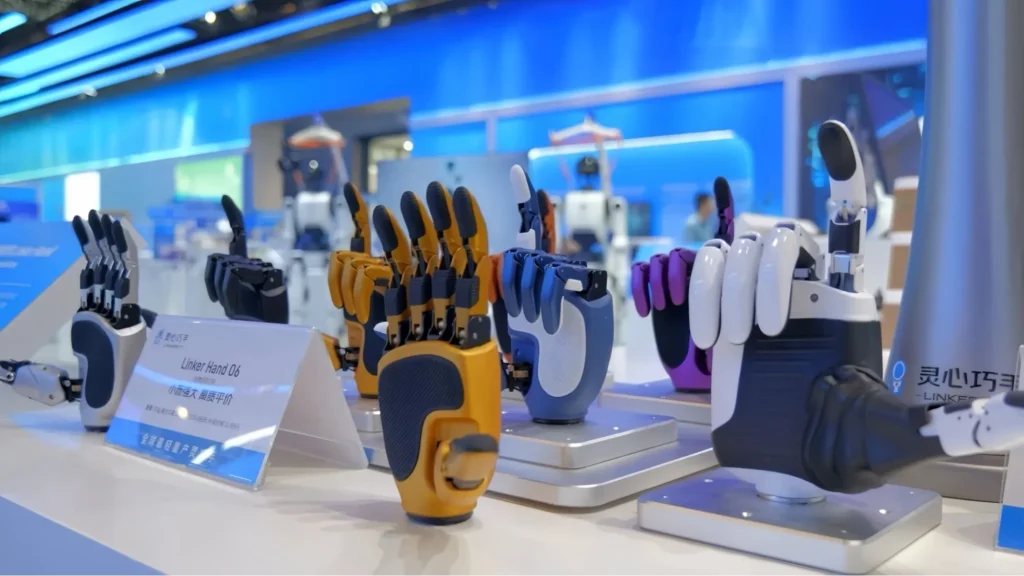
The next stage of robot hands in China is no longer about spectacle. It is about usefulness. China can already produce fast-moving humanoid robots, public demos, and factory pilots at impressive speed.
The harder commercial question is practical. Can a robot pick up a soft bag, hold a glass, fold fabric, sort parcels, open a cabinet, or handle a tool without constant human correction?
That is why the robotic hand has become a strategic bottleneck in embodied AI. Legs help a robot move through human spaces. Vision helps it identify objects. Hands decide if it can work. For executives watching humanoid robots in China, dexterity is now the line between an impressive demo and a scalable business case.
Why Robot Hands Define Humanoid Robots in China
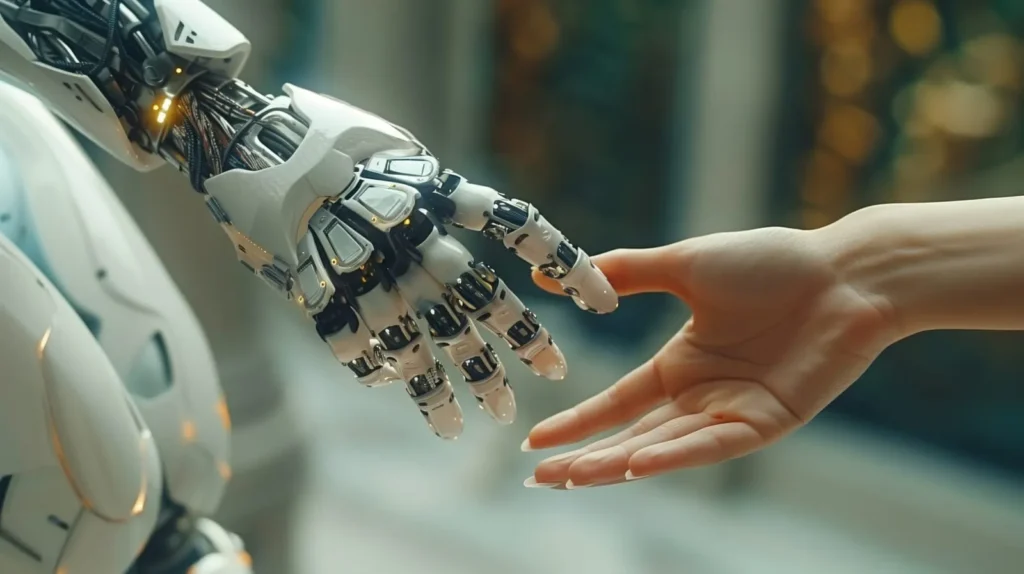
China’s robotics sector has moved from isolated prototypes to a crowded race across hardware, data, components, software, and application pilots. Policy support matters, but the market is becoming more selective. Buyers in factories, logistics sites, laboratories, hotels, and future homes care about task completion.
A humanoid body without capable hands has limited value. It can walk into a room and recognize objects, then fail when it has to touch them. A bottle slips. A cable bends. A towel bunches. A lid resists. These small failures expose weakness in the manipulation layer.
For China’s humanoid robots, attention is shifting from the full body to the hand layer. The most valuable robots will not be the ones with the most viral motion. They will be the ones who repeat delicate physical work with acceptable speed, safety, and maintenance cost.
From Robotic Grippers to the Dexterous Hand
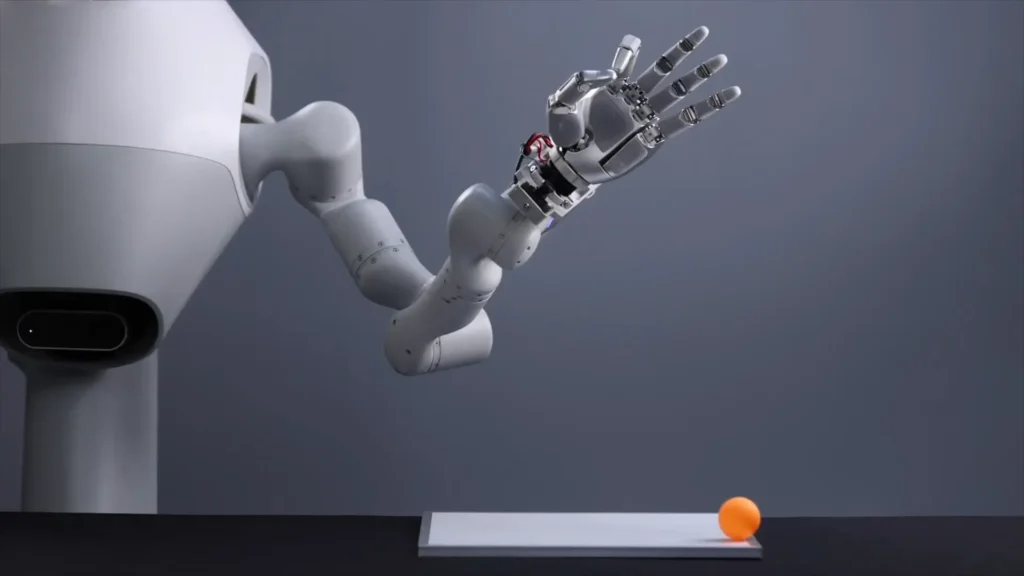
Traditional industrial grippers were built for structured environments. They work when the object shape, position, and task stay stable. That logic fits classic factory automation. It breaks down in service environments and mixed production lines, where objects vary, and human spaces were never designed for robots.
A dexterous hand solves a different problem. It gives the robot multiple contact points, finer control, and a better chance of handling unpredictable objects. A dexterous robotic hand also generates richer training data because each grasp provides information on pressure, slip, force, and contact angle.
This is why research on robotic hand dexterity is now close to commercialization. Researchers talk about degrees of freedom, actuator design, tendon drive, direct drive, rigid linkage, tactile sensing, and force sensors.
Business leaders should translate those terms into a simpler question.
Can the robot complete a valuable task that a two-finger gripper cannot?
The China Stack Behind Better Robot Hands
China’s advantage in robot hands comes from the stack of components around the hand. The country has deep electronics manufacturing, motor suppliers, sensor suppliers, prototyping capacity, and industrial automation customers. A hand is a dense system of actuators, joints, materials, embedded sensors, control software, and learned manipulation policies.
Unitree’s G1 demonstrates how a robotic hand can be integrated into a broader humanoid platform, with optional dexterous hand and tactile sensor arrays. AgiBot’s OmniHand points to a compact hand layer for embodied AI robotics, with weight, length, and degrees of freedom designed for integration across humanoid models.
Sharpa’s Wave shows another direction, with 22 degrees of freedom and tactile sensitivity for research and robot OEM integration.
The pattern is clear. Chinese humanoid robots are starting to separate into body makers, hand specialists, data platforms, and application partners. Factories can attach dexterous hands to existing robotic arms before they buy full humanoid bodies.
LinkerBot, AGILINK, Yuequan Bionic, and the Hand Layer
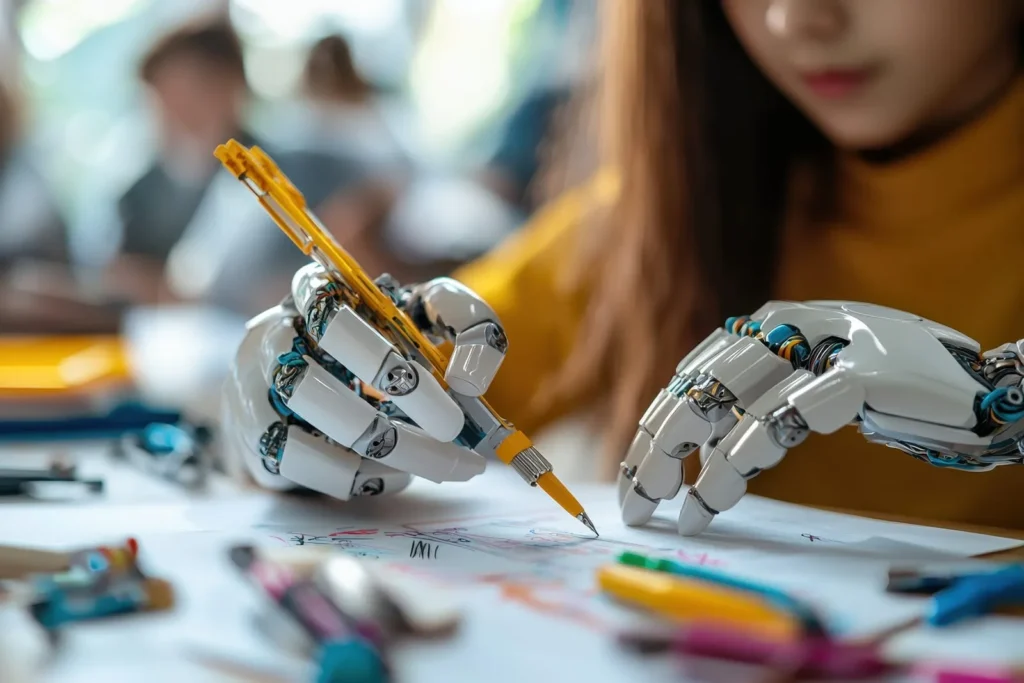
The rise of LinkerBot has made the hand layer impossible to ignore. Its positioning is commercially sharp. It focuses on a high degree of freedom in the hands rather than on building every part of the humanoid body. That specialization fits China’s manufacturing culture. Solve the hardest component. Reduce cost. Learn from users.
AGILINK, connected with the AgiBot ecosystem, reflects another trend. The hand is becoming a contact intelligence platform. Demonstrations such as the balloon-folding test require delicate pressure control, handling of deformable objects, and continuous tactile feedback. These capabilities matter for logistics sorting, food handling, laboratory work, and light assembly.
Yuequan Bionic shows how the field is exploring bionic structures, soft contact, tactile data, and human-like geometry. Investors should watch the architecture choices. Tendon drive can support compact design and compliance.
Direct drive can improve response and control. Rigid linkage can offer durability and easier manufacturing. The winning design will match task, price, serviceability, and supply chain readiness.
Why Humanoid Robots for Household Chores are Difficult
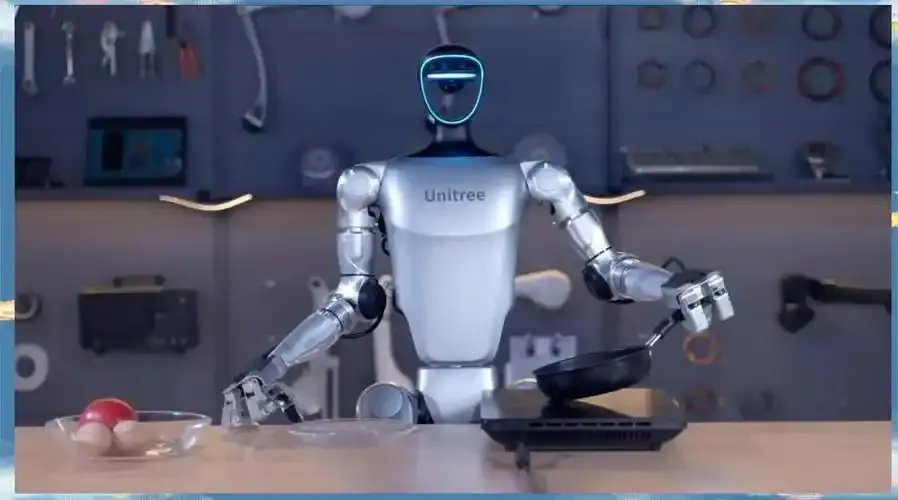
Search demand around humanoid robots for household chores is rising because the home is the most emotionally attractive use case. It is also one of the hardest. Homes are cluttered, inconsistent, and full of fragile objects.
A robot that folds laundry must deal with soft materials. A robot that makes a bed must manage large deformable surfaces. A robot that washes dishes must combine vision, gripping, water resistance, force control, and human safety.
This is where tactile sensing in dexterous robot hands becomes critical. Vision alone cannot tell a robot how firmly it is holding a wet plate or when a cloth is slipping. Tactile sensing gives the system contact data. Force sensors help avoid crushing objects or losing grip. The hand becomes both a data collector for embodied intelligence and an end effector.
For brands and investors, household robots should be evaluated with discipline. Ask which tasks are autonomous today, which require teleoperation, and which are edited demos.
Embodied AI Needs Hands that Generate Better Data
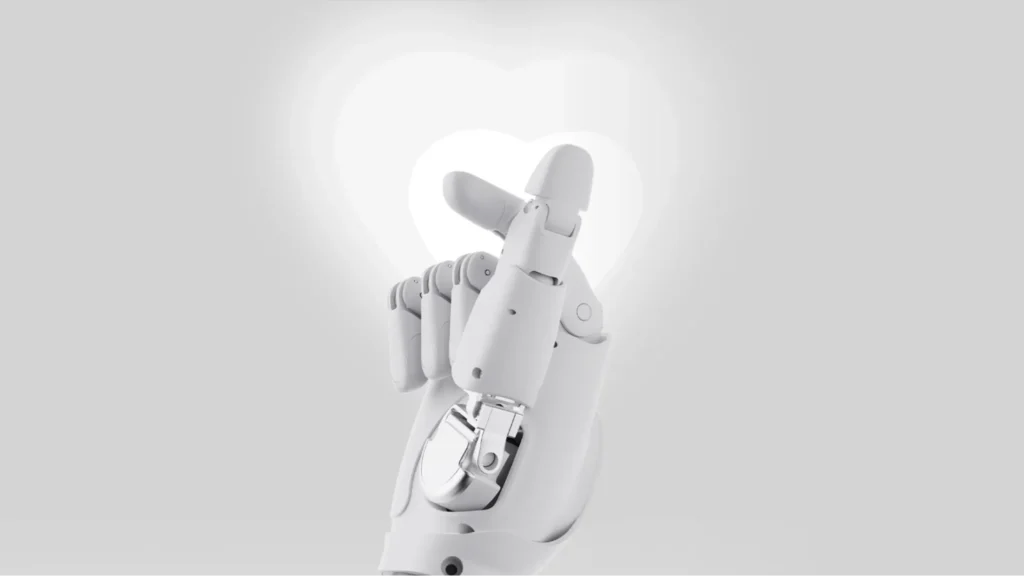
The value of embodied AI in robotics depends on the quality of physical interaction data. Language models learn from text. Vision models learn from images and video. Embodied systems need action data from bodies touching the world. The hand is the richest data point because contact is where intention meets physics.
This is why dexterous hand manipulation is more than hardware. It includes teleoperation, imitation learning, reinforcement learning, simulation, tactile data capture, and cross-hand transfer. If a skill learned on one dexterous hand cannot be transferred to another design, the market fragments. If models can transfer across hands with different degrees of freedom, the industry gains reusable skills.
For technology leaders, the practical question is data ownership. High-quality manipulation data may become more defensible than hardware margins.
What Dexterous Hand News Means for Smart Manufacturing
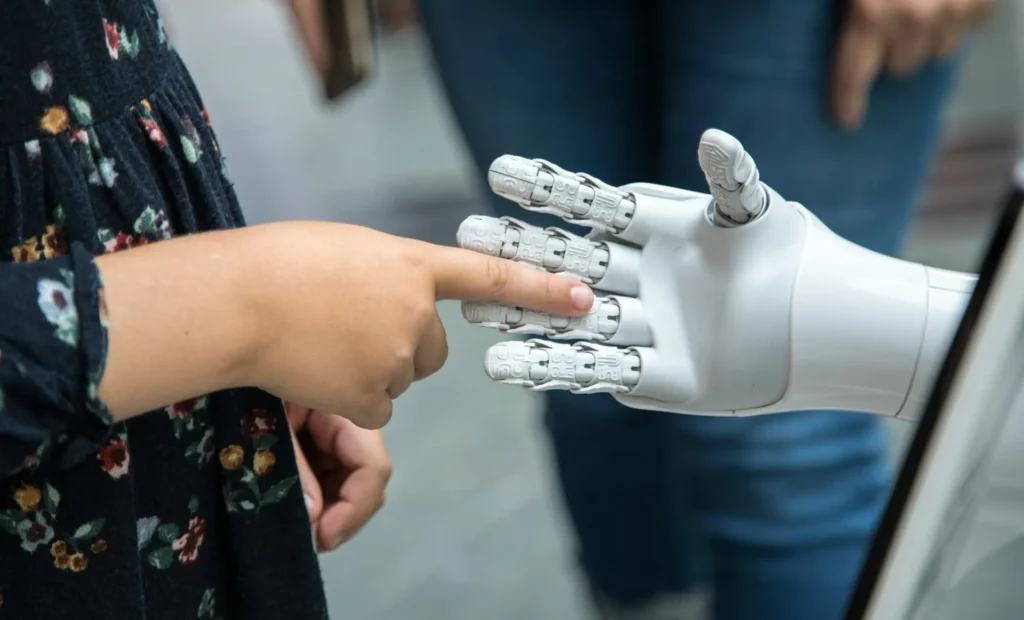
Recent dexterous hand news points toward a pragmatic deployment path. Full humanoid robots may be expensive for many factories. Dexterous hands attached to robotic arms can enter earlier. This fits industrial automation in China because manufacturers already understand cycle time, tooling, uptime, and return on investment.
The use cases are clear: tightening screws, handling cables, sorting flexible items, packaging delicate goods, and assisting with inspection workflows. These tasks do not always require a walking robot. They require better manipulation. That makes dexterous robots commercially interesting before general-purpose humanoids mature.
For executives, the procurement checklist should include hand payload, fingertip force, tactile sensing type, repair cycle, component sourcing, software update path, data rights, and safety certification.
Strategic Relevance for Global Business Leaders
For global companies, robot hands in China offer three lessons. Component specialization can reshape the humanoid value chain. China’s commercialization rhythm rewards fast iteration with real customers. Useful automation may arrive through hybrid systems before full humanoid scale.
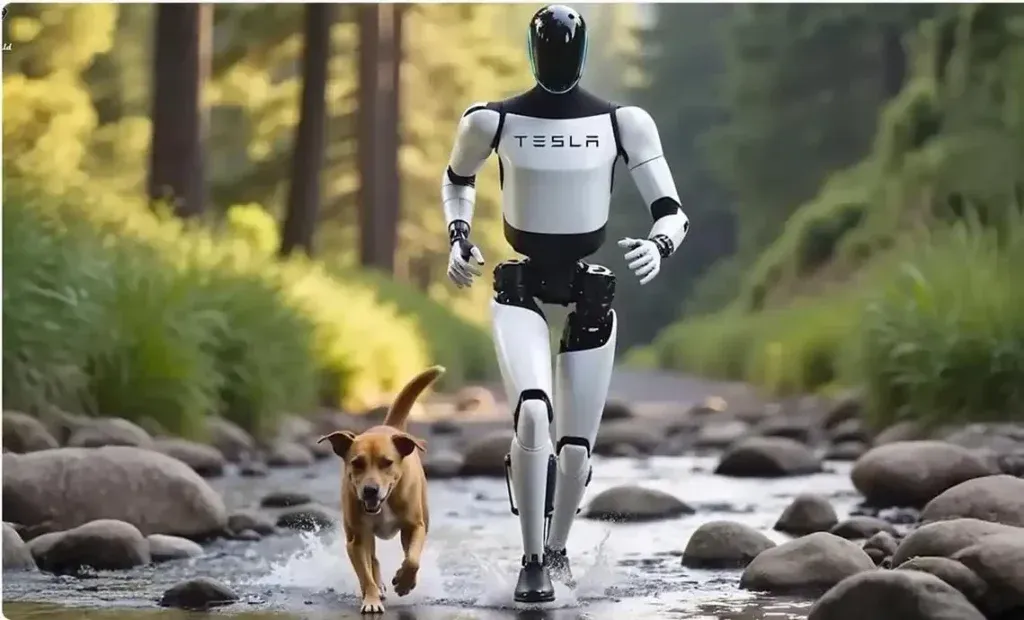
Tesla Optimus and Boston Dynamics Atlas keep global attention on full-body robots. China’s emerging hand specialists show a different route to value. They target the point where automation meets physical work.
The companies that win will connect the hand, the brain, the body, and the customer task. Robot dexterity is becoming a boardroom topic because it decides when robots move from the marketing stage to the operating floor.
Better Robot Hands will Decide Useful Robotics
China’s humanoid race is entering a more serious phase. Public demos still matter. Commercial value will come from repeatable manipulation. Better robot hands are central to that shift.
A capable hand enables humanoid robots to interact with human tools, human spaces, and human messiness. It also gives embodied AI the contact data it needs to learn. For China robotics, the next advantage may come from the hand that can work all day.
Work With Ashley Dudarenok On China Robotics Strategy

China’s robot-hand race is a signal to global leaders. The opportunity extends beyond robotics hardware. It sits in supply chains, customer scenarios, data, service models, and China’s speed of commercialization.
Ashley Dudarenok helps boards, executives, and strategy teams decode these shifts through China-focused keynotes, advisory sessions, and executive briefings.
Book a consultation with Ashley to understand how China’s robotics breakthroughs can inform your innovation roadmap, market intelligence, and competitive strategy.
FAQs about Robot Hands
What are robot hands used for in factories?
Robot hands are used for tasks that require flexible gripping, fine positioning, and safe contact with a variety of objects. In factories, they can support cable handling, screw work, packaging, inspection, sorting, and small batch automation.
How is a robotic hand different from a prosthetic hand?
A robotic hand is designed to manipulate objects for machines, while a prosthetic hand is designed for human use. Robotics versions prioritize sensors, actuators, control software, repeatability, and integration with robot arms or humanoid platforms.
Why does tactile sensing in dexterous robot hands matter?
Tactile sensing in dexterous robot hands matters because vision alone cannot measure contact. Tactile data helps robots detect slip, pressure, texture, and deformation, which is critical for handling fragile objects, fabrics, tools, and food.
What is the latest dexterous hand robotics news from China?
The latest dexterous hand robotics news from China centers on specialist hand companies, humanoid integration, tactile sensing, lower cost production, and hands mounted on robotic arms. The sector is moving from demos toward task-based pilots.
Are humanoid robots for household chores available in China now?
Humanoid robots for household chores are being tested and demonstrated in China, but broad consumer readiness remains early. Current systems can handle cleaning, sorting, or simple assistance, yet reliability in cluttered homes remains limited.
What does embodied AI robotics mean for manipulation?
Embodied AI robotics means AI systems learn through physical action, sensor feedback, and contact with the environment. For manipulation, it integrates vision, language, motion planning, force control, and tactile learning into a single robot workflow.
How many degrees of freedom should a dexterous hand have?
A dexterous hand does not need the highest degrees of freedom to be useful. The right number depends on task complexity, payload, cost, durability, repair needs, and the quality of sensing and control software.
Do humanoid robots need human-shaped hands?
Humanoid robots do not always need fully human-shaped hands. Three-finger designs may work for industrial tasks, while five-finger hands can help with tools, household objects, gesture interaction, and human-designed environments.
Why are Chinese humanoid robots gaining global attention?
Chinese humanoid robots are gaining attention because China combines manufacturing depth, component suppliers, AI investment, policy support, and fast prototyping. The strongest players are now being judged on useful work, not public demos alone.
What should buyers ask before testing dexterous robots?
Buyers testing dexterous robots should ask about task success rate, payload, tactile sensing, maintenance, software updates, safety, data ownership, integration time, and service support. A pilot should measure uptime and the performance of repeatable tasks.