
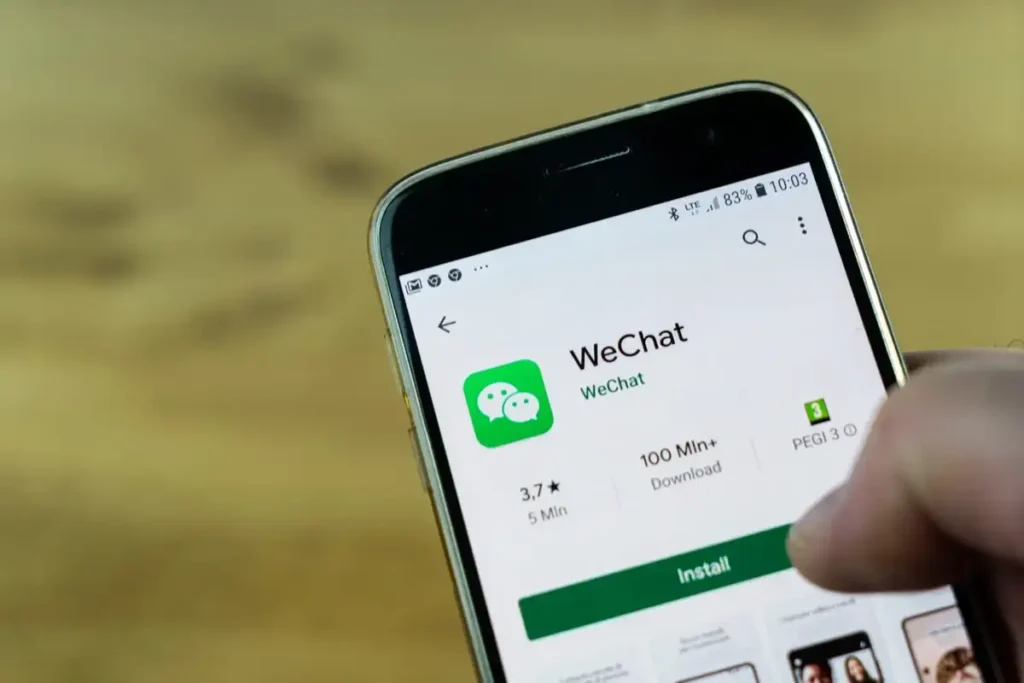
A WeChat mini program sits at the center of how commerce operates inside WeChat. Tencent introduced mini programs in 2017 as lightweight applications that run within the platform, allowing businesses to deliver services, storefronts, and digital tools without requiring users to install separate apps.
WeChat’s scale explains why this model works. In 2025, the platform had around 1.4 billion monthly active users and more than 1 billion daily logins. Users spend roughly 79 minutes per day in the app, making WeChat one of the most concentrated digital environments in China.
Within WeChat, product discovery, brand communication, and transactions often occur inside the same environment. A user can encounter a product through shared content or brand messaging, open a mini-program store within seconds, and complete payment via WeChat Pay. Each step takes place within the same platform interface.
This architecture integrates communication, services, and commerce in a single digital environment that reflects the broader evolution of China’s digital platform ecosystems. The sections below explain how mini programs work, how the broader ecosystem supports them, and why this model has transformed digital commerce in China.
What Is a WeChat Mini Program?
A WeChat mini program is a lightweight application that runs inside the WeChat superapp without requiring users to download separate software. Businesses use mini programs to provide storefronts, booking services, loyalty programs, and digital tools within the WeChat ecosystem.
What a WeChat Mini Program Is and Why Businesses Use It
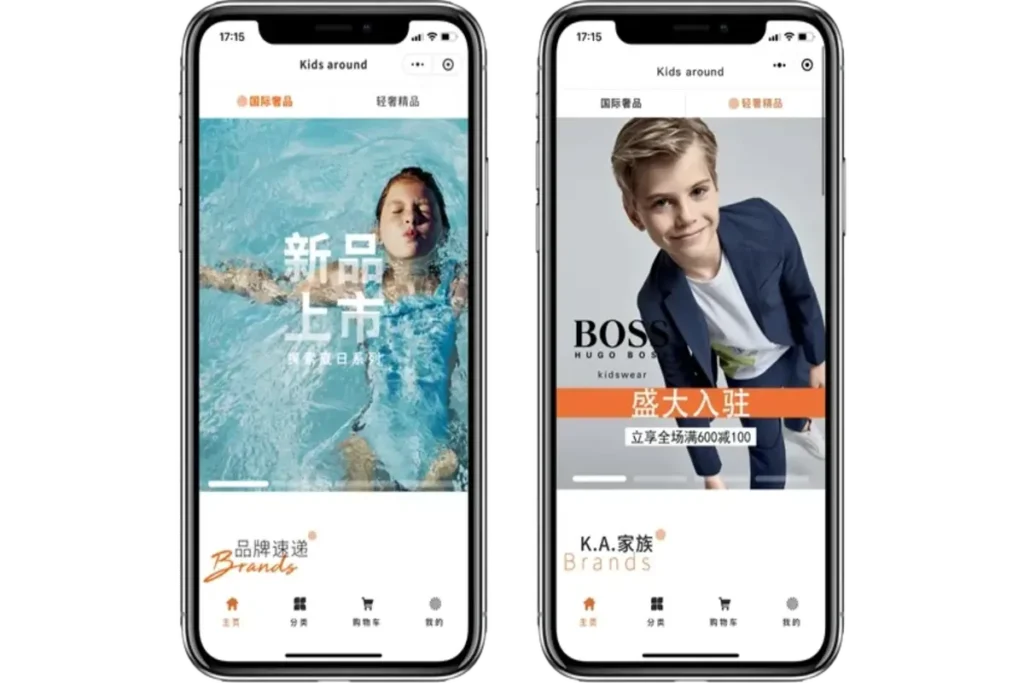
A WeChat mini program functions as a service environment within WeChat, allowing companies to build digital experiences directly on the platform. Businesses design these applications to host product catalogs, service bookings, loyalty systems, and customer service tools within a familiar interface that users already navigate daily.
In 2025, the ecosystem had reached a massive scale. WeChat hosted more than 4.3 million mini programs, and roughly 945 million users interact with them each month. More than 450 million people open mini programs daily, which shows how deeply these services are integrated into everyday digital behavior in China.
Companies rely on this structure to provide direct access to services without redirecting customers to external websites. When a user opens a mini program, the interface presents features that resemble a mobile application. Product browsing, account management, order history, and customer support can all operate within the same environment.
A mini program in WeChat also supports operational tools for brands. Retail companies manage product inventories and promotions through storefront interfaces. Service providers use mini programs to handle reservations, payments, and customer communication. Loyalty programs often appear within the same interface, allowing customers to track rewards and redeem offers during future interactions.
Because mini programs connect directly with WeChat Pay, transactions remain integrated with the user’s existing payment wallet. This connection allows companies to complete purchases within the same environment where consumers interact with content and services throughout the day.
How Mini Programs Differ From Traditional Mobile Apps
Traditional mobile applications rely on app store distribution and require brands to invest heavily in user acquisition. Many companies struggle to maintain engagement after the initial download, as consumers often remove unused apps from their devices.
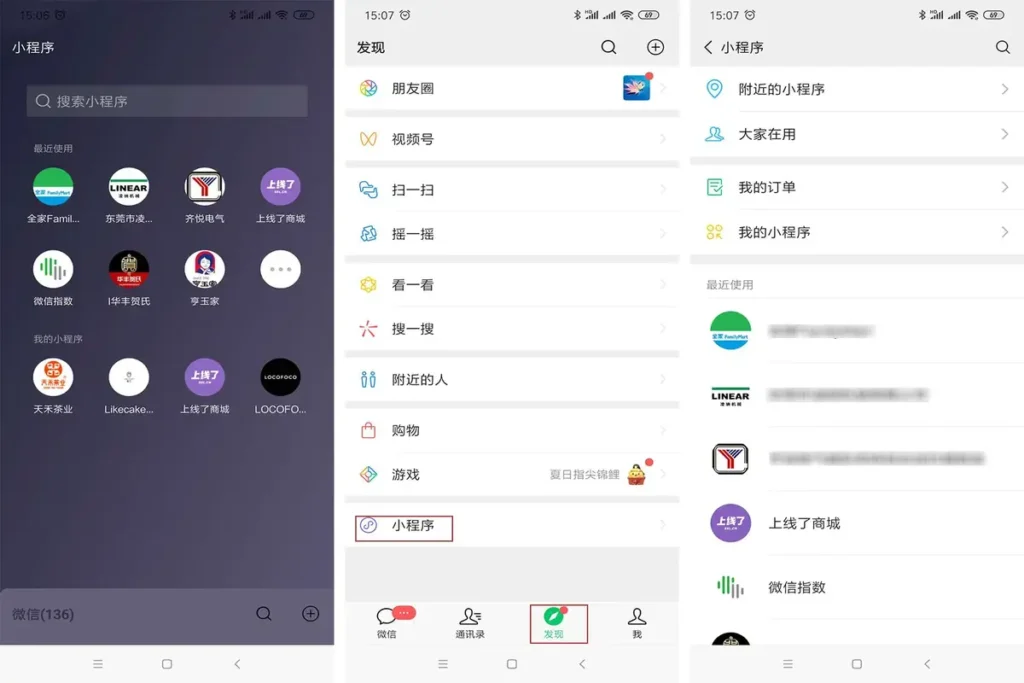
Mini programs address this challenge by providing direct access within WeChat. Users open a service instantly through a search query, a shared message, or a QR code scan. The experience appears within the same interface that hosts communication and payments, reducing the effort required to interact with brands.
Research suggests that the average WeChat user regularly interacts with 9.8 mini programs and accesses them 70 times each month, indicating that these services often replace standalone apps for daily tasks.
From a business perspective, this structure reduces barriers to development and distribution. Companies can launch services quickly and update features through the platform environment without requiring users to download new versions of an application. This model allows brands to experiment with digital services while maintaining a consistent user experience.
Typical Business Uses of a WeChat Mini Program for Brands
E-commerce Storefronts
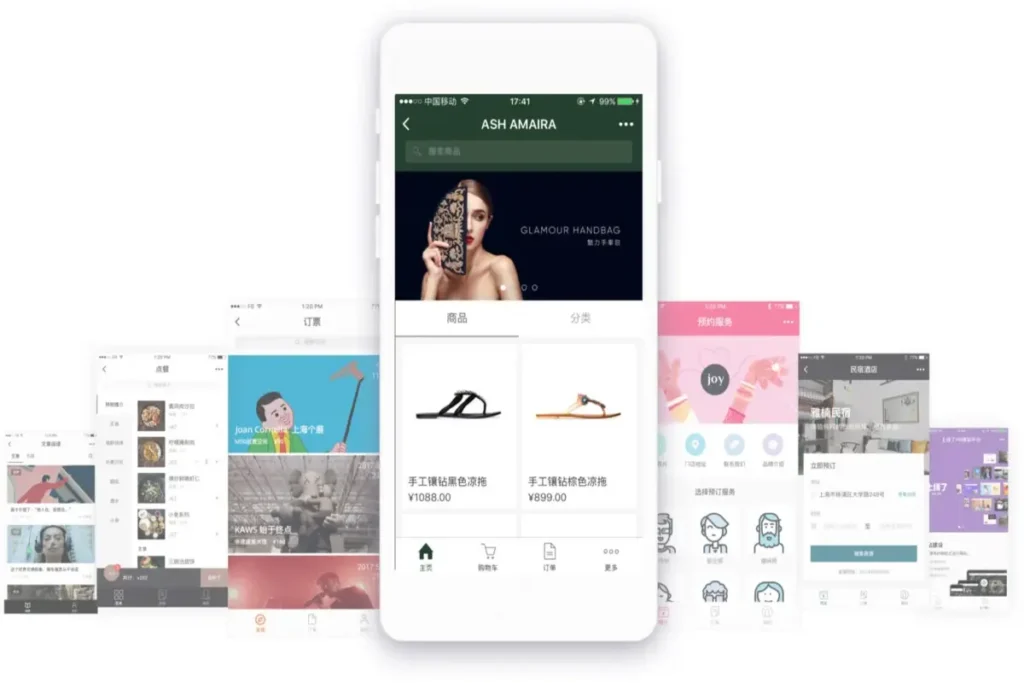
Many companies operate a WeChat e-commerce mini-program that functions as a digital store inside WeChat. Customers can explore product collections, read descriptions, and complete purchases within the same interface. This format allows brands to maintain a WeChat shop that is directly connected to payment and messaging features.
Service Platforms
Mini programs support service transactions such as travel bookings, restaurant orders, and appointment scheduling. Consumers access service menus, confirm availability, and finalize reservations in the same environment they use to communicate with businesses.
Membership and Loyalty Systems
Brands often manage digital membership programs through mini programs, especially when targeting younger consumers active across China’s Gen Z shopping platforms. Customers can view loyalty points, redeem promotions, and access personalized offers. This approach allows companies to maintain ongoing relationships with users inside the platform.
Usage patterns show that daily services dominate the ecosystem. Transportation, utilities, and local services account for roughly 32% of mini program traffic, while financial tools account for about 13%.
The Architecture of the WeChat Superapp Ecosystem

Understanding the WeChat mini program requires examining the broader platform architecture that underpins it. WeChat has developed into a digital environment where communication, payments, content, and services operate within a single application. For Chinese consumers, the platform functions as a daily digital infrastructure rather than a simple messaging tool.
Users rely on WeChat to communicate with friends, follow brands, pay for services, and access digital utilities. Because these activities take place within the same interface, people move between communication, information, and transactions without leaving the application.
Core Components of the WeChat Ecosystem
Several platform tools work together to support this system.
Content and brand communication
Companies publish articles and updates through a WeChat Official Account. These accounts act as brand communication hubs where businesses share product information, company news, and service updates with followers.
Video discovery and audience reach
Short-form videos in WeChat Channels allow creators and brands to introduce products, demonstrate services, and reach new audiences. Video posts can link directly to service experiences inside the platform.
Service and commerce layer
A mini program on WeChat hosts the user experience. Businesses use mini programs to operate stores, booking platforms, membership programs, and digital services.
Integrated payments
Transactions take place through WeChat Pay, which connects directly to the user’s wallet inside the platform. Payments are completed within the same interface that users use to interact with services.
Offline Connections Through QR Codes
Physical locations across China often display QR codes that link directly to digital services inside WeChat. When users scan a code in a store, restaurant, or public location, the action opens a service experience instantly within the platform.
This connection between physical environments and digital services enables companies to integrate retail spaces, marketing campaigns, and service experiences into a single ecosystem.
Why the Ecosystem Structure Matters
Because communication, content, services, and payments share a common platform infrastructure, businesses can manage multiple stages of the customer journey in a single system. Brands publish content, attract attention, deliver services, and process transactions without directing users to external websites or applications.
How Commerce Flows Through a WeChat Mini Program Ecosystem
A WeChat mini program operates within a commerce system that connects discovery, interaction, payment, and ongoing customer relationships inside the same platform. This structure allows businesses to move users through the entire purchasing journey without sending them to external websites or separate applications.
Within WeChat, commerce usually follows a predictable flow. Users discover products through social sharing or brand content. They open a service experience via a mini program on WeChat, explore products or services, and complete the purchase via integrated payments.
After the transaction, brands continue the relationship through membership programs, customer communication, and service support inside the same platform.
Discovery Through Social Distribution
Product discovery often begins through conversations or shared content, which reflects the broader dynamics of China’s social commerce ecosystem. Users encounter products when friends share links in chats, when groups discuss recommendations, or when brands publish updates to followers. This social environment creates organic product visibility that spreads through personal networks.
Video content also contributes to discovery. Posts published through WeChat Channels introduce products and direct viewers toward service experiences inside the platform.
Interaction and Product Exploration
Once a user opens a service experience, the WeChat mini program provides the interface for product exploration. Businesses design storefront layouts that display product collections, descriptions, and purchasing options within a familiar mobile interface.
Consumers can compare items, read product information, and review available services within the same environment where they communicate with brands or friends.
Transaction Through Integrated Payments
Payments take place through WeChat Pay, which connects directly to the user’s digital wallet. When a customer confirms a purchase, the payment process occurs within the same interface that hosts the service or storefront.
This integration reduces friction because users do not need to enter payment details on external websites. The platform already stores payment credentials within the user’s account.
Customer Relationship and Repeat Interaction
After a transaction, businesses continue engagement through loyalty systems and customer communication tools. Membership programs allow users to track points, redeem offers, and access personalized promotions.
Customer service interactions also occur inside the platform through messaging tools. Some companies use WeCom, also known as WeChat Work, to manage ongoing customer relationships and service operations.
This structure enables businesses to maintain continuous customer interaction after the initial purchase.
Tools That Expand Commerce Inside the WeChat Ecosystem
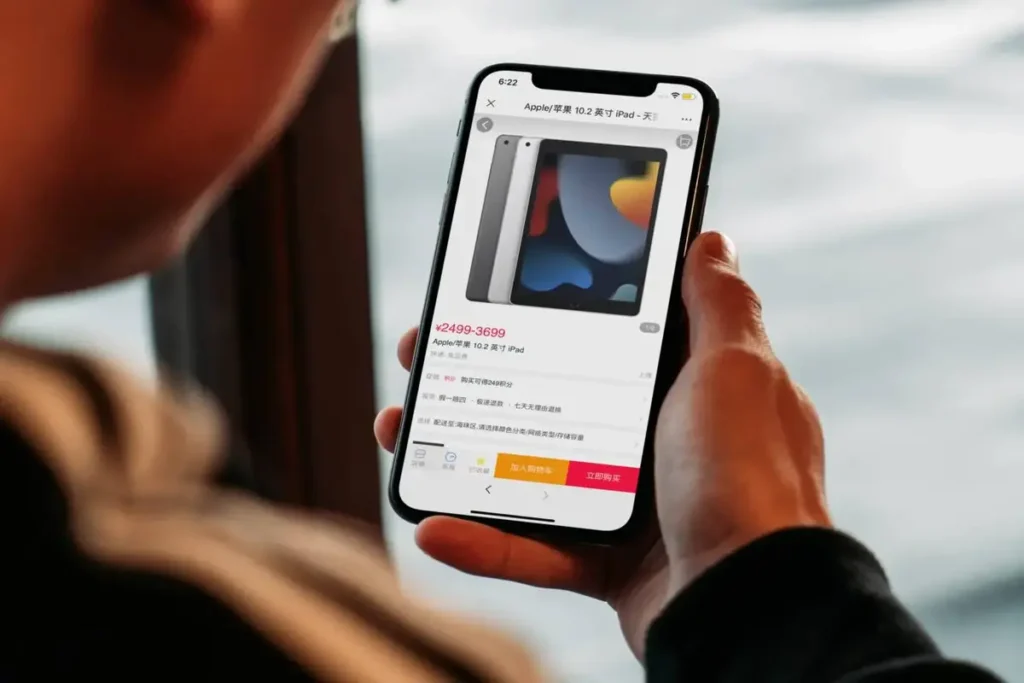
A WeChat mini program does not operate in isolation. It functions within a broader set of tools inside WeChat that connect content, discovery, services, and payments. Tencent designed this ecosystem to guide brands from information to interaction and then to transaction within the same platform environment.
Companies often combine several WeChat features to guide users to a mini program within WeChat where services and purchases take place.
Official Accounts as Brand Communication Channels
A WeChat Official Account acts as the primary content distribution channel for businesses on the platform. Brands publish articles, product launches, service announcements, and educational content through these accounts. Users subscribe to receive updates directly inside their WeChat feed.
Official Account articles often include links that open a WeChat mini program within the same interface. This connection allows companies to move readers from information to product interaction without sending them to external websites. Many retailers and service companies rely on this pathway to introduce products and guide users into storefront experiences.
Video Discovery Through WeChat Channels
WeChat Channels adds a video discovery layer to the ecosystem. Tencent introduced Channels in 2020 as a short video feed integrated into the WeChat interface. Creators, brands, and retailers publish video content that appears in algorithmic feeds and social sharing streams.
Video posts can include direct links that open a mini program in WeChat. For example, a retailer may demonstrate a product through a short video and allow viewers to enter the product storefront immediately. This connection between video content and mini programs allows companies to convert viewer attention into product exploration.
Channels + Mini Program Commerce
Tencent has also introduced built-in WeChat Mini Stores, which allow merchants to create standardized storefronts that connect directly with Channels content. This feature simplifies linking product catalogs to video posts and livestream sessions. As a result, creators and brands can showcase products in a video while directing viewers to mini-program stores where purchases are made.
QR Codes as Offline Entry Points
QR codes serve as a key connection between physical environments and digital services in China. Retail stores, restaurants, public transportation systems, and marketing campaigns often display codes that link directly to a WeChat mini program.
When users scan a QR code with the WeChat camera, the platform opens the linked service instantly. Restaurants use QR codes to open digital menus and ordering systems. Retail stores use them to connect shoppers to product information or loyalty programs. This mechanism allows businesses to integrate offline customer interactions with digital services inside the platform.
Customer Operations With WeCom
Some companies use WeCom, also known as WeChat Work, to manage ongoing customer communication and service operations. Businesses create verified staff accounts that connect to the broader WeChat ecosystem.
Customer support teams can communicate with users, share service information, and guide customers back into a WeChat mini program when needed. This structure allows companies to maintain long-term relationships with customers in the same environment where purchases occur.
WeChat Pay and the Payments Infrastructure Behind Mini Programs
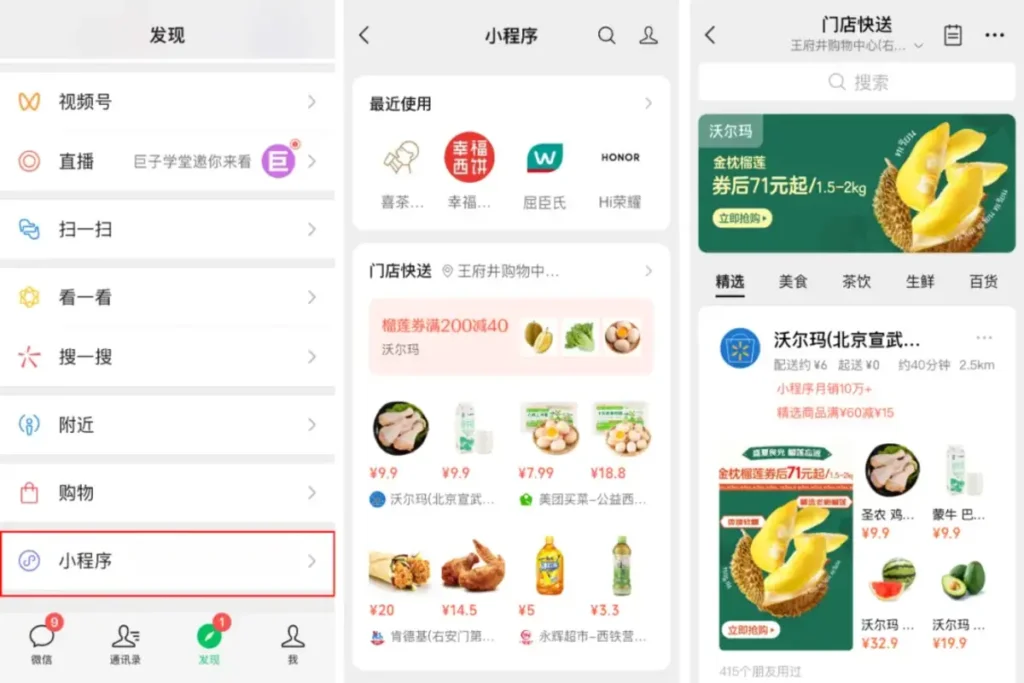
The success of a WeChat mini program depends heavily on its integration with digital payments. In China, WeChat Pay provides the payment infrastructure that allows transactions to take place directly within the WeChat ecosystem.
Tencent introduced WeChat Pay in 2013 as a mobile wallet that connects bank cards to user accounts. Since then, it has grown into one of the largest mobile payment systems in China, supporting peer transfers, retail purchases, public services, and digital commerce.
WeChat Pay and Alipay together account for roughly 90% of China’s mobile payment market, making them the dominant payment infrastructure for digital commerce in the country.
Within a mini program on WeChat, payments are made through the same wallet users already use for daily transactions. When a customer confirms an order, the payment interface opens in WeChat and prompts authentication via fingerprint, facial recognition, or password confirmation.
The process usually takes only a few seconds because the platform already stores payment credentials within the user account.
Embedded Payments Reduce Checkout Friction
One reason mini programs gained rapid adoption in Chinese ecommerce involves the simplicity of integrated checkout. Many ecommerce platforms require users to enter payment details or move through multiple pages before completing a transaction. Within WeChat, the payment layer sits within the platform’s infrastructure.
This design reduces interruptions during the purchasing process. When users browse products in a WeChat mini program, the checkout step appears within the same interface. Payment confirmation is handled through WeChat Pay, eliminating the need to redirect users to external gateways.
Mobile Wallet Adoption in China
Mobile wallets became widely adopted in China as digital platforms grew in the 2010s. Consumers use QR codes and mobile payments for daily transactions at transportation hubs, retail stores, restaurants, and online services. Because WeChat Pay connects directly to bank accounts and digital wallets, users can complete payments quickly across many different services.
This widespread adoption supports the growth of mini programs because customers already trust WeChat’s payment infrastructure.
Alipay vs WeChat Pay
Another major digital payment platform in China is Alipay, operated by Ant Group. Both systems support mobile wallets, QR code payments, and online transactions. The difference lies in how each platform connects to broader digital ecosystems.
WeChat Pay integrates closely with WeChat’s messaging, social sharing, and service applications. Alipay, developed within Alibaba’s e-commerce ecosystem, focuses heavily on financial services, credit systems, and digital utilities.
Many Chinese consumers use both platforms. Within WeChat, however, WeChat Pay remains the primary payment method for transactions within a WeChat mini program.
Why WeChat Mini Programs Reshaped E-commerce in China
The rise of the WeChat mini program reflects a broader shift in how digital commerce operates in China. Instead of sending consumers across separate platforms for discovery, browsing, payment, and service, companies can operate the entire journey within a single ecosystem.
This structure has influenced how brands design customer experiences and manage long-term relationships with users.
Lower Barriers to Digital Services
Many companies struggled to convince users to install standalone applications before the introduction of mini programs. Mobile users often avoid downloading new apps unless the service becomes part of their daily routine. A mini program on WeChat removes this barrier because the service launches instantly within the platform consumers already use for communication and payments.
This accessibility allowed retailers, restaurants, travel services, and public utilities to introduce digital services without asking customers to install additional software. As a result, millions of services were launched through the platform within a few years of the system’s introduction.
Adoption among companies is extremely high. Industry estimates suggest that more than 95% of Chinese businesses now operate mini programs or rely on them for digital services, including retail, hospitality, travel, and public utilities.
Faster Path From Discovery to Purchase
Mini programs shorten the distance between product discovery and transaction. A user can encounter a product through shared content, brand communication, or video posts and open the service experience within seconds. Once the product appears in the interface, checkout occurs via WeChat Pay, which completes the payment using the user’s existing wallet.
This process reduces the number of steps required to complete a purchase. The simplicity of this journey encouraged many brands to develop storefront experiences inside the WeChat ecosystem.
Social Sharing as a Growth Channel
Commerce within WeChat benefits from the platform’s social environment. Users often share product links in chats or group conversations with friends. These links often open directly to a WeChat mini program, allowing new users to access the same storefront experience immediately.
Because recommendations often travel through personal conversations, many companies see strong engagement when products spread through social networks.
Integrated Customer Relationships
Another important factor is the ability to maintain long-term customer relationships on the same platform. Businesses often build loyalty programs, membership systems, and service communication tools directly within a WeChat mini program.
Customer service teams can respond to inquiries through messaging channels while loyalty programs track rewards and promotions within the same interface. This approach allows companies to manage both transactions and ongoing engagement inside the WeChat ecosystem.
The impact of this model becomes clearer when examining how global brands use mini programs to deliver services, manage customer relationships, and support commerce inside the WeChat ecosystem.
How Global Brands Use WeChat Mini Programs in Practice
Global brands increasingly operate services through WeChat mini programs to connect content, membership programs, and purchasing inside the same platform.
Starbucks
Starbucks integrates WeChat mini programs into its digital ordering and customer engagement strategy in China. The Starbucks Now mini program lets customers place pickup orders, pay via WeChat Pay, and manage loyalty rewards all within the same interface. Starbucks also offers digital drink gifting via WeChat, allowing users to send beverage vouchers directly in chats.
China remains Starbucks’ largest international market, with 8000 stores across the country in 2025, and digital platforms such as WeChat support mobile ordering and loyalty engagement.
Nike
Nike operates a WeChat mini-program storefront and membership hub that connects product discovery, exclusive releases, and e-commerce. The mini program allows users to browse collections, access member-only product drops, and purchase items through WeChat Pay.
Nike has expanded its direct-to-consumer digital ecosystem in China, using WeChat membership tools to maintain customer relationships and support product launches on the platform.
McDonald’s China
McDonald’s China operates a WeChat mini program ordering platform that supports mobile ordering, digital coupons, and loyalty rewards. Customers can place orders and pay through WeChat Pay before arriving at a restaurant.
China remains one of McDonald’s fastest-growing markets, with 10,000 restaurants nationwide by 2028, and digital ordering through superapp ecosystems such as WeChat plays an important role in customer engagement.
Travel and Tourism Services
Airlines, hotel groups, and travel platforms operate mini programs that support flight booking, mobile boarding passes, hotel reservations, and customer service. Passengers can check flight status, manage bookings, and complete payments through WeChat Pay without leaving the platform.
This model has become common across China’s travel sector as companies integrate services directly into the WeChat ecosystem, which Chinese consumers use daily.
What Global Businesses Can Learn From the WeChat Model
The success of the WeChat mini program offers practical lessons for companies that want to understand how digital ecosystems evolve in China.
Many global brands study the platform because it demonstrates how communication, services, and transactions can operate within the same environment. While other markets have different platform structures, the principles behind this model still provide useful insights for digital strategy.
Communication Platforms Can Become Commerce Channels
In many markets, messaging platforms focus mainly on communication. In China, the same environment supports product discovery, brand communication, and service transactions. When businesses place services directly within platforms where consumers already spend time, brand interactions become part of everyday digital behavior.
Mini programs demonstrate how messaging environments can support service delivery, customer support, and product exploration within the same platform.
Integrated Payments Simplify Digital Commerce
Another lesson comes from the role of embedded payments. Inside a mini program on WeChat, checkout is handled through WeChat Pay, which connects to the user’s existing wallet. Because payment credentials are already stored on the platform, users complete transactions with minimal friction.
This payment structure encourages companies to design services that move smoothly from interaction to transaction without redirecting users to external systems.
Ecosystems Encourage Continuous Customer Relationships
WeChat also shows how digital ecosystems support ongoing relationships between brands and customers. Companies can combine content, service interactions, and loyalty programs on a single platform where purchases take place.
A WeChat mini program often hosts membership programs that track rewards, promotions, and service interactions. Businesses can communicate with customers through messaging channels and guide them back into service experiences when needed.
Offline and Online Experiences Can Work Together
Many companies in China connect physical locations with digital services through QR codes and platform tools. Customers in retail stores, restaurants, and event venues frequently scan codes that open a WeChat mini program connected to ordering systems, product catalogs, or loyalty programs.
This approach allows businesses to integrate physical environments with digital services while maintaining consistent customer interactions within a single platform.
More on Ashley Dudarenok’s Work on China’s Digital Ecosystem

The development of the WeChat mini program ecosystem reflects a broader pattern in China’s digital economy, in which platforms integrate communication, services, payments, and commerce within a single environment. Understanding how these systems evolved requires close observation of Chinese technology platforms, consumer behavior, and business experimentation across the market.
Ashley Dudarenok studies these developments through her research and advisory work on China’s digital landscape. She focuses on how Chinese platforms reshape areas such as social commerce, platform ecosystems, artificial intelligence, and consumer-centric business models. Her work examines how companies design integrated digital environments in which discovery, interaction, and transactions occur on a single platform.
Through her company, ChoZan, Ashley collaborates with global organizations seeking to understand China’s fast-evolving technology ecosystem. Her research explores how Chinese digital platforms influence e-commerce architecture, mobile payments, and customer engagement strategies.
Organizations that want a deeper strategic context on these developments can book a consultation with Ashley Dudarenok to discuss how China’s platform ecosystems are evolving and what these changes mean for global digital strategy.
Frequently Asked Questions About WeChat Mini Programs
1. What is a WeChat mini program, and how does it work inside the WeChat ecosystem?
A WeChat mini program is a lightweight application that runs directly in the WeChat app without requiring a download. Businesses use mini programs to offer stores, services, and loyalty programs within the broader WeChat ecosystem, where messaging, payments, and commerce operate together.
2. Why do Chinese businesses prefer WeChat mini programs instead of standalone mobile apps?
Many companies prefer WeChat mini programs because they remove the need for customers to download separate apps. Users can open services instantly in WeChat, which already combines messaging, payments, and content discovery in a single superapp used daily.
WeChat mini programs enable social commerce by connecting conversations, content sharing, and purchasing inside one platform. A product link shared in a chat can open a storefront immediately, allowing users to discover, explore, and purchase items without leaving WeChat.
4. What role does WeChat Pay play in WeChat mini program transactions?
WeChat Pay provides the payment infrastructure that powers transactions inside WeChat mini programs. Because users already store payment details on the platform, purchases can be completed quickly, reducing checkout friction and supporting seamless mobile commerce experiences.
5. How do QR codes connect offline stores to WeChat mini programs?
In China, businesses frequently use QR codes to link physical environments with WeChat mini programs. When customers scan a code in a store or restaurant, the scan opens a digital service immediately, allowing ordering, payments, or loyalty engagement within WeChat.
6. Can international brands launch a WeChat mini program for the Chinese market?
Yes, many international companies launch WeChat mini programs to reach Chinese consumers directly. Brands can build storefronts, membership programs, and service tools inside WeChat, allowing them to participate in China’s digital ecosystem without relying solely on external ecommerce platforms.
7. How do WeChat mini programs help brands build direct customer relationships?
Companies use WeChat mini programs alongside messaging, groups, and Official Accounts to maintain ongoing customer relationships. This structure supports loyalty programs, personalized offers, and customer service interactions within a single digital platform.
8. What is the difference between a WeChat mini program and a traditional mobile app?
A WeChat mini program runs inside the WeChat app and opens instantly through search, links, or QR codes. Traditional mobile apps require installation from an app store and often struggle to maintain engagement after the initial download.
WeChat Channels provides video discovery that often leads users into WeChat mini programs. Brands can showcase products in short videos and guide viewers to mini-program storefronts where browsing, purchasing, and payment all occur on the same platform.
10. Why are WeChat mini programs important for China’s superapp ecosystem?
WeChat mini programs expand the functionality of the WeChat superapp ecosystem by allowing companies to build services directly within the platform. This approach turns WeChat into a digital infrastructure where messaging, commerce, payments, and services operate together.
11. How do companies use WeChat mini programs for loyalty programs and memberships?
Brands often use WeChat mini programs to manage digital memberships and loyalty programs. Customers can track points, receive personalized promotions, and redeem rewards inside the same platform where they communicate with brands and complete purchases.
12. What industries benefit most from WeChat mini program services?
Industries such as retail, restaurants, travel, hospitality, and local services benefit strongly from WeChat mini programs. These sectors rely on frequent customer interactions, and mini programs enable companies to manage bookings, orders, payments, and loyalty programs on a single platform.
13. How does the WeChat ecosystem support closed-loop commerce?
The WeChat ecosystem enables closed-loop commerce by connecting product discovery, service interactions, payments, and customer engagement on a single platform. Users can discover a product, open a mini-program store, pay via WeChat Pay, and receive support without leaving the app.
14. How can global companies learn from the WeChat mini program model?
Global companies can study WeChat mini programs as an example of how digital ecosystems integrate messaging, payments, and commerce. The model demonstrates how reducing platform friction can create smoother customer journeys and stronger long term engagement.
15. What makes the WeChat mini program ecosystem different from Western digital platforms?
The WeChat mini program ecosystem integrates services that are usually separated in Western markets. Messaging, payments, e-commerce, and service applications operate within a single superapp, allowing users to complete many everyday tasks within a single platform environment.
16. Is WeChat considered a superapp?
Yes, WeChat is widely considered a superapp because it integrates messaging, payments, digital services, and commerce within one platform. Through WeChat mini programs, companies can build services directly inside the app without requiring users to install separate applications.