
Keynote speaker fees in 2026 reflect more than stage time. For technology events, buyers pay for accuracy, preparation, audience fit, and strategic relevance. The strongest speaker helps executive audiences understand change more quickly, then links that change to the decisions they must make soon.
That matters because AI, digital transformation, China innovation, robotics, retail technology, and platform ecosystems now shape growth, talent, customer experience, and investment. A keynote that treats these topics casually can waste a serious conference budget.
Why Keynote Speaker Fees Vary So Widely
Keynote speaker fees vary because buyers are not purchasing one standard product. Some events need a motivational speaker who can energize a broad audience. Others need a specialist who can explain complex technology shifts to senior leaders with accuracy, context, and business relevance.
Public fee guides show how wide the market has become. Many professional keynote speaker prices now range from several thousand dollars to six figures. Innovation, futurist, and technology speakers often fall into higher ranges because their content requires constant updating and deep subject knowledge.
This is why buyers should not compare keynote speaker rates by stage time alone. A 45-minute keynote may look similar across proposals, but its value can differ sharply. The real difference lies in research depth, topic specificity, audience fit, and the speaker’s ability to make complex change useful.
Current Market Ranges for Keynote Speaker Fees

The most useful way to understand keynote speaker cost is through market tiers. Emerging speakers may start in the low thousands. Experienced professional speakers often charge between $5,000 and $50,000. High-demand experts, media personalities, or celebrity speakers can command $ 100,000 or more.
For many professional conferences, a realistic live keynote budget typically ranges from 10,000 to 50,000 dollars before expenses. This range can increase when the event involves senior executives, global audiences, technical subjects, or a speaker with strong public demand.
However, the highest fee is not always the best choice. A premium name may attract attention, but a specialist may deliver stronger value for a strategic audience. Buyers should connect the keynote speaker cost to audience seniority, event goals, and the level of insight the room needs.
What Buyers Actually Pay For

Buyers pay for judgment, not only delivery. A strong keynote speaker turns scattered market signals into a clear business message. That requires research, pattern recognition, audience understanding, and the ability to explain complexity without jargon.
Senior audiences expect more than energy. They need current examples, clear interpretation, and practical relevance. For technology leaders, that may mean understanding how AI adoption changes operating models. For retail leaders, it may mean seeing how platform ecosystems reshape customer behavior.
This is why speaker pricing can differ sharply between two experts with the same session length. One speaker may deliver a polished general talk. Another may provide leaders with a useful framework for decisions on investment, innovation, talent, customer experience, or market entry.
What Raises the Total Keynote Speaker Cost Beyond the Fee

The quoted keynote speaker fee is only one part of the total budget. Buyers should also plan for travel, accommodation, ground transport, rehearsal time, technical needs, content rights, custom research, and additional sessions. These items can significantly affect the final cost.
Customization has a major impact on keynote pricing. A standard talk requires less preparation. A tailored executive briefing may involve audience research, sector examples, leadership interviews, custom slides, internal context, and alignment with the event theme.
Recording rights can also affect cost. Some speakers price live delivery separately from internal replay, public sharing, or long-term content use. Workshops, executive roundtables, panels, and private advisory sessions can also increase the total engagement fee.
A realistic conference budget should include the full engagement, not only the headline quote. This gives decision makers a clearer view before approval and prevents surprises later in the planning process.
Why Technology and China Topics Command Higher Keynote Speaker Rates
Technology topics often raise keynote speaker rates because they age quickly. A talk about AI, robotics, digital transformation, retail technology, or platform ecosystems cannot rely on old examples. The speaker must follow current market movement and separate useful signals from noise.
China-focused technology insights can add value because China often shows early adoption patterns. Its digital ecosystems connect commerce, payments, logistics, content, loyalty, and customer service at a pace many global markets still aspire to.
For executive audiences, this context matters. A China technology keynote can help leaders understand how consumer expectations shift, how platforms compress the customer journey, and how innovation moves from experiment to infrastructure. That is more useful than a surface-level overview of trends.
This is where a specialist can justify higher fees for keynote speakers. The buyer pays for interpretation from someone close to the market, not for a generic list of technology trends.
How To Compare Value Before Approving The Speaker Cost
Before approving the speaker cost, buyers should compare speakers through five practical questions.
- Can the speaker speak at the level of the room without overexplaining basics or hiding behind jargon?
- Does the speaker use recent examples from 2025 and 2026, or does the talk depend on familiar case studies? Technology audiences notice dated material quickly.
- Can the speaker connect trends to decisions? Technology briefings should help teams understand the business implications rather than listing platform names or product announcements.
- Can the speaker hold the room? A speaker may have strong knowledge but weak stage control. Executive rooms need clarity, pace, confidence, and a natural ability to hold attention.
- Does the speaker tailor the presentation to the audience’s needs, business context, and desired takeaways? That process turns expert-led speaking into a useful business asset.
Final Buyer Checklist For Technology Keynote Speaker Fees
A strong buying process starts with the event goal. Define what the audience should understand by the end of the keynote. Then define the business context, audience seniority, regional focus, and topic depth.
Next, set a realistic conference budget. Use current fee ranges as a guide, then add travel, technical needs, content rights, and possible workshop time. This gives decision-makers a more accurate number.
Then evaluate the speaker’s relevance. For technology events, ask for recent examples, clear topic framing, and evidence of work with executive audiences. For China and Asia topics, look for direct market experience and the ability to translate local signals into global business lessons.
The right speaker can give the audience a shared language for change. That is why keynote speaker fees should reflect insight, preparation, and business relevance beyond a name on the agenda.
How Ashley Dudarenok Fits Strategic Technology Events
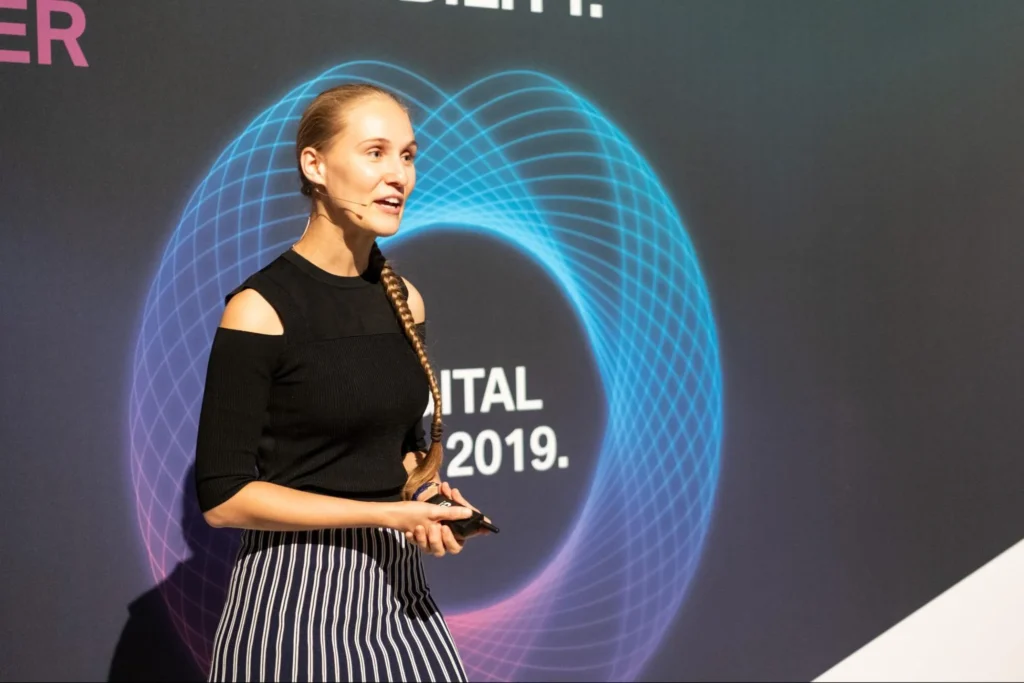
Ashley Dudarenok fits events that need practical China insight, digital economy expertise, and clear strategic interpretation. Her public speaking profile focuses on Chinese consumer behavior, platform ecosystems, digital transformation, and the commercial lessons global leaders can learn from China.
Many executives know China is important, but they need help understanding what China’s innovation patterns mean for their own markets. A strong keynote should translate that complexity into clear business implications.
For global brands, leadership teams, and Fortune 500 audiences, Ashley’s value lies in specificity. She discusses technology not only as a broad theme. She connects China’s digital platforms, consumer behavior, ecommerce models, and innovation speed to real strategic questions.
This makes her relevant for events focused on AI, retail innovation, consumer technology, digital ecosystems, Asia market trends, and future growth. The value comes from market closeness, executive communication, and the ability to turn China signals into usable insight.
Book now to bring Ashley’s China-focused technology insight to your next conference, leadership event, or executive briefing.
FAQs about Keynote Speaker Fees
1. How far in advance should I book a keynote speaker?
Book a keynote speaker four to six months before the event when possible. High-demand experts, celebrity speakers, and global business keynote names often need earlier outreach because calendars fill quickly.
2. Is it better to book a keynote speaker directly or through a speaker bureau?
A speaker bureau can simplify shortlisting, availability checks, contracts, and logistics. Direct booking may work for known speakers, but bureaus help buyers compare fit, keynote speaker prices, and event risk.
3. What should be included in a keynote speaker contract?
A keynote speaker contract should define the date, format, fee, payment schedule, cancellation terms, travel terms, deliverables, and usage permissions. Clear agreements protect both the buyer and speaker before promotion begins.
4. Can keynote speaker rates change after the first quote?
Yes, keynote speaker rates can change if the scope changes. Extra appearances, new session formats, media interviews, longer access, revised deliverables, or late scheduling may affect the final agreement.
5. What is the difference between a keynote speaker and a conference speaker?
A keynote speaker usually sets the central theme or strategic message for the event. A conference speaker may lead a breakout, panel, training session, or technical presentation within the wider agenda.
6. How can small events manage keynote speaker cost without lowering quality?
Small events can manage keynote speaker cost by narrowing the scope, choosing a focused expert, using virtual delivery, or booking an emerging specialist. Clear goals often matter more than name recognition.
7. Why do some keynote speakers require a deposit?
Many keynote speakers require a deposit to reserve the date and confirm the booking. This protects calendar availability because speakers often decline other paid opportunities once they commit.
8. How do companies measure keynote speaker ROI after an event?
Companies measure keynote speaker ROI through attendee surveys, engagement data, Q&A participation, post-event actions, content reuse, and leadership feedback. The strongest measurement starts with clear goals before booking.
9. Are average keynote speaker fees different for virtual events?
Average keynote speaker fees may differ for virtual events, but virtual does not always mean cheap. Buyers still pay for expertise, preparation, delivery quality, and the speaker’s availability.
10. How will keynote speaker booking change in 2026 and beyond?
Keynote speaker booking will become more outcome-driven. Buyers will look beyond popularity and compare audience fit, topic depth, measurable value, and content relevance before approving keynote speakers fees.