
Anna Jiao

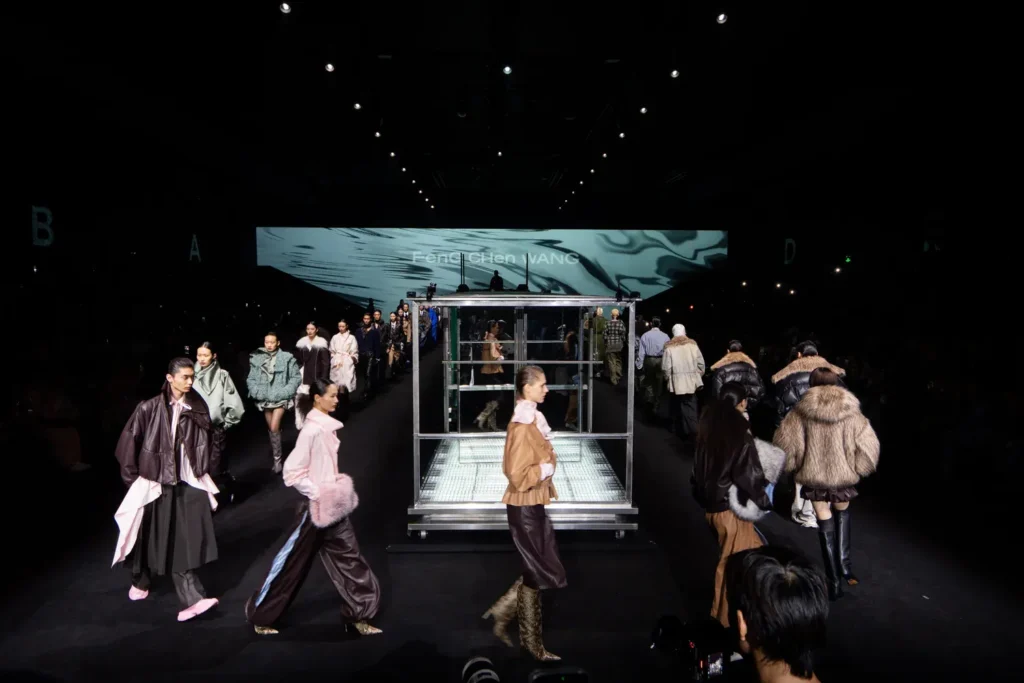
Feng Chen Wang runway show with models walking around stage set

Feng Chen Wang: How Technical Deconstruction Built a Global Chinese Fashion Brand

Chinese designer brands face a difficult scaling question: how can a creative language travel across markets, categories, and partners without losing its origin? Feng Chen Wang offers a clear answer. Her label has turned technical deconstruction, Chinese craft, and modular design into a recognizable system. That system reached an important point in 2026. The brand […]

Feng Chen Wang: How Technical Deconstruction Built a Global Chinese Fashion Brand Read More »

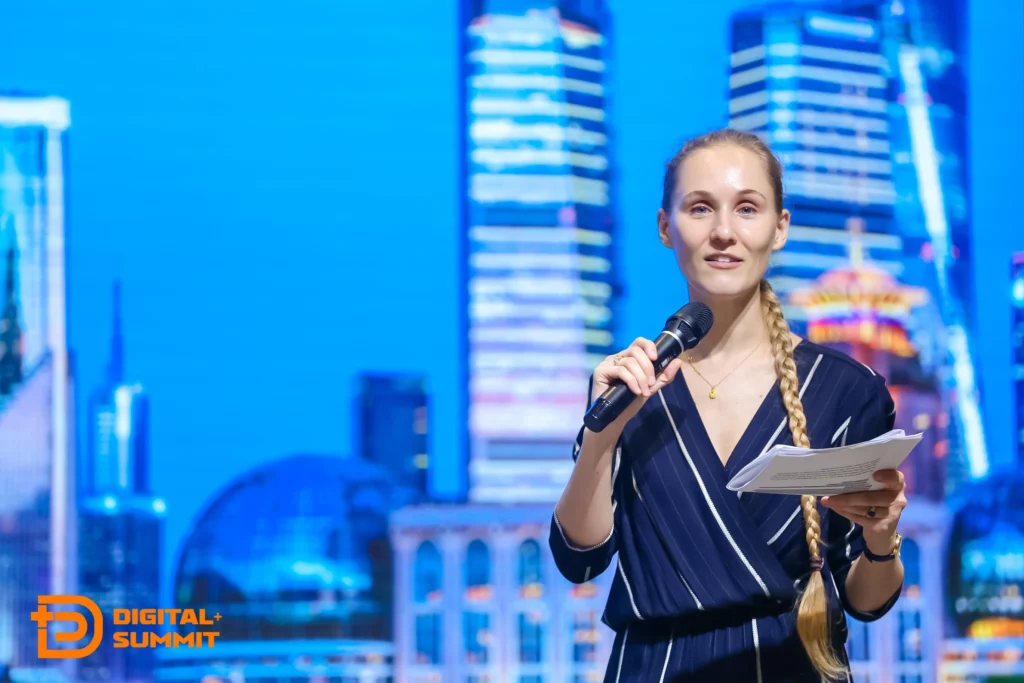
corporate keynote speakers

How Corporate Keynotes Speakers Can Help Accelerate Organizational Transformation

Corporate keynote speakers are one of the most underused tools in a company’s transformation playbook. Businesses pour resources into strategy documents, leadership offsites, and internal workshops, yet teams still struggle to align around what change actually looks like in practice. The challenge is rarely a shortage of information. It is a shortage of perspective. When

How Corporate Keynotes Speakers Can Help Accelerate Organizational Transformation Read More »

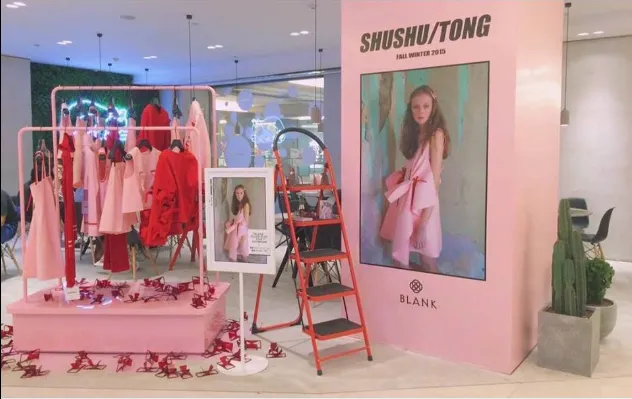
SHUSHU/TONG retail display

SHUSHU/TONG: How a Shanghai Fashion Brand Turned Subversive Femininity Into Global Appeal

Shanghai’s independent fashion scene has entered a more demanding stage. Clear creative identity must now convert into sellable products, repeat customers, credible wholesale doors, and cultural reach beyond China. SHUSHU/TONG stands out because all four parts are visible in its current business. The label marked its tenth anniversary in 2025. During the same year, Vogue

SHUSHU/TONG: How a Shanghai Fashion Brand Turned Subversive Femininity Into Global Appeal Read More »

Uma Wang store entrance with minimalist fashion display

Uma Wang: How the Chinese Designer Built a Global Fashion Brand

China’s luxury market has entered a more selective phase. Bain reported that mainland China’s personal luxury market contracted 3 to 5 percent in 2025, with modest and uneven growth expected in 2026. McKinsey’s 2026 research found that emotional connection now carries more weight in luxury desirability than conventional markers such as status and heritage.  That

Uma Wang: How the Chinese Designer Built a Global Fashion Brand Read More »

marketing keynote speakers

Marketing Keynote Speaker on AI, Consumers, and the Future of Growth in Asia

Marketing keynote speakers are shaping one of the most important conversations in business right now. How do you grow in Asia when AI is changing consumer behavior faster than most strategy teams can keep up? If you’re planning a leadership summit, a corporate conference, or a regional sales kickoff, you’ve probably asked: “Who can speak

Marketing Keynote Speaker on AI, Consumers, and the Future of Growth in Asia Read More »

Hongqi cars parked above a city skyline at sunset

Hongqi Car: Why China’s State Luxury Auto Brand Is Going Global

The global luxury car market has operated on a predictable axis for decades. German engineering dominated the executive sedan. British marques defined ultimate prestige. The conversation about Chinese automobiles has centered on volume, affordability, and, more recently, electric-vehicle scale. A structural shift is rewriting that narrative. The Hongqi car is moving from a symbol of

Hongqi Car: Why China’s State Luxury Auto Brand Is Going Global Read More »

Qeelin boutique storefront

Qeelin: What China’s Fine Jewelry Brand Teaches Global Luxury Leaders

In a luxury market where heritage European houses have long defined the rules of fine jewelry, a brand founded in Hong Kong two decades ago is rewriting the playbook. Qeelin has emerged as one of the most strategically instructive cases in contemporary luxury branding, not because it mimics the Western playbook, but because it refuses

Qeelin: What China’s Fine Jewelry Brand Teaches Global Luxury Leaders Read More »

Model wearing a white shoulder bag on a boat

Songmont: How A Chinese Handbag Brand Redefined Functional Luxury

Songmont matters now because China’s luxury market is no longer defined only by European maisons, visible logos, and imported status codes. In 2026, luxury growth is more selective. Bain reported that mainland China’s personal luxury goods market contracted by 3 percent to 5 percent in 2025, while local Chinese luxury players gained traction through culturally

Songmont: How A Chinese Handbag Brand Redefined Functional Luxury Read More »

Designer standing with models in dramatic couture gowns

Guo Pei: What China’s Couture Designer Teaches Global Luxury Brands

The luxury market is no longer rewarding labels that rely on logo visibility alone. In China, the more important question is cultural authority: who has the right to speak, design, interpret heritage, and translate identity into desire. This is why Guo Pei matters now. Bain reported that mainland China’s personal luxury market contracted by 3%

Guo Pei: What China’s Couture Designer Teaches Global Luxury Brands Read More »

Shang Xia exhibition booth with minimalist furniture and warm lighting.

Shang Xia: What China’s Craft Luxury Brand Teaches Global Luxury Leaders 

The global luxury industry has spent decades perfecting a formula. European heritage, Italian craftsmanship, French savoir-faire. For any brand outside that lineage, the path to global prestige has meant either mimicking the West or remaining a regional player. Shang Xia broke that pattern.  Founded in 2010 as a collaboration between Hermès and Chinese designer Jiang

Shang Xia: What China’s Craft Luxury Brand Teaches Global Luxury Leaders  Read More »