
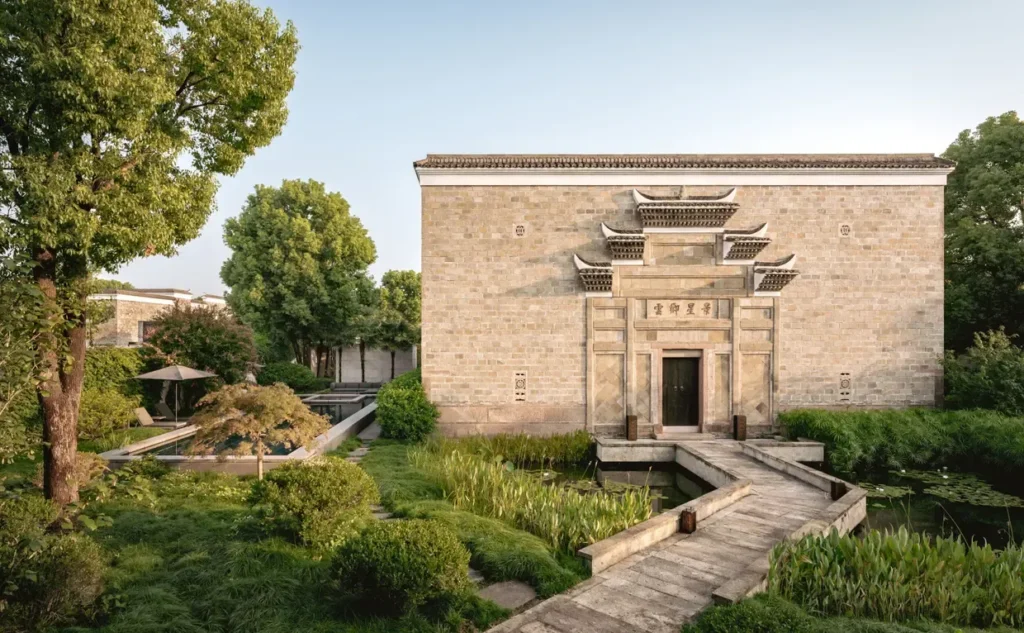
Amanyangyun, known in Chinese as 养云安缦, is an Aman resort in Shanghai’s Minhang district. Its defining features are historic houses and camphor trees relocated from Jiangxi, alongside contemporary accommodation and Chinese cultural experiences.
For someone choosing an Aman hotel in Shanghai, the appeal lies in spending time within that preserved environment. The commercial interest is equally specific: the property connects accommodation, cultural participation, dining and private residences around a shared identity. Its approach shows how a luxury brand can keep heritage central to daily life.
What Makes Amanyangyun Distinctive?
Jiangxi Heritage in a Shanghai Setting
Aman’s account traces the buildings and trees to Fuzhou in Jiangxi province, where a reservoir project threatened their original setting. The relocation and reconstruction story explains why this Shanghai property carries another region’s architectural history.
That distinction matters. The Ming and Qing houses stand in a new setting, with contemporary hospitality built around them. Their value comes from surviving material, craftsmanship and documented provenance. Guests encounter a preservation project whose origins extend well beyond Shanghai.
The Room Category Changes the Experience
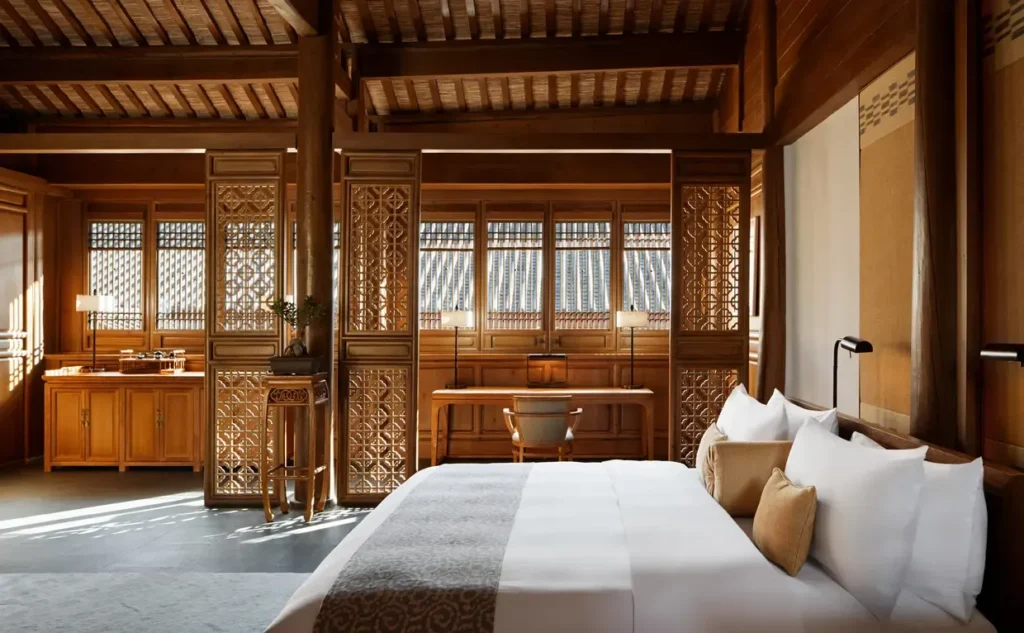
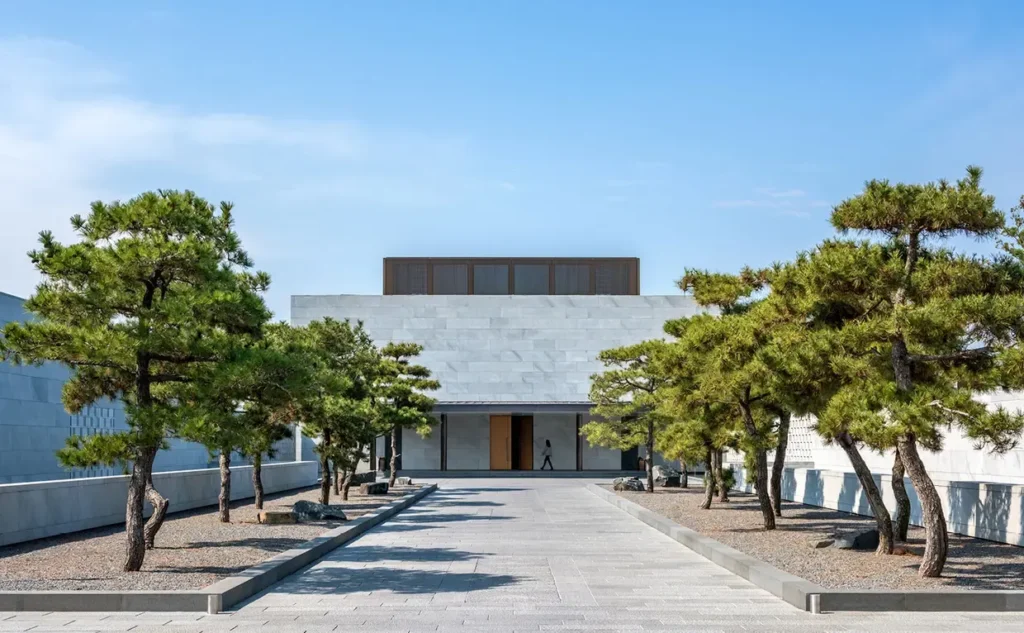
Kerry Hill Architects designed the accommodation around a village arrangement, with outdoor space attached to suites, pavilions and villas. The room names require careful reading: a dynastic name does not automatically indicate a historic building.
For example, Aman describes its 160-square-meter Ming Deluxe Pavilion as contemporary. Its private courtyard connects the bedroom and living room. Antique Villas offer different combinations of historic and modern bedrooms, depending on category.
A couple seeking a secluded courtyard and a family wanting several bedrooms therefore face different choices. The useful comparison is the actual floor plan, bedroom arrangement and outdoor space. These details determine how the heritage setting fits the stay.
Chinese Culture Becomes Something to Practice
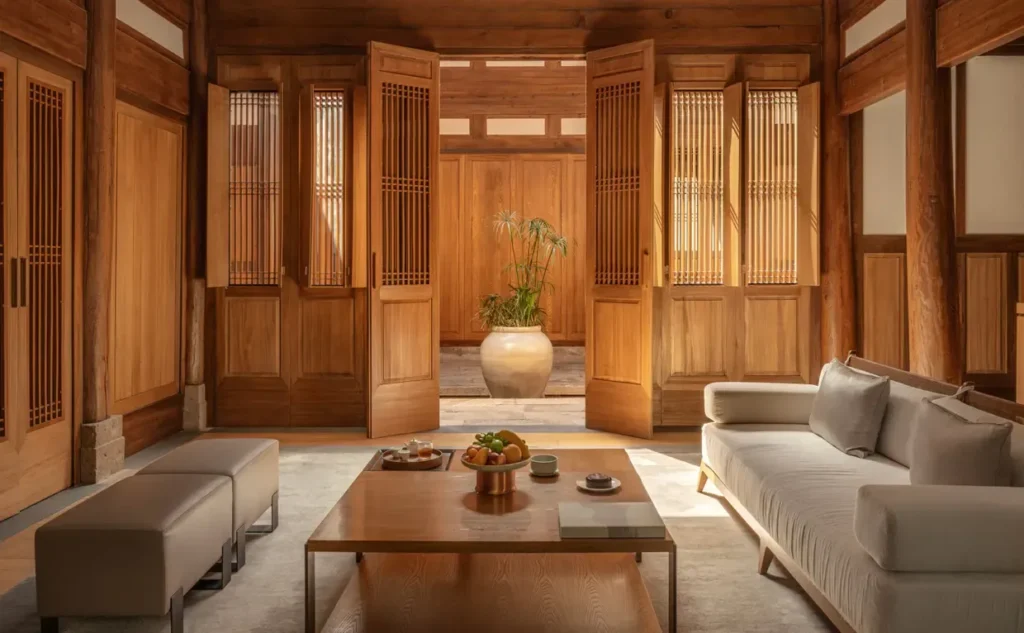
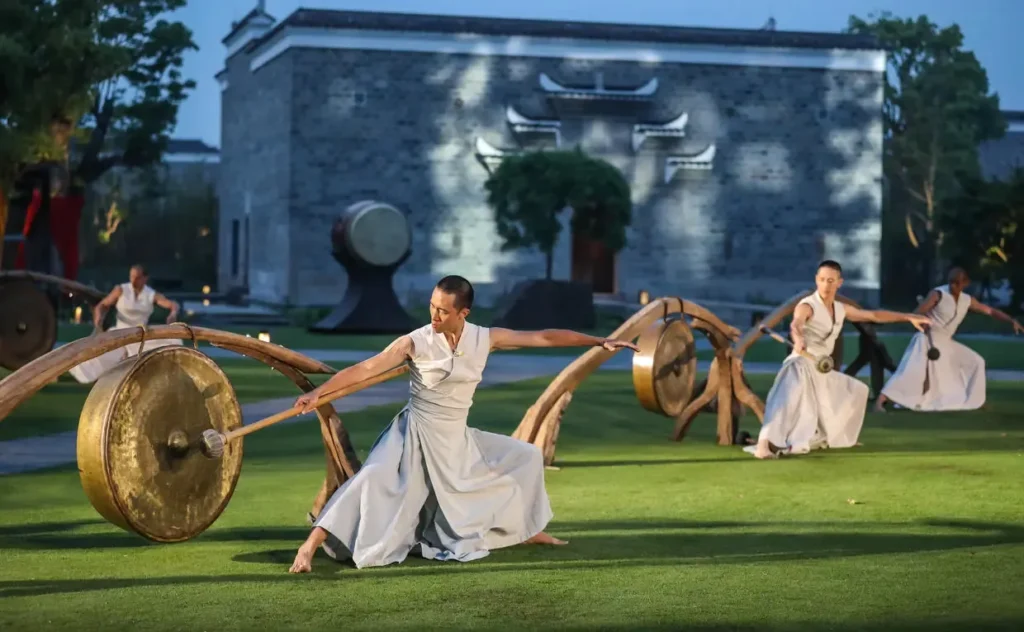
Nan Shufang, or 楠书房, occupies restored buildings and draws on Chinese scholars’ studios. Aman offers calligraphy, traditional music, incense experiences and guided tea ceremonies there.
The tea session includes three varieties, with explanations of their growing regions and processing. This gives visitors something concrete to learn. A restored room becomes a place for conversation and instruction, while the activity supplies context for the objects and architecture around it.
This is heritage branding through participation. It depends on knowledgeable hosts and well-designed sessions. The buildings provide the setting; people make their meaning accessible.
The programming includes a timed evening gathering. Aman’s 2026 schedule lists evening tea in the Lounge at 6 p.m. through November 30. A specific time and setting make the invitation easy to understand and fit into an evening.
Food and Wellness Carry the Brand Experience
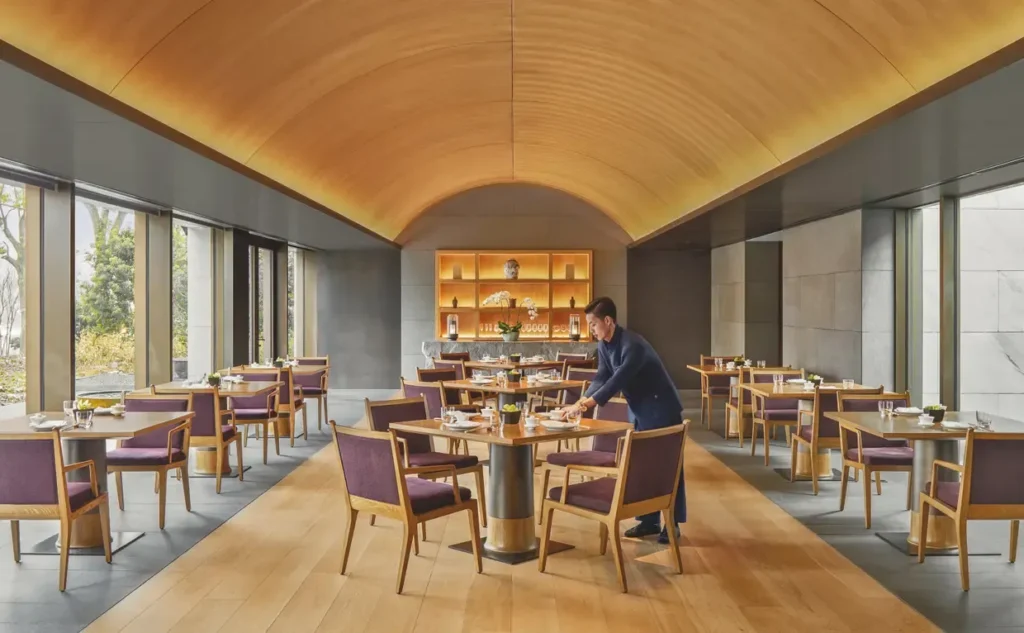
The regional connection continues at Lazhu, whose menu Aman links to Jiangxi cooking, including its use of spices, fish and tea oil. The restaurant gives the relocated architecture a culinary counterpart. Private dining rooms also provide space for family meals and hosted gatherings.
Arva adds another perspective. The MICHELIN Guide’s assessment describes Italian cooking that combines vegetables from the restaurant’s own farm, Italian produce and seafood from across China. This is a documented sourcing connection, although its local purchasing value is undisclosed.
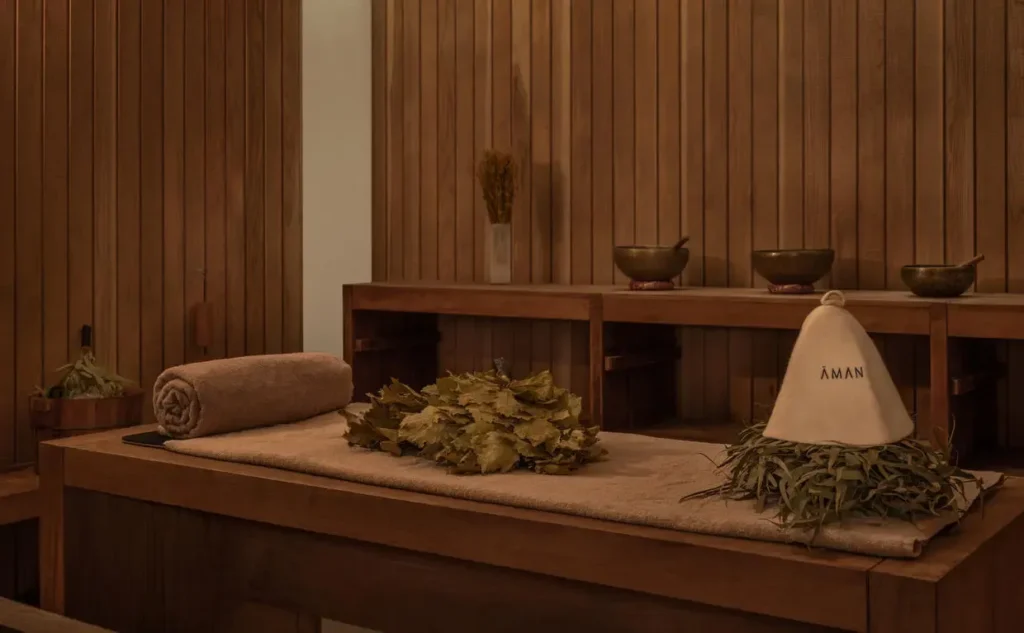
The spa’s facilities include bathing suites, a sauna, a cold plunge pool and a Pilates and yoga studio. Together, these offerings let guests organize a stay around food, movement and rest. That is a practical expression of slow luxury: the property provides enough variety to make an unhurried visit worthwhile.
The Business Behind the Preserved Village
Development and Hotel Operations
A September 2026 report credits Shanghai Gushan Investment Management, chaired by Ma Dadong, with the project’s planning, development and construction.
These roles should remain separate from claims about current equity ownership, which the reviewed sources do not establish.
The commercial offering includes rooms, food, spa services and event venues. Aman lists a ballroom seating up to 224 guests. That creates capacity for celebrations and business gatherings, but venue capacity alone reveals nothing about event bookings or revenue.
Private Residences Extend the Relationship
The clearest brand extension appears in the residences beside the resort. Aman describes antique and contemporary properties designed by Kerry Hill Architects, measuring approximately 1,397 to 1,814 square meters.
Owners receive management and security services, access to resort facilities and the option to join Aman’s rental program. Some residences incorporate historic buildings; others use contemporary construction with a related aesthetic.
The commercial logic is a longer relationship with the place. A residential owner can use the dining, wellness and cultural facilities repeatedly. This arrangement connects property ownership with hospitality services, although the published information provides no basis for estimating rental returns or hotel profitability.
Chinese Travel Demand and Local Economic Connections
A Specific Response to Experience Demand
The China Tourism Academy’s report released in May 2026 describes domestic travel becoming shorter, more frequent and more focused on experience and emotional value. These findings describe the domestic tourism market as a whole.
Within that context, Amanyangyun offers a specific form of experiential luxury: private space, cultural learning and time away from a crowded itinerary. These features can serve travelers who value those benefits. The available sources do not establish the nationality, income or motivations of the property’s actual guest mix.
Training Connects the Hotel to the City
Shanghai Business School records the hotel’s participation in its April 2025 hospitality education and recruitment activities. In November 2025, tourism management students visited the property with its human resources director to study its operations and cultural positioning.
These activities clearly link to professional training and recruitment. They show how a specialist hotel can become a teaching resource for Shanghai’s hospitality sector. The university reports do not quantify subsequent hires or employment effects.
The guest itinerary can extend into the neighboring Yangyun community. Aman directs visitors to Bei TeaHouse, where Kerry Hill’s team adapted a historic building for tea tasting. The connection gives a nearby cultural venue a place within the hotel’s visitor offering.
Who Should Choose This Shanghai Aman Retreat?
Amanyangyun Shanghai sits at 6161 Yuanjiang Road in Minhang. Its suburban setting suits a stay centered on the property, with selected outings. A packed schedule of central Shanghai meetings, shopping and sightseeing makes transport a larger consideration.
Access has attracted experimentation. Shanghai’s government documented a 15-minute helicopter test flight on January 14, 2025, from a Pudong flight base to a park lawn beside the hotel. The report describes a trial and preparations for future operations. It does not establish a regularly bookable airport transfer.
The broader service lesson is practical: seclusion creates an access problem that the guest experience must address. Transfer planning deserves the same attention as room selection.
What Other Businesses Can Learn
Another business can apply this approach when it has a credible cultural asset and the skills to interpret it. The first decision is the activity customers will actually take part in. Staff training, booking arrangements, materials and maintenance then need to support that choice.
Amanyangyun shows how cultural preservation can inform a complete service offering. Clear room descriptions, accessible teaching and reliable scheduling deserve as much attention as the origin story.
A business should track participation, customer feedback and delivery costs to test the commercial value of its cultural programming.
Explore Customer Experience With Ashley Dudarenok
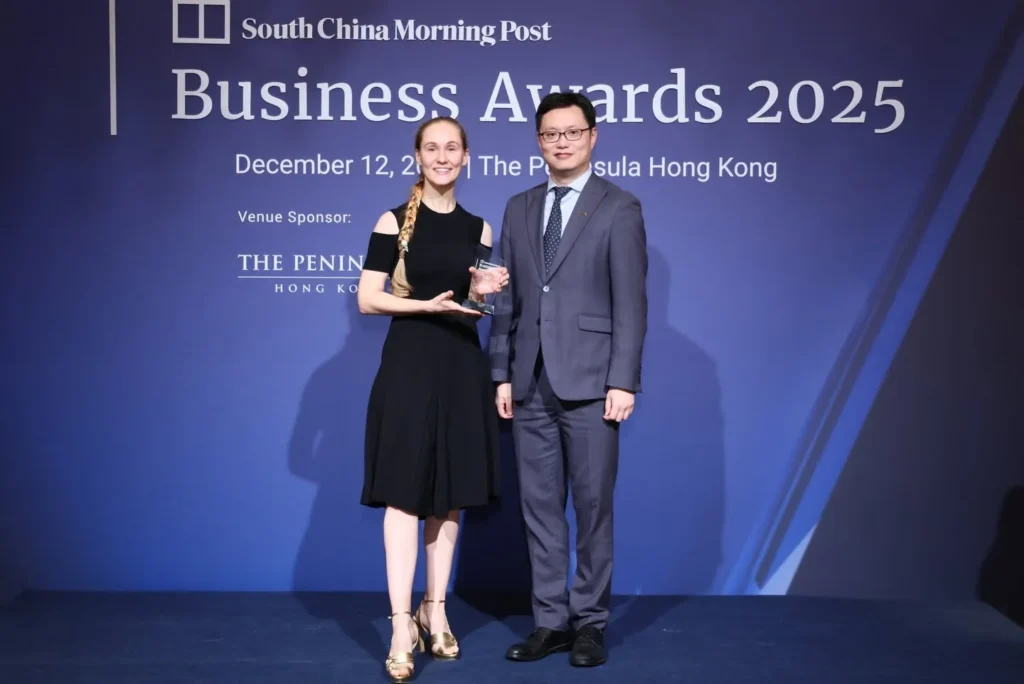
Amanyangyun raises a useful question: how can cultural identity shape what customers actually experience? Ashley Dudarenok’s work covers Chinese consumers, customer centricity and the future of retail. Explore her customer experience keynotes and tailored speaking engagements for sessions relevant to your business and audience.
Frequently Asked Questions
How Many Nights Should You Stay at Amanyangyun?
Two nights is a sensible starting point for a resort-focused stay. Aman’s Family Escape offers two or three nights, with the longer option adding transportation to Zhujiajiao Old Town.
Which Shanghai Airport Is Closer?
Hongqiao is closer: Aman places it approximately 24 kilometers away, compared with 55 kilometers for Pudong. Its transfer guidance estimates about 30 minutes from Hongqiao and 40 to 50 minutes from Pudong, depending on traffic.
Is the Hotel Suitable for Children?
Yes, the hotel offers a Children’s Discovery Centre with activities for ages five to twelve. Options include lantern making, paper cutting and pottery. Confirm age requirements, supervision and the activity schedule before your visit.
Can You Visit Without Booking a Room?
Yes, Aman explicitly welcomes nonresident visitors to the restaurants and spa. Contact the reservations team to arrange your visit. A dining or treatment reservation should not be assumed to include unrestricted access to other resort facilities.
Does a Stay Include Breakfast?
Aman lists daily breakfast among the Ming Deluxe Pavilion’s stay inclusions. Check the written terms for your selected room and booking channel, including the number of guests covered and any charges for additional adults or children.
Can You Swim During Winter?
The spa page lists a heated indoor pool, while the outdoor pool is closed seasonally from November through April. Confirm pool availability for your dates, since maintenance or operational changes can affect access.
What makes Amanyangyun different from other Shanghai luxury hotels?
The property combines a small number of rooms with a heritage preservation project. Guests stay in restored antique villas or new suites designed by Kerry Hill Architects, with cultural programming focused on traditional Chinese arts.
Does the Hotel Have a Cinema?
Yes, the property has a private IMAX cinema, and advance booking is required. Aman includes access in its Ming Deluxe Pavilion benefits. Ask the concierge about screening times, film choices and arrangements for your party.
Does Arva Have a Michelin Star?
Arva appears in the MICHELIN Guide’s restaurant selection, but its current listing does not display a star. This restaurant listing does not establish a hotel award, so check the named venue and distinction carefully.
What activities are available at Amanyangyun?
The resort offers calligraphy, painting, tea tasting, and music sessions at its cultural pavilion. The Aman Spa includes treatment rooms, a banya, a hammam, and indoor and outdoor pools.